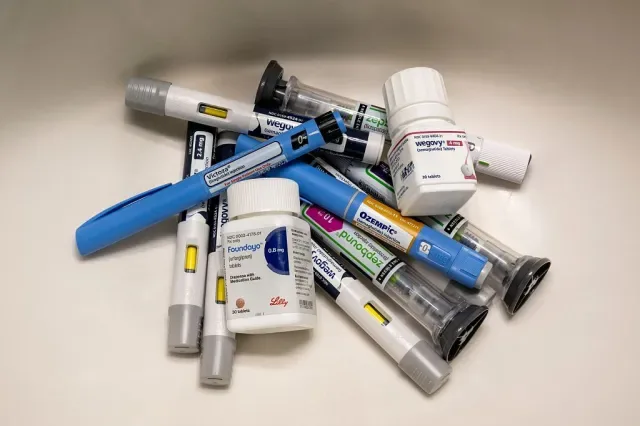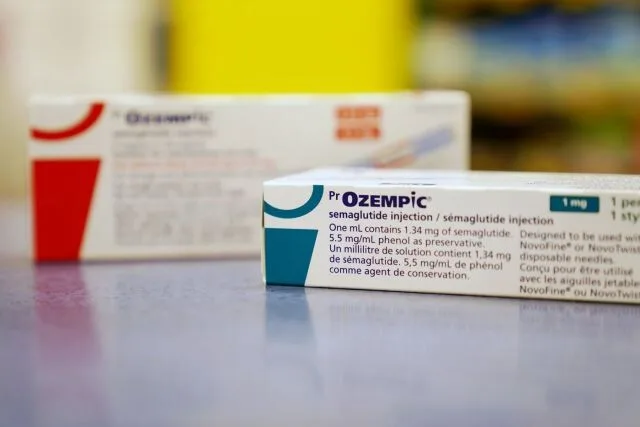
The buzz around peptides is undeniable. You see them advertised on skincare shelves, hear about them in the context of GLP-1 weight-loss drugs like Mounjaro and Wegovy, and witness wellness influencers and celebrities touting their benefits for everything from anti-aging and injury recovery to enhanced longevity. But what exactly are these peptides, and can they truly live up to the considerable hype?
The allure is potent. Celebrities like Jennifer Aniston and Gwyneth Paltrow have publicly shared their use of peptide injections, with Paltrow reportedly combining them with NAD+ and vitamin B12 for longevity. Hailey Bieber's brand, Rhode, is built on peptide formulations, and she herself has spoken about their benefits for hair, skin, and nails, mentioning specific peptides like GHK-Cu (copper peptide) and BPC-157 for gut health and muscle repair. This widespread endorsement, coupled with their availability online, has fueled a significant trend, often referred to as the "grey market" for injectables.
However, navigating this landscape can be confusing. Despite the information overload, understanding what peptides are, which ones are effective, and for what purpose remains a challenge for many. This article aims to clarify the science behind peptides and explore their current applications in health and wellness.
Understanding Peptides: The Body's Tiny Messengers
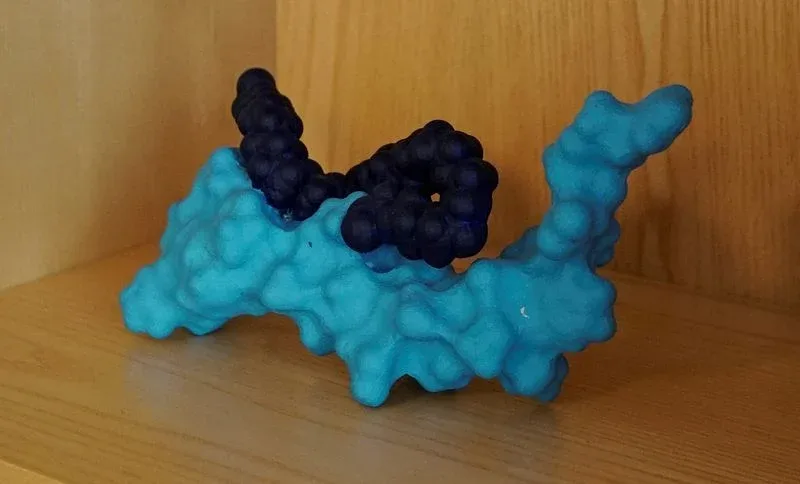
To grasp the function of peptides, it's helpful to think of them as "tiny biological messengers," as described by Dr. David Jack, a former plastic surgeon and aesthetics doctor. "They are short chains of amino acids, the building blocks that make up proteins throughout the body, which also function as cellular signallers that carry instructions between cells," he explains.
These messengers are incredibly diverse, with different peptides carrying different instructions. Some are programmed to stimulate skin cells to produce more collagen, a key protein for skin elasticity and structure. Others play roles in regulating inflammation, facilitating tissue repair, or acting as hormones that influence crucial bodily functions like appetite and metabolism. This versatility is precisely why they are garnering attention in regenerative medicine and longevity circles, particularly in the form of injectable peptides, which have seen a surge in popularity on platforms like TikTok.
The current trend in aesthetics is moving away from more static treatments like traditional Botox or fillers towards regenerative approaches that aim to encourage the skin to function more like it did when it was younger. Peptides are at the forefront of this shift, offering a way to communicate directly with skin cells.
The Challenge of Delivery
A significant hurdle in utilizing peptides, especially for skin health, is their effective delivery. The skin acts as a formidable barrier, designed to keep foreign substances out. Therefore, the formulation and delivery technology of peptide-based products are paramount to their success.
Professional treatments often employ advanced techniques to enhance peptide penetration. These can include:
- Nano-infusion: Using microscopic needles to create channels for product absorption.
- Micro-needling: Creating controlled micro-injuries to stimulate skin repair and enhance product absorption.
- Ultrasound: Using sound waves to improve the penetration of topical agents.
- Electroporation: Applying brief electrical pulses to temporarily increase the permeability of cell membranes.
For at-home use, well-formulated leave-on serums and creams can contribute to skin health over time by supporting these natural pathways. However, the benefits from topical applications are typically gradual, accumulating over weeks and months rather than appearing instantaneously.
The High-Tech Facial Experience
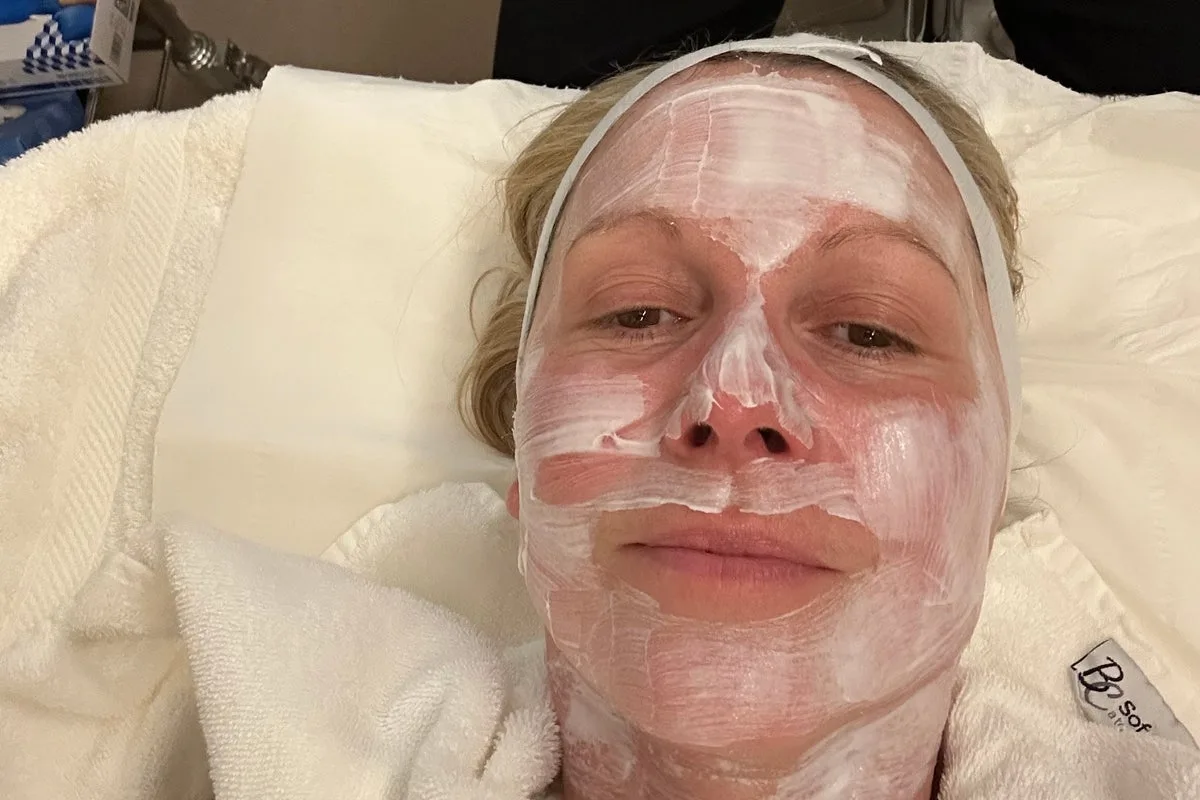
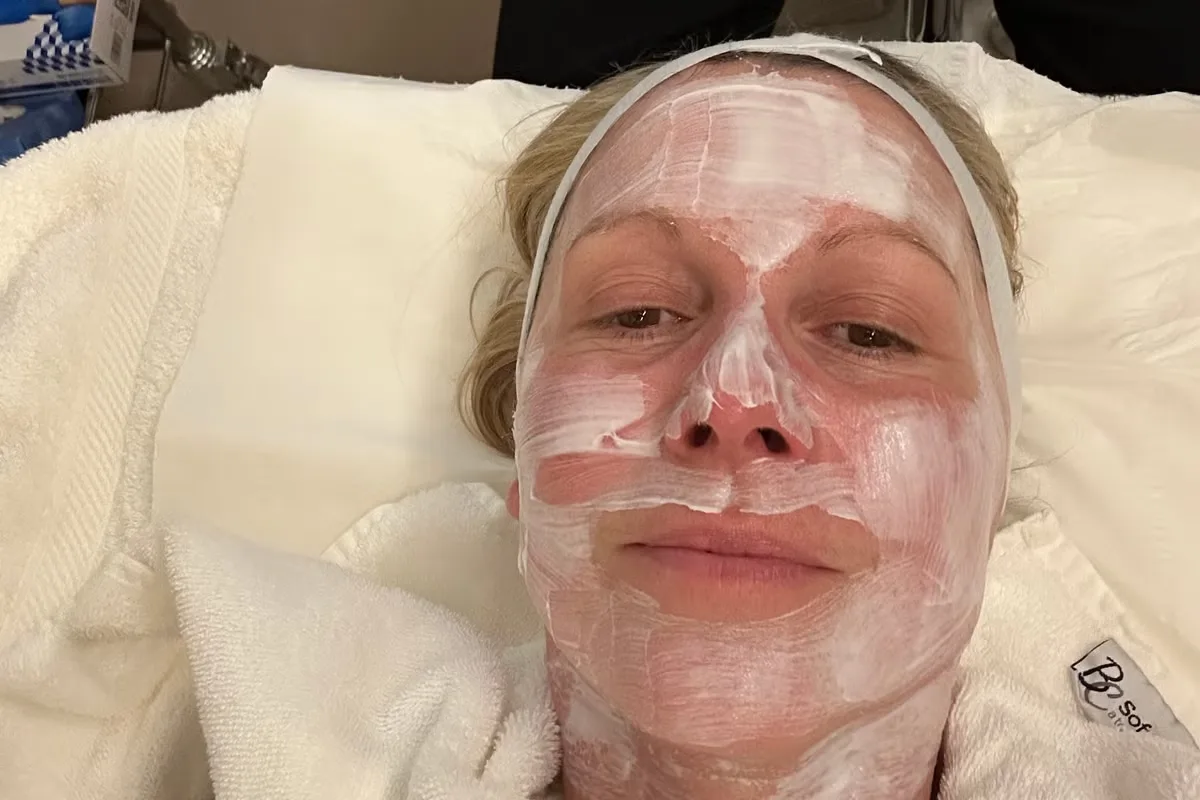
The author's personal experience with a "potent peptide infusion" facial highlights the sophisticated nature of some modern aesthetic treatments. This wasn't a simple application of cream; it was a multi-step, high-tech procedure designed to maximize peptide delivery and stimulate the skin's regenerative capabilities.
The facial involved a combination of:
- Electrical Muscle Stimulation (EMS): A gentle treatment to lift facial structures, akin to a facial workout.
- Radio Frequency (RF) Energy: Controlled heat to stimulate fibroblasts, the cells responsible for collagen production.
- Peptide Peel: A tingly application to purify and prepare the skin, encouraging cellular turnover and improving texture.
- Fractional Laser or Micro-needling: To create microchannels, triggering the skin's natural repair response and collagen remodelling.
- Air Jet Booster: Delivering a concentrated peptide and PDRN (Polydeoxyribonucleotide) complex deep into the skin. PDRN, derived from purified DNA fragments (often from salmon), is believed to support regenerative processes and wound healing.
- Ultrasonic Infusion: To lock in moisture.
- Cryotherapy: A blast of cold air to calm redness and soothe the skin.
Dr. Jack emphasizes that the most effective treatments often integrate multiple modalities. "The most effective treatments increasingly combine several approaches together, using technology to stimulate repair while simultaneously delivering ingredients that support the regenerative response," he notes. While this advanced facial came with a significant price tag (£300 per treatment), the author reported a rosy, fresh, and smoother complexion that persisted for several weeks.
Distinguishing Immediate vs. Long-Term Benefits
It's important to differentiate between the immediate effects of a treatment and its longer-term benefits. Initial improvements like softness, radiance, and hydration are often due to increased water content, improved circulation, and temporary surface smoothing. These effects can be quite noticeable shortly after a procedure.
The more substantial, lasting benefits, such as collagen remodelling and the cumulative effects of stimulated regenerative processes, take time to develop. This is where peptides can potentially offer more profound contributions, as they provide molecular signals that encourage the skin to repair and renew itself more effectively.
Precision tracking for your journey
Join thousands using Shotlee to accurately track GLP-1 medications and side effects.
📱 Get the Shotlee App
Track your GLP-1 medications, peptides, and health metrics on the go with our mobile app!
The "Wild West" of Unlicensed Peptide Injectables
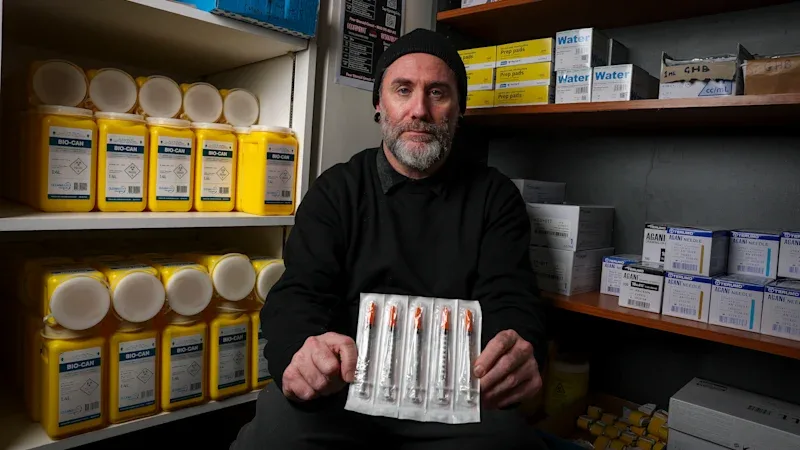
While licensed peptides are used in professional aesthetics and medicine, a significant concern revolves around the "wild West" of unlicensed peptide injectables available online. Users are often purchasing these products with the hope of achieving a wide range of benefits, from improved skin and anxiety relief to enhanced muscle growth, hair health, energy levels, and libido. However, these products operate in a less regulated space.
Professor Adam Taylor, director of the Clinical Anatomy Learning Centre at Lancaster University, cautions that while some pre-clinical research on these peptides shows promise, they often lack reliable safety data and have uncertain long-term safety profiles. "Very few have been tested in humans," he states. This means that the effects observed in laboratory models may not translate to the human body, and without robust testing, it's difficult to ascertain if these peptides are delivering their advertised results.
Injectables like BPC-157 and TB 500 are sometimes used for workout recovery or injury repair. However, it's worth noting that in professional sports, some of these peptides are considered doping substances. The risk with "stacking" multiple injectable peptides for various goals is that they might exert unintended effects on other tissues in the body, beyond the targeted area.
The U.S. Food and Drug Administration (FDA) has warned that these unregulated products pose "serious safety risks," including allergic reactions. Regulators have also expressed concerns about the lack of sufficient evidence for the efficacy and safety of certain compounded peptides, impacting their availability through compounding pharmacies.
Licensed Peptides in Professional Aesthetics
In contrast to the grey market, licensed peptides are a different category of products. Dr. Paris Acharya, founder of Clinic Dr Paris, explains that these are medical aesthetic products specifically manufactured for intradermal use, designed to support cellular communication, collagen production, tissue repair, hydration, and the skin's response to inflammation and oxidative stress.
Dr. Acharya utilizes peptide-based regenerative mesotherapy injectables, such as those from ABG Lab (e.g., Meso-Wharton, Meso-Xanthin, MesoSculpt, MesoEye). These are administered directly into the skin via multiple microinjections or microneedling, aiming to deliver higher concentrations of active ingredients to cells responsible for collagen production and tissue regeneration. This approach is designed to achieve deeper and longer-lasting effects compared to topical applications alone.
She differentiates this from treatments like Botox, stating, "Botox targets movement; peptide mesotherapy targets skin health." Dr. Paris sees peptide technology as a pivotal element in the evolution of facial aesthetics, enabling a more targeted communication with cells rather than simply filling or altering tissue structure.
Safety and Side Effects of Injectable Treatments
As with any injectable treatment, potential side effects exist. The most common include temporary redness, swelling, tenderness, and small bumps at the injection sites, which typically resolve within a few hours to a few days. Bruising can also occur, particularly in delicate areas like around the eyes.
However, more serious complications are rare when treatments are performed by appropriately trained medical professionals using regulated products and suitable injection techniques. It's crucial to distinguish between these professionally administered treatments and the unregulated products found online.
The Evolving Science of Peptides
Peptides have a long history of use in various fields, including skincare, wound healing, and regenerative medicine. Copper peptides, for instance, have been used for decades in skincare to support collagen production and healing. Signal peptides are common ingredients in anti-aging formulations, and peptide-based medications are utilized across numerous medical specialties.
What is rapidly evolving is our understanding of how different peptide signals can be precisely targeted to influence specific cellular pathways involved in aging, repair, and regeneration. "As clinicians, we are becoming increasingly interested in how we can use these biological signals to improve tissue function and skin quality in a more targeted and personalised way," says Dr. Acharya.
Peptides are undoubtedly a significant and growing area in health and wellness. While the science behind peptide injections is continuously developing and shows promising results, for now, the author concludes that sticking with trusted skincare products and occasional professional treatments, like advanced facials, offers a reliable and accessible approach to harnessing their benefits.
Practical Takeaways:
- Understand the Difference: Distinguish between scientifically validated, licensed peptide treatments and unregulated, grey-market injectables.
- Consult Professionals: For injectable treatments or advanced aesthetic procedures, always seek advice and treatment from qualified and experienced medical professionals.
- Manage Expectations: Topical peptide products often provide gradual, cumulative benefits, while immediate results from treatments may be due to hydration and surface effects.
- Prioritize Safety: Be wary of online sources for injectables and understand the potential risks associated with unproven products.
- Track Your Progress: Consider using tools like the Shotlee app to log treatment details, track skin improvements, or monitor any side effects, helping you and your provider understand your response.