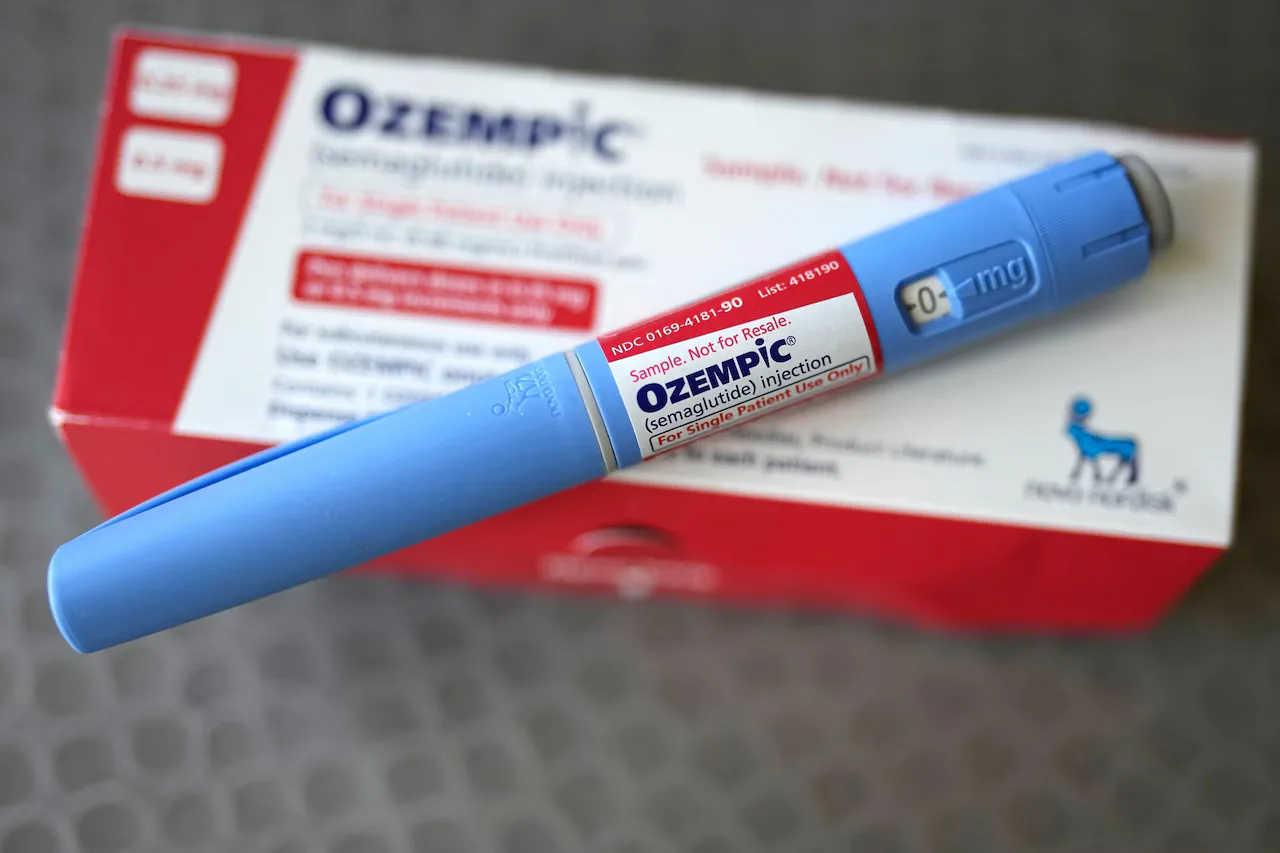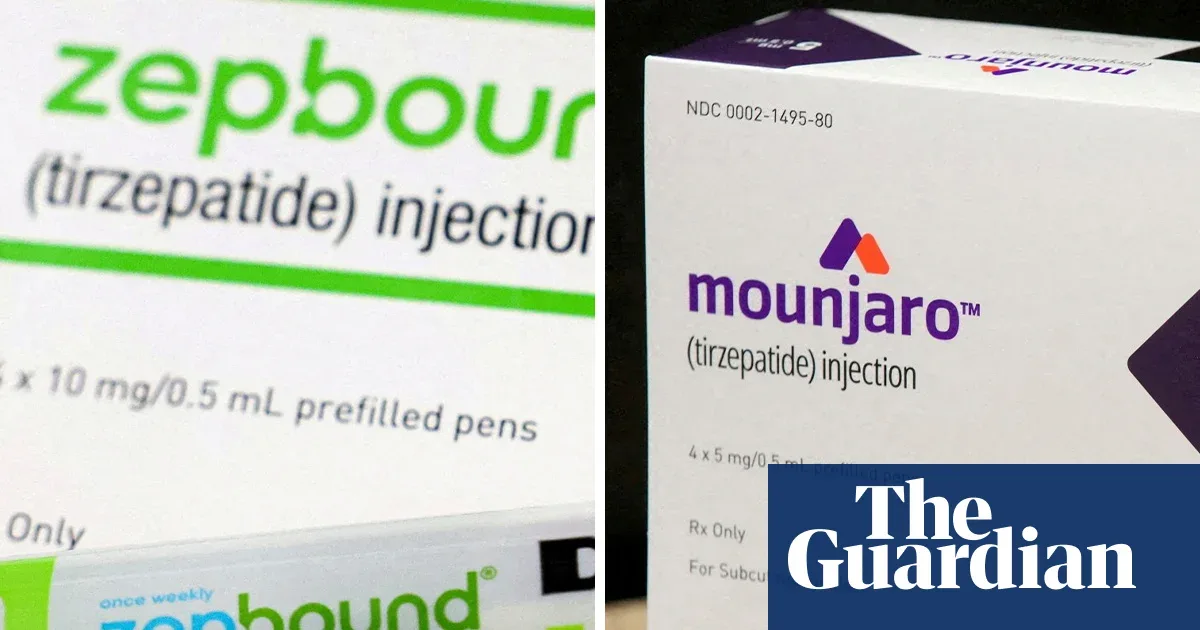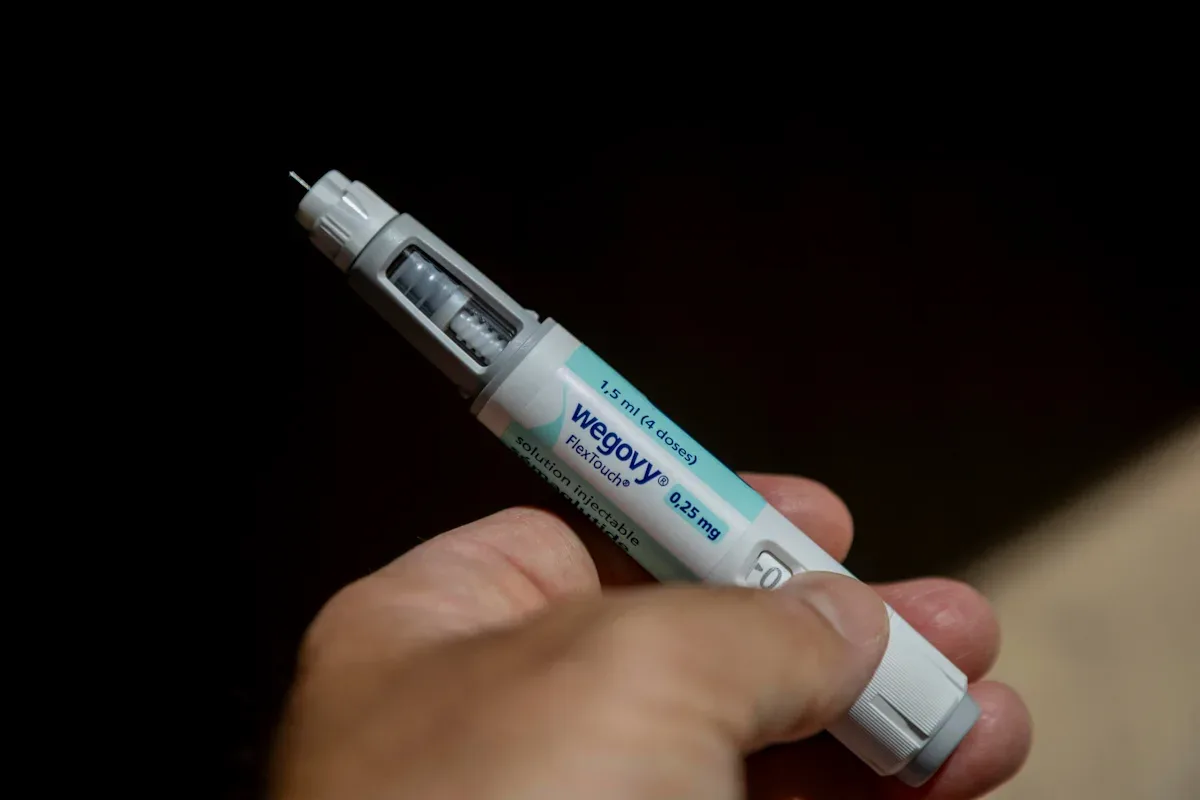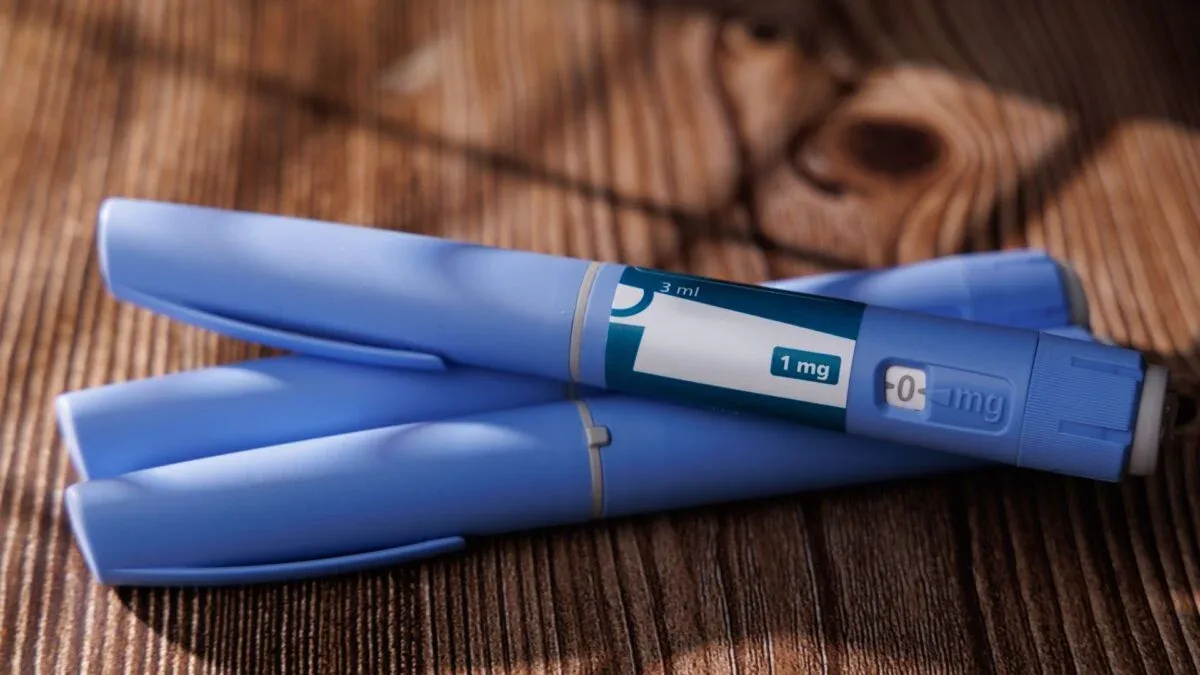

The landscape of obesity treatment is undergoing a significant transformation, particularly for adolescents and young adults. Once primarily addressed through lifestyle interventions and bariatric surgery, this demographic is now increasingly turning to a new class of medications: GLP-1 receptor agonists. These drugs, including well-known names like semaglutide (the active ingredient in Ozempic and Wegovy) and tirzepatide (found in Mounjaro and Zepbound), have surged in popularity for adult weight management and are now making a substantial impact on how obesity is managed in younger populations. A recent study highlights this shift, revealing a notable increase in GLP-1 prescriptions for teens and young adults, coinciding with a decline in bariatric surgical procedures. This evolving approach to care necessitates a closer examination of its implications for long-term health outcomes and treatment strategies for this age group.
Why Are GLP-1 Medications Gaining Traction for Teen Weight Loss?
GLP-1 receptor agonists are emerging as a primary treatment option for obesity in teenagers and young adults due to their demonstrated efficacy in promoting weight loss and improving metabolic markers. These medications mimic the action of a natural hormone, glucagon-like peptide-1, which helps regulate appetite, slow gastric emptying, and improve insulin sensitivity. For young individuals struggling with obesity, these effects can lead to significant reductions in body weight, often accompanied by improvements in blood pressure, cholesterol levels, and glycemic control. The American Academy of Pediatrics has endorsed the use of these medications for children aged 12 and older with obesity, following regulatory approval of medications like Wegovy for this age group, signaling a growing acceptance within the medical community. This endorsement, coupled with the drugs' effectiveness, is driving their adoption as a key component of obesity management for adolescents.
What Does the Latest Research Show About GLP-1 Use in Young People?
A groundbreaking study from the University of Texas Southwestern Medical Center analyzed medical records of over 200,000 individuals aged 13 to 25 treated for obesity between May 2022 and January 2026. The findings reveal a dramatic shift in treatment pathways, with GLP-1 medications becoming increasingly prevalent. The rate of exclusive GLP-1 use rose from 88.2% in the initial period to 96.1% by the end of the study. Concurrently, the rate of bariatric surgery declined significantly, dropping from 11.6% to 3.7% during the same timeframe. The use of combined GLP-1 therapy and surgery remained rare, at approximately 0.2%. These statistics underscore a rapid transformation in obesity care for youths, with pharmacotherapy now frequently serving as the initial intervention, moving away from surgical approaches as the primary first-line treatment for many.
How Do GLP-1s Compare to Bariatric Surgery for Teens?
While both GLP-1 medications and bariatric surgery are powerful tools for managing adolescent obesity, they represent different approaches with distinct profiles. Bariatric surgery, such as gastric bypass or sleeve gastrectomy, typically leads to more substantial and rapid weight loss, often resulting in significant remission of obesity-related comorbidities like type 2 diabetes and sleep apnea. However, it is an invasive procedure with associated surgical risks, a lengthy recovery period, and requires lifelong dietary and lifestyle changes. GLP-1 medications, on the other hand, offer a non-invasive pharmacological option. They provide significant weight loss for many individuals and improve metabolic health, but the long-term effects and optimal duration of treatment are still being studied, especially in younger populations. The choice between these treatments, or their combination, depends on individual patient factors, severity of obesity, presence of comorbidities, and patient and family preferences, with GLP-1s now often being considered earlier in the treatment continuum.
| Treatment Type | Primary Mechanism | Typical Weight Loss | Invasiveness | Key Considerations for Teens |
|---|---|---|---|---|
| GLP-1 Agonists (e.g., Semaglutide, Tirzepatide) | Hormone mimicry (appetite regulation, insulin sensitivity) | Moderate to significant (varies by drug and individual) | Non-invasive (injection or oral) | Long-term effects, potential side effects, adherence, cost |
| Bariatric Surgery | Anatomical alteration of digestive system | Significant to substantial | Invasive (surgical procedure) | Surgical risks, lifelong lifestyle changes, nutritional deficiencies |
What Are the Potential Risks and Considerations for Teens on GLP-1s?
While GLP-1 medications are proving effective for many adolescents, it's crucial to acknowledge the potential risks and unique considerations for this age group. Compared to adults, the long-term health data for younger individuals using these drugs is more limited. Since sustained weight management often requires lifelong treatment, understanding the cumulative effects of these medications over many years is essential. Furthermore, the marketing of GLP-1s, sometimes from less regulated sources like compounding pharmacies, raises concerns, particularly for teens who may be more susceptible to societal pressures related to body image. Recent research has indicated that some individuals with eating disorders may misuse these medications, a trend that is unfortunately becoming more common among younger people. Therefore, careful screening for disordered eating patterns and close medical supervision are paramount to ensure these drugs are used appropriately and safely.
Precision tracking for your journey
Join thousands using Shotlee to accurately track GLP-1 medications and side effects.
📱 Get the Shotlee App
Track your GLP-1 medications, peptides, and health metrics on the go with our mobile app!
How Can Health Tracking Support Teen GLP-1 Therapy?
For teenagers and young adults undergoing treatment with GLP-1 medications, consistent health tracking is invaluable for optimizing outcomes and ensuring safety. Tools like the Shotlee app can empower young patients and their families to meticulously monitor key health metrics. This includes tracking medication adherence, recording doses, and noting any side effects experienced, such as nausea or gastrointestinal discomfort. Beyond medication specifics, monitoring weight changes, blood glucose levels, blood pressure, and activity levels provides a comprehensive picture of progress and helps identify any emerging issues. This data can be shared with healthcare providers, facilitating more informed treatment adjustments and personalized care plans. Proactive tracking allows for early detection of potential problems and reinforces positive lifestyle changes, making the journey toward sustainable weight management more manageable and effective.
What Are the Long-Term Implications of Early GLP-1 Intervention?
The increasing use of GLP-1 medications for adolescent obesity opens up new avenues for managing a complex chronic condition, but it also raises important questions about long-term implications. Early intervention with effective pharmacotherapy could potentially prevent the development or worsening of obesity-related comorbidities, such as type 2 diabetes, cardiovascular disease, and non-alcoholic fatty liver disease, from a younger age. This could lead to improved quality of life and reduced healthcare burdens in the future. However, the sustained use of these medications requires ongoing research to fully understand their impact on growth, puberty, bone health, and reproductive health in adolescents. Ensuring equitable access to these treatments and providing comprehensive support, including nutritional counseling and psychological support, will be critical to maximizing the benefits and mitigating potential harms. The medical community must continue to collaborate to establish evidence-based guidelines for the long-term management of obesity in young people using these evolving therapeutic options.
Practical Takeaways:
- GLP-1 medications are increasingly prescribed for teens and young adults with obesity.
- This trend is accompanied by a decrease in bariatric surgery rates for this age group.
- While effective, long-term data for adolescents is still developing.
- Close medical supervision and monitoring for side effects and potential misuse are essential.
- Health tracking tools can support adherence and monitor progress effectively.
In conclusion, the rise of GLP-1 medications in adolescent obesity treatment marks a significant evolution in care. While offering promising results, this shift necessitates careful consideration of long-term outcomes, potential risks, and the importance of comprehensive support for young patients. As research continues and clinical experience grows, the role of these medications in shaping the future of adolescent health will become clearer.