For the first time, some Medicare beneficiaries will have access to GLP-1 medications specifically for weight loss, thanks to a new pilot program set to begin on July 1, 2026. This initiative, named the Medicare GLP-1 Bridge, aims to make these increasingly popular and effective treatments more affordable by offering a fixed $50 monthly copay. This program represents a notable shift in how Medicare approaches obesity treatment, moving beyond coverage primarily for related conditions like diabetes or cardiovascular disease.
Historically, Medicare's coverage for GLP-1 drugs has been limited to individuals using them for conditions such as Type 2 diabetes or established cardiovascular disease. While drug manufacturers have recently reduced out-of-pocket costs for many patients, the expense can still be substantial, often around $350 per month. The new Bridge program seeks to alleviate this financial burden for a select group of beneficiaries, potentially opening the door for more individuals to manage their weight and related health risks.
What is the Medicare GLP-1 Bridge Program?
The Medicare GLP-1 Bridge is a temporary pilot program designed to expand access to specific GLP-1 medications for weight loss among eligible Medicare beneficiaries. It is not a permanent change to Medicare law but rather an innovative use of existing legislative provisions that allow the federal government to establish time-limited programs. The program's primary objective is to provide a more affordable pathway for individuals seeking to manage obesity through these advanced pharmacological treatments, which have shown significant promise in clinical trials and real-world use. By offering a capped monthly copay, Medicare is acknowledging the medical necessity of weight management for overall health and well-being.
This initiative allows Medicare to cover drugs prescribed *solely* for weight loss, a departure from previous coverage limitations. The program is scheduled to run from July 1, 2026, through December 31, 2027, spanning an 18-month trial period. The future of Medicare coverage for GLP-1s used for weight loss beyond this trial period remains uncertain. Without an extension from the Centers for Medicare & Medicaid Services (CMS) or a legislative change by Congress, beneficiaries may lose this specific coverage after the pilot concludes. However, there's a possibility that drug manufacturers might further reduce their direct-to-consumer pricing to align with the $50 copay, potentially offering a continued affordable option.
Who is Eligible for the Medicare GLP-1 Bridge Program?
Eligibility for the Medicare GLP-1 Bridge program requires beneficiaries to have Part D prescription drug coverage and be enrolled in an eligible plan. The process involves a prior authorization request submitted by the patient's healthcare provider. This request must confirm that the GLP-1 medication is being prescribed specifically for weight loss. Prior authorization is a crucial step that enables the pharmacy to fill the prescription, ensuring that the medication is appropriate and medically necessary according to program guidelines. Providers must also present evidence that their patient meets specific clinical criteria related to their Body Mass Index (BMI) and existing health conditions when initiating a GLP-1 for weight management.
To qualify for the program, patients must meet one of the following clinical criteria:
- A Body Mass Index (BMI) of at least 35.
- A BMI of at least 30, coupled with a history of heart failure, uncontrolled hypertension, or chronic kidney disease.
- A BMI of at least 27, accompanied by prediabetes, a previous heart attack or stroke, or symptomatic peripheral artery disease.
It is important to note that individuals who are already prescribed a GLP-1 medication under Medicare Part D for specific conditions like Type 2 diabetes or sleep apnea are generally not eligible for coverage through the Bridge program. These individuals may continue to receive coverage for their existing prescription under their current Part D benefits, but not through this new weight-loss-focused initiative. Consulting with a healthcare provider is the recommended first step for any beneficiary interested in exploring their eligibility or understanding if these medications are a suitable option for them.
What GLP-1 Drugs Will Medicare Cover?
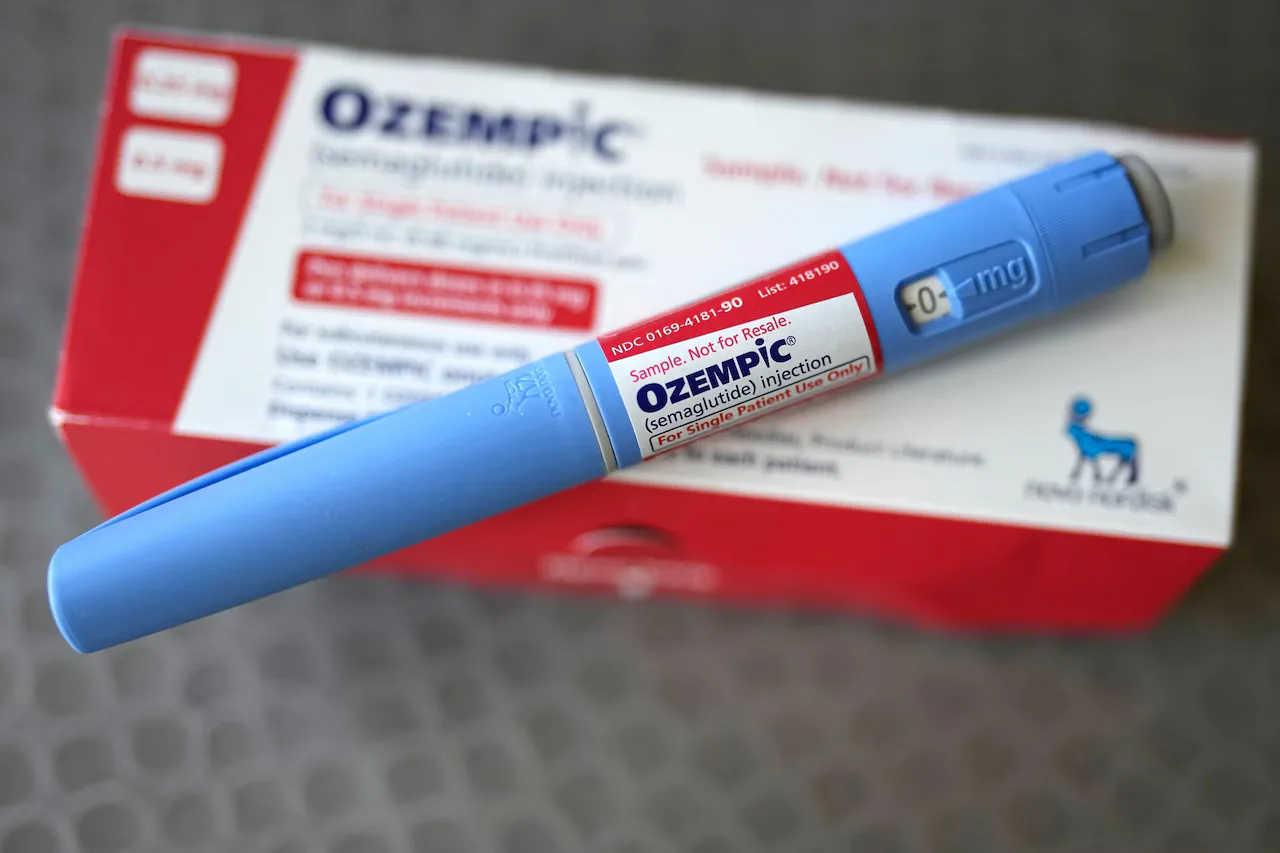
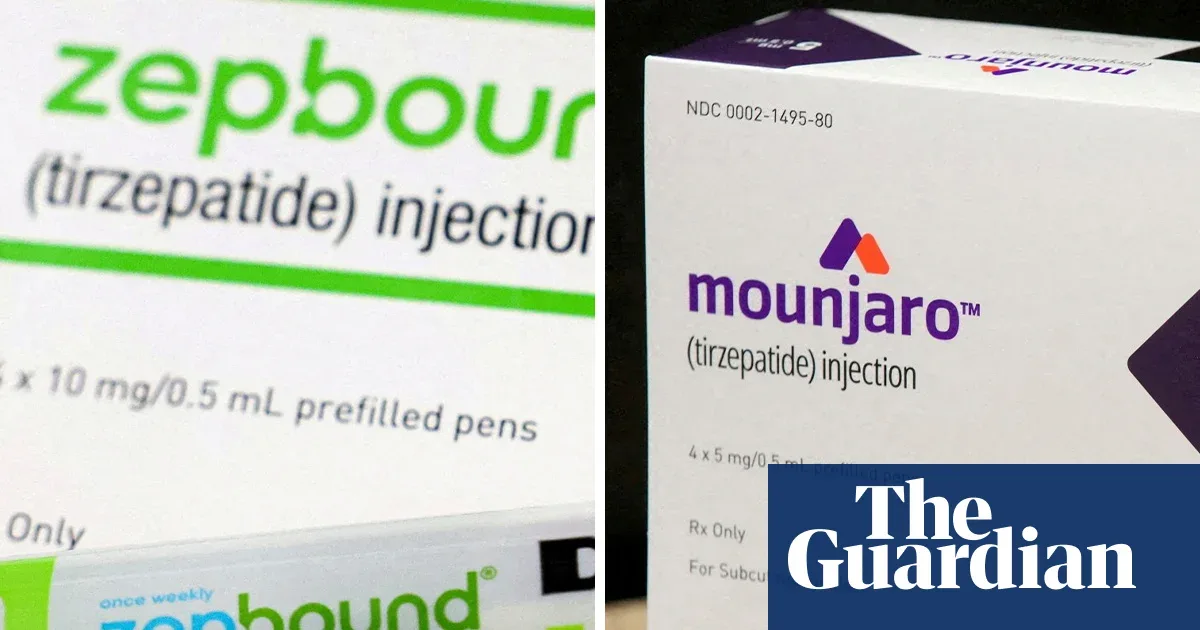
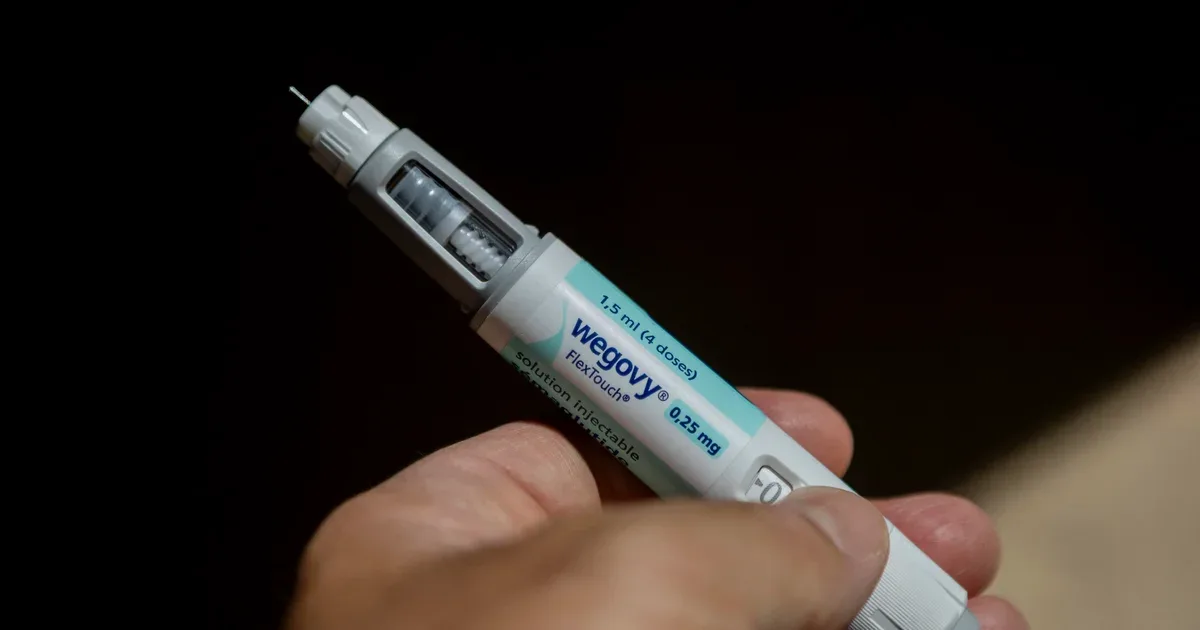
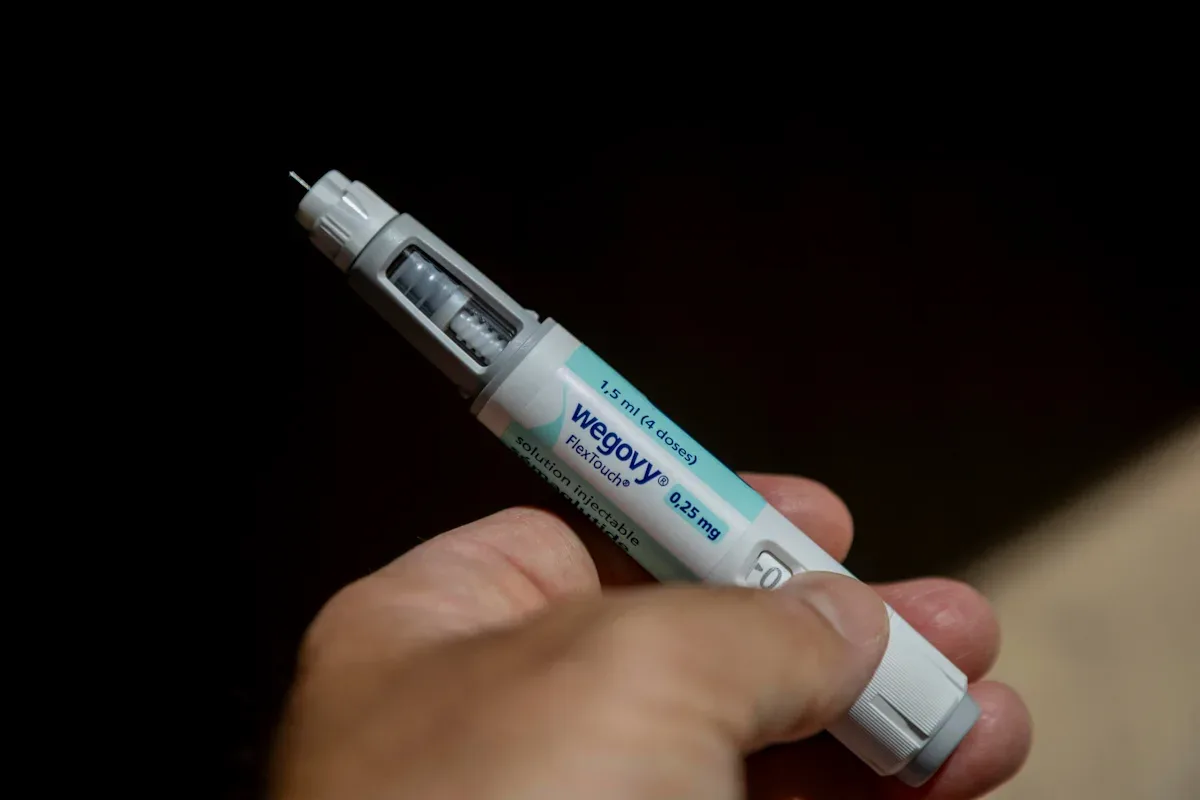
The Medicare GLP-1 Bridge program will initially cover several key GLP-1 medications that have been approved and are widely used for weight management. These include medications from leading pharmaceutical companies known for their advancements in this therapeutic class. The specific drugs designated for coverage under this pilot program are Eli Lilly's Mounjaro (tirzepatide), which is available as a daily pill, and Zepbound (tirzepatide), offered as a weekly injection. Additionally, Novo Nordisk's well-known weight-loss medication, Wegovy (semaglutide), will also be covered in both its injection and pill formulations.
The inclusion of these specific medications reflects their demonstrated efficacy in clinical trials for promoting significant weight loss and improving various metabolic health markers. By focusing on these established treatments, Medicare aims to provide beneficiaries with access to scientifically validated options for obesity management. It's worth noting that the landscape of GLP-1 medications is continually evolving, with new formulations and drugs potentially emerging. However, for the duration of this pilot program, the coverage will be limited to Mounjaro, Zepbound, and Wegovy, ensuring a clear and manageable scope for beneficiaries and healthcare providers.
How Much Will Beneficiaries Pay?
Eligible Medicare beneficiaries participating in the GLP-1 Bridge program will benefit from a significantly reduced out-of-pocket cost, with a fixed monthly copay of $50 for the covered GLP-1 medications. This flat fee is a substantial decrease from the typical costs many patients face, making these treatments more accessible. A key aspect of this program is that it operates outside of the standard Medicare Part D prescription drug coverage framework. This means that the $50 copay does not count towards a beneficiary's annual deductible or their yearly out-of-pocket maximum. This structure offers an immediate financial advantage, as beneficiaries do not need to meet a deductible to access the $50 copay, providing immediate relief.
Precision tracking for your journey
Join thousands using Shotlee to accurately track GLP-1 medications and side effects.
📱 Get the Shotlee App
Track your GLP-1 medications, peptides, and health metrics on the go with our mobile app!
However, there are important implications to understand regarding the out-of-pocket cap. While the $50 copay is manageable, it does not contribute to reaching the $2,100 out-of-pocket limit typically found in Medicare Part D plans. This means that while the monthly cost is predictable and low, any other prescription drug costs incurred throughout the year will still need to accumulate towards that separate Part D out-of-pocket maximum. Furthermore, the program strictly prohibits the use of manufacturer coupons or other discount programs to further reduce the $50 copay. Beneficiaries must pay the $50 copay directly, without any additional discounts applied.
Understanding the Clinical Criteria for GLP-1 Coverage
The clinical criteria for accessing GLP-1 medications for weight loss under the Medicare Bridge program are designed to ensure that these powerful drugs are prescribed to individuals who are most likely to benefit and for whom obesity poses significant health risks. These criteria are based on established medical guidelines and research that links higher BMI and specific comorbidities to increased health complications. By setting these benchmarks, Medicare aims to target its resources effectively and ensure that the program supports evidence-based obesity management strategies. The requirement for prior authorization, supported by a provider's attestation of these criteria, serves as a gatekeeping mechanism to uphold the program's integrity and intended purpose.
The specific BMI thresholds and associated health conditions are as follows:
| BMI Threshold | Additional Health Conditions Required |
|---|---|
| ≥ 35 | None required (obesity alone is sufficient) |
| ≥ 30 | Heart failure, uncontrolled hypertension, or chronic kidney disease |
| ≥ 27 | Prediabetes, previous heart attack or stroke, or symptomatic peripheral artery disease |
These criteria reflect a tiered approach, recognizing that individuals with higher BMIs may benefit from weight loss medication even without other significant health issues, while those with lower BMIs but existing comorbidities are also prioritized due to their elevated health risks. This structured approach ensures that the program addresses a broad spectrum of individuals struggling with obesity and its related health consequences.
The Future of GLP-1 Coverage for Weight Loss
The Medicare GLP-1 Bridge program represents a significant, albeit temporary, step towards broader coverage of weight-loss medications. Its success or failure over the 18-month pilot period will likely influence future policy decisions. If the program demonstrates positive health outcomes and cost-effectiveness, it could pave the way for a permanent expansion of Medicare benefits to include obesity pharmacotherapy. However, the current legislative landscape and the complex economics of drug pricing present ongoing challenges.
Experts like Juliette Cubanski from KFF highlight the uncertainty beyond December 2027. The program's expiration date leaves a clear gap in coverage unless CMS intervenes with an extension or Congress enacts new legislation. This interim period underscores the need for ongoing advocacy and research to solidify the long-term place of GLP-1s in Medicare's formulary for weight management. The pharmaceutical industry's role in pricing and potential future cost reductions will also be a critical factor in determining sustained affordability and access for beneficiaries.
Practical Takeaways for Beneficiaries
For Medicare beneficiaries interested in the GLP-1 Bridge program, the key takeaway is to engage proactively with your healthcare provider. Understanding your current BMI, any existing health conditions, and your Part D coverage status is essential. If you believe you might be eligible, schedule a consultation with your doctor to discuss your weight management goals and explore whether a GLP-1 medication is appropriate for you. Your provider can guide you through the prior authorization process and help you navigate the specific requirements of the program. For those who do qualify, the $50 monthly copay offers a substantial financial relief, but remember that this cost does not count towards your annual out-of-pocket maximum for other prescription drugs.
It's also wise to stay informed about the program's timeline. The pilot runs from July 1, 2026, to December 31, 2027. Keep track of any updates or announcements from Medicare regarding potential extensions or changes. While the program is designed to make these medications more accessible, it's crucial to remember that GLP-1s are part of a comprehensive weight management strategy that often includes diet, exercise, and behavioral support. For those tracking their progress, symptoms, or medication adherence, tools like the Shotlee app can be invaluable in managing their health journey effectively.
Conclusion
The Medicare GLP-1 Bridge program marks a significant and positive development for individuals struggling with obesity who are covered by Medicare. By offering a $50 monthly copay for popular GLP-1 medications like Mounjaro, Zepbound, and Wegovy, this pilot program aims to improve access and affordability for a condition that significantly impacts long-term health. While the program is temporary and its future beyond 2027 is uncertain, it represents a crucial step in recognizing obesity as a treatable medical condition deserving of Medicare coverage. Eligible beneficiaries should consult their healthcare providers to understand their options and navigate the application process. This initiative, coupled with ongoing advancements in peptide therapy and health tracking, offers renewed hope for effective and accessible weight management solutions.