
The Promise of Peptide Therapy: A New Era in Weight Management and Diabetes Care
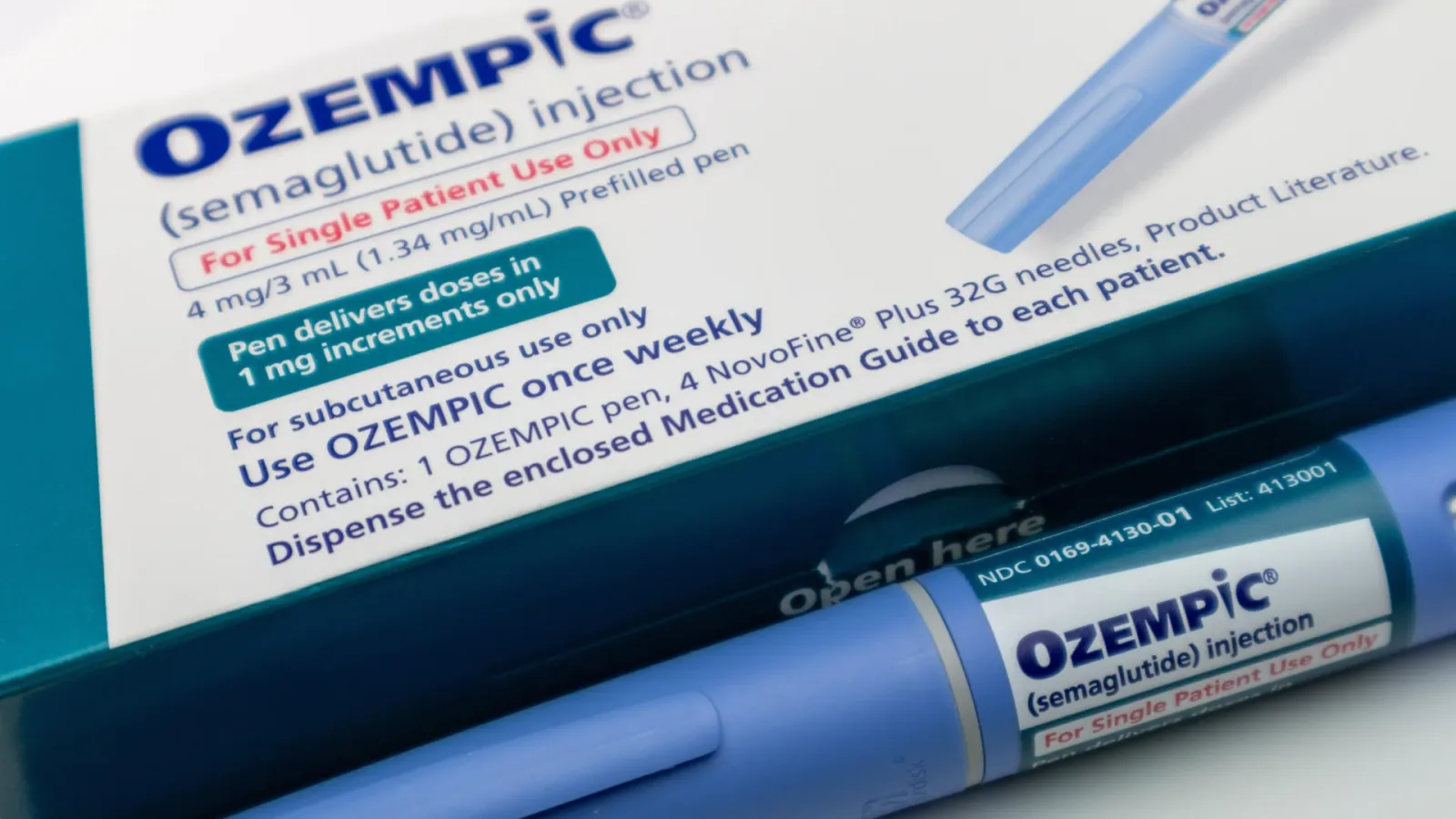
In recent years, a class of medications known as GLP-1 receptor agonists has revolutionized the approach to managing type 2 diabetes and, more recently, obesity. Drugs like semaglutide (found in Ozempic and Wegovy) and tirzepatide (found in Mounjaro) have demonstrated remarkable efficacy in helping individuals achieve significant weight loss and improve glycemic control. However, for many, the high cost of these brand-name medications presents a formidable barrier to access. This has fueled a growing anticipation for the availability of generic versions, particularly in Canada, where cost is a major concern for patients without comprehensive drug coverage.
The journey of individuals like Anne Welch, a 77-year-old retiree from Paris, Ontario, highlights the critical need for more affordable treatment options. Anne, who is not diabetic, found herself struggling with weight gain after retiring from a physically demanding job. Despite trying various lifestyle approaches, she experienced significant challenges, including intense cravings for sweets. Her doctor recognized the potential benefits of semaglutide for her weight management goals, but without a diabetes diagnosis, it was not covered by the Ontario Drug Benefit program. This is a common scenario across Canada, where public drug plans often restrict coverage for GLP-1s to diabetes treatment, leaving many individuals seeking weight loss solutions to bear the full, often prohibitive, out-of-pocket cost.
Navigating the Cost Barrier: The Quest for Generic GLP-1s
The financial strain of brand-name GLP-1 medications can be immense, often running into hundreds of dollars per month. Anne Welch’s frustration is palpable as she describes her inability to afford a drug that has helped her husband significantly. Her husband, who has type 2 diabetes, receives coverage for Ozempic, illustrating the disparity in access based on medical condition. This disparity underscores the broader challenge: while the medical community acknowledges the therapeutic value of these drugs for obesity, affordability remains the primary hurdle for a vast segment of the population.
The hope for a more accessible future lies in the emergence of generic versions of these potent medications. Semaglutide, the active ingredient in Ozempic and Wegovy, is at the forefront of this movement. Several generic semaglutide drugs are currently under review by Health Canada, with the expectation that their approval will lead to a substantial reduction in costs. Pharmaceutical policy experts suggest a tiered pricing structure for generics: the first generic entry could bring prices down to 75-85% of the brand name, with further reductions to 50% once a second generic is available, and approximately 35% when three or more generics enter the market.
For patients like Anne, even a reduction to under $150 per month could make the difference between accessing life-changing treatment and foregoing it entirely. This potential cost reduction is not just about financial relief; it's about restoring hope and enabling individuals to pursue healthier lives.
The Regulatory Landscape and Timelines for Generic Approval
Canada was positioned to be among the first countries to authorize generic semaglutide following the expiry of Novo Nordisk's patent protection in January. However, other countries, such as India, have already seen approvals for generic versions. For instance, Dr. Reddy's Laboratories, an India-based company, submitted its generic semaglutide to Health Canada for review in early 2024. The company has indicated its readiness to launch in Canada once regulatory approval is secured.
Health Canada has stated that it is on track to meet its review targets for generic semaglutide submissions, with an initial review timeline of approximately six months. However, this timeline can be extended if manufacturers are required to provide additional data. The complexity of biologics, which are produced using living organisms, means that generic versions, while pharmaceutically equivalent, require rigorous assessment to ensure they do not compromise safety, efficacy, or quality. This thorough review process is crucial for patient safety, ensuring that any differences between the generic and the brand-name drug do not negatively impact health outcomes.
Understanding the Complexity of Biologic Generics
Unlike traditional small-molecule drugs, biologics are intricate and their manufacturing processes are sensitive. Generic versions, often referred to as biosimilars (though the term is more commonly used for biologics other than peptides), must demonstrate a high degree of similarity to the reference product. This involves extensive comparative studies to confirm that the generic is as safe and effective as the original drug. Health Canada's careful review process is designed to uphold these high standards, ensuring that patients receive reliable and effective treatments.
Precision tracking for your journey
Join thousands using Shotlee to accurately track GLP-1 medications and side effects.
📱 Get the Shotlee App
Track your GLP-1 medications, peptides, and health metrics on the go with our mobile app!
Beyond Diabetes: GLP-1s for Obesity and Broader Health Benefits
The conversation around GLP-1 medications extends far beyond their established role in diabetes management. Their profound impact on weight loss has positioned them as pivotal tools in the fight against obesity, a complex chronic disease with widespread health implications. For many patients, these medications, when combined with lifestyle interventions, have been transformative.
Brenda Rogers, a 53-year-old online business manager from Vancouver, exemplifies the broader impact. After losing her job and her drug benefit plan, she found herself rationing her remaining doses of Mounjaro, a rival GLP-1 medication. Brenda has type 2 diabetes and has long struggled with her weight. She describes her experience with GLP-1s as "life-changing," noting improvements in sleep, eating habits, mobility, and cognitive function. Her current challenge is the uncertainty of continuing her health journey without affordable access to these medications. Her situation highlights the critical importance of accessibility and affordability, especially for individuals who rely on these drugs for their overall well-being and health management.
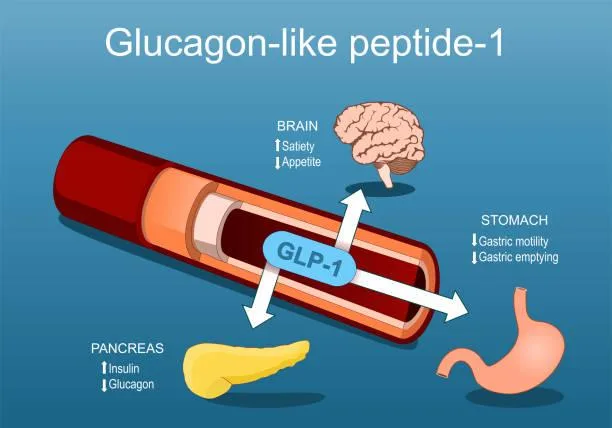
The ability of GLP-1s to promote satiety, reduce appetite, and influence metabolism has made them a cornerstone of modern weight management strategies. As research continues to uncover the full spectrum of their benefits, the demand for these therapies is expected to grow, further emphasizing the need for cost-effective solutions.
Practical Takeaways for Patients and Healthcare Providers
The evolving landscape of GLP-1 medications and the anticipation of generic options bring both challenges and opportunities. For patients, staying informed about regulatory approvals and potential cost reductions is key. Engaging with healthcare providers to discuss treatment options and explore all available avenues for coverage or financial assistance is crucial.
Healthcare providers play a vital role in guiding patients through this complex terrain. They can advocate for patient needs, provide accurate information about treatment efficacy and safety, and help navigate the intricacies of drug coverage and affordability. The development of tools that allow patients to track their medication adherence, doses, and symptom progression, such as those offered by Shotlee, can also empower individuals to take a more active role in their health management and provide valuable data to their healthcare teams.
Key Considerations for GLP-1 Therapy
- Diagnosis and Coverage: Understand the specific conditions for which GLP-1s are approved and covered by your provincial or private drug plan.
- Cost of Brand-Name Drugs: Be aware of the significant out-of-pocket expenses associated with brand-name GLP-1 medications.
- Generic Approvals: Stay informed about the progress of generic semaglutide and other GLP-1 approvals in Canada.
- Consult Your Doctor: Discuss the benefits, risks, and alternatives of GLP-1 therapy with your healthcare provider.
- Lifestyle Support: Remember that GLP-1 medications are most effective when combined with diet and exercise.
The Future of Weight Loss and Diabetes Treatment in Canada
The widespread interest in GLP-1 medications for both weight loss and diabetes management, coupled with the significant cost barriers, creates a pressing need for accessible and affordable treatments. The prospect of generic semaglutide entering the Canadian market offers a tangible solution that could democratize access to these life-altering therapies.
While the regulatory process for complex biologics can be lengthy, the ongoing reviews by Health Canada signal progress. As more generic options become available, the hope is that the cost will decrease to a point where it is manageable for a much larger segment of the population. This shift could dramatically improve health outcomes, reduce the burden of chronic diseases like obesity and type 2 diabetes, and enhance the quality of life for countless Canadians. The journey towards affordable peptide therapy is ongoing, but the current momentum suggests a brighter, more accessible future for those who stand to benefit most.
| Number of Generic Products Available | Estimated Cost Relative to Brand Name |
|---|---|
| First Generic | 75-85% |
| Two Generics | 50% |
| Three or More Generics | ~35% |