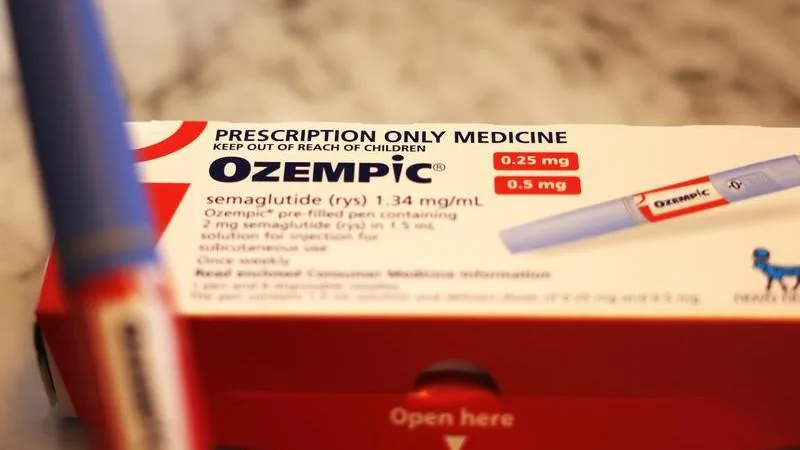

The advent of GLP-1 receptor agonists has marked a significant turning point in the management of obesity and type 2 diabetes. Medications like semaglutide (found in Ozempic and Wegovy) and tirzepatide (in Mounjaro and Zepbound) offer powerful tools for weight loss and metabolic improvement. However, emerging research suggests a potential paradox: as individuals achieve success with these medications, their commitment to other healthy lifestyle habits, particularly exercise, might wane.
A preliminary study presented at ENDO 2026, the Endocrine Society's annual meeting, has shed light on this intriguing phenomenon. Researchers examined activity data from individuals prescribed GLP-1 medications and discovered a notable decrease in their physical activity levels post-prescription. This finding underscores a critical point: while pharmacologic interventions are highly effective, they should not overshadow the foundational importance of exercise in a comprehensive health strategy.
The GLP-1 Advantage and the Exercise Question
GLP-1 receptor agonists work by mimicking the action of the naturally occurring hormone glucagon-like peptide-1. This leads to several beneficial effects, including:
- Increased insulin secretion and reduced glucagon secretion, helping to lower blood glucose levels.
- Delayed gastric emptying, which promotes a feeling of fullness and reduces appetite.
- Direct effects on the brain that further suppress appetite and increase satiety.
These mechanisms contribute to significant weight loss, often exceeding what can be achieved through diet and exercise alone. For many, this offers a renewed sense of hope and improved health outcomes. However, the traditional recommendation of combining diet with exercise for weight management has long been rooted in the understanding that exercise plays a vital role beyond just calorie expenditure.
When individuals lose weight, they typically shed both fat and lean body mass, which includes muscle. Muscle is crucial for maintaining metabolism, physical strength, mobility, and overall functional capacity. Exercise, particularly resistance training, is essential for preserving lean muscle mass during weight loss, preventing the metabolic slowdown that can occur and ensuring that weight loss translates into sustainable health improvements rather than frailty.
Understanding the New Research Findings
The study in question, conducted by doctors from HSHS Saint John's Hospital in Illinois and their colleagues, leveraged data from the All of Us research program. This large-scale initiative collects health information from a diverse population of Americans. The researchers specifically analyzed data from 753 participants who were prescribed a GLP-1 medication for obesity and had wearable activity tracker data (like Fitbits) available both before and after starting their prescription.
The GLP-1 medications included in the study spanned newer agents like semaglutide and tirzepatide, as well as older ones such as liraglutide and dulaglutide. The findings revealed a consistent trend across these medications:
- Average Daily Steps: Participants' average daily step count decreased from 5,047 before starting a GLP-1 to 4,487 after initiation.
- Moderate-to-Vigorous Physical Activity (MVPA): The average daily duration of MVPA dropped from 28 minutes to 22 minutes.
The decline in physical activity was observed to be more pronounced in certain groups:
- Men
- Individuals reporting some degree of musculoskeletal pain
These observations suggest that the effectiveness of GLP-1 medications in promoting weight loss might inadvertently lead some individuals to perceive exercise as less necessary, or perhaps the medications themselves subtly influence motivation or energy levels related to physical exertion.
Precision tracking for your journey
Join thousands using Shotlee to accurately track GLP-1 medications and side effects.
📱 Get the Shotlee App
Track your GLP-1 medications, peptides, and health metrics on the go with our mobile app!
The Importance of Preserving Muscle Mass
While the study is preliminary and requires further validation, its implications are significant. The potential for reduced physical activity raises concerns about muscle loss, even if other research indicates that significant muscle mass decline is not a universal issue with GLP-1s and that overall physical functioning can improve.
Consider the following:
| Factor | Role in Weight Loss & Health | Impact of Reduced Exercise |
|---|---|---|
| Fat Loss | Primary goal for many; improves metabolic health and reduces cardiovascular risk. | GLP-1s are highly effective at promoting fat loss. |
| Lean Muscle Mass | Essential for metabolism, strength, mobility, and long-term weight maintenance. | Risk of loss if not actively maintained through exercise, especially resistance training. |
| Metabolic Rate | Higher muscle mass supports a higher resting metabolic rate. | Reduced muscle mass can lead to a slower metabolism, making weight maintenance harder. |
| Functional Capacity | Ability to perform daily activities with ease and maintain independence. | Loss of muscle strength and endurance can impair daily function. |
The researchers themselves noted, "These findings suggest that weight loss alone may not promote increased physical activity, highlighting the need for targeted interventions that encourage physical activity alongside pharmacologic therapy." This emphasizes that while GLP-1s are powerful tools, they are most effective when integrated into a holistic approach to health.
Integrating Exercise into GLP-1 Therapy
The findings from this study serve as a crucial reminder for both healthcare providers and patients. The goal of weight management is not just a number on the scale, but a sustainable improvement in overall health, well-being, and quality of life. Exercise is a cornerstone of this objective.
Here’s how to approach exercise while on GLP-1 medications:
- Consult Your Doctor: Discuss your exercise plans with your healthcare provider. They can help you tailor a safe and effective fitness regimen based on your individual health status, any underlying conditions, and the GLP-1 medication you are taking.
- Prioritize Consistency: Aim for regular physical activity most days of the week. This doesn't necessarily mean intense workouts; even brisk walking, cycling, swimming, or dancing can make a significant difference.
- Incorporate Strength Training: To preserve and build muscle mass, resistance exercises are vital. This can include lifting weights, using resistance bands, or performing bodyweight exercises like squats and push-ups.
- Listen to Your Body: GLP-1 medications can sometimes cause side effects like nausea or fatigue. Pay attention to how your body feels and adjust your exercise intensity and duration accordingly.
- Track Your Progress: Using tools like the Shotlee app can be invaluable. It allows you to meticulously log your exercise sessions, track your activity levels, monitor your doses, and record any symptoms or side effects. This comprehensive data can help you and your doctor identify patterns, make informed adjustments to your treatment plan, and stay motivated.
- Set Realistic Goals: Focus on gradual improvements rather than drastic changes. Celebrate small victories to maintain momentum.
For individuals experiencing musculoskeletal pain, finding low-impact exercises such as swimming, water aerobics, or cycling can be beneficial. Physical therapy may also be a valuable resource for developing safe and effective exercise strategies.
Conclusion
GLP-1 receptor agonists like Ozempic, Wegovy, Mounjaro, and Zepbound represent a monumental advancement in the fight against obesity and metabolic disease. They offer profound benefits that can transform lives. However, the recent findings suggesting a potential decline in physical activity among users highlight the need for a balanced perspective.
Exercise remains an indispensable component of a healthy lifestyle, crucial for preserving muscle mass, boosting metabolism, enhancing cardiovascular health, and improving overall well-being. Healthcare providers should proactively encourage and guide their patients on maintaining or establishing exercise routines alongside their GLP-1 therapy. Patients, in turn, should remain diligent in their commitment to physical activity, recognizing it as a partner to their medication in achieving long-term health success.
By embracing a comprehensive approach that combines the power of GLP-1 medications with the enduring benefits of exercise, individuals can navigate their weight loss journey more effectively and build a foundation for lasting health.