
Why Did Nadine Dorries Regain Weight After Stopping Mounjaro?
Nadine Dorries regained weight after stopping Mounjaro injections primarily due to the physiological rebound effect common with GLP-1 agonists combined with significant lifestyle disruptions. When patients cease tirzepatide therapy, the appetite-suppressing mechanisms that controlled hunger signals diminish, often leading to increased caloric intake if dietary habits have not fully solidified. In Dorries' case, specific stressors such as home renovations, social events, and holiday travel created a perfect storm for weight regain. She reported that her BMI nudged back into the overweight category within months, proving that weight maintenance is often as challenging as the initial loss. This scenario highlights why many individuals struggle to sustain a 2.5 stone loss without ongoing medical support or strict behavioral protocols. Without the medication to dampen food noise, the body naturally seeks energy density, especially when routine stability is compromised by external chaos.
Initially, Dorries maintained her weight through willpower, walking dogs, and eating well for several months. However, the sustained effort became unsustainable during high-stress periods like the summer holidays and home renovation projects. She noted that her jeans became tight overnight, signaling a rapid shift in her body composition. The lack of a functioning kitchen during renovations further complicated her ability to meal plan, forcing her to rely on cafes and restaurants where portion control is difficult. This experience underscores the fragility of relying solely on behavioral changes when environmental factors are working against the patient.
Her regain also brought back health risks she had previously managed, such as pre-diabetes and high cholesterol. This realization prompted her to reconsider her long-term strategy regarding weight management medications. It serves as a case study for how easily weight loss can be reversed when the underlying physiological drivers are not supported by continued treatment.
What Is Mounjaro Maintenance Dosing and Does It Work?
Many patients discover that a reduced dose of tirzepatide can effectively maintain weight loss without the full caloric deficit required by the initial therapy phase. Dorries' friend utilized a 1.5mg weekly dose, which is less than the standard 2.5mg therapeutic target, to control hunger signals while reducing monthly costs. This approach allows users to keep the medication's metabolic benefits active, preventing the physiological urge to overeat during high-stress periods like summer holidays. Clinical evidence suggests that lower maintenance doses can sustain the weight loss achieved during the titration phase by keeping appetite regulation stable. By administering a micro-dose, patients can manage their intake without experiencing the full side effects or financial burden of a higher regimen. This strategy was particularly useful for Dorries during her renovation project when meal planning was impossible. It provided a safety net against the inevitable caloric surges associated with social gatherings and lack of kitchen access.
The friend who suggested this approach had lost 4 stone and maintained it for months without any regain on the lower dose. She explained that on the days following her injection, she naturally ate smaller portions, often using side plates. Four days before her next dose, she returned to normal portions, indicating that the medication's effect on satiety is cyclical. This method allows for flexibility in eating habits while still benefiting from the drug's impact on insulin sensitivity and gastric emptying.
Dorries adopted this strategy after her doctor prescribed the maintenance dose once her BMI returned to the overweight category. She views this not as a failure of discipline, but as a necessary adjustment to her physiology. It aligns with how other chronic conditions are managed, where ongoing medication supports stability rather than just acute treatment.
How Do Prescribing Guidelines Impact Access to Weight Loss Injections?
Current prescribing guidelines for GLP-1 medications often restrict access to patients who meet specific BMI thresholds, excluding those who struggle with weight management despite being technically within a normal range. Dorries criticized these regulations, noting that women face higher barriers to entry than men purchasing over-the-counter erectile dysfunction medications. The requirement to prove obesity or overweight status before accessing drugs like Mounjaro can delay treatment for individuals at risk of metabolic complications like pre-diabetes. This disparity creates a situation where patients must sometimes seek unauthorized providers to receive necessary care for their health conditions. Advocates argue that early intervention with maintenance dosing could prevent long-term health risks associated with weight fluctuation. Consequently, many patients feel forced to use desperate tactics rather than receiving timely medical support for their specific physiological needs.
She pointed out that men can buy Viagra without a prescription, yet women must jump through hoops to access weight loss support. This double standard ignores the fact that weight management is a complex medical issue requiring similar accessibility to other health interventions. The current system often penalizes individuals who are proactive about their health but fall just short of the strict clinical criteria for treatment.
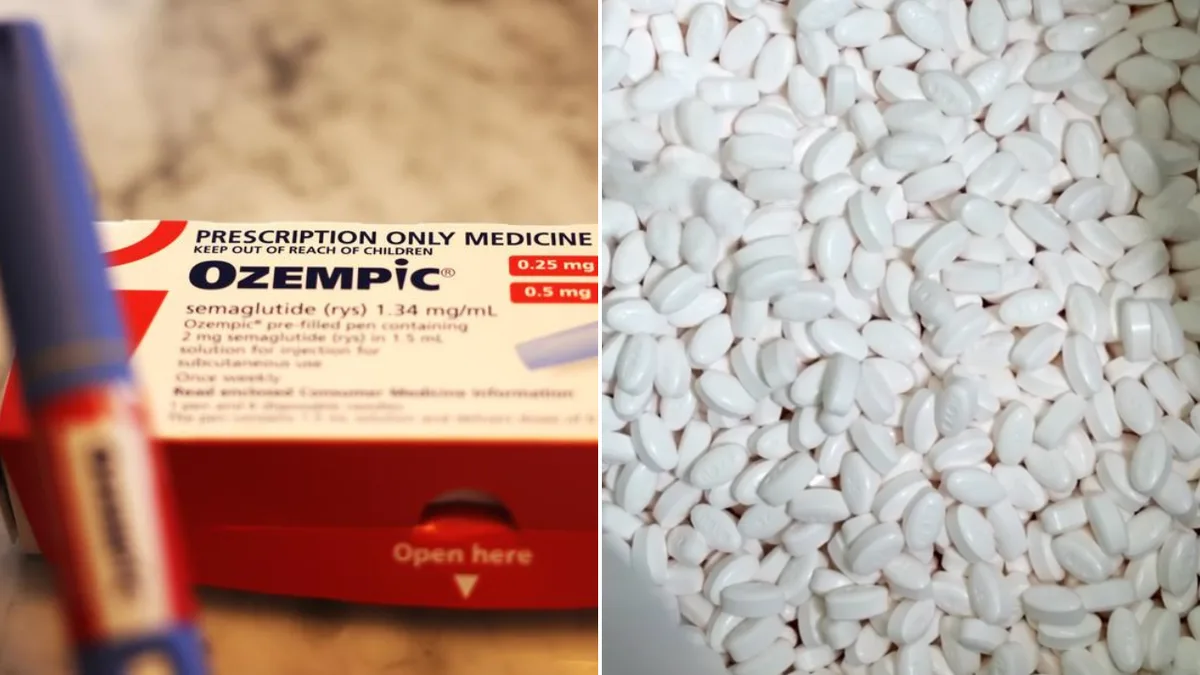
For patients using similar medications like Ozempic or Wegovy, these guidelines also apply, creating a widespread issue across the GLP-1 class of drugs. Reforming these protocols could improve public health outcomes by allowing earlier intervention before significant weight gain occurs.
Precision tracking for your journey
Join thousands using Shotlee to accurately track GLP-1 medications and side effects.
📱 Get the Shotlee App
Track your GLP-1 medications, peptides, and health metrics on the go with our mobile app!
Can GLP-1 Medications Help Prevent Summer Weight Gain?
Seasonal weight gain is a common phenomenon driven by increased social eating, alcohol consumption, and reduced physical activity during warmer months. Dorries found that summer holidays and Friday evening drinks parties made it difficult to resist temptations without pharmacological support. Using a maintenance dose of Mounjaro during these periods can help regulate portion sizes and reduce the psychological urge to overindulge. Health tracking tools, such as Shotlee, allow patients to monitor their weight fluctuations and medication adherence alongside lifestyle changes. By correlating dose timing with social events, users can anticipate and manage potential weight spikes more effectively. This proactive approach helps individuals stay within their target weight range even when their routine is disrupted by travel or family obligations. It turns a passive struggle into an active management strategy supported by medical guidance.
She noted that the summer was trickier than Christmas because the temptation lasts longer. With weddings, family holidays, and regular drinks parties, the sustained willpower required was too much to maintain without support. The maintenance dose allowed her to enjoy these events without the anxiety of immediate weight regain.
Tracking data like weight and symptoms during these periods is crucial for long-term success. It helps identify patterns where lifestyle factors might override the medication's benefits, allowing for timely adjustments to the treatment plan.
Comparison of Dosing Strategies
| Strategy | Dose Level | Primary Goal | Cost Impact |
|---|---|---|---|
| Initial Weight Loss | 2.5mg+ (Titration) | Significant Weight Reduction | Higher Monthly Cost |
| Maintenance | 1.5mg (Micro-dose) | Prevent Regain | Lower Monthly Cost |
| No Medication | N/A | Willpower Only | Lowest Cost |
Practical Takeaways for Patients
- Plan for Maintenance: Discuss maintenance dosing with your doctor before stopping treatment to prevent regain.
- Track Your Progress: Use health tracking apps to monitor weight and symptoms alongside medication adherence.
- Understand the Physiology: Recognize that appetite signals return when medication is stopped, requiring behavioral adjustments.
- Manage Triggers: Identify high-risk periods like holidays or renovations and prepare strategies in advance.
- Advocate for Access: Understand the current prescribing guidelines and discuss your specific health needs with your provider.
Conclusion
Nadine Dorries' experience highlights the critical importance of long-term planning in weight loss journeys. While initial weight loss can be achieved through medication and lifestyle changes, maintaining that loss often requires ongoing support. Utilizing a maintenance dose of tirzepatide can bridge the gap between active treatment and lifestyle stability. By accepting that medication may be needed for life-long management, patients can avoid the cycle of regain and regain the health benefits they initially achieved. This approach prioritizes health and confidence over short-term savings or stigma, ensuring that the results of the initial journey are preserved for the future.
Frequently Asked Questions
-
What is Mounjaro maintenance dosing?
Mounjaro maintenance dosing involves using a lower, consistent dose of tirzepatide after the initial weight loss phase to prevent regain. It typically uses a lower dose, such as 1.5mg, to manage appetite without the full intensity of the titration phase.
-
Why did Nadine Dorries regain weight after stopping Mounjaro?
She regained weight due to physiological rebound effects and lifestyle disruptions like renovations and holidays. Without the medication to suppress hunger, her body reverted to previous eating patterns during stressful times.
-
Is Mounjaro maintenance dose safe?
Yes, when prescribed by a doctor. It is often used to sustain weight loss and manage metabolic health. Patients should consult their healthcare provider to determine the appropriate dose for their specific needs.
-
How does lifestyle affect GLP-1 results?
Lifestyle factors like diet, exercise, and stress significantly impact results. Even with medication, poor meal planning or high-calorie social events can lead to weight gain if the medication dose is not adjusted to match the demand.
-
What are the current prescribing guidelines for weight loss?
Guidelines often require patients to meet specific BMI thresholds to access GLP-1 medications. Critics argue these rules limit access for those who need support but do not meet the strict criteria, creating disparities in care.