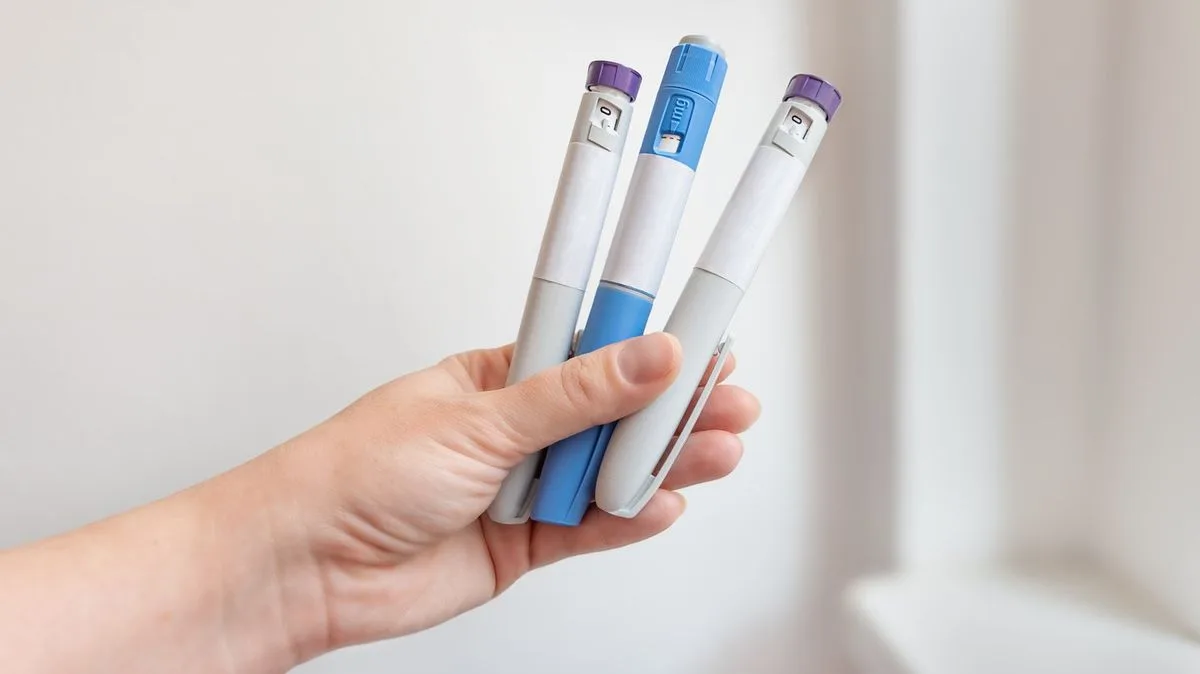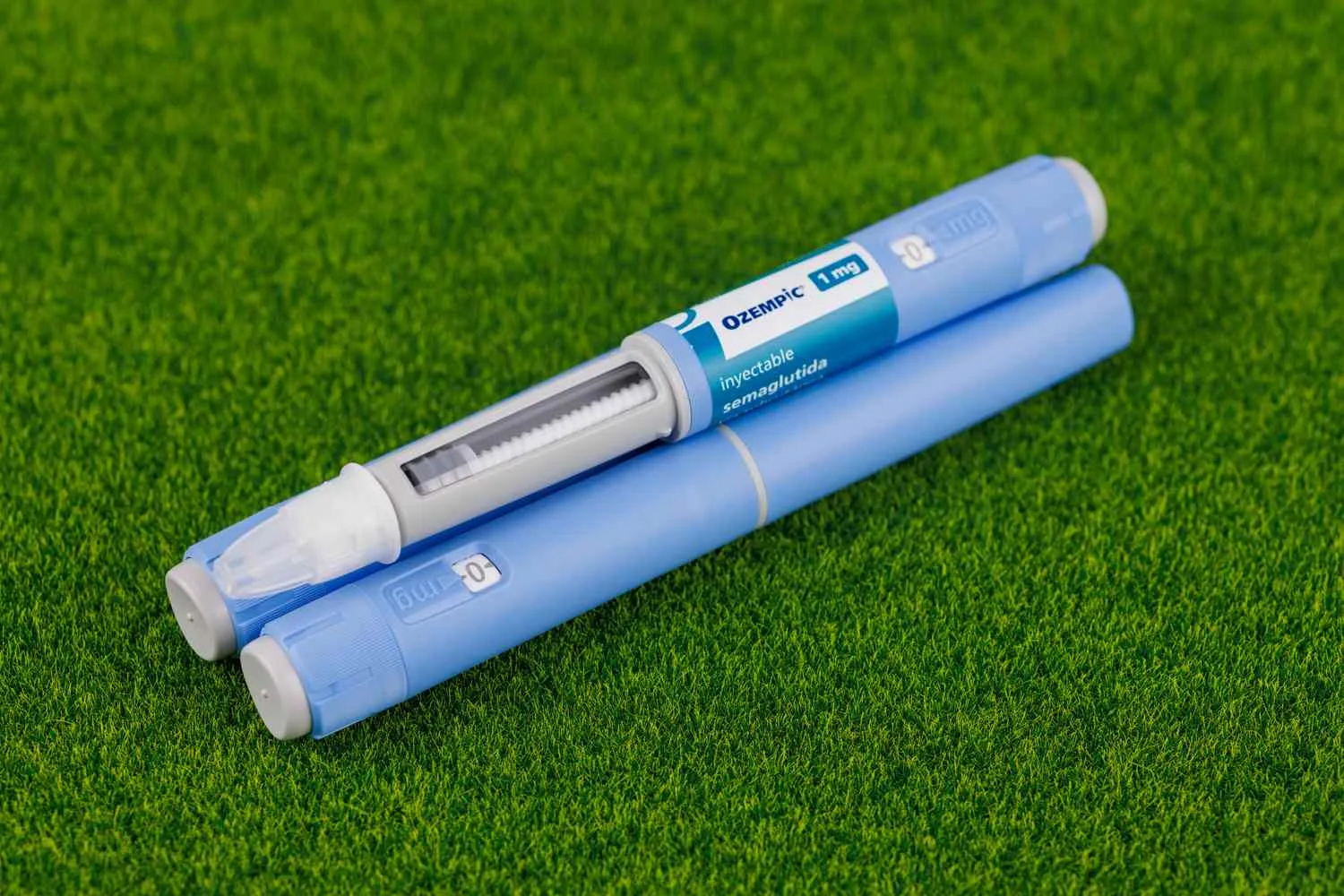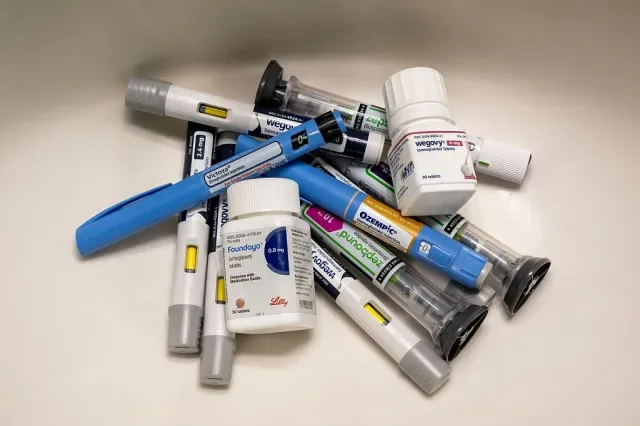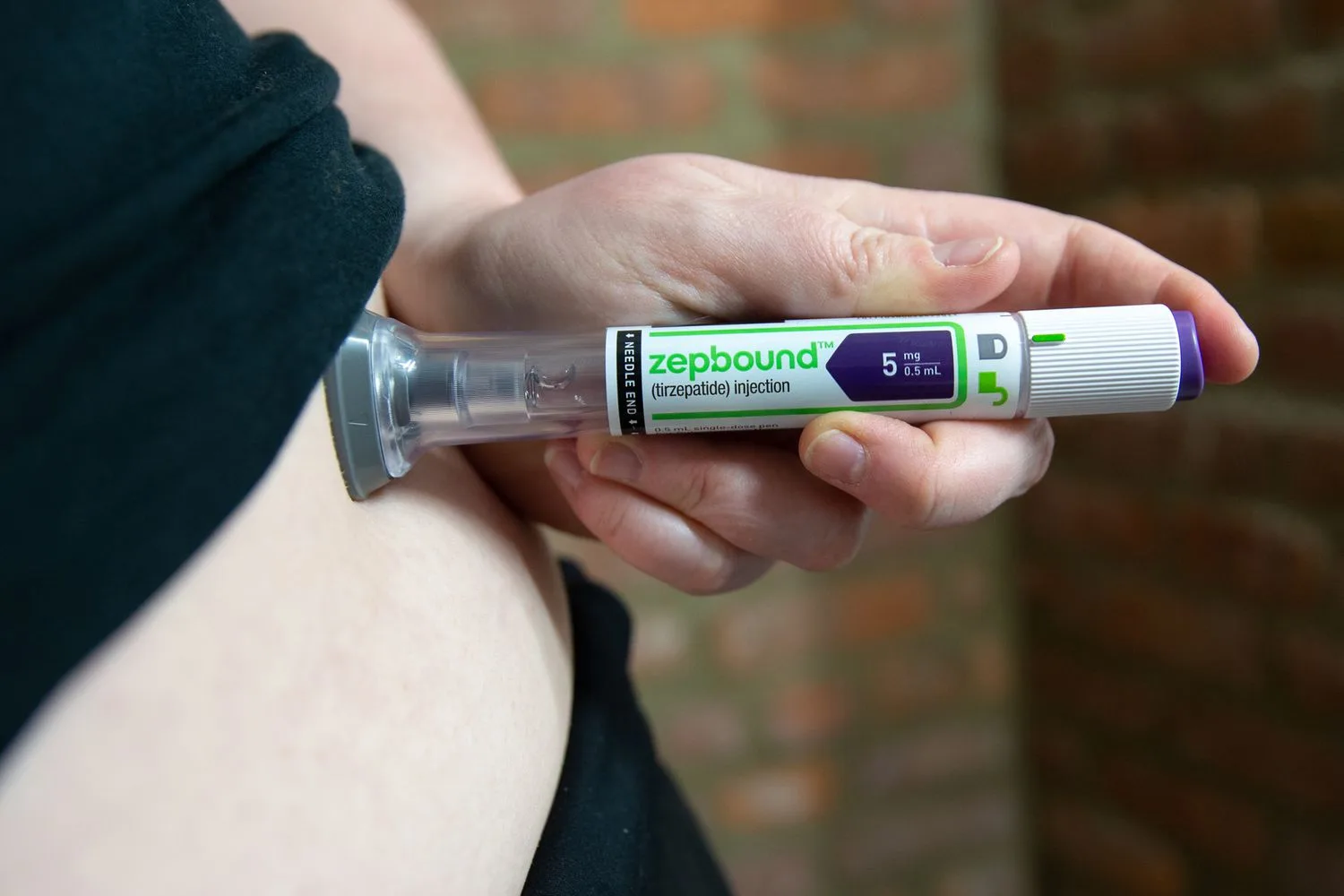

The allure of rapid weight loss has fueled a significant surge in demand for injectable medications like semaglutide (Ozempic, Wegovy) and tirzepatide (Mounjaro). These GLP-1 receptor agonists and dual GIP/GLP-1 receptor agonists have revolutionized weight management for many, offering substantial reductions in body weight and improvements in related health markers. However, for individuals who find these prescription treatments financially prohibitive, a dangerous alternative is emerging: the illicit market for unapproved, DIY weight loss injections.
This trend, often driven by desperation and the high cost of legitimate pharmaceuticals, involves individuals purchasing substances like Retatrutide – an experimental triple-agonist peptide – from unregulated online sources. These products are frequently marketed for "research purposes only" and are not approved for human use, yet they are being mixed and self-administered by consumers, posing significant health risks.
The High Cost of Approved Weight Loss Medications
For many battling obesity, the journey to a healthier weight has been profoundly impacted by the advent of GLP-1 agonists and related therapies. Medications like Mounjaro and Wegovy have demonstrated remarkable efficacy in clinical trials and real-world settings, leading to significant and sustained weight loss for many patients. However, the high price tag associated with these medications presents a substantial barrier for a significant portion of the population.
Prescription weight loss drugs can cost hundreds, or even thousands, of dollars per month, even with insurance coverage, which is not always guaranteed. This financial burden forces many individuals to make difficult choices. When the effectiveness of these drugs is coupled with the fear of weight regain upon discontinuation, the temptation to seek cheaper alternatives becomes overwhelming.
The Rebound Effect: Why Stopping Can Be Difficult
A common concern raised by patients and healthcare providers alike is the potential for significant weight regain after discontinuing GLP-1 receptor agonists. Studies have indicated that a substantial percentage of individuals may regain a significant portion of their lost weight within a year of stopping these medications. This phenomenon, sometimes referred to as the "rebound effect," can be disheartening and contribute to feelings of failure, further fueling the search for continuous, albeit potentially unsafe, weight management solutions.
For instance, one individual shared their experience of regaining two stone (approximately 28 pounds) in less than two months after stopping Mounjaro due to its cost. This rapid return of weight amplified their distress and pushed them towards seeking out unapproved alternatives.
The Rise of DIY 'Skinny Jabs' and Retatrutide
In response to the financial strain of approved medications, an underground market for unapproved weight loss substances has flourished. These are often sourced through social media platforms, online forums, and dubious websites, frequently originating from overseas and potentially manufactured in unregulated "pop-up labs" or by organized crime gangs. Retatrutide, a potent triple-agonist peptide that mimics multiple gut hormones to suppress appetite and promote weight loss, has become a focal point of this illicit trade.
Retatrutide is still in experimental stages and undergoing clinical trials, meaning its long-term safety and efficacy for widespread public use are not yet established. However, it is being marketed and sold illegally, often in vials intended for "research purposes only." Consumers are then left to procure their own syringes and diluents, and critically, to mix the compounds themselves – a process fraught with peril.
The Dangers of Unregulated Products
The risks associated with these DIY injections are multifaceted and severe:
- Unknown Contents: There is no guarantee of what is actually inside these vials. They could contain the advertised substance in the wrong concentration, inactive ingredients, or even toxic contaminants.
- Improper Dosing: Without professional guidance, individuals are likely to administer incorrect doses, leading to either ineffectiveness or dangerous side effects.
- Sterility Concerns: The process of mixing and injecting these substances outside of a sterile medical environment significantly increases the risk of infection, abscesses, and other serious complications.
- Lack of Medical Oversight: Users do not undergo necessary health screenings or receive medical support, meaning underlying conditions that could be exacerbated by these drugs are not identified.
Authorities in the UK, for example, have reported raids uncovering large quantities of these "grey market" weight-loss medications, highlighting the scale of the problem. The lack of regulation means these products do not meet the stringent quality and safety standards required for pharmaceuticals.
Precision tracking for your journey
Join thousands using Shotlee to accurately track GLP-1 medications and side effects.
📱 Get the Shotlee App
Track your GLP-1 medications, peptides, and health metrics on the go with our mobile app!
Expert Warnings and Potential Risks
Medical professionals and regulatory bodies are issuing urgent warnings against the use of these unapproved injections. Dr. Hussain Al-Zubaidi emphasizes the extreme danger, stating, "Buying unlicensed weight‑loss injections online is extremely dangerous, you have no idea what you're injecting, no safety checks, and no medical support." He stresses the importance of adhering to treatments prescribed by reputable healthcare providers, coupled with robust lifestyle support, rather than gambling with one's health.
The Medicines and Healthcare products Regulatory Agency (MHRA) in the UK reiterates these concerns. Andy Morling of the MHRA warns that products sold outside of authorized clinical trials are likely illegal and potentially dangerous, exposing users to incorrect doses or hazardous ingredients.
Observed Side Effects and Dangers
While clinical trials for legitimate drugs like Retatrutide are ongoing, the side effects observed in these controlled settings are primarily gastrointestinal (nausea, vomiting, diarrhea, constipation). However, in more serious cases, potential risks such as gallbladder issues, pancreatitis, and elevated heart rate have been flagged.
Individuals resorting to DIY injections report experiencing a range of adverse effects, including severe nausea, hair loss, vomiting, constipation, intense stomach cramps, and episodes of rapid heart rate. One individual described experiencing vomiting and cramping so severe that they felt they might need hospitalization, alongside a significantly increased heart rate.
| Risk Category | Specific Dangers |
|---|---|
| Product Purity & Safety | Unknown active ingredients, incorrect concentrations, toxic contaminants, undeclared substances. |
| Administration Errors | Dosing errors (too high or too low), improper injection technique, lack of sterile environment leading to infection. |
| Health Consequences | Severe gastrointestinal distress, metabolic imbalances, cardiovascular issues (e.g., rapid heart rate), pancreatitis, gallbladder problems, allergic reactions, psychological distress. |
| Lack of Support | Absence of medical screening, no professional monitoring, no support for adverse events or long-term management. |
The Psychological Grip of Weight and the 'Skinny Jab' Spiral
The narrative of individuals turning to dangerous alternatives is often rooted in a deep-seated fear of weight gain and a lifelong struggle with body image. The promise of a quick fix, a "miracle" weight loss, can be incredibly powerful. When the weight returns, the emotional toll is immense, often leading to renewed feelings of shame and desperation.
This cycle can trap individuals in what is described as a "skinny jab rabbit hole," where the perceived lack of other options forces them to continue with potentially life-threatening practices. The fear of returning to a heavier body weight can overshadow the awareness of the immediate dangers posed by unregulated substances.
Shotlee's Role in Health Tracking
For individuals navigating complex weight management journeys, whether with approved medications or seeking to understand their health metrics, robust tracking is essential. Tools like Shotlee can be invaluable for monitoring weight fluctuations, noting symptom occurrences (like nausea or cramping), tracking medication or injection doses, and logging overall health data. This comprehensive approach to health tracking empowers individuals to have more informed conversations with healthcare providers and to better understand their body's responses to different interventions, even in challenging circumstances.
Conclusion: Prioritizing Safety Over Shortcuts
The growing trend of DIY, unapproved weight loss injections highlights a critical intersection of unmet medical needs, financial barriers, and the pervasive influence of online misinformation. While the desire for weight loss is understandable, the pursuit of shortcuts through unregulated channels carries devastating risks. The potential for serious health consequences, including poisoning, infection, and organ damage, far outweighs any perceived benefits.
Healthcare professionals strongly advise against sourcing or using any medication from unregulated suppliers. Instead, individuals struggling with weight management should consult with qualified healthcare providers to explore safe, evidence-based treatment options. This includes discussing the benefits and risks of approved medications, lifestyle modifications, and comprehensive support programs designed for sustainable health outcomes. Prioritizing safety and professional guidance is paramount when it comes to one's health.