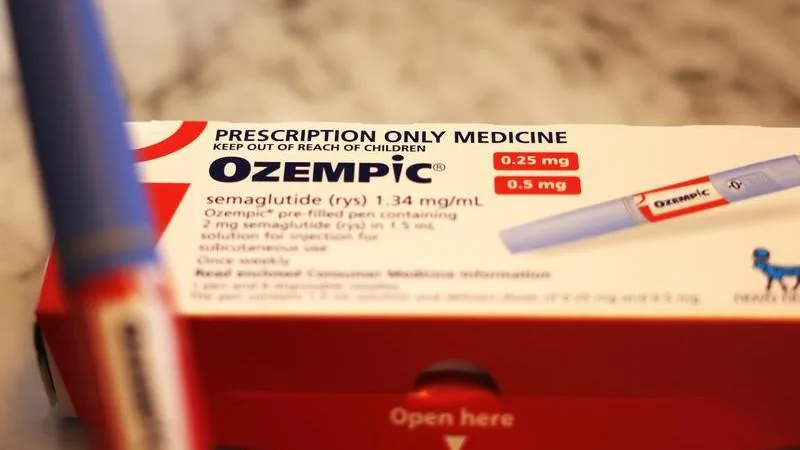

The current landscape of healthcare is defined by an overwhelming abundance of information, often described by the World Health Organization as an infodemic. This environment makes it increasingly difficult for individuals to distinguish between trustworthy medical guidance and misinformation. In South Africa, the controversy surrounding semaglutide has become a focal point for these broader systemic issues, moving beyond simple discussions of price or availability.
What began as a conversation about an innovative treatment for obesity and type 2 diabetes has evolved into a complex debate exposing fundamental questions about access, affordability, and the role of the pharmaceutical industry. While the clinical efficacy of these medications is well-documented, the real challenge lies in the public's confidence in the institutions responsible for regulating and distributing them. Patients are left navigating a maze of conflicting claims from manufacturers, compounding pharmacies, and social media influencers without a clear path to safety.
Why Is the Semaglutide Debate Causing Such Deep Public Distrust?
The semaglutide debate exposes a fundamental crisis where patients must choose between conflicting authorities rather than relying on a single trusted system. While clinical evidence supports the drug's efficacy for obesity and type 2 diabetes, the real barrier is the erosion of confidence in the institutions managing its distribution. Patients face a flood of information from pharmaceutical companies, compounding pharmacies, regulators, and social media influencers, making it nearly impossible to independently verify safety standards or supply chain integrity. Consequently, the decision to use the medication relies heavily on perceived credibility rather than just medical data. This dynamic creates a dangerous environment where misinformation spreads faster than verified guidance, leaving vulnerable individuals to navigate complex health choices without reliable support.
This erosion of trust is not unique to semaglutide but is particularly visible in the current South African context. When patients cannot verify the quality of the medicine they are receiving, they must rely on the reputation of the entity selling it. If that reputation is damaged by legal disputes or regulatory warnings, the entire system of care is compromised.
How Do Regulatory Bodies Like SAHPRA Ensure Patient Safety With GLP-1 Medications?
Regulatory bodies like the South African Health Products Regulatory Authority enforce strict guidelines to ensure medicines meet established standards of quality, safety, and efficacy before reaching patients. SAHPRA has issued specific notices warning against the unlawful manufacture and sale of compounded GLP-1 medicines that fall outside approved pathways. These regulations exist to protect consumers from products that may lack sterility, accurate dosing, or proper pharmacovigilance systems. When medicines are produced outside these frameworks, they bypass the rigorous testing required for registered drugs like Ozempic or Wegovy. This oversight is critical because compromised manufacturing can lead to serious adverse events that regulators cannot track or mitigate effectively.
The regulator's stance is designed to maintain a safety net for the public. By restricting the sale of unapproved compounded versions, they aim to prevent a scenario where patients unknowingly consume products with unknown concentrations or contaminants.
What Are the Risks of Using Compounded Semaglutide Versus Approved Versions?
Using compounded semaglutide carries significant risks because these products often lack the comprehensive evidence and quality assurance protocols associated with registered pharmaceuticals. Unlike approved versions manufactured by companies like Novo Nordisk, compounded alternatives are not subject to the same post-market surveillance or batch testing requirements. This means patients cannot be certain about the purity, concentration, or stability of the active ingredient they are injecting into their bodies. In a system designed to prioritize patient safety, the absence of standardized manufacturing oversight introduces unpredictable variables that could compromise therapeutic outcomes. Therefore, while compounding addresses affordability, it simultaneously removes layers of protection that safeguard long-term health.
Precision tracking for your journey
Join thousands using Shotlee to accurately track GLP-1 medications and side effects.
📱 Get the Shotlee App
Track your GLP-1 medications, peptides, and health metrics on the go with our mobile app!
Compounding is traditionally intended for individualized patient needs that cannot be met by standard products. However, when it scales to mass production without regulatory approval, it steps into a gray area where patient safety is no longer guaranteed by established medical standards.
Why Does Public Trust Matter More Than Scientific Evidence in Healthcare Decisions?
Public trust matters more than scientific evidence because patients evaluate the credibility of the messenger before they process the facts themselves. Research into risk communication shows that behavior change depends less on the quality of data and more on whether the source is perceived as trustworthy and transparent. When institutions fail to explain the reasoning behind their decisions, the public fills the void with speculation, conspiracy, or personal anecdotes found on social media platforms. This disconnect means that even robust clinical trials may fail to influence behavior if the organizations presenting them are viewed with suspicion. Ultimately, healthcare relies on a network of relationships built on confidence, and without that foundation, medical guidelines lose their authority and impact.
This psychological reality means that communication strategy is just as important as clinical data. If a regulator or manufacturer cannot explain their decisions clearly, they risk losing the public's confidence regardless of the scientific merit of their position.
How Can Patients Navigate Conflicting Information About Weight Loss Medications?
Patients can navigate conflicting information by prioritizing verified sources and utilizing tools that help them track their health data alongside professional medical advice. It is essential to consult qualified healthcare providers who can interpret clinical evidence and distinguish between marketing claims and scientific reality. Using platforms like Shotlee can assist in monitoring symptoms, doses, and weight changes objectively, providing concrete data to discuss with a doctor rather than relying on anecdotal success stories. Patients should also be wary of influencers who lack medical credentials and focus on dramatic transformations without disclosing potential side effects. Establishing a direct line of communication with a trusted clinician remains the most effective strategy for safe medication management.
By maintaining a personal health record, patients can better advocate for themselves during consultations. This data-driven approach helps separate personal experience from broader clinical trends, ensuring decisions are made based on individual health needs.
Comparison of Medication Sources
| Feature | Registered Medication | Compounded Medication |
|---|---|---|
| Regulatory Oversight | Strict (SAHPRA) | Limited or None |
| Quality Assurance | Rigorous Testing | Variable Standards |
| Evidence Base | Comprehensive Clinical Trials | Limited or Anecdotal |
| Post-Market Surveillance | Active Monitoring | Minimal Tracking |
| Certainty of Dose | High Precision | Potential Variance |
Practical Takeaways for Patients
- Verify Sources: Always check if a medication is registered with SAHPRA before purchasing.
- Consult Professionals: Discuss all treatment options with a qualified healthcare provider.
- Track Data: Use health tracking tools to monitor your progress and side effects accurately.
- Review Warnings: Stay informed about regulatory notices regarding compounded products.
- Assess Trust: Consider the reputation and transparency of the institution prescribing the medication.
The debate surrounding semaglutide will eventually pass, and new treatments will emerge. However, the underlying question of institutional credibility will remain a central challenge for the healthcare system. Rebuilding this trust requires transparency, accountability, and a willingness to engage honestly with public concerns. Until then, patients must remain vigilant in their approach to medication safety.