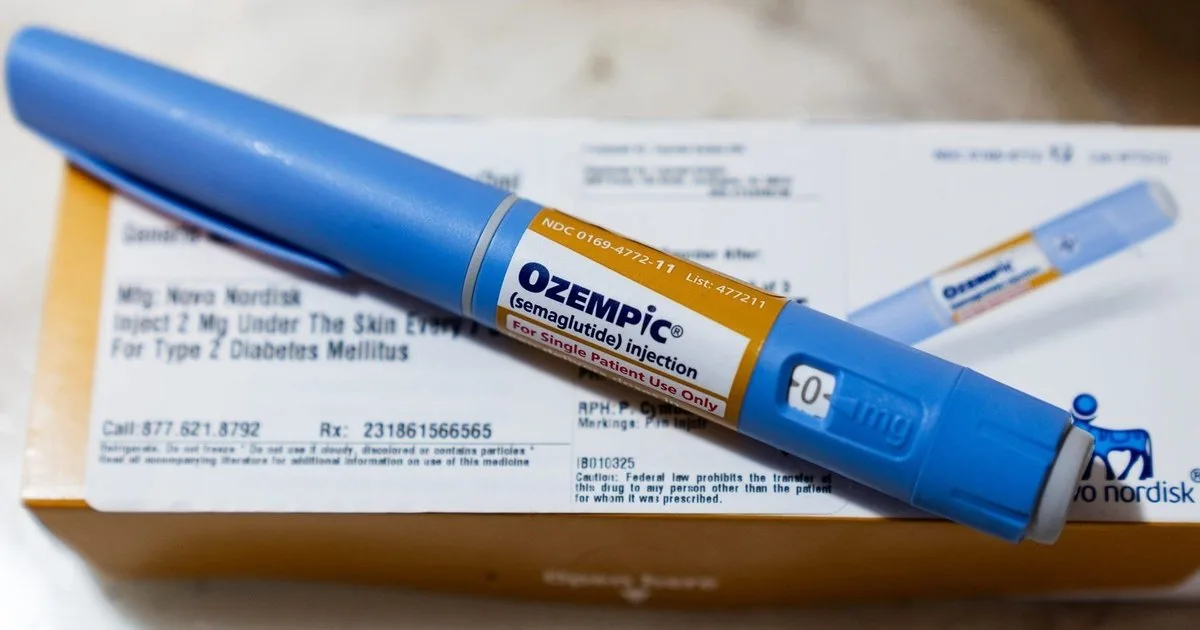

The landscape of healthcare has been rapidly transformed by the rise of telehealth, especially as demand for GLP-1 medications like semaglutide and tirzepatide has surged. These drugs, initially developed for type 2 diabetes, have shown remarkable efficacy in promoting weight loss, leading millions to seek prescriptions. However, this boom has also brought to light significant concerns regarding safety, oversight, and the potential for medication errors, particularly when obtaining these treatments through online platforms.
Karleigh McClain’s experience serves as a stark warning. Within 24 hours of her first GLP-1 injection, prescribed by a telehealth doctor, she was hospitalized with severe vomiting. She later discovered she had received nearly nine times the typical starting dose of semaglutide, a medication error that left her with residual side effects like an elevated heart rate and vision problems. McClain’s story is not an isolated incident, reflecting a growing trend of adverse events associated with GLP-1s obtained through online channels.
The Telehealth Surge and GLP-1 Demand
The COVID-19 pandemic accelerated the adoption of telehealth services, making healthcare more accessible, especially for those in rural areas or with mobility issues. Many telehealth companies quickly capitalized on this trend by offering a wide range of medical services, including prescriptions for popular weight loss medications. The demand for GLP-1s, fueled by celebrity endorsements and compelling weight loss results, has created a perfect storm, with many online providers offering these drugs as a convenient, one-stop solution.
While many patients successfully obtain GLP-1s through their primary care physicians or specialists, a growing number are turning to telehealth. This shift is partly driven by the perceived ease of obtaining prescriptions online, often bypassing traditional in-person consultations and pharmacy visits. However, critics and medical experts alike express concern that this accessibility may come at the cost of thorough patient evaluation and essential follow-up care.
The Allure of Convenience vs. Critical Medical Evaluation
Telehealth offers undeniable benefits, such as convenience and increased access to care. For many, it's a practical way to manage chronic conditions or seek specialized advice without the logistical hurdles of in-person appointments. However, when it comes to potent medications like GLP-1s, the stakes are considerably higher. These drugs carry potential risks, including pancreatitis, gastroparesis, and, in rare cases, medullary thyroid cancer. Proper patient selection and ongoing monitoring are crucial for safe and effective use.
Some telehealth companies require patients to have a live virtual consultation with a healthcare provider. Others, however, may rely on asynchronous evaluations, where patients complete questionnaires without a direct conversation. This raises questions about the adequacy of the medical assessment, particularly for individuals with pre-existing conditions that could be exacerbated by GLP-1 therapy. Experts emphasize the need for comprehensive patient history, potential lab work, and even muscle mass screening before initiating treatment.
Medication Errors and Safety Concerns
The surge in GLP-1 prescriptions through telehealth has been accompanied by a concerning rise in medication errors. KFF Health News' review of FDA data revealed a dramatic increase in reported medication errors related to popular weight loss drugs, jumping from just over 2,000 in 2020 to over 25,000 in 2025. These errors encompass issues such as incorrect dosing, administration mistakes, and communication breakdowns.
Precision tracking for your journey
Join thousands using Shotlee to accurately track GLP-1 medications and side effects.
📱 Get the Shotlee App
Track your GLP-1 medications, peptides, and health metrics on the go with our mobile app!
One significant concern is the prevalence of compounded GLP-1 drugs offered by some telehealth companies. These medications are created by mixing active ingredients, such as semaglutide, with other substances. While potentially cheaper, compounded drugs are not reviewed by the FDA for safety and efficacy. The sourcing of ingredients from overseas suppliers adds another layer of uncertainty. The Department of Health and Human Services advises that compounded drugs should only be used when FDA-approved alternatives cannot meet a patient's medical needs, urging consumers to be vigilant about the source of their medication.
The Role of Compounded Medications
Compounded drugs can be a more affordable option for patients, especially when name-brand GLP-1s are not covered by insurance. However, the lack of FDA oversight means their safety and effectiveness can be unpredictable. Pharmaceutical companies like Eli Lilly and Novo Nordisk have filed lawsuits against telehealth providers, alleging deceptive practices and the promotion of compounded versions of their drugs that pose risks to patient safety.
The FDA has also taken action, issuing warning letters to several online companies for making misleading claims about compounded weight loss drugs. These actions highlight the regulatory challenges in this rapidly evolving space and underscore the importance of obtaining medications from reputable sources.
Navigating the Risks: What Patients Need to Know
For individuals considering GLP-1s, especially through telehealth, a proactive and informed approach is essential. Understanding the potential benefits and risks is paramount. Common side effects include nausea, vomiting, diarrhea, constipation, and abdominal pain. More serious risks, though rare, can include pancreatitis, gallbladder problems, kidney issues, and certain types of thyroid cancer.
Key considerations for patients include:
- Provider Credentials: Verify the qualifications and licensing of the healthcare provider prescribing the medication.
- Prescription Type: Understand whether you are receiving an FDA-approved medication or a compounded version. Inquire about the source of the active ingredients.
- Dosage and Administration: Ensure you receive clear instructions on how to administer the medication, including proper dosing and injection techniques. Incorrect self-administration can lead to serious errors.
- Follow-up Care: Confirm that the telehealth provider offers a plan for ongoing monitoring and is accessible for questions or concerns.
- Risk Disclosure: Be aware of all potential side effects and contraindications. If you have a history of pancreatitis, gastroparesis, or medullary thyroid cancer, GLP-1s may not be suitable.
| Medication Name (Brand) | Active Ingredient | Primary Approved Uses | Common Side Effects |
|---|---|---|---|
| Ozempic | Semaglutide | Type 2 Diabetes | Nausea, vomiting, diarrhea, constipation |
| Wegovy | Semaglutide | Chronic Weight Management | Nausea, vomiting, diarrhea, constipation |
| Mounjaro | Tirzepatide | Type 2 Diabetes | Nausea, vomiting, diarrhea, constipation, abdominal pain |
| Zepbound | Tirzepatide | Chronic Weight Management | Nausea, vomiting, diarrhea, constipation, abdominal pain |
| Victoza | Liraglutide | Type 2 Diabetes | Nausea, vomiting, diarrhea, constipation |
The Importance of Health Tracking with Shotlee
For individuals managing their health with GLP-1 medications, consistent tracking of doses, symptoms, and overall well-being is crucial. This is where tools like Shotlee can be invaluable. By meticulously logging medication intake, noting any side effects experienced, and monitoring progress, patients can build a comprehensive health record. This data not only empowers individuals to understand their body's response to treatment but also provides valuable information to share with their healthcare providers, ensuring that any necessary adjustments to dosage or treatment plans can be made promptly and effectively.
Conclusion
The convergence of GLP-1 demand and telehealth accessibility presents both opportunities and significant challenges. While telehealth can democratize access to medical care, the potential for medication errors, inadequate oversight, and the promotion of unvetted compounded drugs necessitates a cautious approach. Patients must prioritize thorough research, informed decision-making, and open communication with their healthcare providers. By understanding the risks, choosing reputable providers, and diligently tracking their health, individuals can navigate this complex landscape more safely and effectively, ensuring that their pursuit of better health does not compromise their well-being.