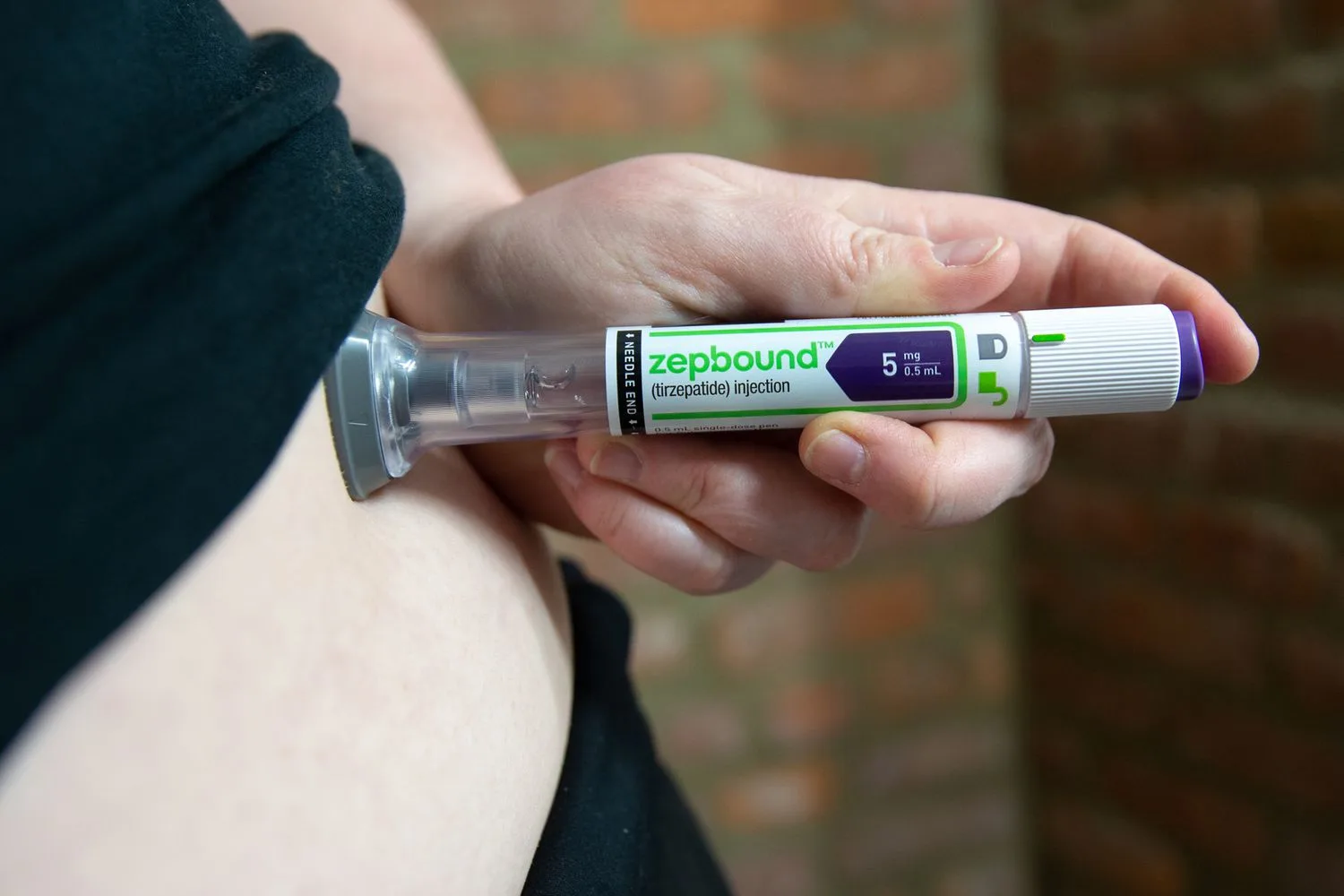
The landscape of weight management has been significantly altered by the advent of GLP-1 receptor agonists, with medications like Mounjaro (tirzepatide) and Wegovy (semaglutide) at the forefront. While their primary purpose is to aid in weight loss and improve metabolic health, a notable and often surprising side effect is emerging for some women: an increased ease of conception. This phenomenon, sometimes referred to colloquially as 'Ozempic babies' or 'Mounjaro miracles,' highlights a complex interplay between weight, hormones, and fertility. As millions globally utilize these powerful medications, understanding this potential impact is crucial for informed health decisions and responsible family planning.
Why are women experiencing increased fertility on Mounjaro and Wegovy?
The increased fertility observed in some women taking Mounjaro and Wegovy is largely an indirect effect stemming from the significant weight loss and improved metabolic health these medications facilitate. GLP-1 receptor agonists work by mimicking the action of the GLP-1 hormone, which helps regulate blood sugar, slow gastric emptying, and promote satiety, leading to reduced food intake and subsequent weight loss. For women with conditions like Polycystic Ovary Syndrome (PCOS) or insulin resistance, which are common causes of infertility and irregular ovulation, this weight loss can be particularly impactful. By improving insulin sensitivity and reducing overall inflammation, these medications can help restore hormonal balance, leading to more regular menstrual cycles and a higher likelihood of ovulation, thereby increasing the chances of conception.
Dr. Amir Khan, an ITV medical expert, explained on the 'No Appointments Necessary' podcast that while the jabs aren't fertility treatments themselves, they "are changing the biology enough in these ladies for them to increase the risk of getting pregnant." This biological shift is particularly pronounced in women whose fertility struggles are linked to insulin resistance and hormonal imbalances. For instance, PCOS often involves elevated androgen levels and irregular ovulation due to insulin resistance. When Mounjaro or Wegovy improve insulin sensitivity, it can lower androgen levels and promote more predictable ovulation, making conception possible for those who previously found it difficult.
How does weight loss impact female fertility?
Significant weight loss, particularly when it addresses underlying metabolic issues, can have a profound positive effect on female fertility. Excess body weight, especially abdominal fat, can disrupt the delicate hormonal balance required for regular ovulation. This disruption can lead to conditions like anovulation (lack of ovulation) or oligo-ovulation (infrequent ovulation), making it challenging to conceive. Furthermore, obesity is often associated with insulin resistance, which can further exacerbate hormonal imbalances by increasing levels of androgens (male hormones) and decreasing levels of sex hormone-binding globulin (SHBG), a protein that binds to androgens.
When individuals lose weight through lifestyle changes or medications like Mounjaro and Wegovy, they often experience improved insulin sensitivity. This improvement can lead to a decrease in androgen production and an increase in SHBG, helping to restore a more favorable hormonal environment for ovulation. For women with PCOS, this restoration can be particularly significant, as it can help regulate menstrual cycles that were previously erratic or absent. The return of regular ovulation means that the fertile window becomes more predictable, increasing the probability of conception, especially for those who have struggled with infertility for extended periods.
What are the risks of unexpected pregnancies on these medications?
The primary concern regarding unexpected pregnancies while taking Mounjaro and Wegovy is that these medications are not licensed for use during pregnancy. This means that extensive clinical trials have not been conducted to establish their safety profile for a developing fetus. While the medications themselves are not necessarily considered harmful in pregnancy, the lack of data means that healthcare providers cannot definitively confirm their safety for expectant mothers or their babies. Therefore, any pregnancy occurring while on these drugs is considered accidental and requires careful medical consultation and management.
The implications of an unplanned pregnancy on these weight loss injectables are significant. Women who become pregnant while using Mounjaro or Wegovy are typically advised to discontinue the medication immediately under the guidance of their healthcare provider. The decision to stop the medication should be made in conjunction with a thorough discussion of the potential risks and benefits, considering the individual's health status and the stage of pregnancy. This situation underscores the critical importance of using reliable contraception for anyone taking these medications who is not actively trying to conceive.
Precision tracking for your journey
Join thousands using Shotlee to accurately track GLP-1 medications and side effects.
📱 Get the Shotlee App
Track your GLP-1 medications, peptides, and health metrics on the go with our mobile app!
What are the official recommendations for contraception and pregnancy?
Healthcare professionals emphasize the critical need for effective contraception for individuals taking Mounjaro and Wegovy who are not planning a pregnancy. Due to the potential for increased fertility and the lack of safety data for these medications during pregnancy, robust birth control measures are essential. Some evidence suggests that certain medications, including possibly GLP-1 agonists, could potentially reduce the effectiveness of oral contraceptives, although this is an area that requires further research. Therefore, it is advisable to discuss alternative or additional contraceptive methods with a healthcare provider to ensure maximum protection.
Furthermore, official guidance from regulatory bodies and manufacturers often includes specific recommendations regarding conception. For instance, it is generally advised to discontinue Mounjaro at least one month before attempting to conceive and Wegovy at least two months before attempting to conceive. This washout period is intended to allow the medication to clear from the system, minimizing any potential exposure to a developing fetus. Anyone who becomes pregnant or suspects they might be pregnant while on these medications should seek immediate medical advice to discuss the best course of action for their health and the pregnancy.
How can Shotlee help manage medication and health during fertility changes?
For individuals navigating the complexities of weight loss medications like Mounjaro and Wegovy, especially when experiencing unexpected changes in fertility, health tracking tools can be invaluable. Shotlee offers a practical solution for managing medication schedules, tracking doses, and monitoring various health metrics that may be influenced by these drugs or by changes in reproductive health. By logging medication intake, users can maintain a precise record, ensuring adherence and providing a clear history for their healthcare provider.
Beyond medication management, Shotlee can help users track symptoms, mood, and physical changes that might be related to hormonal shifts or the effects of the medication. For women experiencing increased fertility or menstrual cycle changes, the ability to log cycle dates, ovulation signs, or any pregnancy-related symptoms can provide valuable insights. This data can be shared with doctors, aiding them in making more informed treatment decisions and managing any emergent health concerns, such as unexpected pregnancies or the need for adjusted contraceptive strategies. The platform empowers users to take an active role in understanding their body's responses to treatment and to communicate effectively with their medical team.
What are the long-term implications of these fertility effects?
The long-term implications of the fertility-enhancing effects of Mounjaro and Wegovy are still being understood, but they point towards a broader impact on reproductive health for specific patient populations. For women who have struggled with infertility due to weight-related issues or conditions like PCOS, these medications may offer a pathway to achieving pregnancy that was previously unattainable. This can lead to significant improvements in quality of life and emotional well-being, transforming the experience of trying to conceive from one of frustration and despair to one of hope and success.
However, the fact that these drugs are not intended as fertility treatments means that their use in this context requires careful medical oversight. The potential for unintended pregnancies also raises questions about the ethical considerations and patient counseling needed when prescribing these medications. As more data emerges, healthcare providers will be better equipped to advise patients on the full spectrum of potential outcomes, including the positive impact on fertility, and to ensure that family planning is integrated into the treatment journey. The ongoing research into GLP-1 agonists and their broader physiological effects will undoubtedly shed more light on these complex interactions.
Practical Takeaways
- Contraception is Key: If you are taking Mounjaro or Wegovy and are not trying to conceive, use reliable contraception. Discuss options with your doctor, as hormonal birth control effectiveness may be affected.
- Consult Your Doctor Immediately: If you become pregnant or suspect you are pregnant while on these medications, contact your healthcare provider right away.
- Discontinuation Protocols: Be aware of the recommended discontinuation timelines before attempting pregnancy (at least 1 month for Mounjaro, 2 months for Wegovy).
- Understand the Mechanism: The fertility effect is largely due to weight loss improving insulin sensitivity and hormonal balance, particularly beneficial for conditions like PCOS.
- Track Your Health: Utilize tools like Shotlee to monitor your medication, menstrual cycles, and any relevant symptoms to share with your doctor.
Conclusion
The emergence of increased fertility as a significant side effect for women using Mounjaro and Wegovy is a compelling development in the field of weight management. While these medications are not fertility treatments, their ability to improve metabolic health and restore hormonal balance can, for some, lead to the life-changing outcome of a successful pregnancy after years of struggle. This underscores the importance of comprehensive patient education, diligent use of contraception for those not seeking pregnancy, and close collaboration with healthcare providers. As research continues, a clearer understanding of these complex interactions will further empower individuals to make informed decisions about their health and family planning journey.