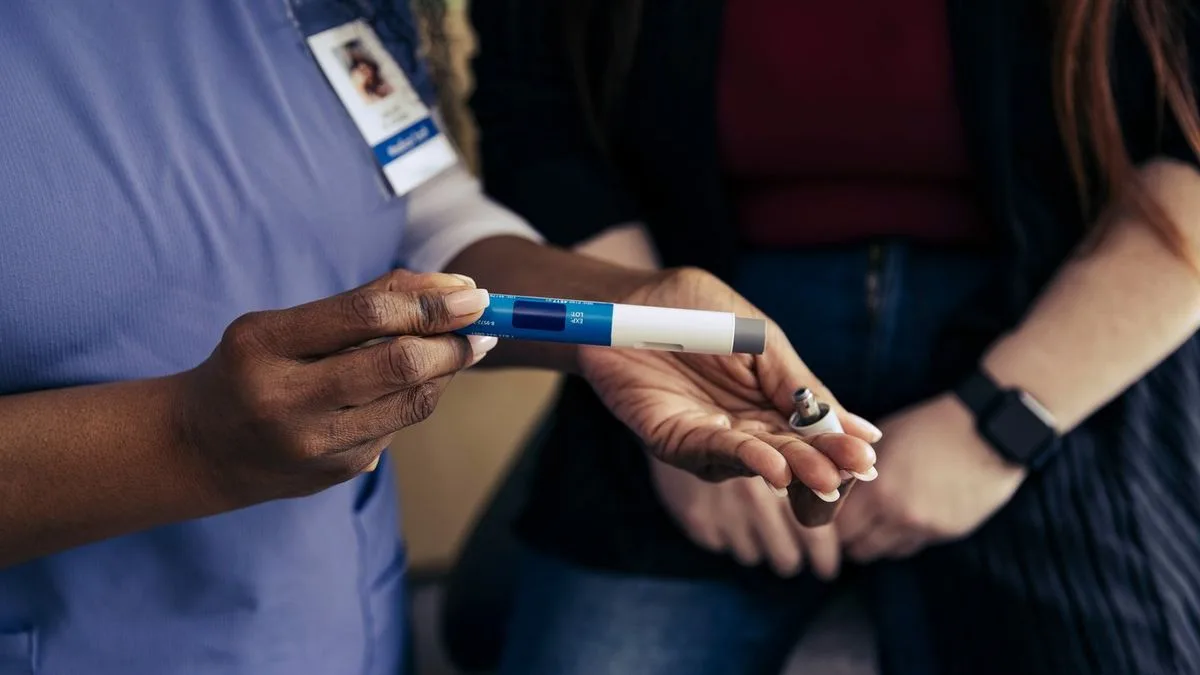

Popular and often expensive GLP-1 weight loss medications have become a focal point in healthcare access. For millions of Americans, particularly older adults, the prohibitive cost has placed these treatments out of reach. However, a significant development has emerged: Medicare has launched a new trial program, the Medicare GLP-1 Bridge, aiming to reduce the financial burden for eligible beneficiaries.
This initiative, which began in early 2024, offers a selection of brand-name GLP-1 receptor agonists for a subsidized price of $50 per month. This marks a crucial step, providing the first opportunity for many Medicare beneficiaries to access these medications for weight loss purposes through an insurance-supported pathway. The program is temporary, set to run until the end of 2027, and is accompanied by specific eligibility criteria and limitations.
Dr. Mehmet Oz, Administrator of the Centers for Medicare & Medicaid Services (CMS), expressed hope that the program will not only offer immediate financial relief but also generate valuable data. This data, he stated, could inform future decisions regarding longer-term coverage for weight management therapies. "The sheer cost of these medications is a huge barrier to access," Dr. Oz remarked, "That ends today."
Understanding GLP-1 Receptor Agonists
Glucagon-like peptide-1 (GLP-1) receptor agonists are a class of medications that mimic the action of the GLP-1 hormone. Naturally, GLP-1 is released in the gut after eating and plays a role in regulating blood sugar levels and promoting feelings of fullness. When used as medications, these drugs can:
- Slow down gastric emptying, which helps you feel fuller for longer.
- Increase insulin secretion, helping to regulate blood sugar.
- Reduce appetite by acting on the brain's appetite control centers.
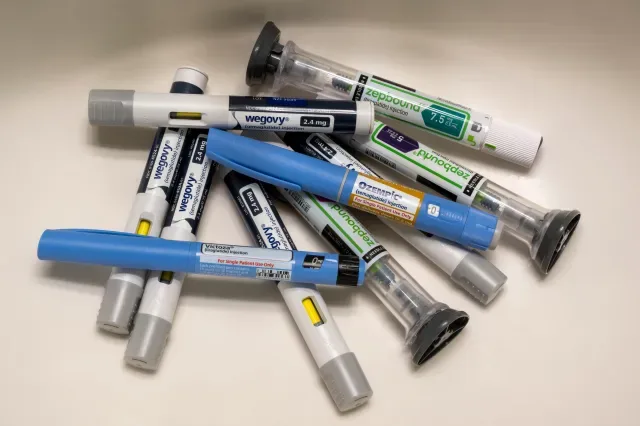
While initially developed and approved for managing type 2 diabetes, their significant impact on weight loss has led to their widespread use for obesity management. Medications like semaglutide (marketed as Ozempic for diabetes and Wegovy for weight loss) and tirzepatide (marketed as Mounjaro for diabetes and Zepbound for weight loss) fall into this category. These drugs have demonstrated considerable success in helping individuals achieve substantial weight loss, often leading to improvements in related health conditions.
Eligibility Requirements for the Medicare GLP-1 Bridge Program
The Medicare GLP-1 Bridge program is designed to assist a specific segment of Medicare beneficiaries. While over 70 million Americans are enrolled in Medicare, and a substantial portion are considered overweight or obese, access to this program is not universal. Eligibility is contingent upon meeting defined medical criteria.
To qualify for the $50 monthly cost, beneficiaries must meet the following conditions:
- Medicare Drug Coverage: You must have a Medicare Part D prescription drug plan or a Medicare Advantage plan that includes prescription drug coverage.
- Body Mass Index (BMI): A BMI of 35 or higher is required.
- Or, BMI with Comorbidities: Alternatively, a BMI of 27 or higher combined with at least one other specified health condition. These conditions can include a history of heart attack, stroke, prediabetes, or other conditions listed on the CMS website.
Importantly, the BMI measurement is assessed at the *initiation* of GLP-1 therapy. This means individuals who may have fallen below the threshold more recently but previously met the higher BMI criteria at the start of their treatment may still qualify.
Exclusions and Specific Conditions
Certain conditions, while often treated with GLP-1s, will exclude beneficiaries from this specific weight loss program. Individuals diagnosed with sleep apnea, diabetes, or fatty liver disease cannot access the Bridge program for weight loss purposes. However, their existing Medicare coverage might still cover GLP-1 medications if prescribed for these specific diagnoses, separate from the weight loss indication.
The process for enrolling requires a prescription from a healthcare provider for one of the covered GLP-1 drugs. This prescription, along with a completed prior authorization form, must be submitted to a pharmacy. Your healthcare provider is the primary point of contact to determine your eligibility and initiate the process.
Precision tracking for your journey
Join thousands using Shotlee to accurately track GLP-1 medications and side effects.
📱 Get the Shotlee App
Track your GLP-1 medications, peptides, and health metrics on the go with our mobile app!
Covered Medications and Cost Structure
The Medicare GLP-1 Bridge program currently includes a select list of FDA-approved GLP-1 medications specifically indicated for weight loss. As of the program's launch, these include:
- Eli Lilly's Foundayo (tirzepatide) tablets
- Eli Lilly's Zepbound (tirzepatide) KwikPens
- Novo Nordisk's Wegovy (semaglutide) injections and tablets
For beneficiaries enrolled in the program, the cost is a fixed $50 per month, irrespective of the dosage prescribed. A key detail is that these $50 payments do not count towards an individual's annual deductible or out-of-pocket maximum. This is because Medicare itself is directly subsidizing the cost of these prescriptions, rather than the payment being processed through the standard Part D insurance structure.
The Future of GLP-1 Coverage: Uncertainty and Potential Pathways
The Medicare GLP-1 Bridge program, while a significant step, is a temporary measure. It is slated to conclude on December 31, 2027. The long-term coverage of GLP-1s for weight loss by Medicare remains uncertain, as current federal law does not broadly authorize Medicare to cover these drugs for obesity management.
Several potential avenues exist for extending or establishing permanent coverage:
| Potential Pathway | Description | Current Status |
|---|---|---|
| Congressional Legislation | Congress could pass a law explicitly authorizing Medicare to cover weight loss drugs. | Requires legislative action; ongoing debate. |
| CMS Pilot Programs | CMS could implement other voluntary pilot programs, such as the previously considered BALANCE program, to gather more data and test coverage models. | BALANCE program was indefinitely delayed; CMS is monitoring Bridge program data. |
| Negotiations with Manufacturers | Ongoing discussions with drug companies to potentially lower costs or establish different pricing agreements. | Continuous process; outcomes not yet public. |
CMS Administrator Dr. Oz emphasized that the agency will be closely analyzing participation rates and health outcomes from the Bridge program. This data will be crucial in determining the most effective strategy for moving forward, whether that involves extending the current program or exploring alternative solutions. While permanent federal legislation is not an immediate necessity, it remains a significant consideration for Congress to debate.
Real-Life Impact: Hope and Frustration
The advent of GLP-1 medications has been transformative for many individuals struggling with obesity. These drugs have facilitated significant weight loss, often leading to improvements in mobility, self-esteem, and overall health. For patients like Gloria Dralla, a 78-year-old from California who lost approximately 40 pounds using Wegovy purchased at a lower cost in Europe, the Bridge program offers a pathway to continue life-enhancing treatment at a more manageable price.
However, the program's stringent eligibility criteria mean that not everyone who could benefit will gain access. Katie Smith, a 71-year-old from Virginia, faces this dilemma. With a BMI of 33, she falls below the primary BMI threshold and is uncertain if she has a qualifying comorbidity. Limited by a spinal cord injury that impedes her ability to exercise, she has previously been quoted prices of $700 per month for the medications, a cost that is financially prohibitive. Her frustration highlights the ongoing challenge of balancing the potential of these therapies with the realities of access and affordability for many.
Practical Takeaways
If you are a Medicare beneficiary interested in the GLP-1 Bridge program, here are the key steps and considerations:
- Consult Your Doctor: The first and most crucial step is to discuss your weight, health history, and potential eligibility with your healthcare provider.
- Understand BMI Requirements: Be aware of the BMI thresholds (35+ or 27+ with comorbidities) and how your current and past BMI measurements factor in.
- Check for Exclusions: Confirm that you do not have sleep apnea, diabetes, or fatty liver disease, as these conditions exclude you from the weight loss indication of this program.
- Identify Covered Drugs: Ensure your doctor prescribes one of the medications included in the program (Foundayo, Zepbound, or Wegovy).
- Track Your Progress: If you enroll, consider using tools like the Shotlee app to meticulously track your doses, side effects, weight changes, and other health metrics. This data can be invaluable for your doctor and for contributing to the program's overall assessment.
The Medicare GLP-1 Bridge program represents a significant, albeit temporary, effort to address the cost barrier for weight loss medications. While its long-term future remains to be determined, it offers a valuable opportunity for many older Americans to access treatments that can profoundly impact their health and quality of life.
Conclusion
The introduction of the Medicare GLP-1 Bridge program is a landmark event, offering a $50 monthly price point for popular weight loss drugs like Wegovy and Zepbound to eligible Medicare beneficiaries. This initiative, running until the end of 2027, aims to provide much-needed financial relief and gather data to inform future coverage decisions. While the program has specific BMI and comorbidity requirements and excludes individuals with certain pre-existing conditions for weight loss purposes, it opens a vital door for many. The success and data generated by this trial will be critical in shaping the long-term accessibility of GLP-1 therapies for weight management within Medicare, offering a glimmer of hope for those who have found these treatments prohibitively expensive.