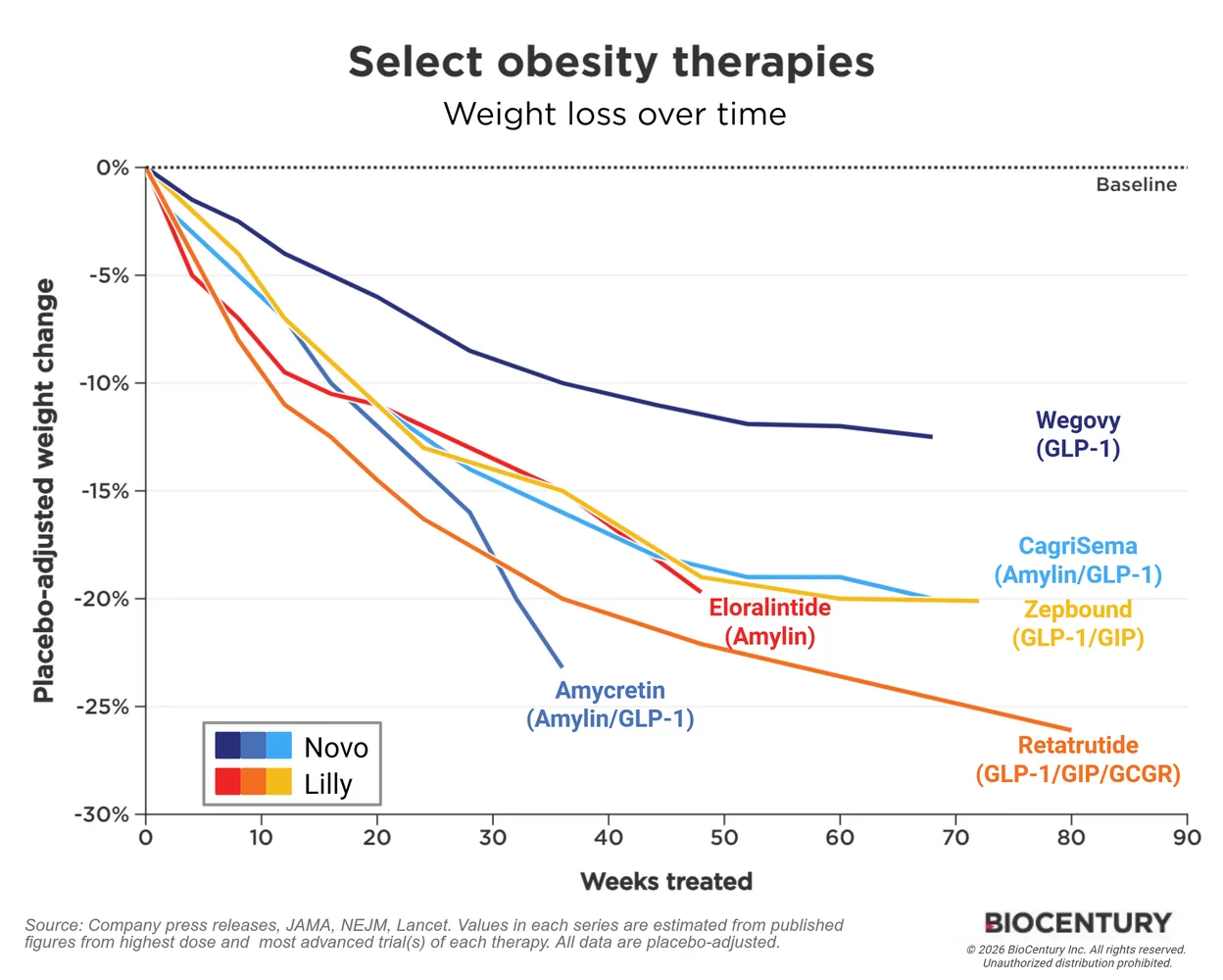

In the ongoing quest for effective management of type 2 diabetes and obesity, medications like GLP-1 receptor agonists (e.g., Ozempic, Wegovy) and dual GLP-1/GIP agonists (e.g., Mounjaro, Zepbound) have revolutionized treatment approaches. These therapies have shown remarkable success in improving glycemic control, promoting weight loss, and reducing cardiovascular risk. However, a segment of patients continues to experience suboptimal results despite being on these potent medications. New research presented at the American Diabetes Association's 86th Scientific Sessions sheds light on a critical, often overlooked factor: hypercortisolism.
Corcept Therapeutics Incorporated, a company focused on developing treatments that modulate the effects of the hormone cortisol, has shared compelling data from its CATALYST and MOMENTUM trials. These findings underscore the significant impact of excess cortisol on metabolic health, particularly in individuals with difficult-to-control type 2 diabetes and resistant hypertension. The data suggests that addressing hypercortisolism with therapies like Korlym (mifepristone) can unlock further improvements, even for patients already utilizing advanced treatments like GLP-1s.
The Hidden Hurdle: Understanding Hypercortisolism
Cortisol, often referred to as the "stress hormone," plays a vital role in regulating various bodily functions, including metabolism, immune response, and blood pressure. However, when the body produces too much cortisol over an extended period – a condition known as hypercortisolism – it can lead to a cascade of negative health consequences. These can include weight gain, elevated blood sugar levels, insulin resistance, and high blood pressure, all of which are hallmarks of difficult-to-manage type 2 diabetes.
The CATALYST trial, which screened 1,057 patients with type 2 diabetes that was proving resistant to multiple glucose-lowering medications (indicated by HbA1c levels between 7.5% and 11.5%), identified a significant prevalence of hypercortisolism. Using a standard diagnostic test (the 1 mg dexamethasone suppression test or DST), researchers found that a substantial 24% of these patients exhibited elevated cortisol levels (greater than 1.8 μg/dL).
Why Hypercortisolism Matters for Diabetes and Weight Loss
Excess cortisol can directly interfere with the mechanisms by which diabetes medications work and contribute to metabolic dysfunction:
- Insulin Resistance: Cortisol promotes the breakdown of muscle and fat tissues, leading to increased glucose production by the liver and making the body's cells less responsive to insulin.
- Impaired Beta Cell Function: Chronic exposure to high cortisol levels can negatively impact the function of pancreatic beta cells, which are responsible for producing insulin.
- Disruption of the Incretin System: Cortisol can interfere with the action and effectiveness of incretin hormones (like GLP-1), which are crucial for stimulating insulin release and regulating blood sugar after meals. This can diminish the benefits of GLP-1-based therapies.
- Increased Appetite and Fat Storage: Cortisol can stimulate appetite, particularly for calorie-dense foods, and promote the accumulation of abdominal fat, exacerbating obesity.
Korlym: A Novel Approach to Cortisol Modulation
Korlym is a medication that works by blocking the effects of cortisol at its receptor. By modulating cortisol's influence, it aims to reverse some of the detrimental metabolic effects associated with hypercortisolism. The CATALYST trial's treatment phase provided robust evidence for Korlym's efficacy in a carefully selected group of patients.
In this phase, 136 patients who had been identified with hypercortisolism were randomly assigned to receive either Korlym or a placebo for 24 weeks. The results were striking:
Precision tracking for your journey
Join thousands using Shotlee to accurately track GLP-1 medications and side effects.
📱 Get the Shotlee App
Track your GLP-1 medications, peptides, and health metrics on the go with our mobile app!
- Significant HbA1c Reduction: Patients treated with Korlym experienced a clinically meaningful and statistically significant reduction in their HbA1c levels by 1.3%, compared to those on placebo (p-value: <0.001).
- Meaningful Weight Loss and Body Composition Changes: Korlym also led to significant improvements in body weight (5.1 kg reduction), body mass index (1.7 kg/m² reduction), and waist circumference (5.1 cm reduction) compared to placebo (all nominal p-values <0.002).
These findings, published in Diabetes Care in June 2025, highlight Korlym's potential to address multiple facets of metabolic dysfunction driven by hypercortisolism.
Enhanced Benefits for Patients on GLP-1 Therapies
Perhaps the most exciting aspect of the new data is its focus on patients already receiving advanced diabetes and weight loss medications. The presentations at the ADA specifically detailed the outcomes for 71 patients within the CATALYST trial who were concurrently taking GLP-1 receptor agonists or the GLP-1/GIP agonist tirzepatide.
In this subgroup, the benefits observed with Korlym were even more pronounced:
| Parameter | Korlym Group (vs. Placebo) | Nominal P-value |
|---|---|---|
| HbA1c Reduction | Numerically greater (1.7% reduction) | <0.04 |
| Body Weight Reduction | Numerically greater (6.1 kg reduction) | <0.04 |
| BMI Reduction | Numerically greater (2.0 kg/m² reduction) | <0.04 |
| Waist Circumference Reduction | Numerically greater (6.5 cm reduction) | <0.04 |
These results suggest that for patients on semaglutide, tirzepatide, or similar medications, hypercortisolism may be limiting their full potential response. By addressing the underlying cortisol issue with Korlym, clinicians can potentially unlock synergistic benefits, leading to more significant improvements in glycemic control and weight loss.
"These new CATALYST data demonstrate the potential of cortisol modulation to improve critical metabolic parameters, even for patients who have poorly controlled type 2 diabetes despite treatment with powerful GLP-1 or GLP-1/GIP receptor agonists, such as semaglutide or tirzepatide. Excess cortisol disrupts the incretin system, impairs beta cell function, and induces insulin and incretin resistance, potentially limiting the effectiveness of these otherwise potent therapies. Screening for hypercortisolism and considering cortisol-directed treatment is a key part of managing type 2 diabetes in patients not responding to standard-of-care treatments." - Lance Sloan, M.D., President, Texas Institute for Kidney and Endocrine Disorders.
Practical Takeaways for Patients and Clinicians
The implications of this research are significant for individuals struggling to achieve their health goals with current treatments:
- Consider Screening: If you have type 2 diabetes that is difficult to control, or if you're not seeing the expected results from your GLP-1 medication, discuss the possibility of hypercortisolism with your doctor.
- Holistic Approach: Effective diabetes and weight management may require a multi-faceted approach that addresses not only glucose regulation and appetite but also hormonal imbalances like excess cortisol.
- Personalized Treatment: Understanding individual hormonal profiles can lead to more personalized and effective treatment strategies.
- Tracking Progress: Utilizing tools like the Shotlee app can be invaluable for tracking key metrics such as HbA1c, weight, and medication adherence, providing valuable data for you and your healthcare provider to assess treatment effectiveness and identify potential areas for adjustment.
Potential Side Effects of Korlym
As with any medication, Korlym has potential side effects. The most commonly reported adverse events (>10%) in the CATALYST trial included hypokalemia (low potassium levels), fatigue, nausea, vomiting, headache, peripheral edema (swelling), diarrhea, and dizziness. It is crucial for patients to discuss these potential risks and benefits thoroughly with their healthcare provider.
Conclusion
The emergence of GLP-1 and GLP-1/GIP agonists has been a game-changer in diabetes and weight management. However, the latest findings from Corcept Therapeutics' CATALYST trial suggest that for some patients, hypercortisolism acts as a significant barrier to achieving optimal outcomes. By identifying and treating hypercortisolism with Korlym, clinicians can potentially enhance the effectiveness of existing powerful therapies like semaglutide and tirzepatide, offering new hope and improved metabolic control for a challenging patient population.