
The landscape of diabetes management and weight loss treatment has been significantly reshaped by the advent of GLP-1 receptor agonists. Among these, semaglutide has emerged as a frontrunner, widely recognized for its efficacy in improving glycemic control and promoting substantial weight loss. Now, a major development has occurred in the Canadian market: Dr. Reddy's Laboratories has launched its generic version of the semaglutide injection. This move promises to increase accessibility and affordability of this crucial therapy for Canadian patients.
The Rise of Semaglutide and GLP-1 Therapies
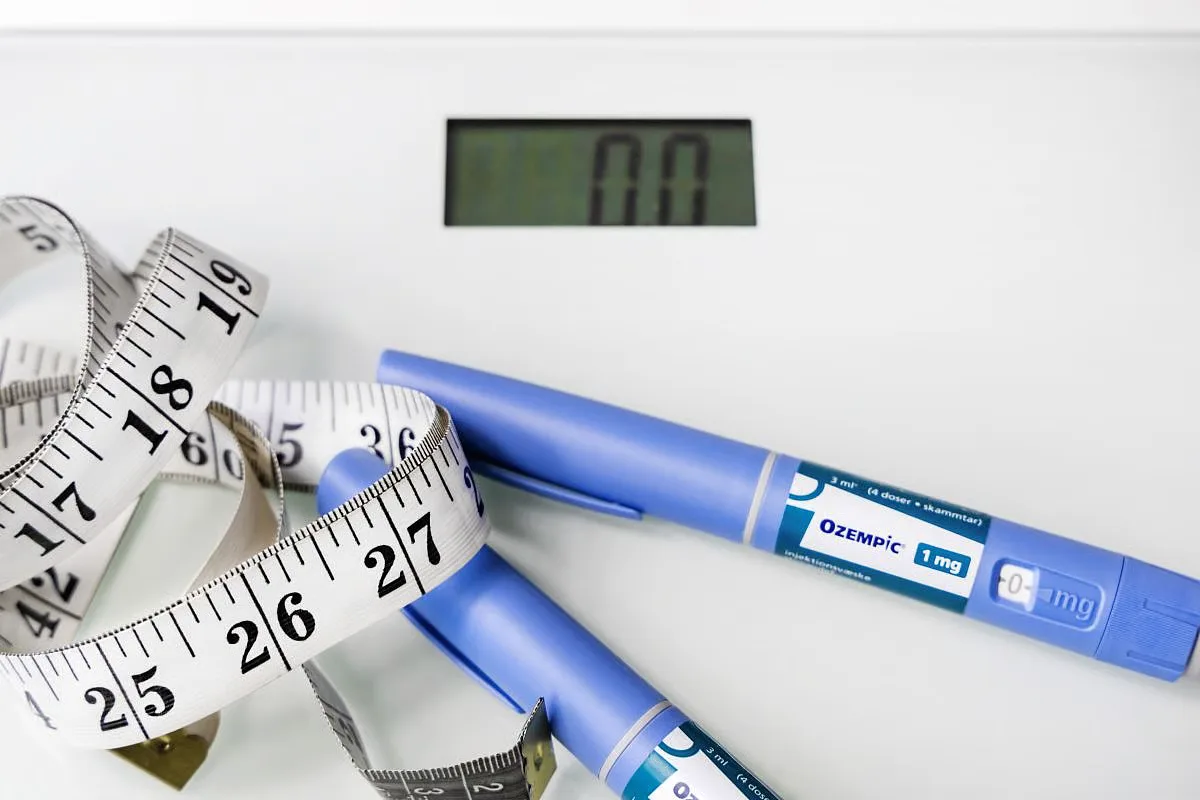
Semaglutide, known by brand names such as Ozempic (for type 2 diabetes) and Wegovy (for weight management), and its counterpart tirzepatide (Mounjaro, Zepbound) have revolutionized treatment paradigms. These medications mimic the action of a natural hormone, glucagon-like peptide-1 (GLP-1), which plays a vital role in regulating blood sugar and appetite. By stimulating insulin secretion, reducing glucagon release, slowing gastric emptying, and promoting satiety, GLP-1 therapies offer a dual benefit of improved metabolic health and effective weight management.
The demand for these drugs has surged globally, leading to widespread discussions about their availability, cost, and the potential for generic alternatives. The introduction of a generic semaglutide injection in Canada is a direct response to this growing need, aiming to make the treatment more accessible to a broader population.
Dr. Reddy's Generic Semaglutide: A Canadian Milestone
Dr. Reddy's Laboratories has announced the launch of its generic semaglutide injection in Canada, positioning itself as one of the first companies to introduce such a product following Health Canada's Notice of Compliance (NOC) on April 28, 2026. This achievement is particularly noteworthy as Canada is the first G7 country to grant market authorization for a generic semaglutide injection.
Erez Israeli, CEO of Dr. Reddy's, highlighted the significance of this launch: "The milestone highlights our readiness to serve the Canadian patients, supported by our deep expertise in complex drug and peptide development." He further emphasized the company's commitment to making advanced, high-quality, and affordable GLP-1 therapies more accessible. This launch builds upon Dr. Reddy's prior success, including its recent introduction of a semaglutide product in India under the brand name Obeda.
Indications and Dosing in Canada
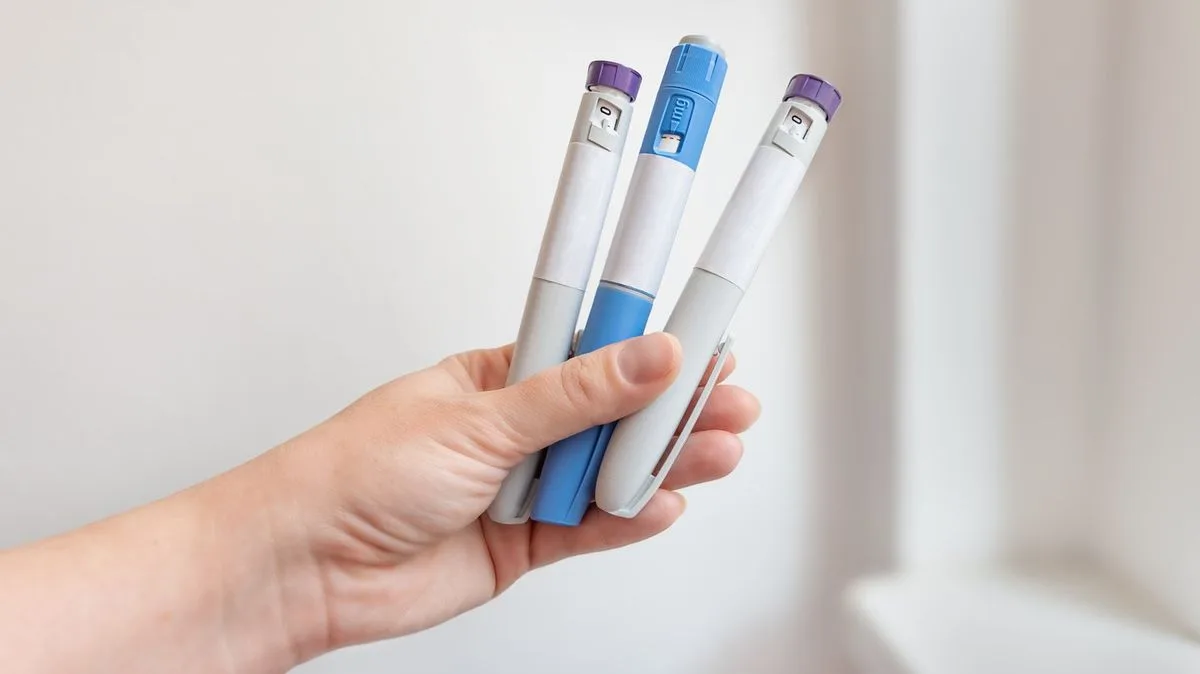
In Canada, Dr. Reddy's generic semaglutide injection is indicated for the once-weekly treatment of adults with type 2 diabetes mellitus. It is intended to improve glycemic control when used in conjunction with diet and exercise. The medication is supplied as a sterile solution for subcutaneous injection, available in a pre-filled pen format. The available strengths are 2 mg/pen and 4 mg/pen, with a concentration of 1.34 mg/ml.
The dosing is carefully managed through these pens:
- The 2 mg/pen is designed to deliver doses of 0.25 mg or 0.5 mg per injection.
- The 4 mg/pen is designed to deliver doses of 1 mg per injection.
This precise delivery mechanism is crucial for titration and maintaining therapeutic efficacy while minimizing potential side effects.
Implications for Patients and the Healthcare System
The arrival of a generic semaglutide injection has several profound implications:
Increased Affordability and Access
One of the most significant benefits of generic drug introductions is the potential for reduced costs. Branded medications, especially novel ones like semaglutide, often come with a high price tag, which can be a barrier to access for many patients. Generic versions typically enter the market at a lower price point, making these life-changing therapies more affordable and accessible to a larger segment of the population struggling with type 2 diabetes and obesity.
Competition and Market Dynamics
The introduction of generic competition can stimulate innovation and efficiency within the pharmaceutical market. It encourages companies to develop more cost-effective manufacturing processes and can lead to broader market penetration for effective treatments. For GLP-1 therapies, this means more options for patients and potentially greater pressure on manufacturers of branded versions to maintain competitive pricing and service offerings.
Precision tracking for your journey
Join thousands using Shotlee to accurately track GLP-1 medications and side effects.
📱 Get the Shotlee App
Track your GLP-1 medications, peptides, and health metrics on the go with our mobile app!
The Role of Health Tracking
For individuals managing chronic conditions like type 2 diabetes or those on a weight loss journey, consistent health tracking is paramount. Tools that allow patients to monitor their blood sugar levels, track their diet and exercise, record medication doses, and note any symptoms or side effects can significantly enhance treatment adherence and outcomes. Platforms like Shotlee can be invaluable in this regard, providing a centralized and accessible way for patients to log their progress and share crucial data with their healthcare providers. This is especially important when starting new medications like semaglutide, where dose adjustments and symptom monitoring are key.
Understanding GLP-1 Therapies: Key Considerations
While GLP-1 therapies offer remarkable benefits, it's essential for patients and healthcare providers to be aware of key considerations:
Effectiveness for Type 2 Diabetes
Semaglutide has demonstrated significant efficacy in improving HbA1c levels, a key marker of long-term blood sugar control in type 2 diabetes. Its ability to enhance insulin sensitivity and reduce glucose production by the liver makes it a powerful tool in managing the condition.
Weight Management Benefits
Beyond glycemic control, semaglutide's impact on weight loss is substantial. By increasing feelings of fullness and reducing appetite, it helps individuals achieve and maintain a healthier weight, which in turn can further improve insulin sensitivity and reduce the risk of diabetes-related complications.
Potential Side Effects and Risks
Like all medications, semaglutide can have side effects. The most common include gastrointestinal issues such as nausea, vomiting, diarrhea, and constipation. These are often dose-dependent and may improve over time. More serious, though less common, risks include pancreatitis, gallbladder problems, and kidney injury. Individuals with a history of medullary thyroid carcinoma or Multiple Endocrine Neoplasia syndrome type 2 should not use semaglutide.
Importance of Medical Supervision
It is crucial that semaglutide, whether branded or generic, is prescribed and supervised by a qualified healthcare professional. They will assess individual suitability, determine the appropriate starting dose, and guide patients through dose escalation, monitoring for efficacy and side effects. Self-medication is strongly discouraged.
The Future of GLP-1 Therapies
The launch of generic semaglutide in Canada is a significant step, but it is likely just the beginning. As patents expire and more generic versions become available globally, the accessibility of these transformative therapies will continue to improve. Dr. Reddy's commitment to expanding access across multiple global markets signals a broader trend towards making advanced peptide therapies more attainable.
The ongoing research and development in the GLP-1 space, including new formulations and combination therapies, promise even more effective and personalized treatment options in the future. For patients, this means a growing arsenal of tools to manage chronic conditions and improve overall well-being.
Practical Takeaways:
- Consult Your Doctor: Always discuss treatment options, including generic alternatives, with your healthcare provider.
- Understand Dosing: Pay close attention to the prescribed dose and how to administer the injection correctly.
- Monitor Your Health: Utilize health tracking tools to log progress, symptoms, and medication adherence.
- Be Aware of Side Effects: Know the potential side effects and report any concerns to your doctor promptly.
Conclusion
The introduction of Dr. Reddy's generic semaglutide injection in Canada represents a pivotal moment for patients managing type 2 diabetes and seeking effective weight management solutions. By increasing affordability and accessibility, this launch underscores the growing importance of GLP-1 therapies and the pharmaceutical industry's commitment to broader patient care. As the market evolves, patients can look forward to more options and greater control over their health journeys, supported by advancements in medication and robust health tracking tools.