
The Future of Weight Loss: A Semaglutide Implant?
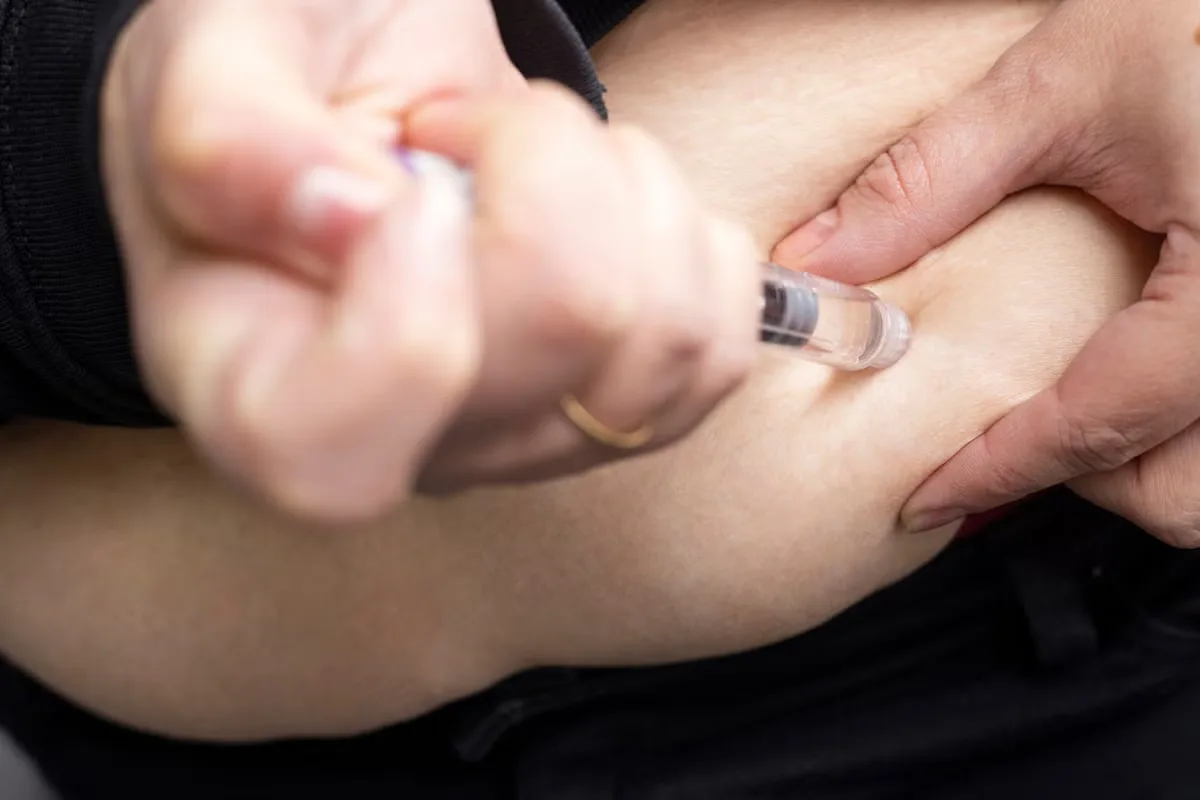
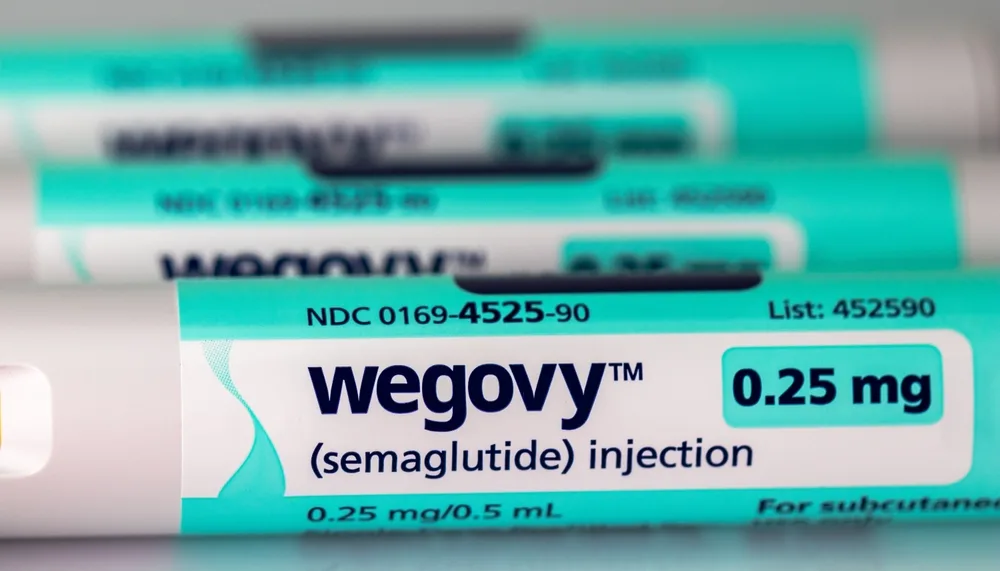
For millions of people navigating obesity and metabolic health, the weekly ritual of self-injecting GLP-1 medications like Ozempic and Wegovy has become a standard part of their routine. While these medications have revolutionized weight management, the needle-based delivery system presents significant barriers for many. From needle phobia and injection site pain to the inconvenience of storage and travel, the current standard of care is not perfect.
Now, a significant shift in medical technology may be on the horizon. Novo Nordisk, the pharmaceutical giant behind Ozempic and Wegovy, has announced a strategic partnership with Vivani Medical, a California-based biotech company, to develop a tiny implant that slowly releases semaglutide over several months. This innovation promises to transform the patient experience, potentially replacing the need for frequent injections with a simple, office-based procedure.
While this technology is not immediately available, it represents a pivotal moment in the evolution of peptide therapy and weight loss treatments. For patients currently managing their health with Shotlee to track progress, symptoms, and doses, this news signals a potential future where data tracking remains crucial, but physical administration becomes far less burdensome.
Understanding the Partnership and Technology
The collaboration between Novo Nordisk and Vivani Medical marks a convergence of pharmaceutical expertise and advanced drug delivery technology. Vivani Medical specializes in implantable drug delivery systems, leveraging their experience to create devices that release medication at a controlled rate.
The Matchstick-Sized Device
The core of this innovation is a device described as being the size of a matchstick. Despite its diminutive appearance, the implant is engineered to hold a sufficient dose of semaglutide to maintain therapeutic levels in the body for an extended period. Unlike oral medications that must be taken daily, or weekly injections that rely on the patient's memory and technique, this implant offers a "set it and forget it" approach to medication adherence.
The implant utilizes a proprietary matrix that allows the semaglutide to diffuse slowly into the surrounding tissue and bloodstream. This method aims to provide a steady concentration of the drug, potentially reducing the peaks and troughs in medication levels that can sometimes occur with weekly bolus injections.
How the Procedure Works
One of the most significant advantages of the implant is the simplicity of the administration process. According to the initial reports, the device is inserted just beneath the skin, typically in the upper arm. This placement is chosen for its accessibility and ease of monitoring.
The Office Procedure
The insertion is expected to be a brief office procedure, comparable to the placement of a birth control implant. This means patients would not require general anesthesia or a surgical setting. A local anesthetic would likely be used to minimize discomfort, and the entire process could be completed in minutes.
Once inserted, the device remains in place until it is depleted of medication. The current version being tested is designed to be replaced every six months. However, Vivani Medical has expressed a goal to extend this timeline to once a year in future iterations. This reduction in replacement frequency would further minimize the burden on patients and healthcare providers.
Benefits of the Implantable System
The shift from injection to implant offers several distinct advantages for patients managing weight loss and metabolic health:
Precision tracking for your journey
Join thousands using Shotlee to accurately track GLP-1 medications and side effects.
📱 Get the Shotlee App
Track your GLP-1 medications, peptides, and health metrics on the go with our mobile app!
- Improved Adherence: Eliminating the weekly needle reduces the likelihood of missed doses due to forgetfulness or anxiety.
- Convenience: Patients do not need to carry medication pens or worry about refrigeration during travel.
- Stable Drug Levels: Sustained release may lead to more consistent blood levels of semaglutide.
- Reduced Injection Site Reactions: Fewer punctures mean less potential for bruising, swelling, or pain at the injection site.
Timeline and Regulatory Hurdles
While the announcement has generated excitement, it is crucial to maintain realistic expectations regarding availability. The implant is not expected to be available for at least several years. Medical devices and pharmaceuticals must undergo rigorous testing to ensure safety and efficacy before they can be prescribed.
Clinical Trials and Approval
Before the implant reaches the market, it must complete multiple phases of clinical trials. These studies will evaluate the device's performance, the safety profile of the semaglutide release system, and the long-term outcomes for patients. Following successful trials, the device must receive regulatory approval from agencies such as the FDA.
This timeline ensures that the technology is robust and reliable. For patients currently using Shotlee to monitor their health journey, this period of development represents a time to continue optimizing current protocols while preparing for future options.
Comparing Delivery Methods: Injections vs. Implants
To understand the potential impact of this technology, it helps to compare the current standard of care with the proposed implant system. The following table outlines the key differences between weekly subcutaneous injections and the new semaglutide implant.
| Feature | Weekly Injection (Ozempic/Wegovy) | Semaglutide Implant (Proposed) |
|---|---|---|
| Frequency | Once per week | Every 6 months (target: 1 year) |
| Administration | Self-injection at home | Office procedure (under skin) |
| Storage | Refrigeration required | Stable at room temperature |
| Adherence | Requires patient memory | Passive delivery |
| Side Effects | Injection site reactions possible | Insertion site reactions possible |
Monitoring Health During the Transition
Regardless of the delivery method, the core principles of weight management and metabolic health remain the same. Whether a patient is using weekly injections or a future implant, tracking vital health metrics is essential for success.
This is where platforms like Shotlee become invaluable. Even with an implant, patients need to monitor their weight trends, nutritional intake, and potential side effects. The implant changes *how* the medication is delivered, but it does not change the need for lifestyle management.
Healthcare providers may also use data from the implant system to adjust dosing more precisely. By combining advanced delivery technology with robust health tracking, patients can achieve better long-term outcomes without the friction of daily or weekly maintenance.
Practical Takeaways for Patients
For those currently navigating the world of GLP-1 therapy, here are the key points to keep in mind regarding this development:
- Patience is Key: The implant is several years away from clinical availability.
- Current Options Remain Valid: Weekly injections are still highly effective and widely available.
- Track Your Progress: Continue using tools like Shotlee to maintain accountability.
- Stay Informed: Keep an eye on clinical trial results for updates on the timeline.
- Consult Your Provider: Discuss any interest in future technologies with your healthcare team to understand eligibility.
Conclusion
The potential for a semaglutide implant to replace weekly Ozempic and Wegovy injections is a significant step forward in the field of obesity medicine. By partnering with Vivani Medical, Novo Nordisk is addressing some of the most common pain points associated with current GLP-1 therapies, including needle anxiety and adherence challenges.
While patients must wait several years for this technology to become a reality, the announcement signals a future where weight loss treatment is more convenient, accessible, and patient-friendly. Until then, the focus remains on optimizing current treatments and maintaining a proactive approach to health tracking and management.