
Study: Wegovy Vision Loss Risk 5x Higher Than Ozempic
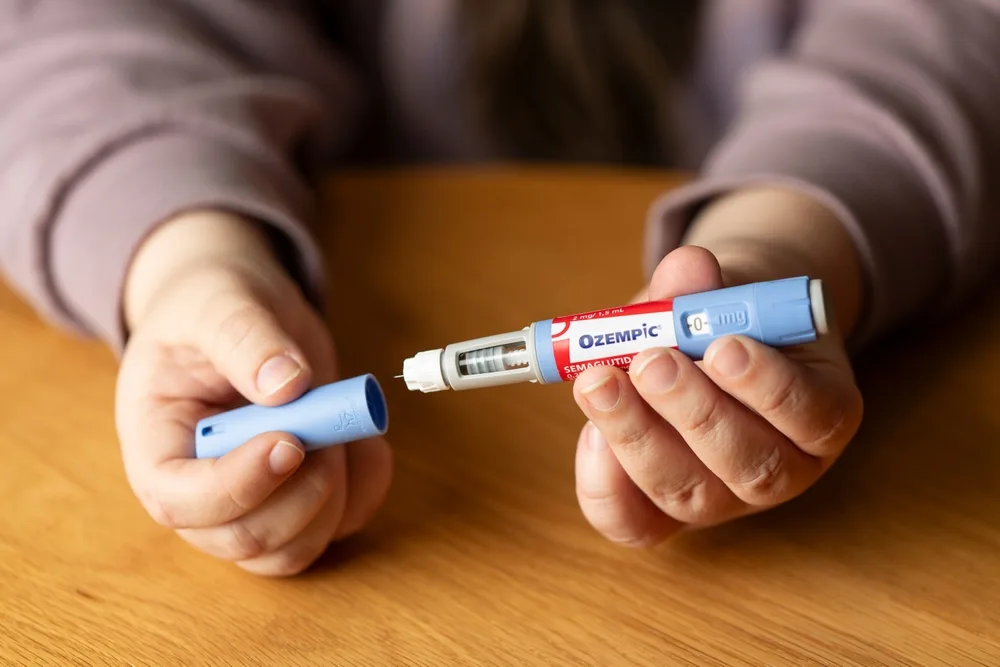
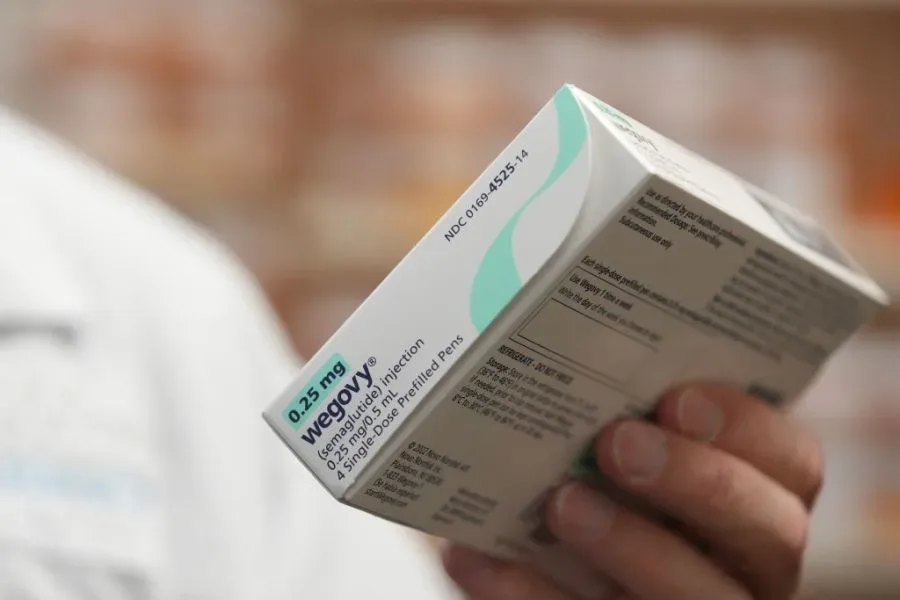
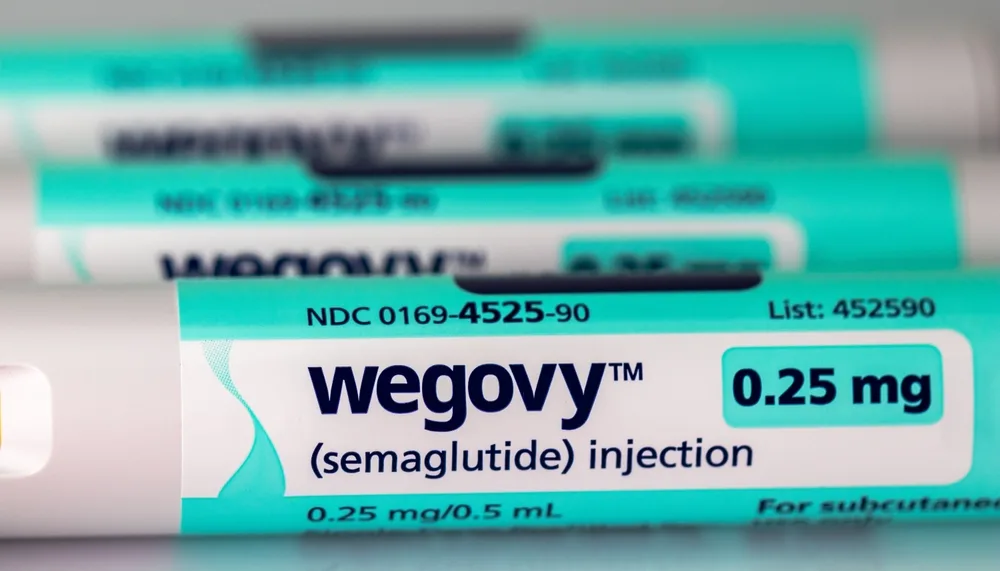
A recent study has raised alarms about Wegovy vision loss risks, showing they are approximately five times higher than those associated with Ozempic. Published in The BMJ on March 10, this analysis highlights a dose-dependent connection to ischemic optic neuropathy (ION), a rare but serious condition also known as NAION or "eye stroke." For patients using GLP-1 medications like semaglutide for diabetes or weight loss, understanding these findings is crucial for informed decision-making.
Key Details of the Study on Semaglutide and Vision Loss
Led by Dr. Edward Margolin from the University of Toronto, the study examined data from the U.S. Food and Drug Administration (FDA) Adverse Event Reporting System (FAERS) spanning December 2017 through December 2024. This vast database included 30,668,530 incident reports, with 31,774 specifically involving semaglutide-based drugs such as Ozempic, Wegovy, and Rybelsus.
Researchers compared these to reports for other diabetes and weight loss drugs, including fellow GLP-1 medications like Mounjaro and Zepbound. The standout finding: patients taking Wegovy were about five times more likely to develop ION than those using Ozempic, marking the strongest safety signal among the analyzed medications.
No ION Cases Linked to Rybelsus
Notably, no cases of ION were associated with Rybelsus, the oral tablet form of semaglutide. Both Ozempic and Wegovy are administered via injections, suggesting formulation and delivery method may influence risk alongside dosage.
Dose-Specific Risks Explained
Wegovy is typically prescribed at higher dosages than Ozempic—up to 2.4 mg weekly for weight management versus lower doses for glycemic control. The researchers concluded that Wegovy's elevated vision loss issues are likely dose-specific, with higher semaglutide exposure correlating to greater ION risk. This points to a potential causal link, as higher doses may exacerbate vascular effects on the optic nerve.
Dr. Margolin stated:
"Semaglutide, in any formulation, was the only agent significantly associated with ION, with the strongest signal for Wegovy followed by Ozempic. These findings extend our prior global analysis and, whereas previous studies identified only an agent-specific association, this study provides the first evidence of a formulation- and dose-dependent ION risk, with the strongest association observed for Wegovy."
Importantly, no increased ION risks were found with Mounjaro or other non-semaglutide drugs.
What is Ischemic Optic Neuropathy (ION/NAION)?
Ischemic optic neuropathy, often abbreviated as ION or NAION (non-arteritic anterior ischemic optic neuropathy), occurs when blood flow to the optic nerve is suddenly reduced, leading to optic nerve damage. Symptoms include painless vision loss, typically in one eye, with blurred vision, dark spots, or tunnel vision. It can result in permanent impairment, earning it the moniker "eye stroke."
While rare, NAION is a leading cause of sudden blindness in people over 50. Risk factors include hypertension, diabetes, sleep apnea, and certain medications. GLP-1 agonists like semaglutide may contribute via mechanisms such as blood pressure changes, dehydration from gastrointestinal side effects, or direct vascular impacts—though the exact pathway requires further research.
Precision tracking for your journey
Join thousands using Shotlee to accurately track GLP-1 medications and side effects.
📱 Get the Shotlee App
Track your GLP-1 medications, peptides, and health metrics on the go with our mobile app!
Why These Findings Matter for GLP-1 Users
GLP-1 receptor agonists like semaglutide mimic the hormone GLP-1 to regulate blood sugar, slow gastric emptying, and promote satiety, aiding type 2 diabetes and obesity management. Ozempic (0.25-2 mg weekly) focuses on diabetes, while Wegovy (up to 2.4 mg) targets weight loss. Rybelsus offers an oral alternative (3-14 mg daily).
The dose disparity explains much of the risk gradient: Wegovy's higher ceiling amplifies exposure. Patients on these injectables should monitor for early vision changes, especially at escalation doses. Tools like Shotlee can help track symptoms, side effects, or medication schedules alongside vision checks.
Comparisons to Other GLP-1 Medications
- Ozempic vs. Wegovy: Same active ingredient, but Wegovy's higher dosing drives 5x ION signal.
- Rybelsus: Zero ION reports, possibly due to lower bioavailability or oral route avoiding injection-related factors.
- Mounjaro/Zepbound (tirzepatide): No elevated risk, as dual GLP-1/GIP action differs from semaglutide.
This underscores the need for personalized therapy—lower doses or alternatives for at-risk patients (e.g., those with vascular history).
Ongoing Ozempic and Wegovy NAION Lawsuits
Parallel to scientific scrutiny, lawyers are pursuing Ozempic, Wegovy, and Mounjaro lawsuits over serious side effects, including stomach paralysis, gastrointestinal injuries, and NAION-linked vision loss.
Dozens of federal Ozempic and Wegovy NAION claims have consolidated into multidistrict litigation (MDL) before U.S. District Judge Karen Marston in the Eastern District of Pennsylvania. This MDL centralizes discovery and pretrial proceedings. Bellwether trials are anticipated soon, testing jury reactions to evidence from affected patients claiming permanent vision damage post-medication use.
Judge Marston also oversees thousands of separate lawsuits for gastroparesis (stomach paralysis). Trial outcomes won't bind other cases but could spur settlements. Absent resolution, cases may remand to original districts for trials.
Safety Considerations and Patient Guidance
While GLP-1s offer cardiovascular and metabolic benefits, vision risks warrant vigilance. The study calls for more research to individualize care.
- Who’s at Risk? Older adults, those with diabetes/hypertension, or on high Wegovy doses.
- What to Do: Report vision changes immediately. Baseline eye exams pre-therapy; regular follow-ups. Discuss dose minimization or switches (e.g., to Rybelsus).
- Side Effects Overview: Beyond ION, watch for nausea, gastroparesis, pancreatitis. FDA monitors FAERS signals closely.
Consult providers before changes—abrupt stops risk rebound issues.
Key Takeaways: What This Means for Patients
- Wegovy shows 5x higher ION risk vs. Ozempic, tied to dose/formulation.
- Semaglutide alone signals risk; others like Mounjaro do not.
- No Rybelsus cases highlight injection/dose factors.
- Lawsuits progress toward bellwether trials under Judge Marston.
- Prioritize eye monitoring in GLP-1 therapy.
Conclusion: Balancing Benefits and Risks in GLP-1 Therapy
This BMJ study spotlights formulation- and dose-dependent vision risks with Wegovy over Ozempic, urging tailored prescribing. Patients should discuss FAERS data with doctors, track symptoms diligently, and stay informed on litigation. While GLP-1s transform metabolic health, proactive vision safeguards ensure safer use. For updates on Ozempic lawsuits or similar developments, consult reliable legal and medical sources.