
Driving on GLP-1 Medication: What You Need to Know
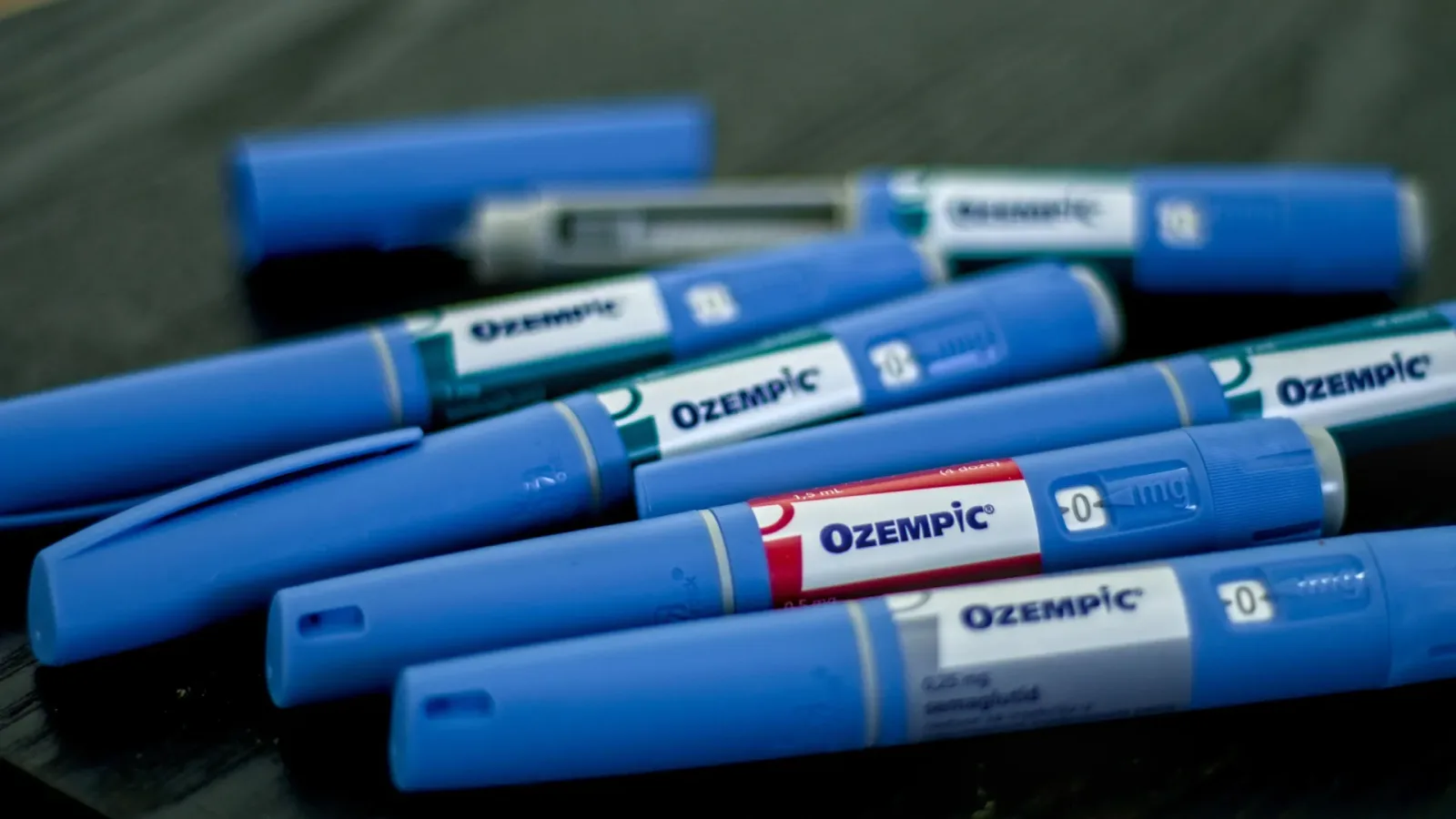
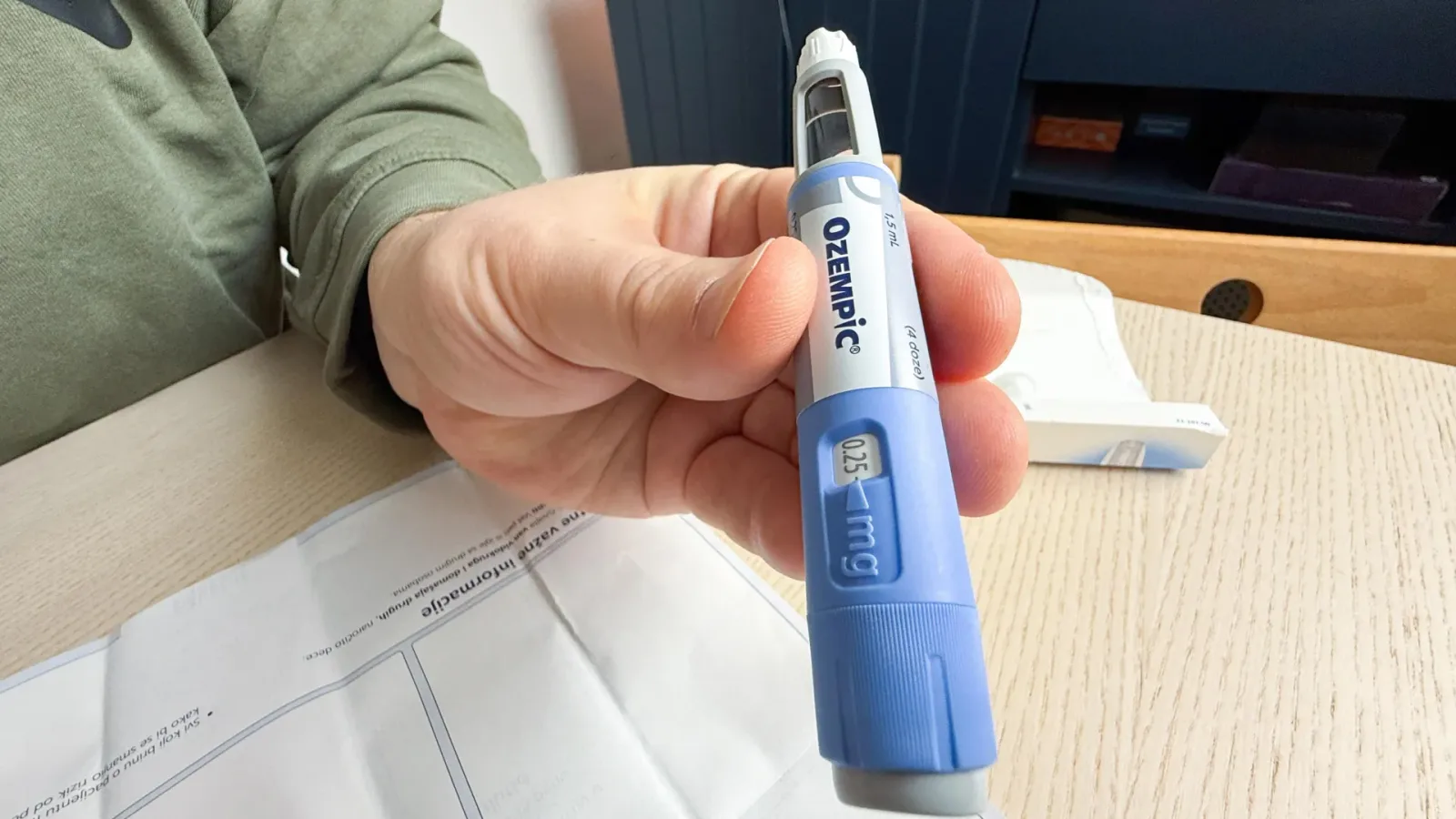
The rise of GLP-1 receptor agonists like Ozempic, Mounjaro, and Wegovy has revolutionized weight loss and diabetes management. However, with over 1.6 million people in the UK using these medications for weight loss, a critical question has emerged: Is it safe to drive while on these drugs?
Recent warnings from motoring experts and pharmacists indicate that drivers using these medications could face a £1,000 fine if they fail to declare specific side effects to the Driver & Vehicle Licensing Agency (DVLA). While the drugs themselves do not directly impair driving, the physiological reactions they trigger—such as dizziness, fatigue, and vision changes—can significantly impact road safety.
This guide breaks down the legal requirements, the medical science behind the risks, and practical steps to ensure you remain compliant and safe behind the wheel.
The Legal Landscape: DVLA Reporting Requirements
In the United Kingdom, the DVLA maintains strict regulations regarding medical conditions that may affect a driver's fitness to drive. While being prescribed a GLP-1 medication like semaglutide or tirzepatide is not in itself a barrier to driving, the side effects resulting from the treatment can change your legal obligations.
When Must You Report?
Drivers are legally required to inform the DVLA if a medical condition or medication side effect affects their ability to operate a vehicle safely. This is particularly relevant for conditions that cause:
- Sudden loss of consciousness or awareness
- Impaired vision or depth perception
- Severe dizziness or vertigo
- Extreme fatigue or reduced alertness
If you experience these symptoms while taking GLP-1s and do not report them, you risk a fine of up to £1,000. Furthermore, failing to declare a condition that impairs driving could leave you open to a dangerous or careless driving conviction in the event of an accident. Insurance policies may also be invalidated if you are driving without disclosing relevant medical information.
The "Reasonable Person" Standard
Managing Director Graham Conway of Select Car Leasing notes that drivers are often surprised by these requirements. The standard is not whether you feel generally unwell, but whether the specific symptom affects your ability to operate the vehicle safely. If you feel dizzy or your vision is blurred, you are legally obligated to stop driving and report the issue.
Understanding the Science: Why GLP-1s Affect Driving
To understand the risk, one must understand how GLP-1 medications interact with the body. Originally developed for Type 2 diabetes, these drugs mimic the hormone GLP-1, which regulates insulin secretion and appetite.
Gastrointestinal Distress and Fatigue
The most common side effects reported by users include nausea, vomiting, and stomach discomfort. While these symptoms are primarily gastrointestinal, they can become distracting behind the wheel. Robert Bradshaw, superintendent pharmacist at Oxford Online Pharmacy, explains that even mild nausea can reduce focus. More critically, persistent fatigue is a documented side effect, particularly with Mounjaro (tirzepatide).
Fatigue reduces alertness and slows reaction times to hazards, mirroring the effects of sleep deprivation. If your medication induces a state where you feel unusually tired or sleepy, this is a significant safety risk similar to driving with sleep apnea, a condition that must be reported to the DVLA.
Vision and Blood Sugar Fluctuations
Changes in vision are listed as a potential side effect for Ozempic (semaglutide). This can range from temporary blurriness to more significant issues if blood sugar levels drop too low. When GLP-1 drugs are used alongside other blood sugar-lowering medications, such as sulfonylureas or insulin, the risk of hypoglycemia (low blood sugar) increases.
Hypoglycemia can cause sweating, shakiness, confusion, and blurred vision. These symptoms can appear suddenly and compromise your ability to read road signs or judge distances. If you experience these symptoms, it is best to avoid driving until you feel well again.
Manufacturer Guidelines vs. Real-World Experience
There is often a distinction between what pharmaceutical manufacturers state and what patients experience in the real world. Navigating this gap is crucial for patient safety.
The Manufacturer Stance
Manufacturer Eli Lilly states on their official website that tirzepatide (Mounjaro) has "no or negligible influence on the ability to drive or use machines." They do, however, add a crucial caveat: when used in combination with a sulphonylurea or insulin, patients should take precautions to avoid hypoglycemia while driving.
Novo Nordisk, the manufacturer of Ozempic, similarly notes that dizziness due to low blood sugar is a risk when used with other medications that lower blood sugar.
Precision tracking for your journey
Join thousands using Shotlee to accurately track GLP-1 medications and side effects.
📱 Get the Shotlee App
Track your GLP-1 medications, peptides, and health metrics on the go with our mobile app!
The Pharmacist Perspective
While manufacturers emphasize safety, pharmacists urge caution based on observed patient data. "Dizziness may make it harder to focus on the road or could impair vision, making it unsafe to drive," says Bradshaw. The consensus among motoring experts is that if you feel your driving is compromised, it is, regardless of what the package insert says.
Comparison of Side Effects and Driving Risks
Not all GLP-1 medications affect every user in the same way. Understanding the specific profile of your medication can help you anticipate potential risks.
| Medication | Active Ingredient | Common Driving-Related Side Effects | DVLA Reporting Risk |
|---|---|---|---|
| Ozempic | Semaglutide | Dizziness (if combined with insulin), Vision changes | High if hypoglycemia occurs |
| Mounjaro | Tirzepatide | Dizziness, Fatigue, Nausea | Medium (Fatigue/Dizziness) |
| Wegovy | Semaglutide | Nausea, Fatigue, Dizziness | Medium (Symptom dependent) |
Practical Safety Tips and Health Tracking
Safety is the priority for both your health and your legal standing. Here is a practical checklist for managing your medication and driving.
1. Monitor Your Symptoms
Pay close attention to how your body reacts during the first few weeks of treatment or after dose increases. If you notice a pattern of dizziness after injection, schedule your driving for times when you feel most alert.
2. Track Your Data
Consistent tracking helps you identify triggers and provides valuable data for your healthcare provider. Shotlee allows you to log your dosage, injection times, and any side effects you experience. By maintaining a health log of symptoms like fatigue or vision changes alongside your medication schedule, you can better predict when you might be unfit to drive and share this history with your doctor.
3. Know the Hypoglycemia Signs
If you are on insulin or sulfonylureas alongside your GLP-1, always carry fast-acting glucose. If you feel shaky or sweaty, pull over immediately. Do not attempt to "drive through" the symptoms.
4. Check Your Insurance
Review your car insurance policy. Most policies require you to disclose medical conditions that affect driving. If you have declared your medication to the DVLA, ensure your insurance reflects this to avoid coverage issues.
5. When in Doubt, Don't Drive
If you feel unwell, the safest choice is not to drive. The £1,000 fine is a deterrent, but the risk of an accident is the true cost. As Graham Conway advises, "Being on a GLP-1 drug isn't necessarily a barrier to driving. The vast majority of people taking these medications may not experience side effects at all." However, if you do, report it.
Conclusion
The surge in GLP-1 usage for weight loss and diabetes management brings significant health benefits, but it also introduces new responsibilities for drivers. While the medications themselves are not banned from use while driving, the side effects they cause can legally classify you as unfit to drive if they impact your safety.
By staying informed about the DVLA rules, monitoring your physical response to the medication, and utilizing tools like Shotlee to track your progress, you can manage your health journey safely. Always prioritize your safety and the safety of others on the road over convenience.
Frequently Asked Questions
1. Do I have to tell the DVLA if I take Ozempic for weight loss?
You generally do not need to report the medication itself if you do not experience side effects. However, if you experience side effects like dizziness, vision changes, or fatigue that affect your driving, you must report these to the DVLA.
2. What happens if I get a fine for not declaring side effects?
Failure to declare a medical condition that affects your driving can result in a fine of up to £1,000. Additionally, you could face a dangerous or careless driving conviction, and your car insurance may be invalidated.
3. Can Mounjaro cause dizziness that requires reporting?
Yes, dizziness is a reported side effect of Mounjaro. If this dizziness affects your ability to focus on the road or operate the vehicle safely, it falls under DVLA reporting requirements.
4. Is hypoglycemia a risk when using GLP-1s alone?
Risk is generally low when using GLP-1s alone. However, the risk increases significantly when combined with insulin or sulfonylureas. In these cases, hypoglycemia symptoms like shakiness and blurred vision can impair driving.
5. How can I track my side effects while on peptide therapy?
Using a health tracking platform like Shotlee allows you to log your dosage, injection dates, and any symptoms like nausea or fatigue. This data helps you identify patterns and provides evidence for your doctor if you need to discuss driving fitness.