
The Race for Weight Loss: When Speed Becomes Risk
The landscape of obesity treatment is shifting rapidly. For years, patients have relied on GLP-1 receptor agonists like Ozempic and Wegovy to manage their weight. Now, the industry is looking toward the next generation of therapies. Retatrutide, an experimental triple-agonist drug, has captured significant attention for its potential to deliver weight loss results that outpace current standards. However, new data from recent randomized trials suggests a critical caveat: in the pursuit of maximum efficacy, some patients may be losing weight too quickly, leading to severe side effects.
Recent reports indicate that approximately 11% of participants at the highest dose of Retatrutide dropped out of the trial due to the severity of adverse reactions. This statistic highlights a growing concern in the medical community: while the drug is undeniably effective, the margin for error remains tight. As the hype around peptide therapy and metabolic drugs grows, it is vital to understand not just how much weight these medications can help you lose, but what that weight loss implies for your long-term health.
Understanding the Triple Agonist Mechanism
To understand why Retatrutide is causing such a stir, one must first understand its mechanism of action. Unlike traditional GLP-1 drugs, Retatrutide is a triple agonist, meaning it targets three distinct hormonal receptors: GLP-1, GIP, and glucagon.
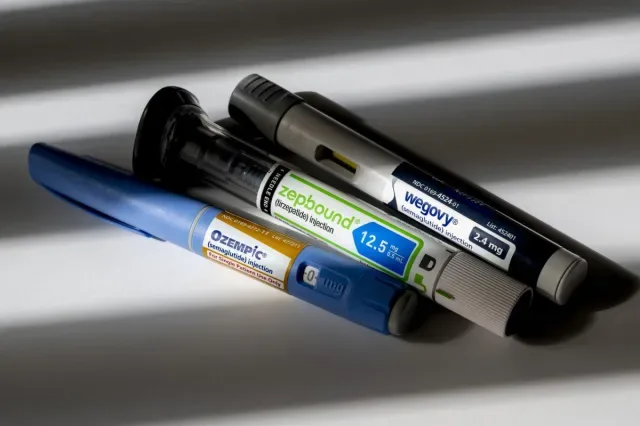
Current market leaders like Mounjaro (tirzepatide) and Ozempic (semaglutide) primarily target the GLP-1 receptor (and GIP in the case of tirzepatide). These hormones mimic the body's natural signals to increase insulin sensitivity and slow gastric emptying. Retatrutide adds a third layer to this equation by activating the glucagon receptor. Glucagon typically promotes fat burning and energy expenditure, effectively turning the drug into a metabolic accelerator alongside its appetite-suppressing capabilities.
How Retatrutide Compares to Mounjaro and Ozempic
The addition of the glucagon component theoretically allows for greater caloric burn and weight reduction. However, this power comes with a trade-off. The body's response to multiple hormonal signals is complex, and the simultaneous activation of these pathways can place significant stress on the gastrointestinal system.
| Medication | Active Components | Primary Target | Status |
|---|---|---|---|
| Semaglutide (Ozempic/Wegovy) | GLP-1 Agonist | Appetite & Insulin | Approved |
| Tirzepatide (Mounjaro/Zepbound) | GLP-1 + GIP Agonist | Appetite, Insulin & Fat Storage | Approved |
| Retatrutide | GLP-1 + GIP + Glucagon | Appetite, Insulin & Energy Expenditure | Experimental |
The "Too Effective" Problem in Clinical Trials
In the context of obesity medicine, "too effective" is a phrase that sounds like a marketing dream but represents a clinical nightmare. When patients lose weight at an accelerated rate, the body often struggles to adapt. The recent trial data showing a 11% dropout rate at the highest dose underscores the reality that aggressive weight loss can trigger severe physiological reactions.
Analyzing the 11% Dropout Rate
The participants who dropped out did so because the side effects became unmanageable. While specific individual cases vary, the class of side effects associated with high-dose triple agonists typically includes severe nausea, vomiting, and gastrointestinal distress. In some cases, rapid weight loss can lead to sarcopenia—the loss of muscle mass alongside fat. This is dangerous because muscle tissue is metabolically active and essential for long-term metabolic health.
Furthermore, rapid weight loss can sometimes lead to nutrient deficiencies or gallbladder issues. The body is not designed to shed mass at a rate that outpaces its ability to maintain homeostasis. This is why medical supervision is non-negotiable when considering potent therapies like Retatrutide.
Navigating the Grey Market and Unregulated Peptides
The demand for these high-efficacy drugs has created a dangerous parallel market. As noted in recent coverage by health reporters like Victoria Song, TikTok influencers and online vendors are increasingly promoting grey market knockoffs of "Ratratutide" and similar peptides. The source of these drugs is often unverified, and the contents are frequently unknown.
The Risks of Sourcing Medication Online
Buying unregulated peptides from the internet carries significant risks beyond just the drug's efficacy. Patients face the danger of:
- Purity Issues: The substance may not be what is listed on the label.
- Dosage Accuracy: Without clinical oversight, titration can be dangerous, leading to overdose or underdose.
- Contamination: Grey market products often lack sterile manufacturing standards, risking infection.
- Side Effect Management: If a reaction occurs, unregulated suppliers offer no medical support.
It is crucial to emphasize: please do not buy shady "Retatrutide" from the internet. The risks of counterfeit medication outweigh the potential benefits of weight loss.
Precision tracking for your journey
Join thousands using Shotlee to accurately track GLP-1 medications and side effects.
📱 Get the Shotlee App
Track your GLP-1 medications, peptides, and health metrics on the go with our mobile app!
Monitoring Safety While Managing Weight
For those currently undergoing clinical trials or using approved GLP-1 therapies like Mounjaro or Wegovy, the key to safety lies in monitoring. You cannot simply rely on the scale to tell you if you are healthy. A drop in weight does not always equate to a drop in body fat, nor does it guarantee metabolic health.
Why Digital Health Tools Like Shotlee Matter
Tracking progress goes beyond daily weigh-ins. Effective management of peptide therapy requires a holistic view of how the medication impacts your body. Platforms like Shotlee are designed to help patients and providers track the nuances of treatment.
By logging symptoms, doses, and health metrics over time, Shotlee allows for a clearer picture of the relationship between medication and well-being. For example, if you notice a correlation between a dosage increase and severe nausea, that data is vital for your doctor to adjust your regimen. Tracking these variables helps prevent the "too effective" scenario by ensuring that weight loss is sustainable and medically supervised.
Practical Takeaways for Patients and Providers
As the obesity treatment landscape evolves, both patients and healthcare providers must remain vigilant. The goal of treatment should be sustainable health, not just rapid numbers on a scale. Here are essential takeaways for navigating this new era of peptide therapy:
- Prioritize Muscle Retention: Ensure adequate protein intake and resistance training to prevent sarcopenia during weight loss.
- Respect the Titration Phase: Do not rush to the highest dose. Let your body adjust to the medication gradually.
- Source Legitimately: Only obtain medications through licensed pharmacies or clinical trial protocols.
- Track Holistically: Use health tracking tools to monitor symptoms, not just weight.
- Communicate Openly: Report side effects immediately to your healthcare provider.
Conclusion
Retatrutide represents a significant leap forward in the science of weight loss, offering a triple-agonist approach that targets appetite, insulin, and energy expenditure. However, the trial data serves as a sobering reminder that potency comes with responsibility. With 11% of high-dose participants dropping out due to side effects, the message is clear: aggressive weight loss is not inherently safe.
As we move forward, the focus must remain on sustainable, medically supervised treatment. Whether you are considering Semaglutide, Tirzepatide, or future investigational drugs, the path to better health requires careful tracking and a commitment to safety over speed.
Frequently Asked Questions
1. Why did 11% of Retatrutide trial participants drop out?
Participants dropped out primarily due to the severity of side effects associated with the highest dosage. While the drug is effective for weight loss, the intensity of gastrointestinal symptoms and potential metabolic stress proved unmanageable for some patients.
2. Is Retatrutide currently FDA approved for weight loss?
No, Retatrutide is currently an investigational drug used in clinical trials. It has not received full FDA approval for commercial use, distinguishing it from approved options like Ozempic and Mounjaro.
3. What is the difference between Retatrutide and Mounjaro?
Mounjaro (tirzepatide) is a dual agonist targeting GLP-1 and GIP receptors. Retatrutide is a triple agonist that adds the glucagon receptor, theoretically increasing energy expenditure and weight loss potential but also increasing the risk of side effects.
4. Can I buy Retatrutide from online vendors?
You should not buy Retatrutide from online vendors or grey market sources. These products are unregulated, may contain incorrect dosages or contaminants, and lack medical oversight, posing serious health risks.
5. How can I track side effects while on GLP-1 peptide therapy?
Using a dedicated health tracking tool like Shotlee allows you to log dosage, timing, and specific symptoms like nausea or fatigue. This data helps your provider adjust your treatment plan to minimize adverse effects while maintaining efficacy.