
The Emerging Link Between Metabolic Health and Psoriasis
For decades, the medical community has recognized a strong correlation between metabolic syndrome and inflammatory skin conditions. Now, emerging evidence suggests that medications originally designed for diabetes and weight management may offer a dual benefit for patients suffering from psoriasis. According to a comprehensive "primer" published by the National Psoriasis Foundation (NPF) in JAMA Dermatology, GLP-1 receptor agonists represent a biologically plausible and clinically intriguing adjunct to conventional psoriasis therapy.
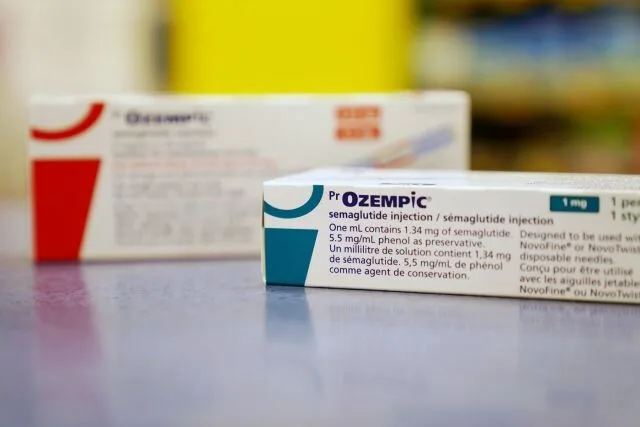
This shift in perspective is not merely about weight loss, although that component is significant. It is about addressing the shared inflammatory pathways that drive both metabolic dysfunction and skin disease. For the millions of patients living with moderate-to-severe psoriasis, understanding the potential of drugs like semaglutide (Ozempic, Wegovy) and tirzepatide (Mounjaro, Zepbound) could open new doors for symptom management and overall quality of life.
While definitive conclusions require larger, randomized clinical trials, the current data points to a promising future where metabolic health and dermatological care are treated as interconnected rather than separate silos. This article explores the science behind this connection, reviews key clinical data, and outlines how patients can effectively track their progress during treatment.
How GLP-1 Agonists Impact Skin and Inflammation
GLP-1 receptor agonists are a class of peptide therapy that mimics the incretin hormone GLP-1, which stimulates insulin secretion and slows gastric emptying. However, their mechanism extends beyond glucose regulation. These agents have been shown to target shared metabolic and inflammatory pathways that are central to psoriasis pathophysiology.
Reducing Systemic Inflammation
Psoriasis is fundamentally an immune-mediated disease characterized by chronic inflammation. Clinical evidence has shown that GLP-1 agonists, including semaglutide and liraglutide (Victoza, Saxenda), are associated with significant reductions in key inflammatory markers. Specifically, studies have noted decreases in C-reactive protein (CRP) and interleukin-6 (IL-6), both of which play critical roles in driving the inflammatory cascade of psoriatic disease.
Furthermore, the reduction in visceral adiposity (belly fat) is crucial. Adipose tissue is not merely inert storage; it is metabolically active and produces pro-inflammatory cytokines. By reducing visceral fat, GLP-1 therapy helps lower the overall inflammatory burden on the body, potentially making existing psoriasis medications more effective.
Improving PASI Scores
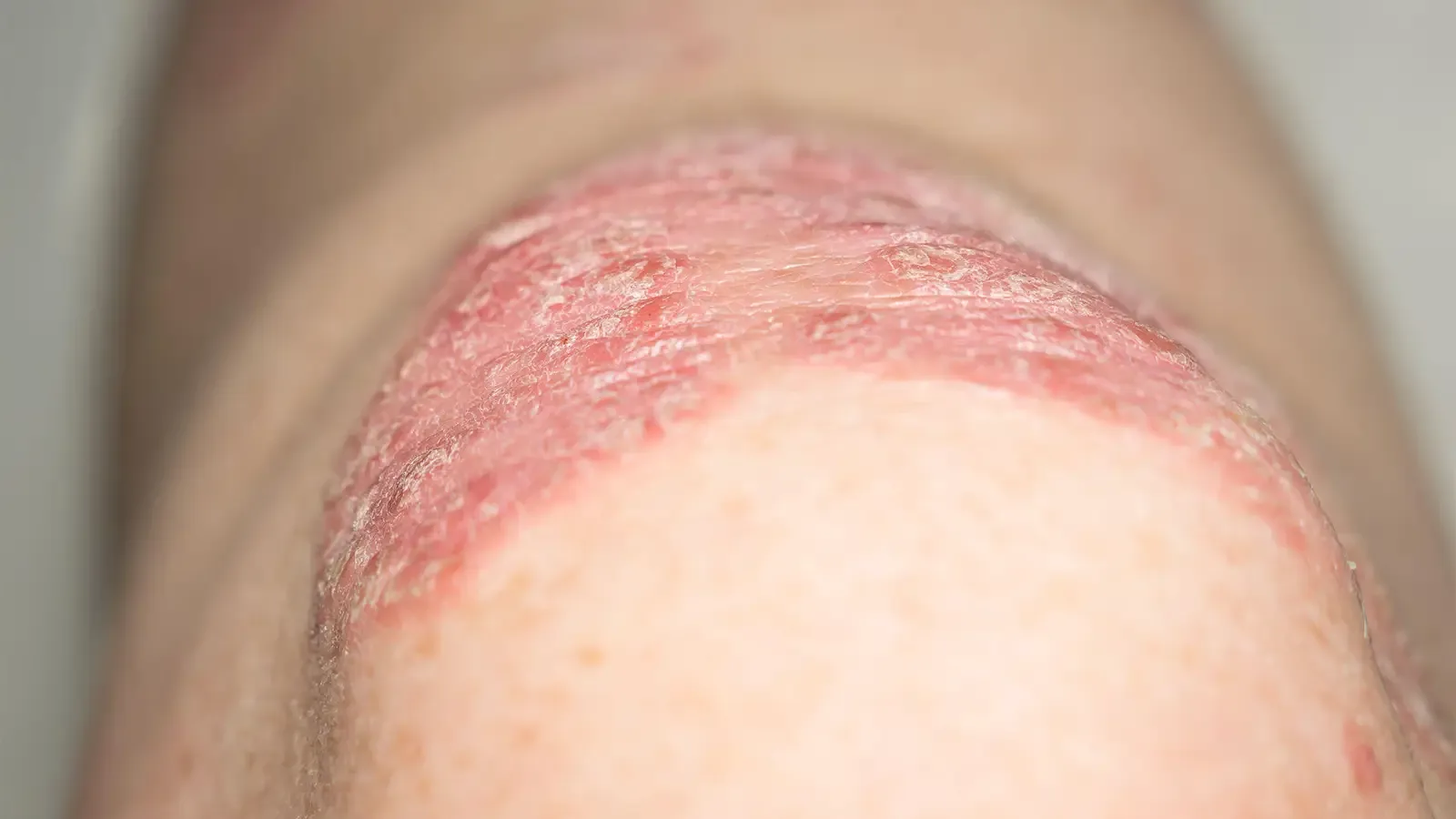
The Psoriasis Area and Severity Index (PASI) is the gold standard for measuring the severity of psoriasis. The NPF primer highlights that GLP-1 agonists have been associated with clinically meaningful reductions in PASI scores. In patients with concurrent obesity or type 2 diabetes, PASI reductions have ranged from 40% to 80%, with some adequately sized cohorts showing improvements of 48% to 52%.
Small translational studies have even correlated these improvements with reductions in superficial adiposity and dermal γδ T-cell density, suggesting a direct biological link between fat reduction in the skin layers and the clearance of psoriatic plaques.
Key Clinical Trials and Drug Comparisons
The landscape of psoriasis treatment is evolving rapidly. At the recent American Academy of Dermatology (AAD) meeting, the first report from the TOGETHER-PsA trial provided compelling data on combination therapy. This trial investigated adding tirzepatide, a dual glucose-dependent insulinotropic polypeptide (GIP)/GLP-1 agent, to ixekizumab (Taltz).
The results were significant. Patients receiving the combination therapy were more likely to meet a dual endpoint of at least 50% improvement in psoriatic arthritis criteria and at least 10% weight loss compared to those on ixekizumab alone. An ongoing companion study, TOGETHER-PsO, is currently comparing this combination against single-agent therapy in patients with moderate-to-severe psoriasis, with early data suggesting higher rates of PASI 75, PASI 90, and PASI 100 achievement.
Comparison of GLP-1 Agents in Psoriasis Context
| Drug Name | Class | Common Brand Names | Key Psoriasis Finding |
|---|---|---|---|
| Semaglutide | GLP-1 Receptor Agonist | Ozempic, Wegovy | Reductions in CRP, IL-6, and PASI scores; effective in weight loss. |
| Tirzepatide | GIP/GLP-1 Dual Agonist | Zepbound, Mounjaro | TOGETHER-PsA trial showed improved dual endpoints with biologics. |
| Liraglutide | GLP-1 Receptor Agonist | Victoza, Saxenda | Associated with reductions in visceral adiposity and inflammation. |
Combining GLP-1s with Existing Psoriasis Therapies
One of the most pressing questions for dermatologists and patients is safety. Can these metabolic drugs be used alongside standard psoriasis treatments? The evidence reviewed for the NPF primer suggests a favorable safety profile. Preliminary data indicate that GLP-1 receptor agonists can be combined safely with methotrexate, cyclosporine, and biological agents commonly used to treat psoriatic diseases.
Andrew Blauvelt, MD, who chairs the NPF medical board and led the primer, emphasized that the primary goal is not to replace current therapies but to enhance them. "Weight loss, in the case of psoriasis, will improve the ability of our psoriasis drugs to work," Blauvelt noted. This synergy is particularly important for patients who experience "breakthrough" flares despite being on stable biologic regimens.
Genetic Insights and Non-Metabolic Mechanisms
While weight loss is a major driver of improvement, recent genetic analyses suggest there may be more to the story. A study evaluating genetic proxies of GLP-1 receptor expression found that increased expression was associated with reduced susceptibility to both psoriasis and psoriatic arthritis (PsA). These associations remained statistically significant even after adjustment for metabolic traits.
Precision tracking for your journey
Join thousands using Shotlee to accurately track GLP-1 medications and side effects.
📱 Get the Shotlee App
Track your GLP-1 medications, peptides, and health metrics on the go with our mobile app!
This suggests that GLP-1 receptors may have immunomodulatory benefits independent of their metabolic effects. While the majority of clinical benefit likely stems from weight reduction, the potential for direct anti-psoriatic activity warrants further investigation. This complexity highlights the need for personalized treatment plans based on individual metabolic and genetic profiles.
Tracking Your Progress: Why Data Matters
As patients embark on GLP-1 therapy alongside their psoriasis treatment, monitoring becomes a critical component of success. Unlike short-term treatments, these medications often require long-term commitment to maintain weight loss and skin clearance. Consistent tracking helps distinguish between medication side effects, lifestyle factors, and disease progression.
This is where digital health tools become invaluable. For patients navigating these new treatment options, maintaining a detailed health log is crucial. Shotlee allows you to track dosage adherence, monitor skin flare-ups, and log weight changes alongside your medication timeline. By correlating your GLP-1 dose adjustments with your PASI symptoms and weight metrics, you can provide your healthcare provider with actionable data during follow-up visits.
Effective tracking involves:
- Dose Logging: Recording weekly or monthly dose escalations to identify timing of side effects.
- Symptom Scoring: Noting the severity of itching, redness, or plaque thickness daily.
- Weight Trends: Monitoring weight loss velocity to ensure it aligns with metabolic goals without being too rapid.
- Medication Interactions: Keeping a record of all concurrent medications to ensure safety.
Practical Takeaways for Patients
The integration of GLP-1 receptor agonists into psoriasis care is not a one-size-fits-all solution. The evidence indicates that the greatest benefits occur in patients with obesity and metabolic comorbidities. For those at a healthy weight, the impact may be modest.
However, for the right candidate, the combination of metabolic support and skin clearance could be transformative. If you are considering this path, here are the key steps to take:
- Consult Your Specialist: Discuss the NPF primer findings with your dermatologist or primary care provider to see if you are a candidate.
- Set Realistic Expectations: Understand that while weight loss helps, GLP-1s are adjunctive, not necessarily a standalone cure for psoriasis.
- Monitor Inflammation: Keep an eye on inflammatory markers like CRP if your doctor orders blood work.
- Track Consistently: Use a tool like Shotlee to build a comprehensive health history that supports your medical team.
- Patience is Key: Clinical trials show improvements over time; do not expect immediate clearance of plaques upon starting the medication.
Conclusion
The intersection of metabolic health and dermatology is an exciting frontier in modern medicine. The National Psoriasis Foundation's primer provides a robust foundation for considering GLP-1 receptor agonists as adjunct therapy for selected patients with psoriasis and metabolic comorbidities. From the TOGETHER trials to genetic studies, the data supports a role for these agents in reducing inflammation and improving quality of life.
While larger randomized clinical trials are still needed to solidify guidelines, the current evidence is compelling enough to warrant consideration. By combining medical expertise with diligent health tracking, patients can better navigate their treatment journey toward clearer skin and better metabolic health.
Frequently Asked Questions
1. Do GLP-1 agonists cure psoriasis?
No, GLP-1 agonists are not considered a cure for psoriasis. They are viewed as adjunctive therapy that can improve disease status, particularly in patients with obesity. The primary mechanism appears to be the reduction of inflammation and visceral fat, which enhances the efficacy of other treatments, rather than eliminating the underlying autoimmune condition.
2. Which drugs are most effective for psoriasis patients?
Semaglutide (Ozempic, Wegovy) and tirzepatide (Mounjaro, Zepbound) currently have the most compelling data regarding psoriasis improvement. Tirzepatide has shown promise in combination with biologics in the TOGETHER-PsA trial, while semaglutide has demonstrated reductions in inflammatory markers like CRP and IL-6 in multiple studies.
3. Can I take GLP-1s if I am not obese?
The benefits are most pronounced in patients with obesity or type 2 diabetes. In placebo-controlled trials involving glucose-tolerant patients without significant metabolic dysfunction, GLP-1 agonists did not significantly affect psoriasis status. Therefore, they are typically prescribed as adjuncts for those with concurrent metabolic comorbidities.
4. Are there side effects when combining GLP-1s with biologics?
Current preliminary data suggest that GLP-1 receptor agonists can be combined safely with methotrexate, cyclosporine, and biological agents. However, because both classes of drugs can impact the immune system and metabolism, close monitoring by a healthcare provider is essential to manage any potential interactions or overlapping side effects like nausea or fatigue.
5. How long does it take to see skin improvement on GLP-1s?
Improvements vary by individual, but clinical data suggests that PASI score reductions often become noticeable as weight loss progresses. Since these drugs are often used for long-term metabolic management, skin improvements may take several months to fully manifest as the inflammatory burden on the body decreases and adiposity is reduced.