
The Dawn of Oral GLP-1s: A New Era in Weight Management
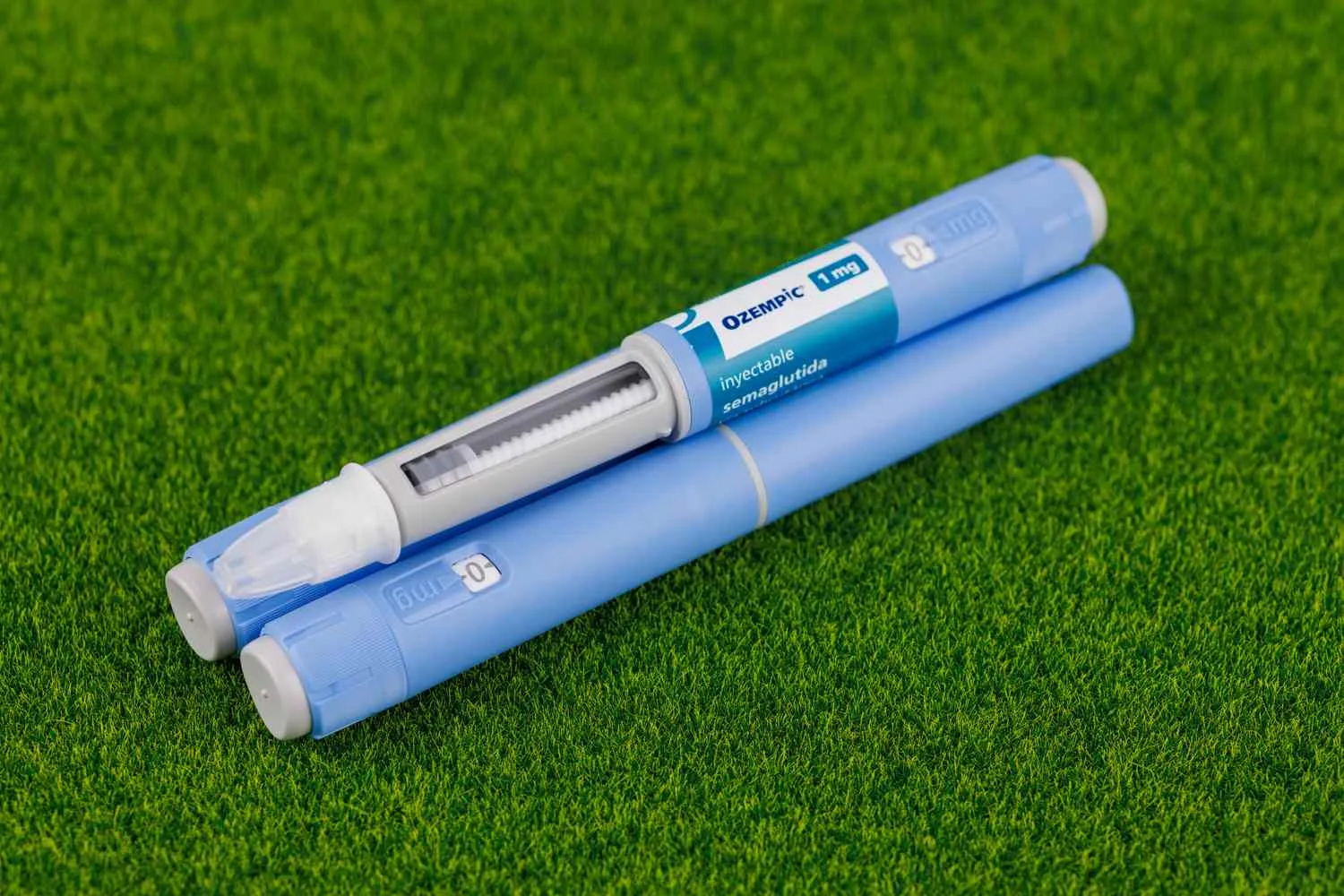
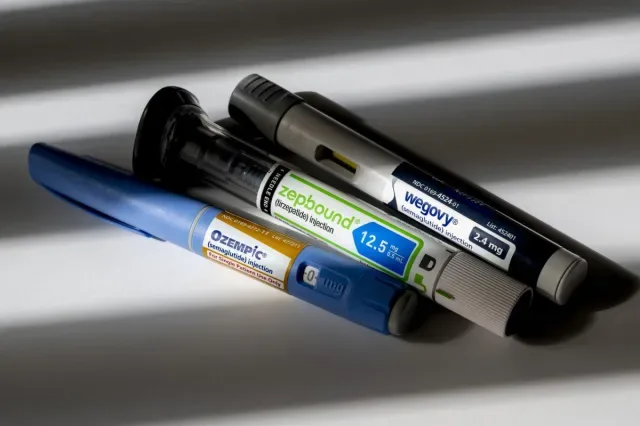
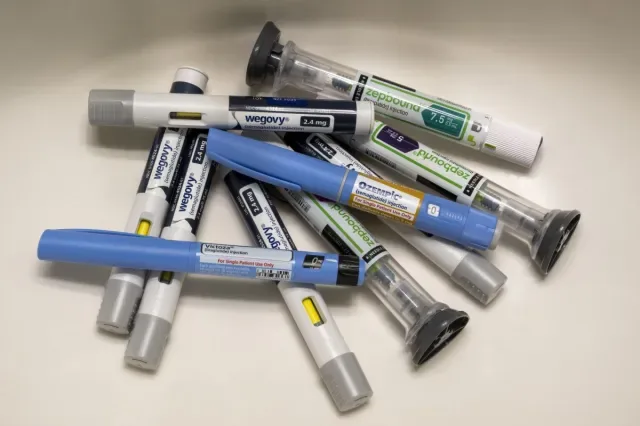
The surge in popularity and efficacy of GLP-1 receptor agonists—medications like semaglutide (Ozempic, Wegovy) and tirzepatide (Mounjaro)—has revolutionized the treatment of obesity and type 2 diabetes. However, these highly effective treatments often come with the hurdles of regular injections and significant costs, limiting access for many who could benefit.
Enter orforglipron, a groundbreaking, non-peptide, once-daily oral GLP-1 agonist. Research, including ongoing clinical trials at institutions like the CU Anschutz Diabetes and Endocrinology Clinical Trial Program, is paving the way for a future where these powerful medications are delivered via a simple pill, potentially reshaping the accessibility and sustainability of chronic weight management.
One participant in the ATTAIN-1 trial, Julia Swaney, exemplifies the commitment required for this research. For two years, she has taken a daily pill, hoping to quiet the persistent “food noise” that has challenged her eating habits since adolescence. While she hasn't yet seen the desired weight loss—perhaps taking the placebo or being a non-responder—her contribution is vital to advancing science.
Orforglipron: Efficacy, Delivery, and Non-Peptide Advantages
Orforglipron represents a significant chemical departure from existing injectable GLP-1s. It is a non-peptide agonist, which offers distinct manufacturing and administration advantages.
Comparing Oral Delivery Methods
Existing oral GLP-1 options, such as oral semaglutide, require strict adherence to fasting protocols—patients must take the pill on an empty stomach and wait at least 30 minutes before consuming food or drink. This requirement creates a significant adherence challenge for many patients.
“Even the most motivated people have a hard time adhering to the directions on the label, and many people don't want to use injectables for the rest of their lives,” notes Dr. Neda Rasouli, lead researcher at CU Anschutz.
Orforglipron, as a non-peptide oral formulation, does not carry these same restrictions, potentially simplifying daily routines and improving long-term compliance.
Clinical Trial Results Highlight Promising Efficacy
The initial data supporting orforglipron’s FDA approval for weight loss has been encouraging. The ATTAIN-1 trial, a randomized, double-blinded, placebo-controlled study, demonstrated significant results across various doses tested.
| Study Metric | Lowest Dose Result (72 Weeks) | Highest Dose Result (72 Weeks) | Placebo Group Result (72 Weeks) |
|---|---|---|---|
| Average Body Weight Loss | 7.8% | 12.4% | Little to no change |
These findings suggest that the efficacy profile of this oral medication is comparable to that achieved with established injectable peptide-based GLP-1 medications.
Understanding Response Variability in GLP-1 Therapy
Even with highly effective medications, patient response is not uniform. Dr. Rasouli points out that reported weight loss figures are averages. In clinical trials, while the average might be 12% loss, some individuals achieve 20% or more, while others experience minimal benefit.
The Placebo and Non-Responder Challenge
In the ATTAIN-1 trial, participants like Julia Swaney are critical because they are either receiving the active drug or a placebo. If Swaney has not experienced the typical GLP-1 side effects or weight reduction, she might be on placebo, or she could be what researchers term a “non-responder.”
Precision tracking for your journey
Join thousands using Shotlee to accurately track GLP-1 medications and side effects.
📱 Get the Shotlee App
Track your GLP-1 medications, peptides, and health metrics on the go with our mobile app!
Dr. Rasouli estimates that 5-10% of people in controlled trials may not respond to the active drug, a figure that might rise to 20% in real-world settings. Understanding why some individuals do not respond is a major focus for future research.
The Value of Commitment in Research
For participants like Swaney, who remain committed even without seeing personal benefits, their dedication provides invaluable data. If Swaney is a non-responder, that information is just as crucial as data from successful responders, helping researchers map out the biological reasons for treatment variability. Swaney’s commitment allows the trial to continue for the full 190 weeks required for participants identified with pre-diabetes, assessing long-term safety and metabolic impact.
Obesity as a Chronic Disease Requiring Medical Intervention
The discussion around weight loss medication is often complicated by societal views that frame obesity purely as a failure of willpower. Researchers strongly counter this notion.
“Obesity is a disease. It's not just a lack of willpower. It's not simply people who don't pay attention to their health and well-being. There is dysregulation in the body's wiring system, in the appetite center and metabolism, that leads some people to become obese,” states Dr. Rasouli.
Julia Swaney, a retired nurse, understands this distinction well. Despite being hyper-aware of nutrition and having tried numerous lifestyle changes, long-term success has been elusive. This difficulty stems from the body’s natural resistance to weight loss.
Metabolic Pushback and Long-Term Maintenance
When weight is lost through diet and exercise alone, the body’s metabolism actively resists the change, working to return to its prior set point. Long-term studies show that lifestyle changes alone result in only about 5% of people maintaining significant weight loss over time. This highlights the necessity of medical intervention to recalibrate the body’s physiological signals.
GLP-1 therapies target this dysregulation directly, effectively quieting the constant “food noise” and altering appetite signals. For many, this physiological shift is what finally allows for sustainable weight management.
Accessibility and Affordability: The Future of Peptide Therapy
If orforglipron proves to be as effective as injectables while being easier to manufacture (due to its non-peptide structure), it holds the potential to significantly lower costs and increase widespread availability.
Preliminary cost analysis suggests orforglipron could be substantially cheaper for uninsured, direct-pay patients—estimated to be 20% to 50% less expensive per month compared to Zepbound, for example. This cost reduction is crucial for tackling obesity on a population level.
Tracking Progress and Symptom Management
For patients utilizing these powerful medications, whether injectable or oral, diligent tracking is essential. Tools that help monitor adherence, track weight trends, and log potential side effects (like nausea or gastrointestinal changes) are vital for both the patient and their clinical team. Platforms like Shotlee can assist participants in clinical trials or those managing chronic weight conditions by providing a structured way to log daily intake, medication timing, and physical responses, ensuring that treatment adjustments are data-driven.
Practical Takeaways for Patients Considering GLP-1s
- Oral vs. Injectable: New oral GLP-1s like orforglipron may offer comparable efficacy without the adherence challenges of fasting or injections.
- Response Varies: Understand that results are averaged; not everyone responds identically to GLP-1 therapy.
- Obesity is a Disease: Effective, long-term management often requires medical intervention to override metabolic resistance.
- Clinical Trials Matter: Participation in studies, even on placebo, is essential for gathering the evidence needed to bring safer, more accessible drugs to market.
Conclusion
The development of non-peptide oral GLP-1 agonists like orforglipron signals a major step forward in making chronic weight management more practical and accessible. While injectable GLP-1s have proven their effectiveness, the future likely involves diverse delivery methods tailored to patient preference and lifestyle. As research continues, the goal remains clear: to provide effective, sustainable medical solutions for obesity by addressing the underlying physiological dysregulation.