
The GLP-1 Revolution: Reshaping Global Protein Demand
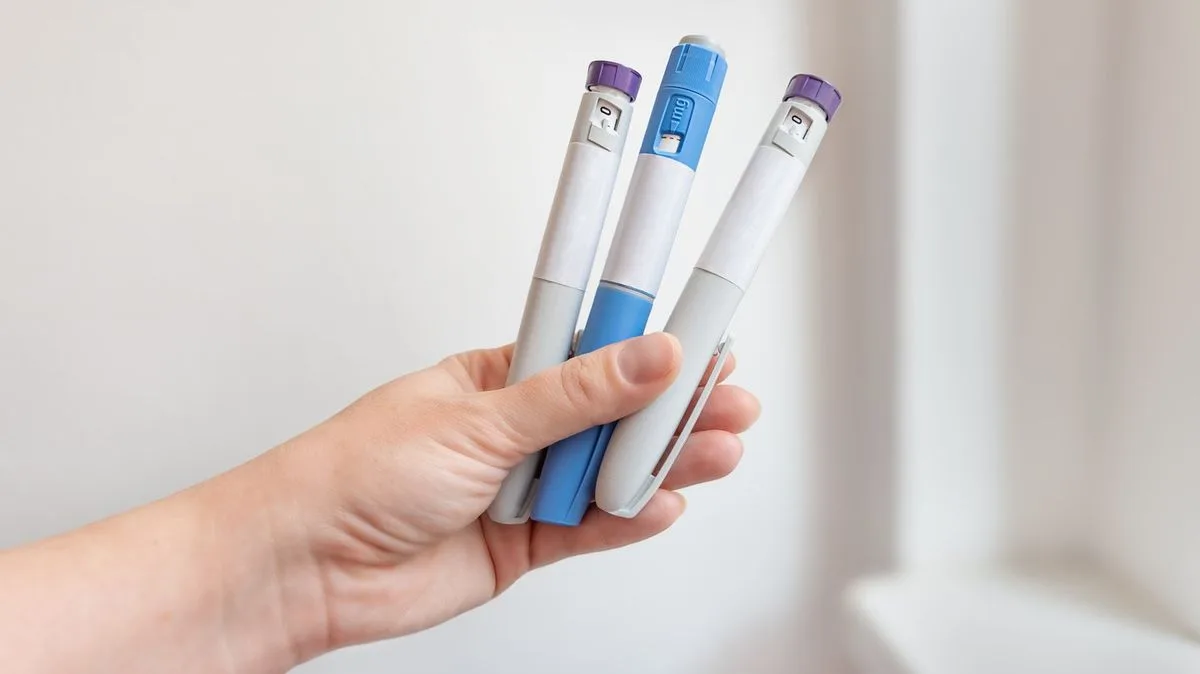
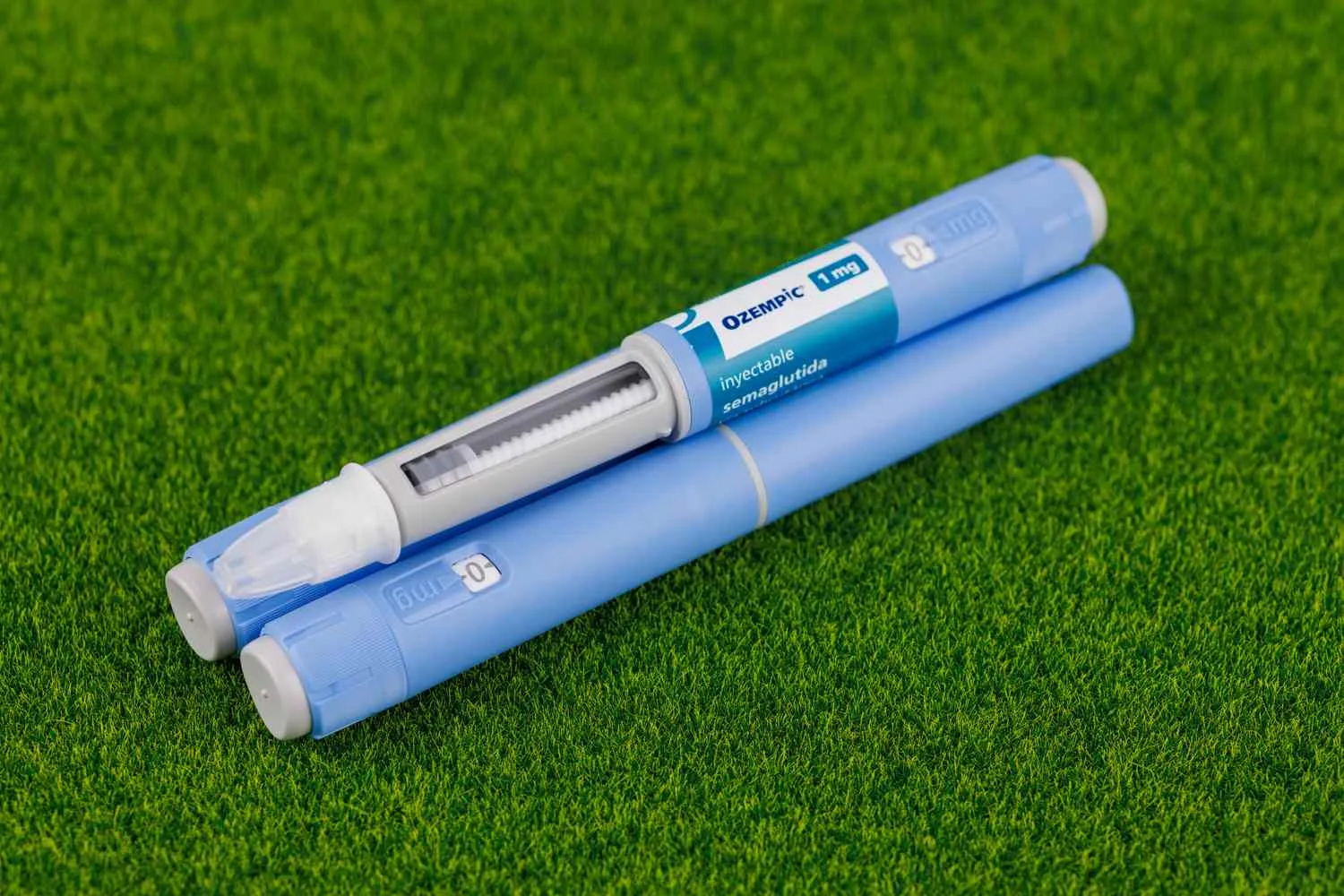
The landscape of weight management has been fundamentally altered by the widespread adoption of GLP-1 receptor agonists—medications like semaglutide (Ozempic, Wegovy) and tirzepatide (Mounjaro). While these drugs are celebrated for their efficacy in managing weight and blood sugar, they are simultaneously exerting powerful, unexpected pressure on global supply chains, particularly those related to dietary protein.
A major consequence of this pharmaceutical trend is a soaring demand for protein-rich ingredients, most notably whey. Dairy companies and food manufacturers worldwide are now heavily investing in infrastructure to capitalize on, and keep pace with, this new consumer focus on muscle preservation alongside weight loss.
Whey: From Byproduct to High-Value Commodity
Whey, historically a secondary product derived from the cheese-making process often relegated to animal feed, has rapidly transformed into a sought-after commodity. As consumers using GLP-1 medications experience appetite suppression and rapid weight loss, the imperative to maintain lean muscle mass becomes critical. Whey protein is recognized as a complete, high-quality protein source essential for mitigating sarcopenia (age-related muscle loss) during periods of caloric deficit.
The market reaction to this shift is stark. Data from the StoneX consultancy reveals that the price of whey protein concentrate with 80% protein content (WPC 80) has skyrocketed, increasing by nearly 90% over the last year, reaching approximately €20,000 ($23,410) per metric ton. This increase significantly outpaces price hikes seen in other major dairy segments, such as powdered milk or cheese.
“The ongoing strong demand for whey proteins, being fueled even further by GLP-1 in recent years, is what the industry needs to figure out,” notes Luis Cubel, managing director of Arla Foods Ingredients. “Are there any more untapped volumes you can tap into?”
Industry Responds: Capacity Expansion and Product Innovation
Dairy giants are reacting swiftly to secure and process more whey. Companies such as Arla Foods and Dutch producer FrieslandCampina are actively expanding their whey production capacities. Simultaneously, major food firms are reformulating existing products or launching new lines explicitly targeting the high-protein demographic, exemplified by Danone’s focus on its Oikos yogurt brand and Bel Group’s introduction of Babybel Protein.
The Drive for Muscle Preservation
Kristen Coady, Chief Innovation and Brand Officer at Dairy Farmers of America (DFA), confirms that users of these weight-loss drugs are actively seeking out protein to combat muscle atrophy. This demand is directly spurring innovation in dairy categories.
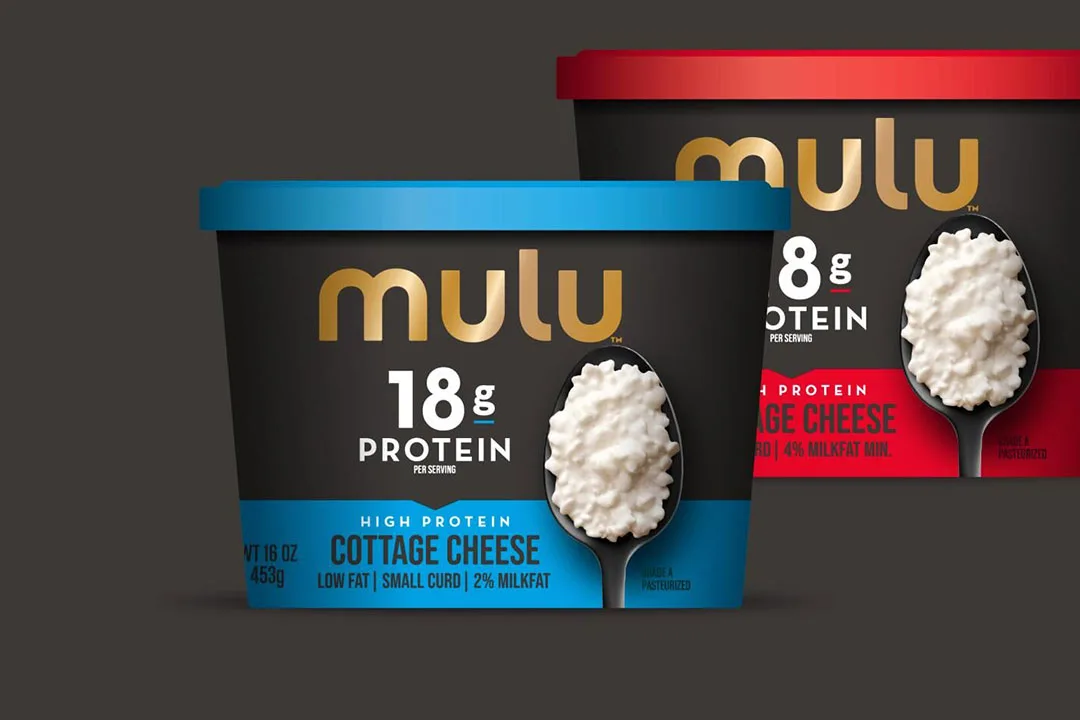
DFA, the largest US dairy farm cooperative, recently launched MULU, a specialized cottage cheese formulation that boasts 18 grams of complete protein per half-cup serving—substantially higher than the typical 12 to 13 grams found in conventional cottage cheese. This move necessitated increased investment in culturing capabilities, leading DFA to convert production sites previously dedicated to fluid milk.
The trend is also evident in consumer purchasing behavior tracked by wellness retailers. Hyeyoung Moon, Chief Revenue Officer at iHerb, reported immense growth in GLP-1-adjacent product sales, noting that customers are specifically searching for supplements to counteract side effects, particularly muscle loss, moving beyond the traditional bodybuilding consumer base.
Infrastructure Bottlenecks in High-End Whey Processing
While the demand for protein is clear, the industry faces a significant hurdle: the infrastructure required to process raw whey into the highly purified forms demanded by modern food formulations.
The Race for Whey Isolates
John Lancaster, Head of EMEA Dairy and Food Consulting at StoneX, highlights that the current infrastructure struggles to keep up with the market’s need for high-protein whey concentrates and isolates (WPC and WPI). These refined forms are necessary for creating palatable, high-protein snacks, drinks, and yogurts.
Precision tracking for your journey
Join thousands using Shotlee to accurately track GLP-1 medications and side effects.
📱 Get the Shotlee App
Track your GLP-1 medications, peptides, and health metrics on the go with our mobile app!
To address this, major players are making substantial capital investments:
- FrieslandCampina finalized the acquisition of Wisconsin Whey Protein, a US-based WPI producer, in January and has since doubled the processing capacity at its Dutch Borculo plant. The company is investing over €90 million to accelerate its high-value whey protein segment.
- Lactalis Ingredients views dairy proteins as a massive opportunity, emphasizing their superior quality while acknowledging the need to explore substitutes to meet overwhelming demand.
The quality of the protein is paramount. As food producers aim to integrate these ingredients into diverse products, the processing capability to deliver high-purity, functional ingredients becomes the competitive differentiator.
| Dairy Segment | Recent Price Trend (Approx. YoY Change) | Primary Driver |
|---|---|---|
| Whey Protein Concentrate (WPC 80) | ~+90% | GLP-1 Demand, Muscle Preservation |
| Powdered Milk | Moderate Increase | General Dairy Market Conditions |
| Cheese | Moderate Increase | General Dairy Market Conditions |
Exploring Alternative Protein Solutions
The strain on traditional dairy infrastructure is pushing food technology toward alternative protein sources. This has created new revenue streams for struggling US farmers who are seeing increased interest in protein-rich crops like peas and lentils.
Precision Fermentation Gains Traction
Biotechnology companies utilizing precision fermentation—a process that uses microorganisms to produce specific proteins—are attracting significant investment. These startups aim to create functional proteins outside the traditional agricultural supply chain.
French startup Verley, which ferments fungi to produce proteins focused on muscle recovery, described the GLP-1 impact on the usually slow-moving food sector as “insane.” Co-founder Stephane Mac Millan noted that the landscape in the US has completely shifted in just a few years, forcing the entire industry to reformulate.
Another French firm, Standing Ovation, which produces casein proteins (another dairy protein derived via fermentation) and has secured investment from Danone and Bel Group, reports that 80% of its current development pipeline focuses on high-protein solutions driven by the GLP-1 boom.
While precision fermentation remains costly compared to traditional methods, the high price point of whey creates a powerful incentive for these alternative technologies to scale. However, the final hurdle remains consumer acceptance, particularly concerning taste. As Peter McGuinness, CEO of Bel Group North America, noted, “Dairy protein is delicious. In this protein race, we’ve lost deliciousness.”
Practical Takeaways for Health Management
For individuals utilizing GLP-1 medications, prioritizing adequate protein intake is non-negotiable for long-term health success, ensuring weight lost is fat mass, not vital muscle tissue. While the market scrambles to deliver new products, patients should focus on consistent, high-quality protein consumption.
Tracking your intake is crucial. Tools like the Shotlee app can help users monitor daily macronutrient goals, log new high-protein foods, and track any gastrointestinal side effects that might influence dietary choices while on semaglutide or tirzepatide therapy.
Conclusion
The success of GLP-1 drugs has inadvertently created a protein crisis, or perhaps, a protein renaissance. The massive, sudden demand for whey protein is restructuring dairy economics, accelerating investment in advanced processing technology, and opening doors for novel alternative protein sources. As the pharmaceutical revolution continues, the food industry is being forced into rapid, high-stakes innovation to ensure that those achieving weight loss also maintain strength and health.