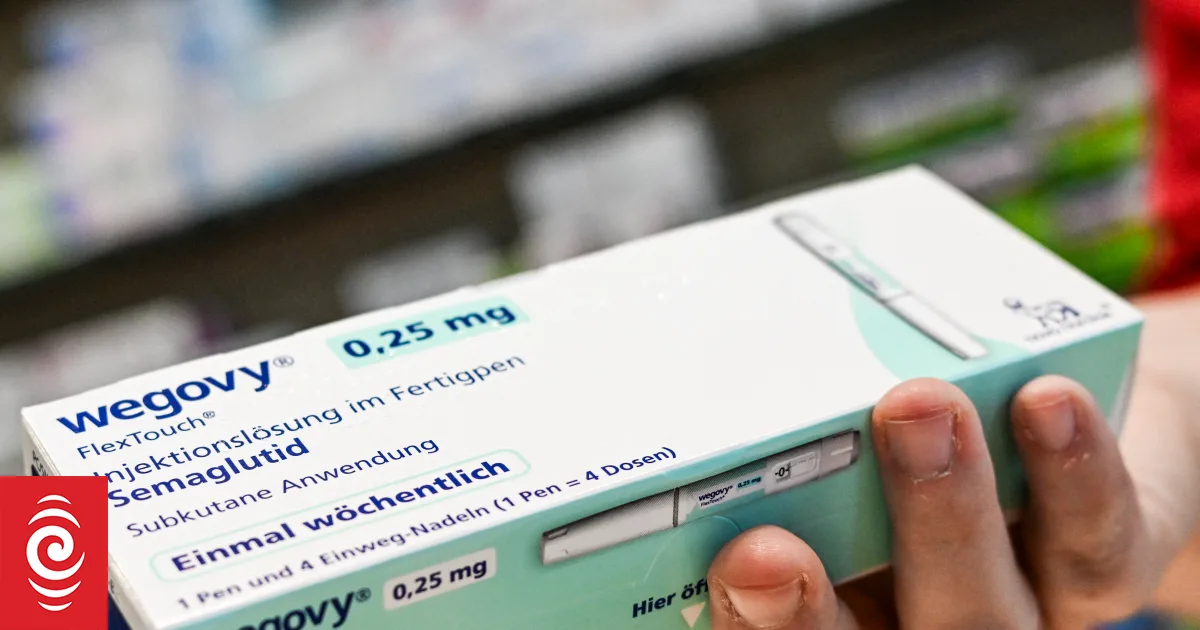

New Zealand Moves Closer to Funding Wegovy
In a significant development for weight management in New Zealand, the national drug-funding agency, Pharmac, has officially added the weight-loss drug Wegovy to its "Options For Investment" list. This decision marks a pivotal moment for patients struggling with obesity, particularly those who have found traditional methods insufficient.
Wegovy, which contains the active ingredient semaglutide, is currently unfunded in New Zealand, costing patients approximately $400 per month. While the final decision on funding is not yet confirmed, placing the medication on this list is a strong indicator of future availability. Experts in the field, including Auckland University paediatric endocrinology professor Wayne Cutfield, suggest that funding could be realized within weeks or months rather than years.
For thousands of New Zealanders, this news offers a renewed sense of hope. However, questions remain regarding the final eligibility criteria, the level of subsidy, and the exact timeline for rollout. This article breaks down the current landscape of GLP-1 therapy access in New Zealand, the medical criteria for funding, and how patients can prepare for their health journey.
Understanding Pharmac's "Options For Investment" Status
To understand the significance of this news, it is essential to understand how Pharmac operates. Pharmac is responsible for deciding which medicines are funded by the New Zealand government. The "Options For Investment" list is a specific category that includes medications Pharmac would fund if the budget allowed. It does not guarantee immediate access, but it signals that the drug is under serious consideration and meets the threshold for potential funding.
Currently, Wegovy is not on the funded medicines list. This means patients must pay the full retail price, which is prohibitively expensive for many. The addition to the investment list suggests that Pharmac has completed a preliminary review and views semaglutide as a high-value intervention compared to the long-term healthcare costs of obesity-related conditions.
While the order of Pharmac's list is not made public for commercial reasons, the movement of Wegovy into this category is a strategic step. It places semaglutide alongside other critical treatments that the government is actively evaluating for budget allocation.
The Timeline for Availability
Speculation regarding the timeline is high. Professor Wayne Cutfield noted that while it is not possible to predict the exact date, the process is not expected to take years. "This isn't the only drug in their cross-hairs," Cutfield explained, highlighting the complexity of budget decisions. However, he emphasized that the urgency of the obesity crisis suggests a faster resolution than previous pharmaceutical approvals.
Weight loss specialist Gerard McQuinlan expressed hope that approval would come well before 2030. His expectation is that if approved, Wegovy would be fully funded, reducing the patient cost to the standard $5 prescription fee. This would represent a massive shift in accessibility, transforming the drug from a luxury expense into a standard medical treatment.
Eligibility Criteria: Who Qualifies for Funding?
Access to funded weight-loss medication is typically restricted to ensure resources are directed to those with the highest medical need. Based on the information released by Pharmac, the recommended eligibility criteria for Wegovy funding involve strict Body Mass Index (BMI) thresholds and the presence of co-morbidities.
To qualify for potential funding, patients generally need to meet one of the following criteria:
- BMI Greater Than 50: Patients with a BMI over 50 may qualify regardless of other health conditions, given the severe health risks associated with this level of obesity.
- BMI Greater Than 35 with Co-morbidities: Patients with a BMI over 35 must have at least two co-morbidities to be eligible.
Co-morbidities are medical conditions that exist alongside the primary condition. In the context of weight loss, common co-morbidities include high blood pressure (hypertension), obstructive sleep apnea, and type 2 diabetes. Specialist Gerard McQuinlan noted that these conditions are all improved by weight loss, meaning that funding the drug could deliver significant savings to the healthcare system by reducing the burden of chronic disease management.
Eligibility for Adolescents
A crucial distinction in the New Zealand context is the eligibility of teenagers. Professor Cutfield clarified that the term "people" used by Pharmac does not exclude minors. Wegovy is licensed in New Zealand for individuals over the age of 12. This is a notable difference compared to Australia, where recommendations are far more exclusive.
Paediatric obesity is a growing concern, and the availability of GLP-1 agonists like semaglutide for teens could prevent long-term health complications. However, final eligibility criteria for this demographic may still be subject to refinement as the funding decision is finalized.
The Cost Barrier and Current Reality
Until funding is officially approved, the financial barrier remains the primary obstacle. At a cost of roughly $400 per month, semaglutide is out of reach for many New Zealanders without private insurance or significant disposable income. This cost disparity creates an inequity where access to life-changing medication depends on financial status rather than medical need.
Even with the current unfunded status, the demand for weight loss drugs is high. Patients often turn to alternatives or seek private prescriptions, but these routes are expensive and require ongoing medical supervision. The potential move to a fully funded model, where patients pay only the standard $5 prescription fee, would democratize access.
Precision tracking for your journey
Join thousands using Shotlee to accurately track GLP-1 medications and side effects.
📱 Get the Shotlee App
Track your GLP-1 medications, peptides, and health metrics on the go with our mobile app!
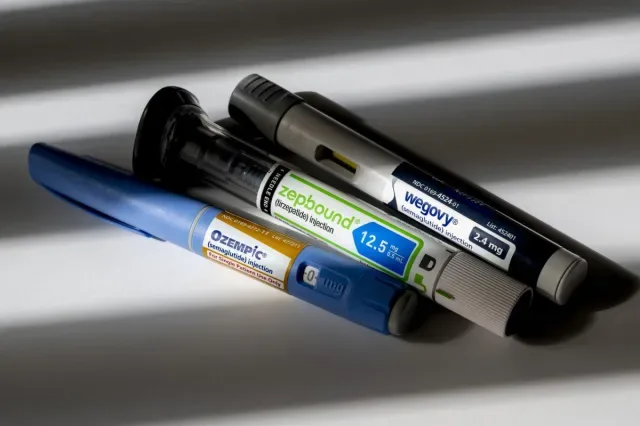
GLP-1 Agonists: Wegovy, Ozempic, and Mounjaro
Patients often confuse the various medications in this class. It is important to distinguish between them when discussing funding and prescription options.
| Medication Name | Active Ingredient | Primary Indication | Status in NZ |
|---|---|---|---|
| Wegovy | Semaglutide | Weight Management | Currently Unfunded |
| Ozempic | Semaglutide | Type 2 Diabetes | Funded (for Diabetes) |
| Mounjaro | Tirzepatide | Type 2 Diabetes | Currently Unfunded |
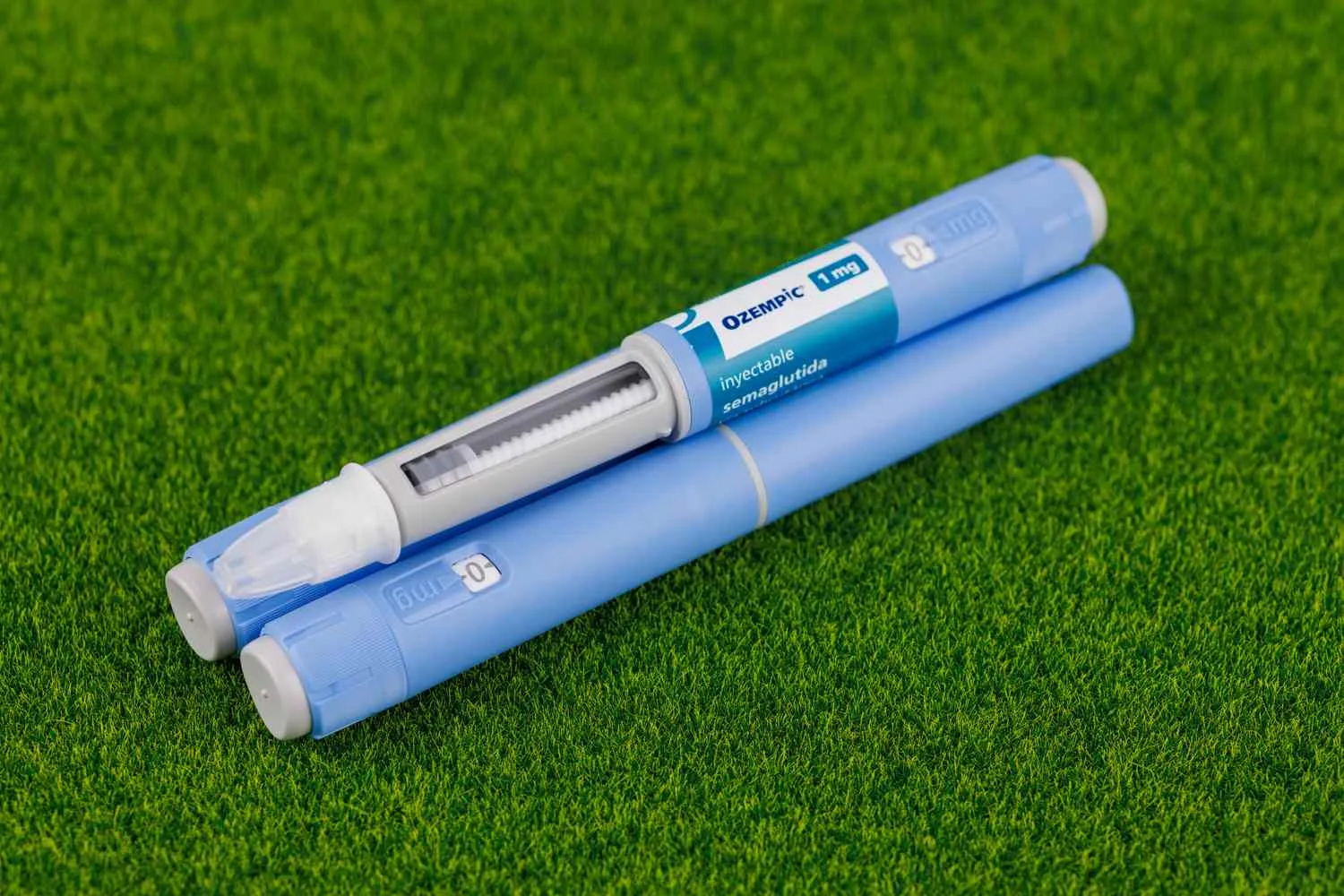
Wegovy and Ozempic contain the same active ingredient, semaglutide, but are dosed differently for their specific indications. Ozempic is currently funded for diabetes management in New Zealand, which sometimes leads to supply shortages for patients seeking it for weight loss. Mounjaro contains tirzepatide, a dual agonist that works differently than GLP-1 alone. While Mounjaro is not currently on the investment list, the inclusion of Wegovy suggests Pharmac is actively reviewing peptide therapy options for metabolic health.
Preparing for Treatment: Tracking and Lifestyle
While waiting for funding approval, patients can take proactive steps to prepare for their treatment journey. Whether you are currently on a private prescription or hoping for future public funding, the foundation of success lies in consistent health tracking and lifestyle management.
Medication like semaglutide is most effective when combined with dietary changes and physical activity. Using a digital health tool can help you monitor your progress, track symptoms, and manage your data effectively. Platforms like Shotlee allow patients to log their weight, track medication doses, and record symptoms over time.
By maintaining a detailed health record, you can provide your doctor with comprehensive data when discussing your eligibility or treatment plan. This data-driven approach ensures that your medical team has a clear picture of your health trajectory, which is essential for managing conditions like diabetes or hypertension alongside weight loss efforts.
Managing Expectations and Side Effects
It is also vital to understand the potential side effects associated with GLP-1 therapy. Common side effects can include nausea, vomiting, and digestive changes. Monitoring these symptoms is crucial for safety. If you are using Shotlee or similar tools, you can log these side effects to share with your healthcare provider, allowing for dose adjustments if necessary.
Furthermore, understanding the long-term nature of obesity treatment is key. Wegovy is often intended for long-term use to maintain weight loss. Patients should be prepared for a journey that involves ongoing medical review and commitment to lifestyle changes, regardless of the funding status.
Conclusion: A Positive Step Forward
The addition of Wegovy to Pharmac's "Options For Investment" list is a major milestone for obesity treatment in New Zealand. While the final funding decision and timeline remain to be confirmed, the trajectory is positive. Experts agree that waiting years is unlikely, and the potential for full funding with standard prescription fees is a realistic goal.
For patients, this means that access to effective peptide therapy like semaglutide and tirzepatide may soon become more equitable. In the meantime, focusing on health tracking, understanding eligibility criteria, and preparing for the potential of treatment will empower patients to manage their health effectively. As the healthcare landscape evolves, tools like Shotlee remain essential for maintaining the data continuity needed for successful, long-term health outcomes.
Frequently Asked Questions
1. When will Wegovy be fully funded in New Zealand?
There is no confirmed date yet, but experts like Professor Wayne Cutfield expect it to happen within weeks or months, rather than years. Specialist Gerard McQuinlan hopes for approval well before 2030.
2. What are the current eligibility criteria for Wegovy?
Proposed criteria include a BMI of more than 50, or a BMI of more than 35 with at least two co-morbidities such as diabetes or sleep apnea.
3. Is Wegovy available for teenagers in New Zealand?
Yes, Wegovy is licensed for individuals over the age of 12 in New Zealand, which is more inclusive than the recommendations currently in place in Australia.
4. What is the cost of Wegovy if it is not funded?
Currently, Wegovy costs approximately $400 per month. If fully funded, the patient cost is expected to drop to the standard $5 prescription fee.
5. How does Wegovy differ from Ozempic and Mounjaro?
Wegovy and Ozempic both contain semaglutide, but Wegovy is approved for weight management while Ozempic is for diabetes. Mounjaro contains tirzepatide, a different active ingredient that is also a GLP-1 agonist but works on multiple receptors.