
Introduction: A New Frontier in Obesity Treatment
The landscape of obesity medicine is shifting rapidly. For years, patients and clinicians have looked to GLP-1 receptor agonists like semaglutide (Ozempic, Wegovy) and tirzepatide (Mounjaro, Zepbound) as transformative tools. Now, a new contender has entered the arena with data that suggests it may outperform the current standards of care. Retatrutide, Eli Lilly's investigational triple hormone receptor agonist, has delivered unprecedented weight loss results in the Phase 3 TRIUMPH-1 trial.
While earlier medications focused on appetite suppression, Retatrutide targets three distinct hormonal pathways simultaneously. The initial data from the TRIUMPH-1 study, presented at recent medical meetings, indicates weight reductions that rival, and in some cases exceed, historical benchmarks for bariatric surgery. For patients navigating the complex world of weight management, understanding these findings is crucial.
This article breaks down the clinical data, explains the mechanism of action, reviews safety profiles, and outlines what these results mean for the future of peptide therapy and weight loss treatment.
Understanding Retatrutide: The Triple Agonist Mechanism
To understand why Retatrutide is generating such excitement, one must understand how it differs from existing GLP-1 medications. Most current therapies activate a single receptor or a dual combination of receptors to influence metabolism and appetite.
Retatrutide is a first-in-class triple hormone receptor agonist. It activates receptors for three specific hormones:
- GLP-1 (Glucagon-Like Peptide-1): Regulates insulin secretion and slows gastric emptying, promoting satiety.
- GIP (Glucose-Dependent Insulinotropic Polypeptide): Enhances insulin sensitivity and may work synergistically with GLP-1 to improve metabolic health.
- Glucagon: Increases energy expenditure by stimulating fat burning and thermogenesis.
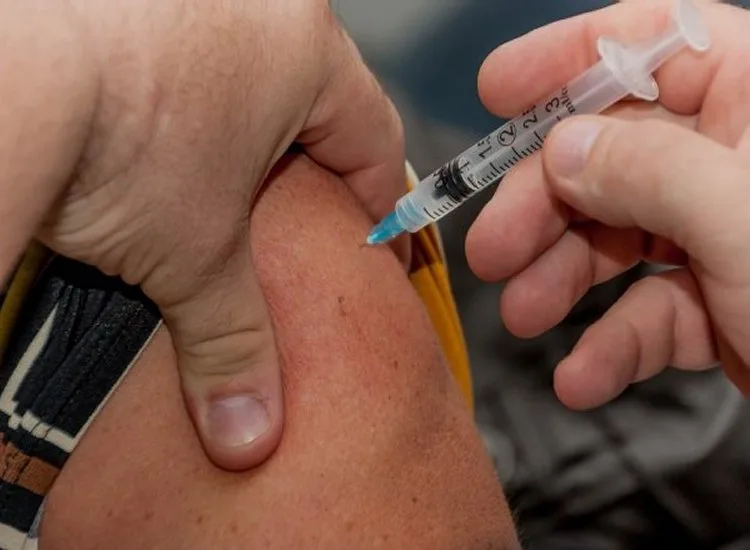
By engaging all three pathways, Retatrutide aims to not only reduce hunger but also increase the rate at which the body burns calories. This combination is administered as a once-weekly injection, similar to the dosing schedule of Ozempic and Wegovy, which helps maintain adherence for long-term treatment.
TRIUMPH-1 Trial Results: The Numbers Behind the News
The TRIUMPH-1 Phase 3 trial was a pivotal study designed to evaluate the efficacy and safety of Retatrutide in adults with obesity or overweight who had at least one weight-related health condition, excluding those with diabetes. Participants were randomized to receive either a placebo or one of three escalating doses of Retatrutide (4 mg, 9 mg, or 12 mg) over 80 weeks.
The results were striking across all dosing groups. The highest dose, 12 mg, demonstrated the most significant outcomes, with participants losing an average of 28.3% of their body weight. To put this in perspective, the placebo group lost only 2.2%.
Weight Loss by Dose at 80 Weeks
For patients considering potential treatment options, the dosage-dependent response provides a clear picture of efficacy. The following table summarizes the primary outcomes from the TRIUMPH-1 trial:
| Dose | Average Weight Loss (%) | Average Weight Loss (lbs) | Participants with ≥30% Loss | BMI < 30 Achieved |
|---|---|---|---|---|
| Placebo | 2.2% | ~5 lbs | N/A | N/A |
| 4 mg | 19% | 47 lbs | N/A | N/A |
| 9 mg | 26% | 64 lbs | N/A | N/A |
| 12 mg | 28.3% | 70 lbs | 45.3% | 65.3% |
Notably, 45.3% of participants on the 12 mg dose achieved a weight loss of 30% or more, a threshold often associated with bariatric surgery outcomes. Furthermore, 65.3% of participants on the highest dose achieved a BMI less than 30, effectively moving them out of the clinical obesity range. In an extension study subset with severe obesity (baseline BMI ≥ 40), those continuing the 12 mg dose for 104 weeks (2 years) lost an average of 85 lbs, or 30.3% of their body weight.
Beyond the Scale: Cardiovascular and Metabolic Improvements
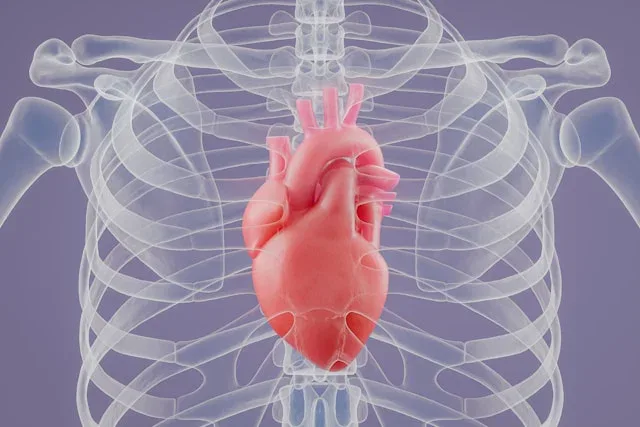
Weight loss is often the headline metric, but the cardiovascular and metabolic improvements associated with Retatrutide are equally significant. Obesity is a systemic condition that affects the heart, blood pressure, and lipid profiles. The TRIUMPH-1 trial reported significant improvements from baseline across several key risk factors.
Participants experienced reductions in:
- Waist Circumference: A direct indicator of visceral fat reduction.
- Non-HDL Cholesterol: Often referred to as "bad" cholesterol, linked to heart disease risk.
- Triglycerides: High levels are associated with metabolic syndrome.
- Systolic Blood Pressure: A primary driver of hypertension.
- High-Sensitivity C-Reactive Protein (hs-CRP): A marker of systemic inflammation.
These improvements suggest that Retatrutide does more than just reduce mass; it actively mitigates the comorbidities often associated with severe obesity. For patients with conditions like hypertension or dyslipidemia, these secondary benefits can be as valuable as the weight reduction itself.
Safety Profile and Managing Side Effects
With increased efficacy often comes the need for careful safety monitoring. Retatrutide's side effect profile is consistent with other drugs in the incretin class, which includes GLP-1 and dual agonists. The most common adverse events reported were gastrointestinal (GI) in nature.
Common Side Effects:
Precision tracking for your journey
Join thousands using Shotlee to accurately track GLP-1 medications and side effects.
📱 Get the Shotlee App
Track your GLP-1 medications, peptides, and health metrics on the go with our mobile app!
- Nausea
- Diarrhea
- Constipation
- Vomiting
These symptoms tended to occur more frequently at higher doses (12 mg) but generally resolved during the course of treatment. Dysesthesia events (abnormal sensations) and urinary tract infections were also reported but were typically mild to moderate.
Discontinuation rates due to adverse events were relatively low. In the TRIUMPH-1 trial, rates were 4.1% for the 4 mg dose, 6.9% for the 9 mg dose, and 11.3% for the 12 mg dose, compared to 4.9% for the placebo group. While the 12 mg discontinuation rate is higher, the absolute number of patients dropping out remains manageable.
For patients starting these therapies, monitoring symptoms is vital. Tools like Shotlee can help patients track their dosage, symptoms, and weight changes over time, allowing for better communication with healthcare providers regarding tolerability.
Expert Perspectives: Enthusiasm Meets Caution
Early commentary from the medical community reflects a mix of excitement and scientific prudence. Marie Spreckley, PhD, a research programme manager at the University of Cambridge, described the findings as "very encouraging." She noted that if confirmed in full peer-reviewed publication, this represents one of the largest weight reductions reported for a pharmacological obesity treatment.
However, experts also urge caution. "These are still company-reported topline results rather than a full peer-reviewed scientific publication," Spreckley explained. Without access to the complete dataset, it is not yet possible to fully assess issues such as adherence, missing data, subgroup effects, and durability of response after discontinuation.
Simon Cork, PhD, a senior lecturer in physiology at Anglia Ruskin University, echoed this sentiment. He noted that while earlier results from the same team have been methodologically sound, the final paper will be needed to see the full scope of the effects. Additional TRIUMPH-1 results are expected to be presented at the 86th annual American Diabetes Association Scientific Sessions, with detailed results to follow in peer-reviewed journals.
Practical Takeaways for Patients
As the medical community awaits the full publication of the TRIUMPH-1 data, patients and clinicians should approach these results with realistic expectations. Here are key takeaways for those interested in the future of obesity treatment:
- Expectations vs. Reality: While 28% weight loss is impressive, individual results vary based on metabolism, adherence, and lifestyle factors.
- Long-Term Commitment: Obesity is a chronic condition. The extension study showed continued loss over 104 weeks, suggesting long-term management is likely necessary.
- Safety Monitoring: Be prepared for GI side effects. Discuss mitigation strategies with your doctor before starting.
- Data Tracking: Whether using Retatrutide or existing medications, tracking your progress is essential. Digital health platforms can help consolidate weight, dosage, and symptom data for better clinical conversations.
- Consult Your Provider: Always discuss new therapies with a healthcare professional to determine if you are a candidate based on your specific health profile.
Conclusion
Retatrutide represents a significant leap forward in the pharmacological treatment of obesity. The TRIUMPH-1 Phase 3 results demonstrate that targeting multiple hormonal pathways can yield weight loss results that approach the efficacy of surgical interventions. While the full peer-reviewed data is still pending, the current evidence suggests a promising new tool in the fight against obesity and its associated comorbidities.
As the pipeline for peptide therapy continues to expand, patients have more hope than ever for effective, science-backed weight management solutions. Staying informed, tracking progress meticulously, and maintaining open communication with healthcare providers will be key to navigating this evolving landscape.
Frequently Asked Questions
1. How does Retatrutide compare to Ozempic or Wegovy?
Retatrutide is a triple agonist (GIP, GLP-1, Glucagon), whereas Ozempic and Wegovy are GLP-1 agonists. In the TRIUMPH-1 trial, Retatrutide showed higher average weight loss percentages (up to 28.3% at 12 mg) compared to the typical 15-20% seen with semaglutide monotherapy in similar trial settings.
2. Is Retatrutide currently FDA approved?
As of the TRIUMPH-1 phase 3 announcement, Retatrutide is still an investigational drug. It has not yet received final FDA approval for commercial use, though Eli Lilly is progressing through the regulatory review process.
3. What are the most common side effects of Retatrutide?
The most common side effects are gastrointestinal, including nausea, diarrhea, constipation, and vomiting. These tend to be dose-dependent and often resolve over time as the body adjusts to the medication.
4. Can Retatrutide help people with a BMI over 40?
Yes. In the extension study subset of participants with a baseline BMI ≥ 40, those on the 12 mg dose continued to lose weight over 104 weeks, with an average loss of 30.3% of body weight. Approximately one-third of those with severe obesity achieved a BMI less than 30.
5. How can I track my progress if I start a new weight loss medication?
Consistent tracking is vital for managing expectations and communicating with doctors. Using a health app like Shotlee allows you to log weight, dosage changes, and side effects in one place, helping you and your provider identify patterns and adjust treatment plans effectively.