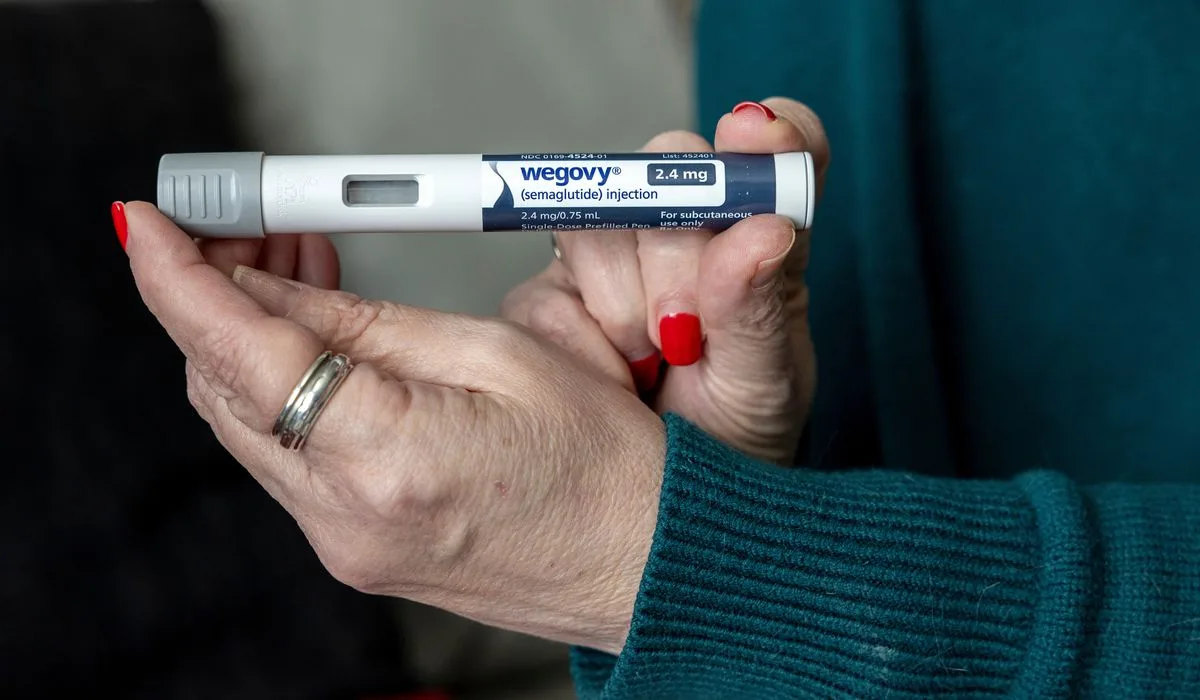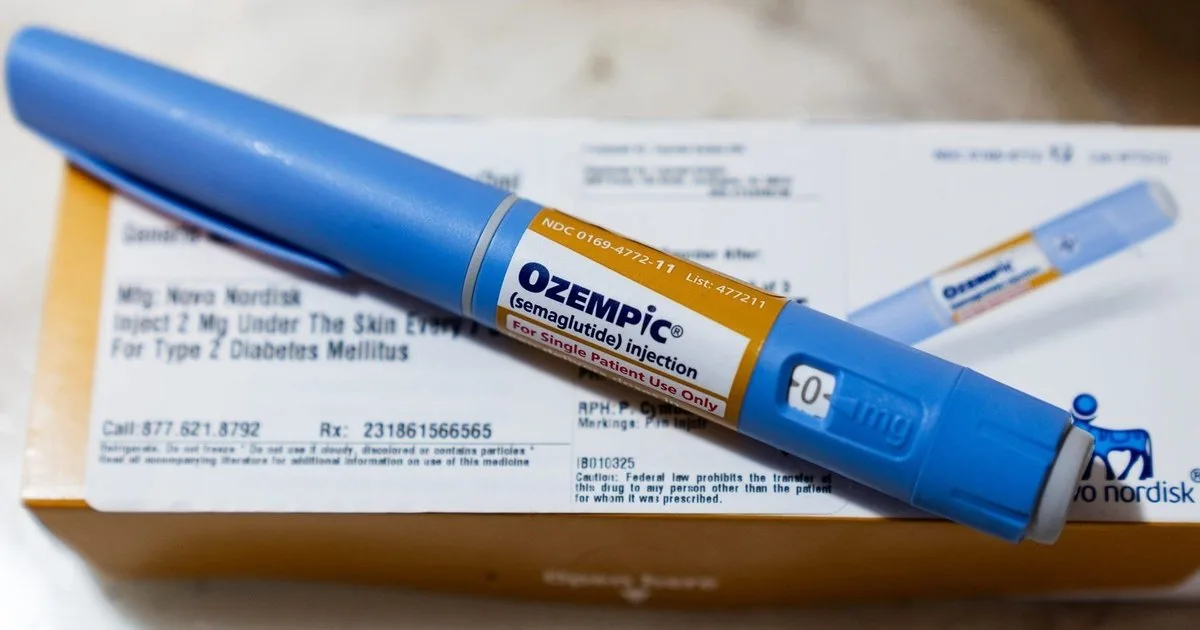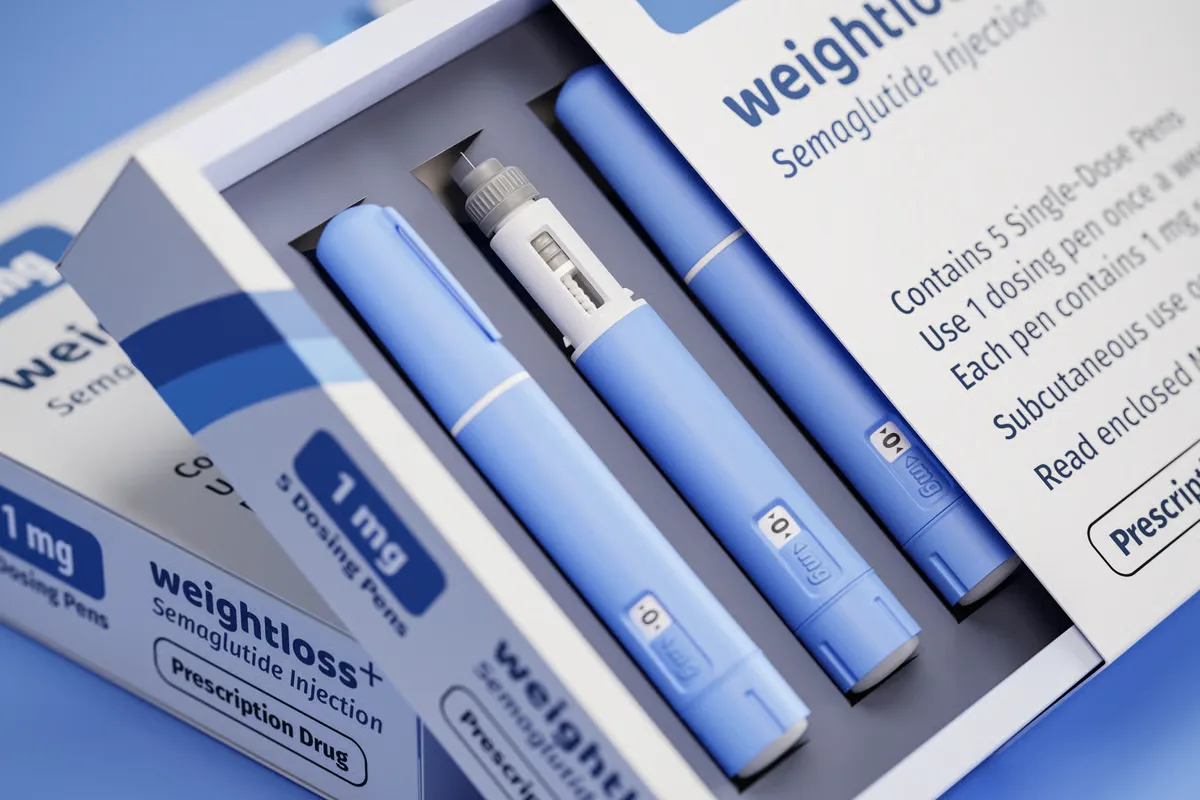

The pharmaceutical industry is witnessing a seismic shift, largely driven by the emergence of GLP-1 receptor agonists, a class of drugs that have revolutionized weight management. Initially developed for type 2 diabetes, medications like semaglutide (found in Ozempic and Wegovy) and tirzepatide (found in Mounjaro and Zepbound) have demonstrated remarkable efficacy in promoting significant weight loss, offering a beacon of hope for millions grappling with obesity.
These drugs mimic the action of a natural hormone, glucagon-like peptide-1 (GLP-1), which plays a crucial role in regulating appetite and blood sugar. By stimulating insulin secretion, slowing gastric emptying, and reducing hunger signals in the brain, GLP-1 agonists help individuals consume fewer calories and achieve substantial weight reduction. While the journey with these medications is not without its considerations, their impact on the lives of those who have struggled with weight for years is undeniable, often being hailed as a 'miracle drug'.
The Science Behind GLP-1 Agonists
Understanding how GLP-1 receptor agonists work is key to appreciating their therapeutic potential. These drugs are synthetic versions of the naturally occurring GLP-1 hormone, which is released by the intestines after eating. GLP-1 has several beneficial effects on metabolism and appetite regulation:
- Stimulates Insulin Release: GLP-1 signals the pancreas to release insulin when blood glucose levels are high, helping to lower them.
- Reduces Glucagon Secretion: It also suppresses the release of glucagon, a hormone that raises blood sugar levels.
- Slows Gastric Emptying: By slowing down how quickly the stomach empties its contents, GLP-1 agonists promote a feeling of fullness, leading to reduced food intake.
- Acts on the Brain: These drugs can also influence appetite control centers in the brain, reducing hunger and cravings.
The combination of these effects leads to a significant reduction in calorie intake and, consequently, substantial weight loss. This multifaceted action is what sets GLP-1 agonists apart from previous weight loss interventions.
Leading the Charge: Key Players in the GLP-1 Revolution
The development and commercialization of GLP-1 drugs have been dominated by a few key pharmaceutical companies. Their innovation and market presence have shaped the current landscape and continue to drive advancements in the field.
Eli Lilly: Pushing the Boundaries of Efficacy
Eli Lilly has emerged as a formidable force in the GLP-1 space. While Novo Nordisk was an early pioneer, Eli Lilly's tirzepatide, marketed as Mounjaro for diabetes and Zepbound for weight loss, has shown exceptional efficacy, often surpassing that of existing GLP-1 treatments. The phenomenal growth of these medications underscores their impact. For instance, Mounjaro experienced a remarkable sales surge of 125% in the first quarter of 2026, while Zepbound saw an 80% increase during the same period, highlighting strong market adoption and patient demand.
Eli Lilly has also ventured into oral formulations, introducing a GLP-1 pill with a different active ingredient. While the uptake of this pill has been more gradual, the continued strength of Mounjaro and Zepbound solidifies Eli Lilly's position as an industry leader. For investors seeking to align with a company at the forefront of innovation, Eli Lilly presents a compelling, albeit often premium-priced, option. The company's robust pipeline and diversification efforts further bolster its long-term prospects.
Novo Nordisk: The Innovator's Comeback
Novo Nordisk, a long-standing leader in diabetes care, was the first to bring a GLP-1 drug to market with semaglutide (Ozempic for diabetes, Wegovy for weight loss). They also pioneered the first GLP-1 pill, a significant achievement as it utilizes the same active ingredient as their injectable, familiarizing both physicians and patients with its profile. This oral formulation has shown strong uptake, attracting new users to the weight-loss drug market.
Despite facing challenges such as pricing pressures and anticipated patent expirations, Novo Nordisk is strategically positioned for a comeback. The company's stock has shown resilience, and its focus on continued innovation in the GLP-1 space, coupled with a more attractive valuation for value-focused investors, makes it a noteworthy player. The long-term growth potential of GLP-1 drugs remains substantial, and Novo Nordisk is well-equipped to capitalize on this trend.
Viking Therapeutics: The High-Risk, High-Reward Contender
For investors with a higher risk tolerance, Viking Therapeutics represents a more speculative play in the GLP-1 arena. As a clinical-stage biotechnology company, Viking Therapeutics is developing its own GLP-1 drug candidates, which are currently undergoing clinical trials. While the company is not yet profitable and its stock has experienced considerable volatility, the potential for a breakthrough in its research could lead to significant share price appreciation. This option is best suited for aggressive growth investors who are comfortable with substantial market fluctuations.
Precision tracking for your journey
Join thousands using Shotlee to accurately track GLP-1 medications and side effects.
📱 Get the Shotlee App
Track your GLP-1 medications, peptides, and health metrics on the go with our mobile app!
Navigating the Benefits and Risks
The widespread adoption of GLP-1 drugs for weight loss is a testament to their effectiveness, but it's crucial to approach these treatments with a comprehensive understanding of both their advantages and potential drawbacks.
Potential Benefits
The primary benefit of GLP-1 agonists is their ability to facilitate significant and sustainable weight loss. For individuals who have struggled with obesity and its associated health complications, this can be life-changing. Beyond weight reduction, these medications have been shown to:
- Improve Cardiometabolic Health: Studies have indicated positive effects on blood pressure, cholesterol levels, and other cardiovascular risk factors.
- Reduce Risk of Type 2 Diabetes: For individuals with prediabetes or at high risk, GLP-1 agonists can help prevent the onset of type 2 diabetes.
- Enhance Quality of Life: By addressing weight-related health issues and improving physical well-being, these drugs can significantly enhance a patient's overall quality of life.
Potential Risks and Side Effects
While generally well-tolerated, GLP-1 receptor agonists can cause side effects, most of which are gastrointestinal in nature. These commonly include:
- Nausea
- Vomiting
- Diarrhea
- Constipation
- Abdominal pain
These side effects are often dose-dependent and tend to diminish over time as the body adjusts to the medication. More serious, though less common, risks can include:
- Pancreatitis
- Gallbladder disease
- Kidney problems
- Thyroid C-cell tumors (observed in animal studies, relevance to humans is still being studied)
It is imperative for patients to discuss their medical history and any concerns with their healthcare provider before starting a GLP-1 medication. Regular monitoring and adherence to prescribed dosages are crucial for maximizing benefits and minimizing risks. For individuals using these medications, tools like Shotlee can be invaluable for tracking doses, managing side effects, and monitoring progress, providing a structured approach to their treatment journey.
The Future of Weight Management and GLP-1 Therapy
The impact of GLP-1 receptor agonists on weight management is profound and continues to evolve. As research progresses, we can anticipate further refinements in drug efficacy, safety profiles, and delivery methods. The development of new formulations, such as oral pills and potentially longer-acting injectables, aims to improve patient convenience and adherence.
Furthermore, the understanding of GLP-1's role in various physiological processes is expanding, opening doors for potential applications beyond diabetes and weight loss. The ongoing research and development in this field suggest that GLP-1 therapy will remain a cornerstone of metabolic health management for years to come.
For individuals considering these treatments, a thorough consultation with a healthcare professional is essential. They can assess individual needs, discuss the most appropriate treatment options, and guide patients through the process of managing their weight and overall health. The integration of technology, such as health tracking apps, can further empower individuals in their health journey by providing valuable insights and facilitating communication with their care team.
Practical Takeaways
- GLP-1 drugs offer a powerful new approach to weight loss and managing metabolic health.
- Eli Lilly and Novo Nordisk are the leading pharmaceutical companies in this space, offering innovative treatments.
- While highly effective, GLP-1 agonists can have side effects that require careful management and medical supervision.
- Continuous research and development promise further advancements in GLP-1 therapy.
- Consulting with a healthcare professional is vital to determine if GLP-1 therapy is appropriate for your individual needs.
The GLP-1 revolution is not just about shedding pounds; it's about reclaiming health, improving quality of life, and ushering in a new era of personalized metabolic care. As this field matures, the benefits for individuals and the healthcare landscape at large are expected to be substantial.