
The Dawn of a New Generation in Weight Management: Introducing Retatrutide
The landscape of weight management is rapidly evolving, offering new hope and powerful tools for individuals struggling with obesity. Eli Lilly has recently unveiled remarkable results from a late-stage clinical trial for its experimental drug, retatrutide. This innovative therapy has shown dramatic weight loss, surpassing many existing treatments and potentially setting a new benchmark in the field. This development marks a significant step forward, offering a glimpse into the future of pharmacotherapy for obesity and related conditions.
Retatrutide: The "Triple G" Hormone Agonist
Retatrutide stands out due to its unique mechanism of action. Unlike many current weight loss medications that target a single hormone pathway, retatrutide is a "triple agonist." This means it activates three distinct hormone receptors simultaneously:
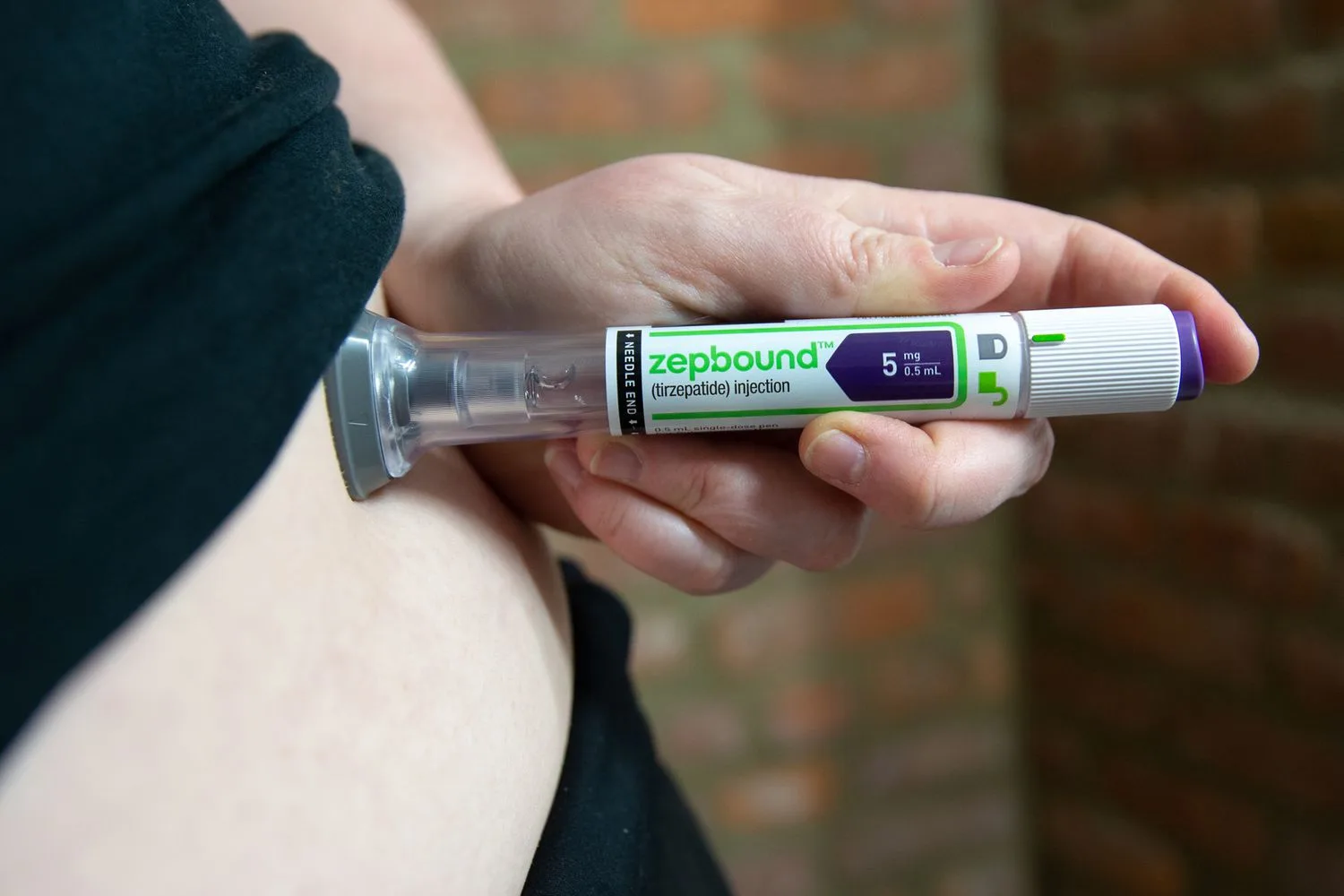
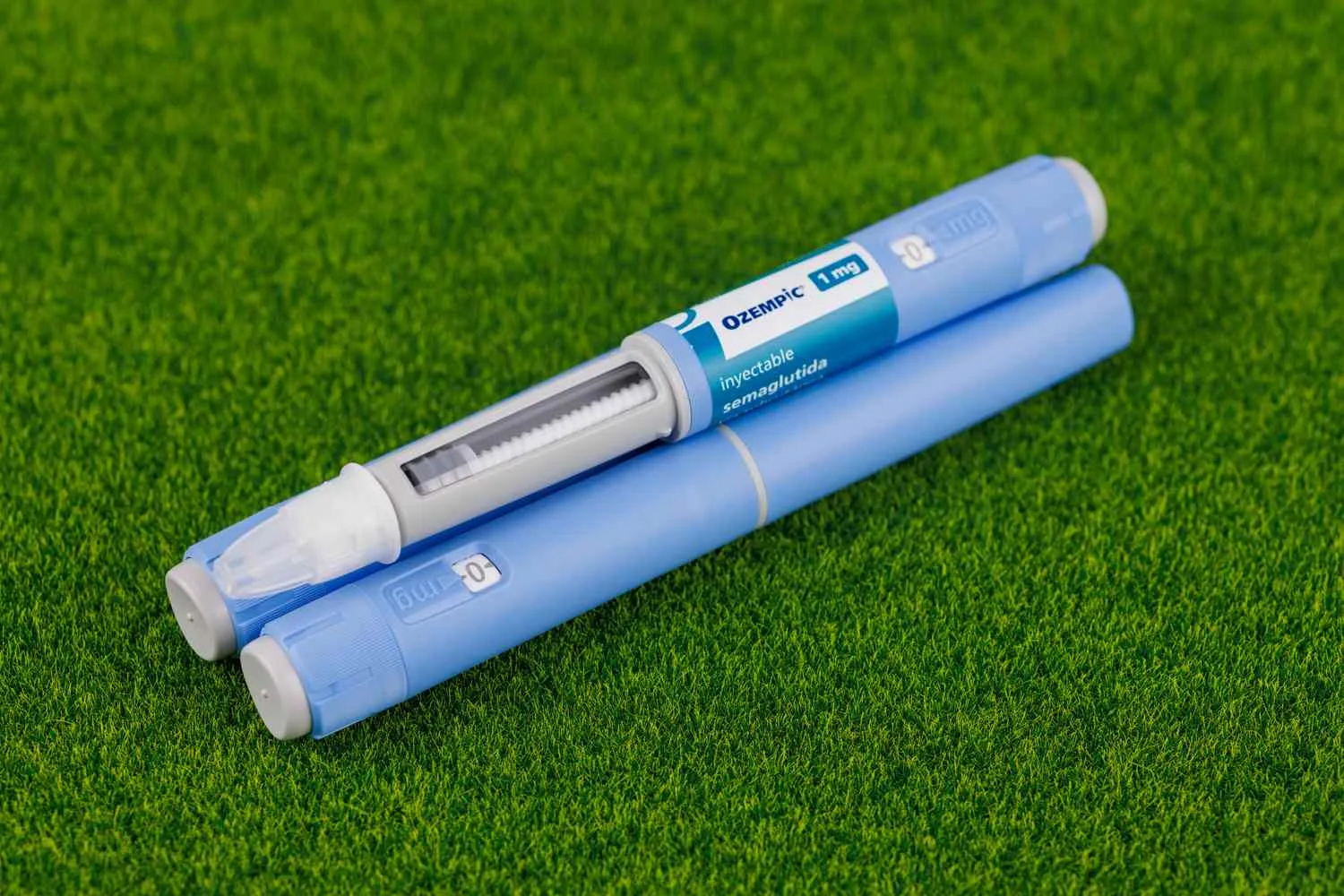
- GLP-1 (Glucagon-Like Peptide-1): This receptor is well-known for its role in suppressing appetite, slowing gastric emptying, and improving insulin sensitivity. Medications like semaglutide (Ozempic, Wegovy) and tirzepatide (Mounjaro, Zepbound) primarily leverage this pathway.
- GIP (Glucose-Dependent Insulinotropic Polypeptide): Activating the GIP receptor can further enhance insulin secretion and improve glucose control, complementing the effects of GLP-1.
- Glucagon: This hormone plays a role in energy expenditure and fat metabolism. By activating the glucagon receptor, retatrutide aims to promote the breakdown of stored fat.
This multi-receptor approach, earning it the nickname "triple G," is believed to be the driving force behind its exceptional efficacy. By targeting multiple physiological pathways involved in appetite regulation, energy balance, and metabolism, retatrutide offers a more comprehensive strategy for weight loss.
Groundbreaking Efficacy: Unprecedented Weight Loss Achieved
The most compelling aspect of retatrutide is its profound impact on weight loss. In a pivotal late-stage trial involving adults diagnosed with obesity (but not diabetes), the highest dose of retatrutide (12 milligrams) achieved an average weight loss of 28.3% over an 80-week period. This is a truly significant outcome, with over 45% of participants experiencing a weight loss of 30% or more.
Kenneth Custer, Eli Lilly's president of cardiometabolic health, highlighted the significance of these results, stating that a 30% weight loss threshold has historically been associated with the effectiveness of bariatric surgery. Achieving such a level of weight reduction through a medication represents a major advancement in non-surgical weight management.
Comparing Efficacy Across Doses and Timeframes
The trial also provided insights into the dose-dependent nature of retatrutide's effects:
- 12 mg dose: Achieved an average of 28.3% weight loss over 80 weeks.
- 4 mg dose: Resulted in an average weight loss of 19% over 80 weeks.
Furthermore, a subset of patients who continued treatment with the 12 mg dose for a full two years observed an average weight loss exceeding 30%. This sustained efficacy over extended periods is crucial for long-term weight management.
Retatrutide vs. Other Leading Weight Loss Medications
To put these results into perspective, it's helpful to compare them with other prominent weight loss drugs. Eli Lilly's own injectable drug, Zepbound (tirzepatide), and Novo Nordisk's Wegovy (semaglutide) have demonstrated significant weight loss in trials, typically ranging from 15% to 20%. Lilly's oral weight loss pill has shown results around 11%.
Precision tracking for your journey
Join thousands using Shotlee to accurately track GLP-1 medications and side effects.
📱 Get the Shotlee App
Track your GLP-1 medications, peptides, and health metrics on the go with our mobile app!
Retatrutide's 28.3% average weight loss in its latest trial significantly outpaces these figures, positioning it as potentially the most potent weight loss medication currently in development or on the market.
| Drug | Mechanism | Average Weight Loss (%) | Trial Duration (Weeks) | Patient Population |
|---|---|---|---|---|
| Retatrutide (Lilly) | GLP-1, GIP, Glucagon | ~28.3% (12mg dose) | 80 | Obesity (no diabetes) |
| Zepbound/Mounjaro (Lilly) | GLP-1, GIP | ~15-20% | ~72 | Obesity/Diabetes |
| Wegovy (Novo Nordisk) | GLP-1 | ~15-20% | ~68 | Obesity |
| Oral Lilly Drug | (Mechanism not specified in source) | ~11% | (Not specified in source) | (Not specified in source) |
Safety and Tolerability Profile
As with any potent medication, the safety and tolerability of retatrutide are critical considerations. In the late-stage trial, adverse events were monitored closely. The incidence of dysesthesia, an abnormal skin sensation, was reported in 12.5% of patients on the 12 mg dose. While this is a notable side effect, it was lower than observed in a previous trial result (20.9% on the highest dose in a December trial). Approximately 11% of patients on the top dose discontinued treatment due to adverse events.
Eli Lilly's president, Kenneth Custer, indicated that the drug's side effect profile is comparable to other GLP-1 medications. This suggests that while side effects exist, they may be manageable and align with the known tolerability of this drug class. Investors and healthcare professionals will be closely watching for further data on long-term safety and potential risks as the drug progresses toward regulatory review.
The Future of Weight Loss and Health Tracking
The emergence of highly effective weight loss medications like retatrutide signifies a paradigm shift in how we approach obesity management. These drugs offer a powerful adjunct to lifestyle interventions, enabling individuals to achieve significant and sustainable weight loss, which can lead to substantial improvements in metabolic health, cardiovascular risk, and overall quality of life.
For individuals embarking on this journey, comprehensive health tracking becomes even more vital. Tools that allow users to monitor their weight, diet, exercise, and any reported symptoms can provide invaluable data. This information can help patients and their healthcare providers optimize treatment, manage potential side effects, and ensure the therapy is working effectively. Platforms like Shotlee can play a crucial role in empowering patients by centralizing this health data, facilitating informed discussions with their doctors, and supporting adherence to treatment plans.
Regulatory Approval and Market Launch
Eli Lilly has expressed optimism about the drug's prospects, with the company aiming to seek regulatory approval and launch retatrutide as early as next year. The positive results from this late-stage trial are a significant step towards achieving this goal. The company's strategic push to dominate the booming market for obesity medications, with Zepbound and now retatrutide, underscores the immense potential and demand for effective weight management solutions.
Conclusion
Retatrutide represents a monumental leap forward in the pharmacological treatment of obesity. Its "triple G" mechanism and demonstrated ability to achieve unprecedented levels of weight loss position it as a potential game-changer. While ongoing monitoring of its safety profile will be essential, the efficacy shown in clinical trials offers substantial promise for millions worldwide seeking effective weight management solutions. As this revolutionary drug moves closer to market, it heralds a new era in the fight against obesity, empowering individuals with more potent tools to reclaim their health.
Practical Takeaways:
- Retatrutide shows significantly higher weight loss (average 28.3%) compared to current leading drugs like Ozempic and Wegovy.
- Its triple-agonist mechanism (GLP-1, GIP, Glucagon) is key to its enhanced efficacy.
- Safety data suggests a profile comparable to other GLP-1 medications, though specific side effects like dysesthesia are noted.
- The drug is expected to be a significant addition to Eli Lilly's portfolio and the broader obesity treatment market.
- Effective health tracking, including symptom and dose monitoring, will be crucial for patients using such advanced therapies.