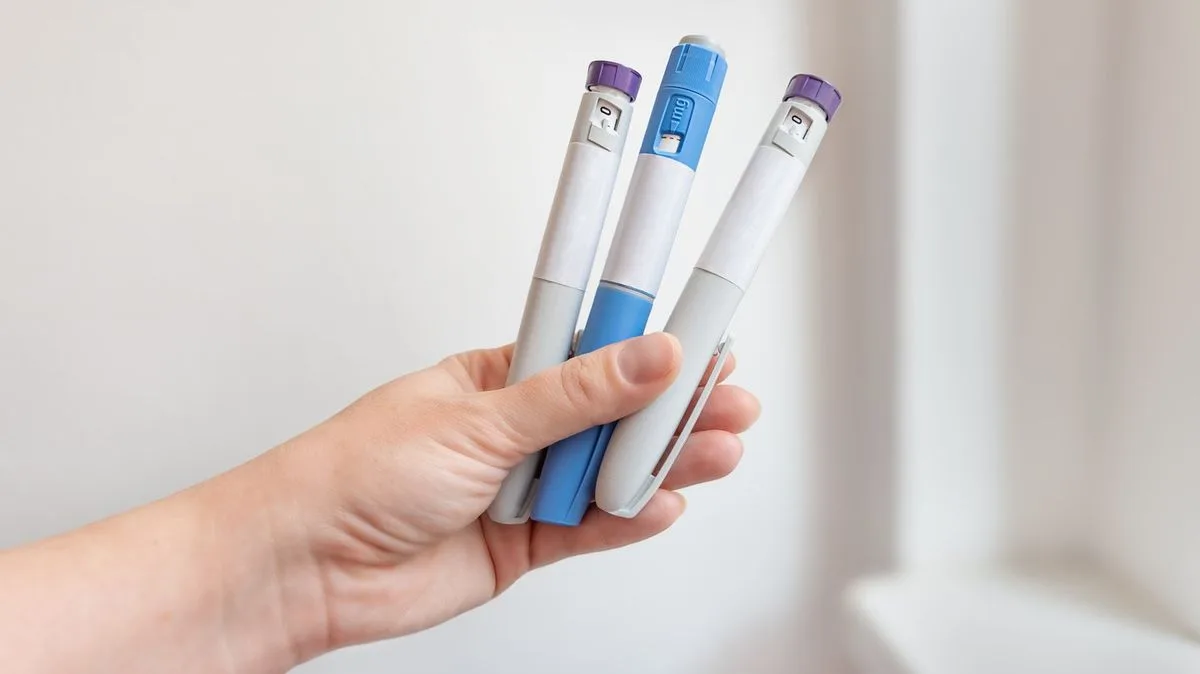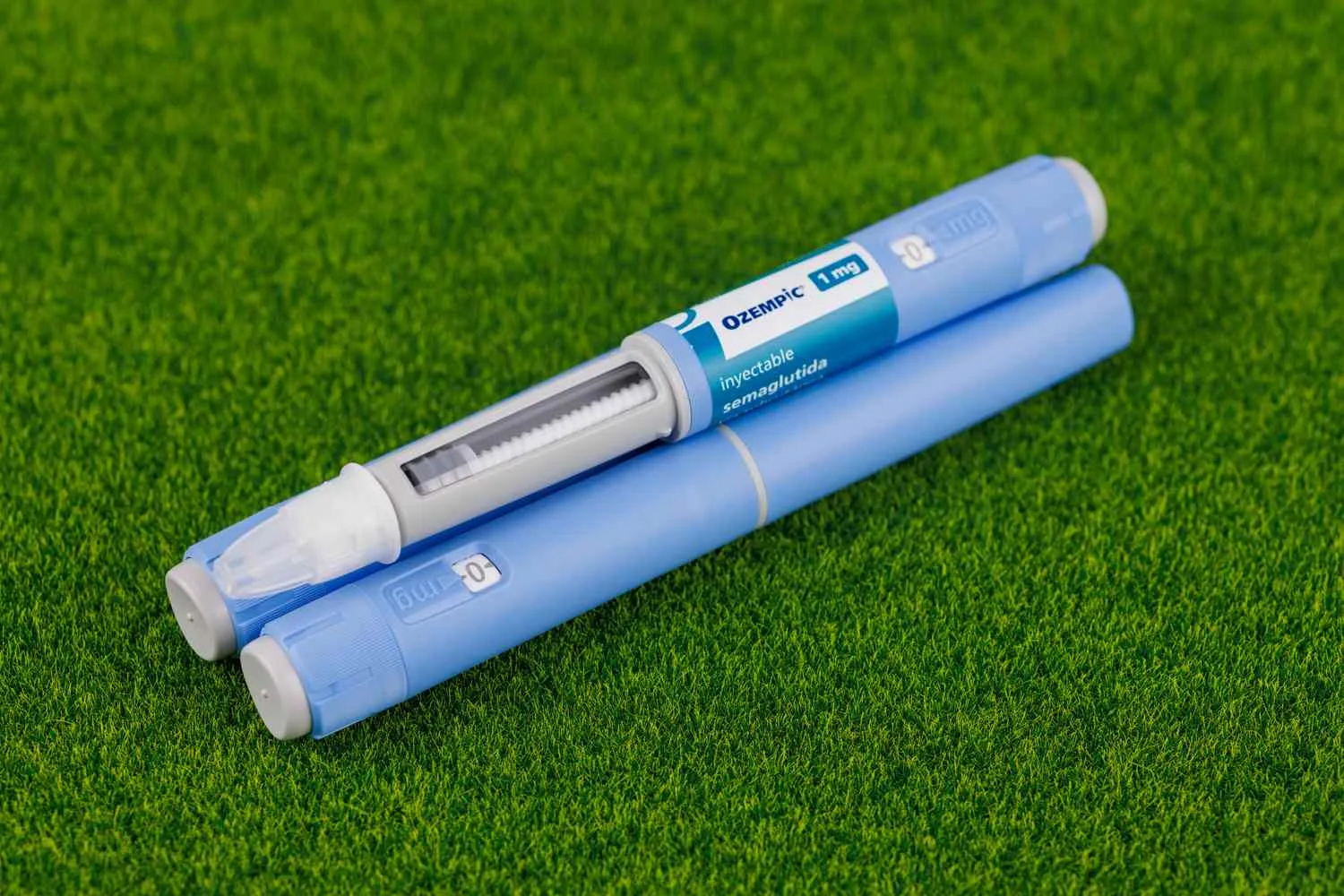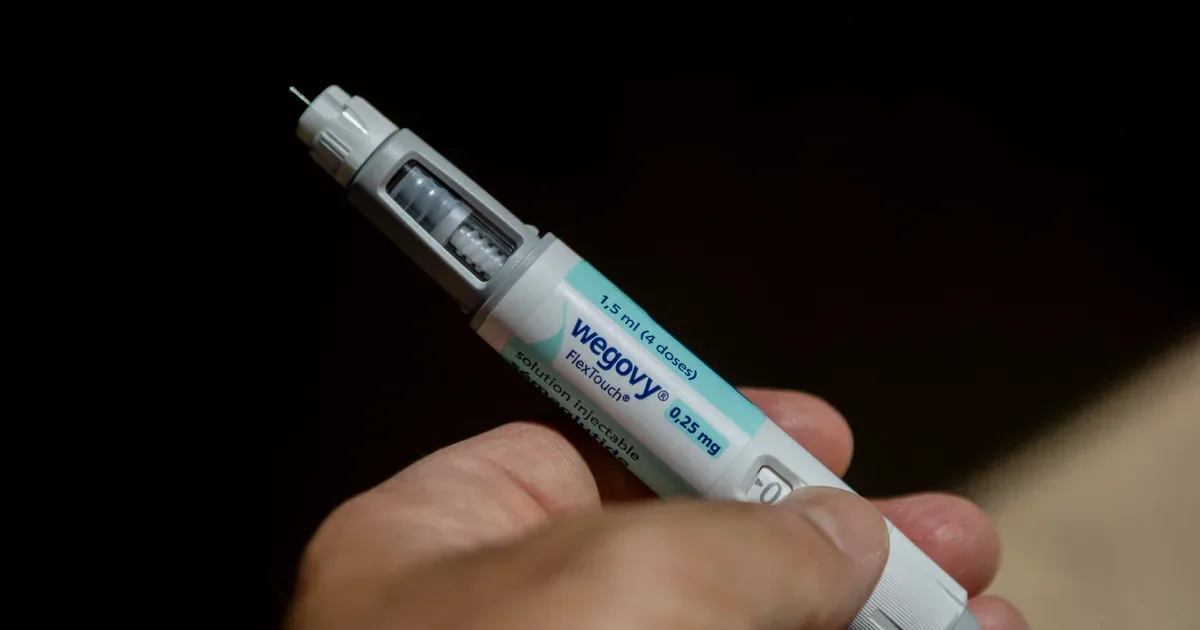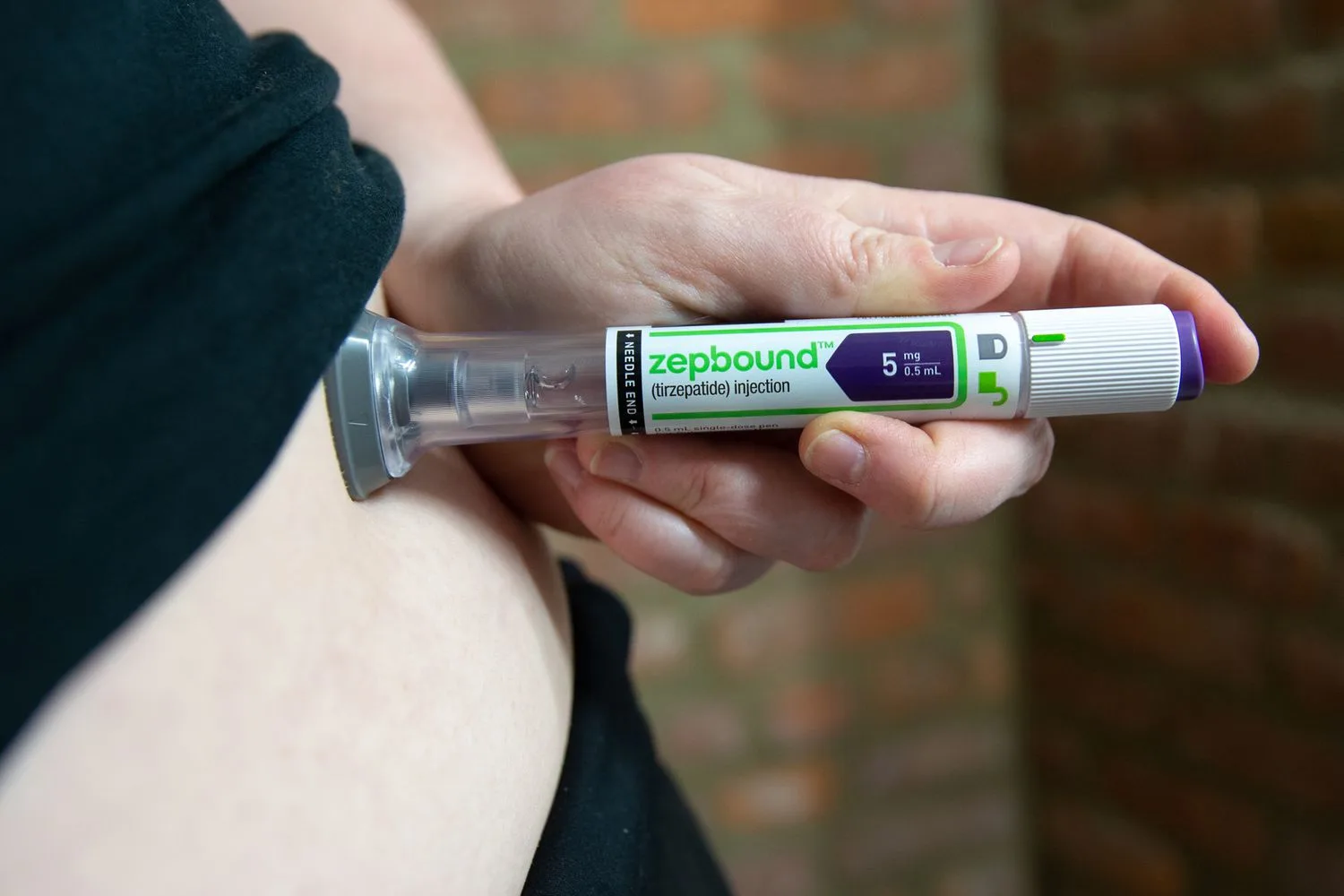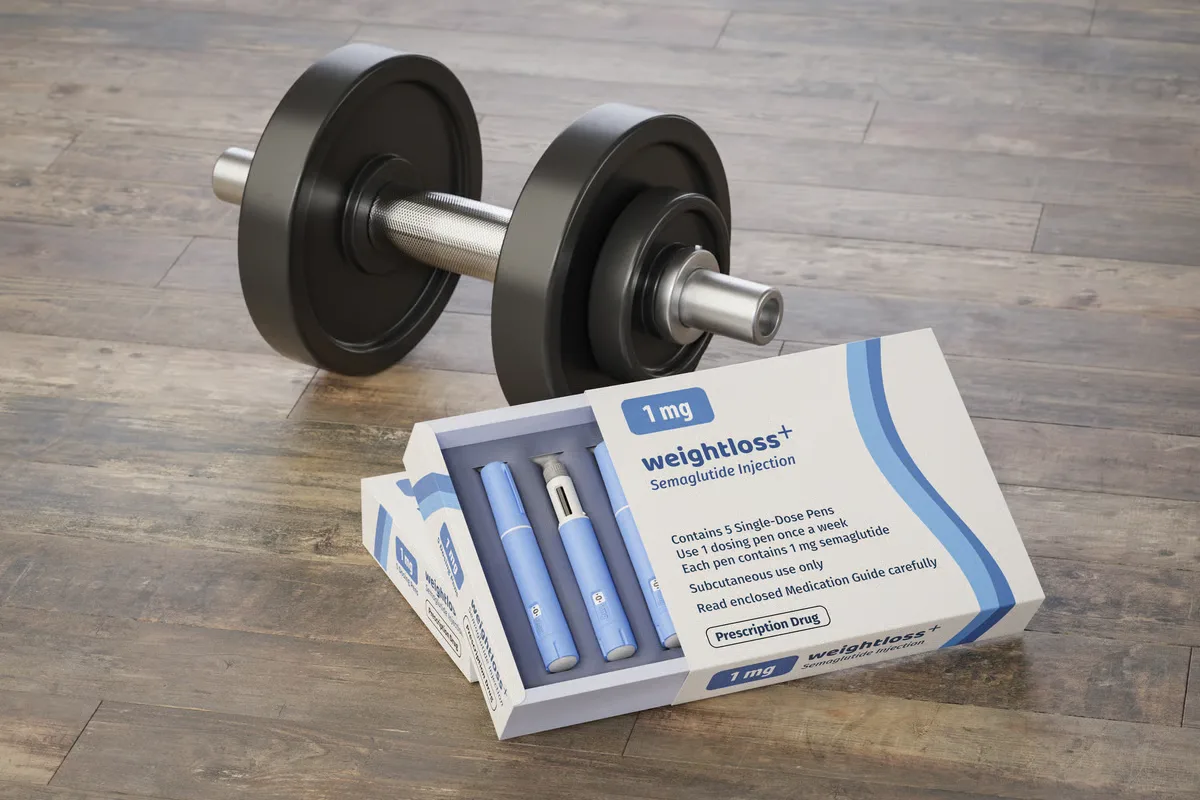

The field of weight loss medication has been revolutionized by the advent of GLP-1 receptor agonists. These innovative drugs, initially developed for type 2 diabetes, have demonstrated remarkable efficacy in promoting significant weight loss, capturing the attention of both patients and the pharmaceutical industry. Novo Nordisk, with its blockbuster drug Wegovy (semaglutide), established an early lead. However, the landscape is rapidly shifting, with competitors like Eli Lilly introducing powerful new contenders and developing even more advanced therapies.
This dynamic competition is not just about market share; it's about offering patients more effective and potentially more convenient treatment options. As new data emerges and novel drug candidates progress through clinical trials, understanding the nuances of these therapies becomes crucial for anyone interested in the future of weight management and metabolic health.
The Current GLP-1 Landscape: Wegovy and Zepbound
Novo Nordisk's Wegovy, a once-weekly injectable medication, has become a household name for weight loss. Its active ingredient, semaglutide, mimics the action of the GLP-1 hormone, which helps regulate appetite, slow gastric emptying, and improve blood sugar control. This has led to substantial and sustained weight loss for many individuals struggling with obesity.
In response, Eli Lilly has made significant strides. Their drug Zepbound (tirzepatide) has quickly gained traction. Zepbound is a groundbreaking medication because it's a dual agonist, meaning it targets not only the GLP-1 receptor but also the GIP (glucose-dependent insulinotropic polypeptide) receptor. This dual action is believed to contribute to even greater weight loss compared to GLP-1 agonists alone. The success of Zepbound is evident in its rapid sales growth, indicating strong market acceptance and patient demand.
Novo Nordisk's Strategic Moves
Recognizing the growing preference for oral medications, Novo Nordisk has also introduced a pill-based version of semaglutide. This strategic move aims to capture patients who are hesitant about injectables, thereby expanding access and convenience. By offering an oral option, Novo Nordisk seeks to solidify its position and cater to a broader patient demographic.
Eli Lilly's Next-Generation Pipeline: A Glimpse into the Future
While Zepbound represents a significant advancement, Eli Lilly is not resting on its laurels. The company is actively developing even more potent and innovative therapies that could redefine the standards of weight loss treatment. Two key candidates in their pipeline are orforglipron and retatrutide.
Orforglipron: The Oral Contender
Eli Lilly launched orforglipron, an oral weight loss medication, in April. This development directly competes with Novo Nordisk's oral semaglutide offering. The availability of multiple effective oral GLP-1-based therapies provides physicians and patients with more choices, potentially leading to better adherence and outcomes.
Retatrutide: The Triple Agonist Frontier
Perhaps the most exciting prospect from Eli Lilly is retatrutide. This investigational drug is a "triple agonist," targeting not only GLP-1 and GIP receptors but also the glucagon receptor. Glucagon is another hormone involved in metabolism, and its inclusion in the therapeutic mechanism is expected to unlock even greater weight loss potential and metabolic benefits.
The rationale behind targeting these three receptors is rooted in understanding the complex interplay of hormones that regulate energy balance and body weight. By simultaneously influencing GLP-1, GIP, and glucagon pathways, retatrutide aims to provide a more comprehensive approach to weight management than current single- or dual-agonist therapies.
Precision tracking for your journey
Join thousands using Shotlee to accurately track GLP-1 medications and side effects.
📱 Get the Shotlee App
Track your GLP-1 medications, peptides, and health metrics on the go with our mobile app!
Clinical Data and Market Potential
The promise of these next-generation drugs is backed by compelling clinical trial data. In March, Eli Lilly presented promising Phase 3 clinical trial results for retatrutide. These findings indicated significant reductions in both HbA1c levels (a key marker for diabetes control) and body weight among participants. The magnitude of weight loss observed in these trials has generated considerable excitement about retatrutide's potential to be a transformative therapy.
While retatrutide is still some time away from potential market launch, the anticipation surrounding its high commercial viability is already influencing market sentiment towards Eli Lilly. The company's stock performance reflects this optimism, with investors recognizing the long-term growth potential driven by its robust pipeline.
Comparing Mechanisms of Action
Understanding the differences in how these drugs work is key to appreciating their potential impact:
- Wegovy (Semaglutide): Targets GLP-1 receptors.
- Zepbound (Tirzepatide): Targets GLP-1 and GIP receptors (dual agonist).
- Retatrutide: Targets GLP-1, GIP, and glucagon receptors (triple agonist).
This progression from single to dual to triple agonism suggests a deliberate strategy to maximize therapeutic efficacy. By layering these mechanisms, Eli Lilly aims to achieve a more profound and potentially broader metabolic benefit, addressing not just weight but also related metabolic health markers.
| Drug Candidate | Mechanism of Action | Target Receptors | Current Status |
|---|---|---|---|
| Wegovy (Semaglutide) | GLP-1 Agonist | GLP-1 | Marketed |
| Zepbound (Tirzepatide) | Dual GIP/GLP-1 Agonist | GLP-1, GIP | Marketed |
| Orforglipron | Oral GLP-1 Agonist | GLP-1 | Launched (Oral) |
| Retatrutide | Triple Agonist | GLP-1, GIP, Glucagon | Phase 3 Trials |
The Evolving Role of Health Tracking
As these powerful medications become more prevalent, the importance of diligent health tracking cannot be overstated. For individuals using GLP-1 therapies, monitoring weight, appetite, energy levels, and any potential side effects is crucial for optimizing treatment and ensuring safety. Tools like the Shotlee app can be invaluable in this regard, allowing users to log their doses, track their weight changes, record symptoms, and share this data with their healthcare providers.
This granular data can help physicians tailor treatment plans, adjust dosages, and identify any adverse reactions early on. Furthermore, understanding how lifestyle factors—diet, exercise, and sleep—interact with these medications, as can be tracked with health apps, provides a more holistic approach to achieving and maintaining weight loss and overall metabolic health.
Conclusion: A Competitive Future for Weight Management
The competition between Eli Lilly and Novo Nordisk in the weight loss drug market is fierce and dynamic. Novo Nordisk has established a strong foundation with semaglutide-based therapies, while Eli Lilly is aggressively innovating with tirzepatide and the promising triple agonist retatrutide. The introduction of oral options by both companies further intensifies this race, offering patients greater choice and convenience.
The ongoing development of these advanced therapies signals a future where more effective and personalized weight management solutions will be available. As these drugs continue to evolve and more data becomes available, patients and healthcare providers will have increasingly powerful tools to combat obesity and its associated health complications. The focus remains on delivering safe, effective, and sustainable weight loss, improving the lives of millions.
Practical Takeaways:
- The GLP-1 market is rapidly evolving with new drug candidates emerging.
- Eli Lilly's pipeline, particularly retatrutide, shows potential for greater weight loss efficacy.
- Both oral and injectable options are becoming more prevalent, increasing patient choice.
- Diligent health tracking, potentially with apps like Shotlee, is essential for optimizing treatment and monitoring progress.
- Consulting with a healthcare provider remains paramount for selecting the most appropriate weight loss therapy.