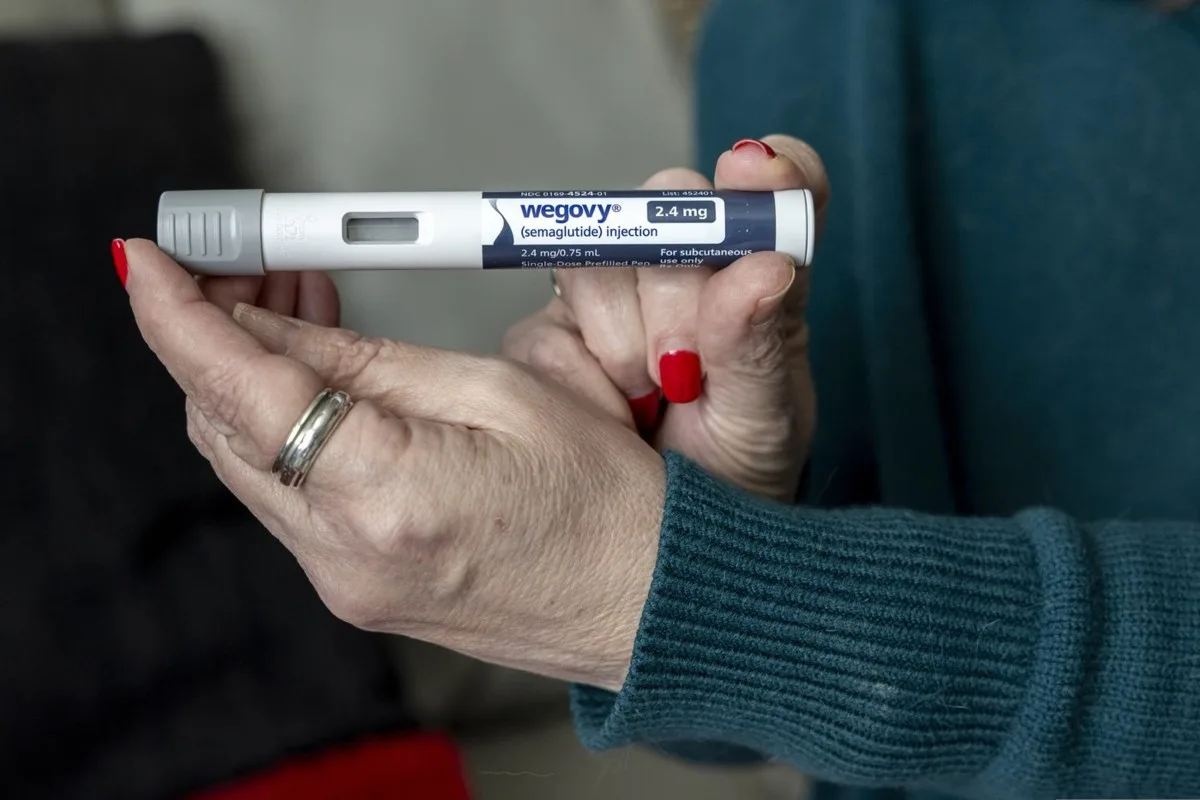

The Surge in GLP-1 Medications for Weight Management
In recent years, a new class of medications known as GLP-1 receptor agonists has revolutionized the landscape of weight management. Initially developed to help manage type 2 diabetes, drugs like semaglutide (found in Ozempic and Wegovy) and tirzepatide (found in Mounjaro and Zepbound) have demonstrated remarkable efficacy in promoting significant weight loss. This has led to a dramatic increase in their prescription and use, not just for individuals with diabetes, but also for those seeking to achieve and maintain a healthier weight.
Doctors are reporting a significant uptick in the prescription of these powerful medications. The demand is so high that it has outpaced supply at times, highlighting the profound impact they are having on individuals' lives and the broader healthcare system. This trend is further underscored by projections suggesting a substantial rise in the number of Americans utilizing GLP-1 drugs in the coming years. For instance, a JP Morgan study estimates that by 2030, as many as 25 million Americans could be on a GLP-1 medication, a notable increase from previous estimations.
Understanding GLP-1 Receptor Agonists
To appreciate the impact of these drugs, it's crucial to understand how they work. GLP-1 (glucagon-like peptide-1) is a naturally occurring hormone in the body that plays a vital role in regulating appetite and blood sugar. GLP-1 receptor agonists mimic the action of this natural hormone, binding to GLP-1 receptors in various parts of the body, including the brain, stomach, and pancreas.
Key Mechanisms of Action:
- Appetite Regulation: By acting on the brain, these medications can increase feelings of fullness and reduce hunger, leading to a natural decrease in calorie intake.
- Gastric Emptying: They slow down the rate at which food leaves the stomach, contributing to prolonged satiety.
- Blood Sugar Control: In individuals with type 2 diabetes, they stimulate insulin release and reduce glucagon secretion, helping to lower blood glucose levels.
This multifaceted approach makes GLP-1s particularly effective for weight loss, often leading to greater reductions in body weight compared to traditional diet and exercise alone. The success of medications like semaglutide (Ozempic, Wegovy) and tirzepatide (Mounjaro, Zepbound) has made them household names in discussions about weight management.
Navigating the Rise: Trends and Considerations
The increasing popularity of GLP-1 medications brings with it several important considerations. While the benefits for many individuals are undeniable, responsible use and a comprehensive understanding of the treatment are paramount.
Who is Prescribing and Using These Medications?
Initially, GLP-1s were primarily prescribed for individuals with type 2 diabetes who also needed assistance with weight management. However, as their effectiveness for weight loss became more apparent, and with the development of higher-dose formulations specifically for obesity (like Wegovy and Zepbound), their use has expanded significantly.
The demographic using these drugs is diverse, but reports indicate a notable rise in their use among women. This could be attributed to various factors, including societal pressures related to body image, a greater willingness to seek medical interventions for weight management, and the effectiveness of these drugs in addressing weight concerns that may be particularly challenging for some women.
Concerns and Misconceptions:
With any widely adopted medical treatment, there are often concerns and potential for misuse. Some discussions have raised the possibility of individuals using these powerful drugs primarily for cosmetic reasons or to achieve an unrealistic body ideal, rather than for medically indicated weight loss. This raises questions about:
Precision tracking for your journey
Join thousands using Shotlee to accurately track GLP-1 medications and side effects.
📱 Get the Shotlee App
Track your GLP-1 medications, peptides, and health metrics on the go with our mobile app!
- Appropriate Use: Ensuring these medications are prescribed and used under the guidance of a healthcare professional for individuals who meet the clinical criteria for obesity or overweight with weight-related comorbidities.
- Long-Term Management: Understanding that these medications are typically part of a comprehensive weight management plan that includes diet, exercise, and behavioral changes. Weight regain can occur if the medication is stopped without sustained lifestyle modifications.
- Access and Affordability: The high cost of these medications can be a barrier for many, leading to disparities in access.
Clinical Supervision and Comprehensive Weight Loss Programs
The effectiveness and safety of GLP-1 medications are maximized when integrated into a clinically supervised weight-loss program. MinuteClinic, for example, highlights the importance of such programs, offering both in-person and virtual services designed to support patients through their weight management journey.
The Role of Structured Programs:
- Personalized Plans: These programs often involve individualized nutritional guidance, exercise recommendations, and behavioral counseling tailored to the patient's needs and preferences.
- Monitoring and Support: Regular check-ins with healthcare providers allow for the monitoring of progress, management of potential side effects, and adjustments to the treatment plan.
- Holistic Health: Beyond weight loss, these programs focus on broader health outcomes, including chronic disease prevention and the improvement of long-term metabolic health.
For individuals using GLP-1 medications, tools like Shotlee can be invaluable. By tracking medication adherence, symptom changes, and overall health metrics, patients can provide their healthcare team with crucial data, leading to more informed treatment decisions and better outcomes.
Potential Benefits and Risks
GLP-1 receptor agonists offer significant potential benefits for individuals struggling with obesity and related health conditions. However, like all medications, they also carry potential risks and side effects that must be carefully considered.
Key Benefits:
- Significant Weight Loss: Clinical trials have shown substantial and sustained weight loss in a significant percentage of participants.
- Improved Metabolic Health: Beyond weight loss, these drugs can improve blood pressure, cholesterol levels, and glycemic control in individuals with type 2 diabetes.
- Reduced Cardiovascular Risk: Some studies have indicated a potential reduction in the risk of major adverse cardiovascular events in certain patient populations.
Potential Risks and Side Effects:
The most common side effects are gastrointestinal in nature and often occur when starting the medication or increasing the dose. These can include:
- Nausea
- Vomiting
- Diarrhea
- Constipation
- Abdominal pain
Less common but more serious side effects can include pancreatitis, gallbladder problems, kidney issues, and in rare cases, thyroid C-cell tumors (observed in animal studies, relevance to humans is still being investigated). It is crucial for patients to discuss their full medical history with their doctor to determine if a GLP-1 medication is appropriate and to be aware of any warning signs.
| Medication (Brand Name) | Active Ingredient | Primary Indication | Typical Efficacy (Approx. % Weight Loss) | Key Considerations |
|---|---|---|---|---|
| Ozempic | Semaglutide | Type 2 Diabetes, Chronic Weight Management (lower dose) | 5-10% (for diabetes management) | Requires prescription, potential GI side effects. |
| Wegovy | Semaglutide | Chronic Weight Management (higher dose) | 15-20% or more | Specifically approved for obesity, requires prescription, potential GI side effects. |
| Mounjaro | Tirzepatide | Type 2 Diabetes, Chronic Weight Management (dual GIP/GLP-1 agonist) | 15-20% or more (for diabetes management) | Dual action, potent, potential GI side effects. |
| Zepbound | Tirzepatide | Chronic Weight Management (dual GIP/GLP-1 agonist) | 15-20% or more | Specifically approved for obesity, dual action, potent, potential GI side effects. |
Practical Takeaways for Patients and Providers
The increasing prevalence of GLP-1 medications for weight loss necessitates a thoughtful and informed approach. For patients considering these treatments, it's essential to:
- Consult a Healthcare Professional: Discuss your health history, weight goals, and any concerns with your doctor to determine if a GLP-1 medication is suitable for you.
- Understand the Commitment: Recognize that these are not quick fixes but part of a long-term strategy that requires lifestyle changes.
- Utilize Supportive Tools: Consider using apps or platforms like Shotlee to track your progress, manage doses, and monitor symptoms, which can empower you and your doctor.
For healthcare providers, it's important to:
- Stay Updated: Keep abreast of the latest research, guidelines, and available medications.
- Comprehensive Counseling: Provide thorough education on benefits, risks, and the importance of lifestyle integration.
- Monitor Closely: Regularly assess patient progress, side effects, and adherence.
Conclusion
The rise in the use of GLP-1 receptor agonists for weight loss is a significant development in modern medicine. These powerful medications offer a new avenue for individuals struggling with excess weight, potentially leading to substantial health improvements. However, their efficacy is best realized within the framework of medically supervised programs that emphasize a holistic approach to health. As these drugs become more widespread, a balanced understanding of their benefits, risks, and the importance of responsible, personalized care will be crucial for both patients and the healthcare community.