
The Dawn of a New Era in Weight Management: Introducing Retatrutide
The landscape of weight management is rapidly evolving, and a new contender is emerging that's capturing significant attention. Eli Lilly's experimental drug, Retatrutide, has recently unveiled late-stage clinical trial results that are turning heads in the medical community. These findings suggest a potential paradigm shift in how we approach obesity treatment, with some experts even drawing parallels to the effectiveness of bariatric surgery.
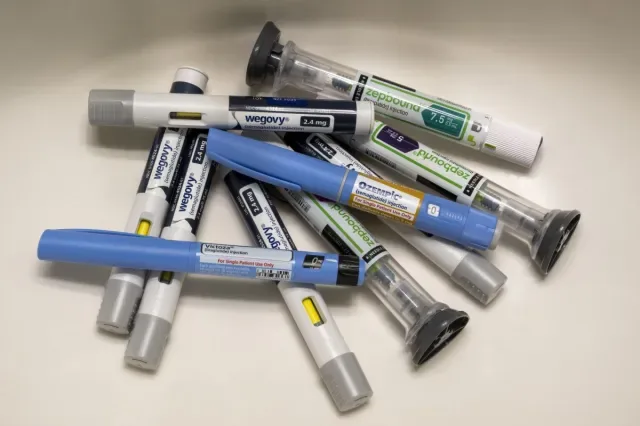
In a significant announcement on May 21st, Eli Lilly revealed that Retatrutide helped trial participants achieve an average weight loss of approximately 70 pounds, equating to nearly 28% of their body weight over an 80-week period. This level of efficacy is unprecedented for a non-surgical intervention and is prompting discussions about its place alongside established medications like Ozempic, Wegovy, and Mounjaro.
While Retatrutide is not yet approved by the U.S. Food and Drug Administration (FDA), the promising data has fueled speculation that an approval could be on the horizon later this year, following the company's submission for review. The implications of such a potent weight-loss tool are far-reaching, particularly for individuals struggling with severe obesity.
Retatrutide's Unprecedented Efficacy and Mechanism of Action
The remarkable weight loss observed with Retatrutide is attributed to its novel mechanism of action. Unlike existing medications that target one or two gut hormones, Retatrutide acts as a "triple-agonist," mimicking the effects of three key hormones: GLP-1, GIP, and glucagon. This multi-hormonal approach appears to amplify its impact on weight management.
Understanding the Hormonal Targets
- GLP-1 (Glucagon-Like Peptide-1): This hormone plays a crucial role in regulating appetite, slowing gastric emptying, and improving insulin sensitivity. Medications like Ozempic and Wegovy (semaglutide) leverage GLP-1 agonism.
- GIP (Glucose-Dependent Insulinotropic Polypeptide): GIP also influences insulin secretion and can affect fat metabolism. Tirzepatide (Zepbound, Mounjaro) is a dual GLP-1/GIP agonist.
- Glucagon: This hormone, which Retatrutide also targets, is known to increase blood glucose levels but also plays a role in energy expenditure and fat breakdown.
By simultaneously activating these three hormonal pathways, Retatrutide appears to create a synergistic effect, leading to more substantial weight loss. Dr. Natalie Azar, an NBC medical contributor, noted on TODAY that the results "basically start to approximate what we see in bariatric surgery," highlighting the drug's significant potential.
Extended Trial Data and BMI Transformation
Eli Lilly's data further revealed that nearly two-thirds of participants taking the highest dose of Retatrutide successfully reduced their Body Mass Index (BMI) below 30, effectively moving them out of the obesity category. For individuals with severe obesity who continued the medication in an extended phase of the study, the results were even more striking. These participants lost an average of up to 85 pounds, or about 30% of their body weight, after two years on the drug.
This profound impact suggests Retatrutide could be a game-changer for individuals with extreme obesity who have not found success with other weight-loss interventions.
Comparing Retatrutide to Existing Weight-Loss Medications
To fully appreciate Retatrutide's potential, it's essential to compare its efficacy to currently available weight-loss medications. While direct head-to-head studies are still pending, the reported average weight loss figures provide a clear indication of its comparative strength.
| Medication | Active Ingredient(s) | Hormonal Targets | Average Weight Loss (Approx.) |
|---|---|---|---|
| Wegovy / Ozempic | Semaglutide | GLP-1 | ~15% |
| Zepbound / Mounjaro | Tirzepatide | GLP-1 and GIP | ~21% |
| Retatrutide (Experimental) | (Proprietary) | GLP-1, GIP, and Glucagon | ~28% (over 80 weeks) |
As the table illustrates, Retatrutide's triple-agonist approach appears to yield significantly higher weight loss compared to the dual-agonist tirzepatide and the GLP-1 agonist semaglutide. Dr. Susan Spratt, an endocrinologist not involved in the trial, described the results as "huge" and "the largest weight loss I've ever seen in any medication trial."
Beyond Weight Loss: Cardiovascular and Metabolic Benefits
The benefits of Retatrutide may extend beyond mere weight reduction. Early trial data suggests that the drug also positively impacts several key cardiovascular and metabolic risk factors. Participants experienced notable improvements in:
- Waist Circumference: A reduction in abdominal fat, which is strongly linked to metabolic health.
- Blood Pressure: Lowering high blood pressure is critical for reducing the risk of heart disease and stroke.
- Non-HDL Cholesterol Levels: This metric is a strong predictor of cardiovascular risk.
These additional health improvements underscore the potential of Retatrutide as a comprehensive treatment for individuals with obesity and associated comorbidities.
Potential Side Effects and Considerations
As with most potent medications, Retatrutide is associated with potential side effects. The most commonly reported adverse events in the trial were gastrointestinal in nature, mirroring those seen with other GLP-1 and GIP receptor agonists. These include:
Precision tracking for your journey
Join thousands using Shotlee to accurately track GLP-1 medications and side effects.
📱 Get the Shotlee App
Track your GLP-1 medications, peptides, and health metrics on the go with our mobile app!
- Nausea
- Diarrhea
- Vomiting
- Constipation
- Abdominal pain
- Decreased appetite
- Heartburn
- Indigestion
Other side effects noted in the trial included upper respiratory tract infections, urinary tract infections, and skin sensations. Approximately 11% of participants discontinued the drug due to adverse events, compared to about 5% in the placebo group.
Medical professionals also point out that the profound weight loss achieved with Retatrutide might be "overpowering" for some individuals who only need to lose a moderate amount of weight. However, for those with severe obesity or who have plateaued on other treatments, this level of efficacy could be transformative.
Who Could Benefit Most from Retatrutide?
Retatrutide's impressive efficacy positions it as a potentially vital treatment option for several patient populations:
- Individuals with Severe Obesity: Those with a BMI of 35 or higher, for whom significant weight loss is medically necessary, could see substantial health benefits.
- Non-Responders to Existing GLP-1 Medications: Patients who have not achieved adequate weight loss with current GLP-1 therapies may find Retatrutide a more effective alternative.
- Individuals Experiencing Weight Regain Plateaus: For those who initially lost weight with GLP-1 drugs but have since stalled, Retatrutide could help overcome these plateaus.
The ability to track progress, including weight loss, symptom management, and dosage adherence, can be invaluable for patients undergoing treatment with powerful medications like Retatrutide. Tools like Shotlee can empower individuals to actively participate in their health journey and communicate effectively with their healthcare providers.
Practical Takeaways for Patients and Providers
The emergence of Retatrutide signifies a hopeful advancement in obesity treatment. For patients, it offers the prospect of achieving significant and sustainable weight loss, potentially leading to improved health outcomes and quality of life. For healthcare providers, it presents a powerful new tool to manage complex cases of obesity.
As with any new medication, careful patient selection, thorough risk-benefit assessments, and ongoing monitoring for side effects will be crucial. The journey to widespread availability and clinical integration will involve further research, regulatory review, and educational initiatives.
Conclusion: A Glimpse into the Future of Obesity Treatment
Retatrutide's trial results represent a significant leap forward in the quest for effective weight-loss therapies. Its triple-agonist mechanism of action delivers unprecedented weight loss, rivaling the outcomes of bariatric surgery and surpassing current pharmacological options. While still experimental, the drug holds immense promise for individuals battling severe obesity and those who haven't responded to existing treatments. As Eli Lilly progresses towards FDA submission, the medical community and patients alike will be eagerly awaiting further developments, anticipating a future where significant weight loss and improved metabolic health are more attainable than ever before.
Frequently Asked Questions (FAQs)
Q1: How does Retatrutide compare to Ozempic and Wegovy in terms of weight loss?
Retatrutide, an experimental triple-agonist targeting GLP-1, GIP, and glucagon, has shown an average weight loss of approximately 28% over 80 weeks in trials. This significantly exceeds the average 15% weight loss typically seen with semaglutide (Ozempic/Wegovy), which targets only GLP-1.
Q2: What makes Retatrutide different from Mounjaro or Zepbound?
Q3: Are the side effects of Retatrutide similar to other weight-loss drugs?
Yes, the most common side effects reported for Retatrutide are gastrointestinal, including nausea, diarrhea, vomiting, and constipation, which are also frequently observed with GLP-1 and GIP receptor agonists like semaglutide and tirzepatide.
Q4: Can Retatrutide be considered a replacement for bariatric surgery?
While Retatrutide's weight loss results are comparable to those seen with bariatric surgery, it is not yet approved as a direct replacement. It offers a non-surgical option that achieves significant weight loss, potentially reducing the need for surgery in some individuals.
Q5: What is the potential timeline for Retatrutide's approval and availability?
Eli Lilly announced that they anticipate submitting Retatrutide for FDA review later this year. If approved, it could become available to patients sometime thereafter, though specific timelines are subject to the regulatory process.