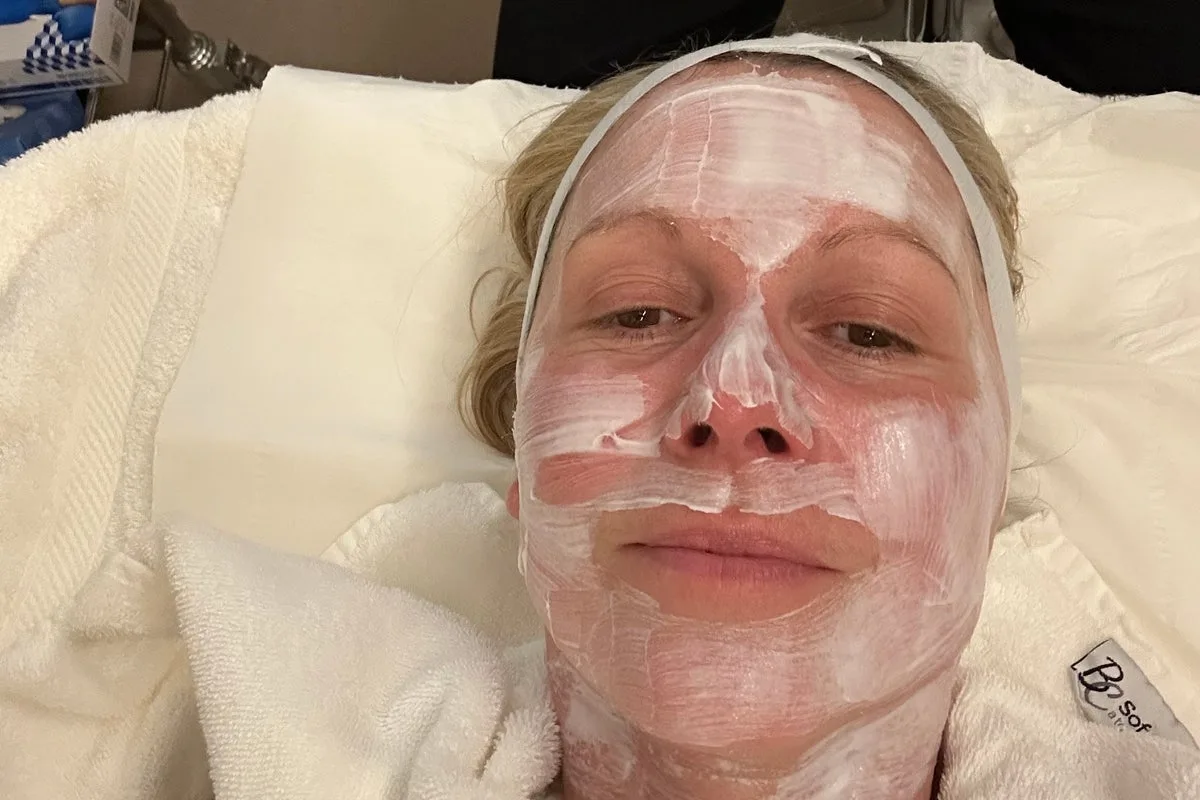

The Rise of Peptide Therapy: A Celebrity Endorsement
In the ever-evolving landscape of wellness and anti-aging, certain trends capture the public's attention, often propelled by celebrity endorsements. The latest to gain significant traction is peptide therapy. Kris Jenner, a figure synonymous with meticulous self-care and a transparent approach to her aesthetic journey, recently shared her enthusiasm for peptides, positioning herself among a growing cohort of individuals seeking these compounds for a variety of health and beauty benefits. This revelation, made during a Mother's Day-themed episode of the women's health podcast She MD, sheds light on a powerful, albeit sometimes misunderstood, area of modern health optimization.
Kris Jenner's Personal Experience with Peptide Therapy
During her conversation with podcast co-hosts Mary Alice Haney and Dr. Thais Aliabadi, Jenner candidly discussed her health and beauty regimen. While her celebrated facelift was mentioned, she emphasized that her dewy complexion and sustained energy levels are not solely attributed to surgical interventions. "I love a good peptide," Jenner declared, highlighting its significant positive impact on her well-being.
Jenner's foray into peptide therapy wasn't a direct leap but rather an evolution from her experience with GLP-1 medications. She shared that an initial trial with Ozempic, a well-known GLP-1 agonist often prescribed for type 2 diabetes and weight management, left her feeling unwell. The side effects, including nausea and an inability to function effectively, prompted her to seek alternatives. It was Dr. Aliabadi who then recommended she explore peptide injections. Jenner noted that she complements her peptide treatments, the specifics of which she didn't disclose, with supplements recommended by Dr. Aliabadi, such as fish oil, further illustrating a holistic approach to her health.
From GLP-1s to Peptides: A Shift in Approach
Jenner's experience with Ozempic and subsequent pivot to peptides underscores a common narrative in the pursuit of effective health solutions. While GLP-1 agonists like semaglutide (the active ingredient in Ozempic and Wegovy) and tirzepatide (the active ingredient in Mounjaro) have revolutionized weight loss and diabetes management for many, they are not universally tolerated. Side effects can range from mild gastrointestinal distress to more significant issues, leading individuals to explore other avenues. Peptide therapy, with its diverse range of compounds, offers a potential alternative for those seeking similar benefits or exploring different health objectives.
Understanding Peptide Therapy: What Are Peptides?
Peptides are short chains of amino acids, the building blocks of proteins. In the human body, they act as signaling molecules, playing crucial roles in numerous biological processes, including cell repair, hormone regulation, immune function, and metabolism. Synthetic peptides, often referred to in the context of peptide therapy, are laboratory-created versions designed to mimic or enhance these natural functions.
The appeal of peptide therapy lies in its potential to target specific bodily functions. Proponents, often found in online communities and among biohackers and "looksmaxxers," claim that various peptides can offer a wide array of benefits, including:
- Anti-aging effects: Promoting collagen production and skin elasticity.
- Muscle building and recovery: Aiding in tissue repair and growth.
- Increased energy and alertness: Enhancing metabolic processes and reducing fatigue.
- Weight management: Influencing appetite, metabolism, and fat storage.
- Improved sleep quality: Regulating circadian rhythms and promoting restful sleep.
- Enhanced mood and cognitive function: Supporting neurotransmitter activity.
It's important to note that the field of peptide therapy is still developing, and not all peptides are FDA-approved for widespread therapeutic use. Many are available through specialized clinics or compounding pharmacies, and their efficacy and safety are often supported by anecdotal evidence and preliminary research rather than extensive, large-scale clinical trials for every specific application.
Precision tracking for your journey
Join thousands using Shotlee to accurately track GLP-1 medications and side effects.
📱 Get the Shotlee App
Track your GLP-1 medications, peptides, and health metrics on the go with our mobile app!
The Broader Peptide Landscape: Beyond Kris Jenner
Kris Jenner is far from alone in her embrace of peptide therapy. Figures like Joe Rogan and others in the wellness and biohacking communities have publicly discussed their use of peptides. This growing interest is fueled by the promise of personalized health solutions that go beyond traditional pharmaceutical approaches. However, the lack of robust, standardized clinical trials for many of these peptides means that users often rely on word-of-mouth, online reviews, and self-experimentation to determine their effectiveness and safety.
The journey from Ozempic to peptides, as described by Jenner, highlights a critical aspect of modern healthcare: the search for personalized solutions. What works for one individual may not work for another, and understanding these differences is key. For those considering peptide therapy, consulting with a qualified healthcare professional who is knowledgeable about these compounds is paramount. They can help navigate the options, assess individual needs, and monitor for potential side effects.
Integrating Peptide Therapy with a Healthy Lifestyle
Jenner herself acknowledges that peptides are not a magic bullet. She emphasized that her peptide regimen is part of a larger commitment to her health, which includes strength training three times a week and regular Pilates sessions. This holistic approach, combining targeted therapies with consistent exercise and a balanced diet, is often the most effective strategy for achieving sustainable health and wellness goals.
For individuals managing their health, including those exploring weight loss or seeking to optimize energy levels, tracking progress is essential. Tools like Shotlee can be invaluable in monitoring:
- Dose adherence: Ensuring peptides or other medications are taken as prescribed.
- Symptom tracking: Recording any side effects or positive responses.
- Health metrics: Logging weight, energy levels, sleep patterns, and other relevant data.
- Lifestyle factors: Correlating diet, exercise, and other habits with observed outcomes.
This detailed health tracking can provide crucial insights, helping individuals and their healthcare providers make informed adjustments to their treatment plans.
Practical Takeaways
Kris Jenner's endorsement of peptide therapy, particularly as an alternative to GLP-1 medications, underscores several important points for consumers:
- Personalization is key: Not all treatments work for everyone. Exploring alternatives is a valid part of finding what's right for you.
- Holistic approach: Peptides are most effective when integrated into a broader healthy lifestyle that includes diet, exercise, and stress management.
- Consult professionals: Always discuss any new treatments, including peptides, with a qualified healthcare provider.
- Stay informed: The peptide landscape is evolving. Seek reliable information and be aware of the current research and regulatory status.
Conclusion
Kris Jenner's candid discussion about her use of peptide therapy offers a glimpse into the growing interest surrounding these compounds. Her experience, moving from the side effects of Ozempic to the energizing benefits of peptides, highlights the personalized nature of health optimization. As peptide therapy continues to gain prominence, it's crucial for individuals to approach it with informed curiosity, prioritizing consultation with healthcare professionals and integrating these potential therapies into a comprehensive wellness strategy. While the allure of quick fixes is strong, sustainable health is built on a foundation of knowledge, professional guidance, and consistent healthy habits.