
The Allure of Quick Fixes in Brazil's Wellness Scene
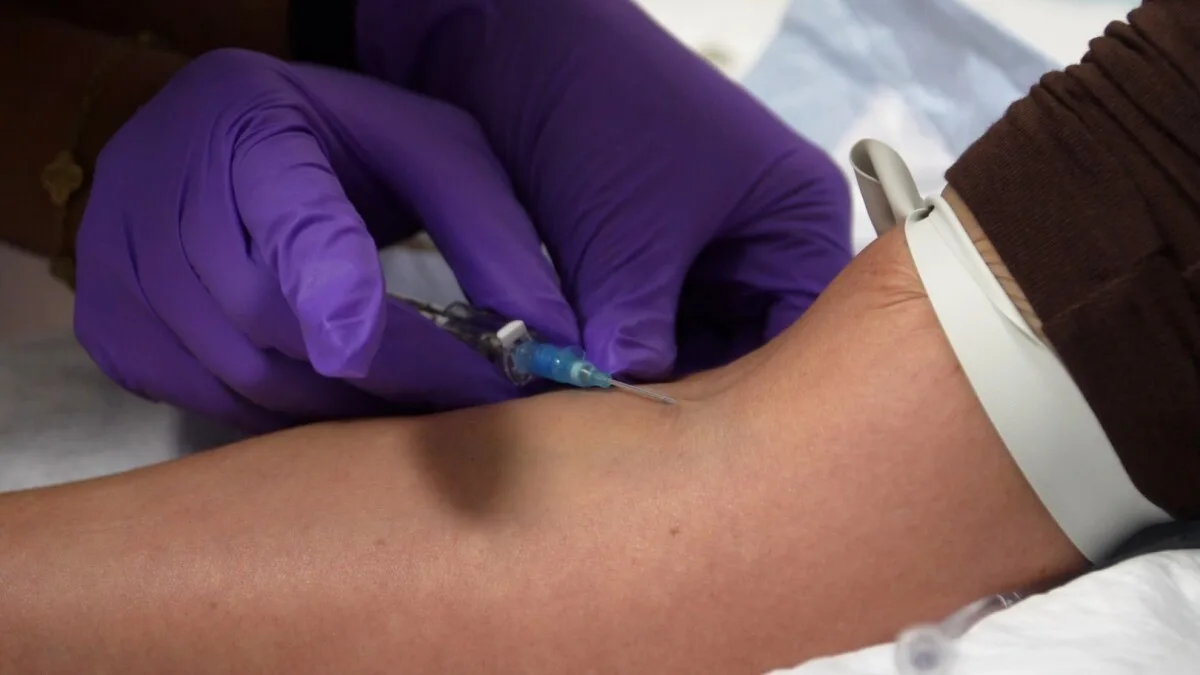
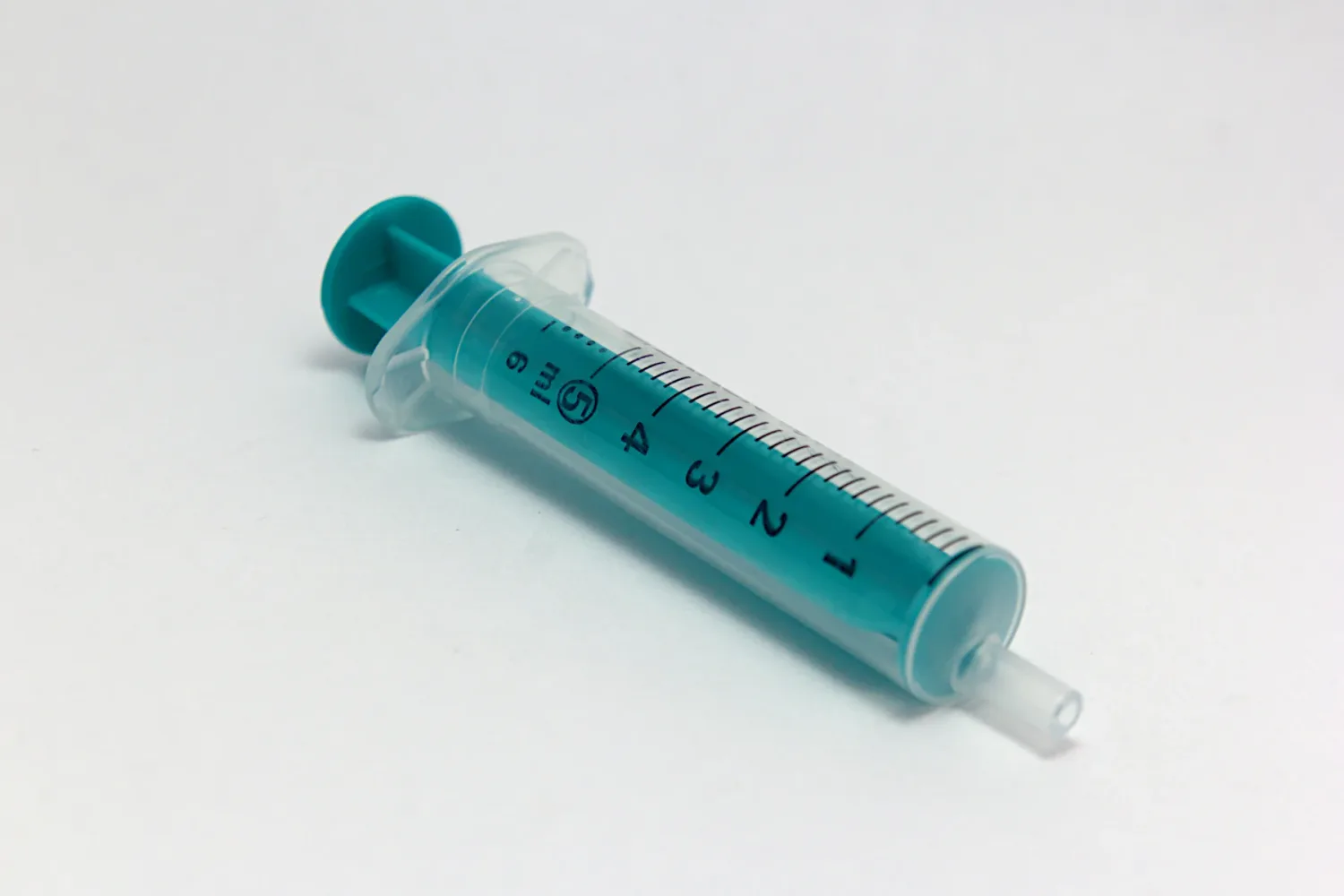
If you scroll through your social media feed while visiting or living in São Paulo or Rio de Janeiro, you may have noticed a surge in advertisements promising rapid recovery, younger skin, or enhanced athletic performance. These posts often feature sleek vials of injectable peptides, marketed with professional aesthetics and compelling testimonials. For many foreigners, the appeal is undeniable: a convenient solution to aging or injury that seems to bypass traditional medical hurdles.
However, there is a critical warning you need to hear before considering these treatments. Brazil's health regulator, Anvisa, has issued a blunt message regarding these products: they are not legal to sell or use in the country in the manner they are being offered. For a foreign resident, navigating this landscape requires more than just a translation app; it requires a clear understanding of local health laws and the potential dangers lurking in unregulated vials.
This article breaks down exactly what Anvisa has said about these injectable peptides, why the "supplement" label is misleading, and what you should do to protect your health while in Brazil.
Understanding Anvisa's Stance on Injectables
Anvisa (Agência Nacional de Vigilância Sanitária) is Brazil's National Health Surveillance Agency. It holds the authority to decide which medicines, supplements, and cosmetics may be legally sold within the country. Their role is to ensure that any product entering the Brazilian market has undergone rigorous testing for safety, quality, and efficacy.
In a recent public notice, Anvisa specifically targeted a group of peptide products flooding the online market. The agency stated clearly that these products have no registration in any of the approved categories—medicine, supplement, or cosmetic. This means they have not passed the necessary clinical trials or manufacturing audits required for legal sale.
The agency highlighted specific substances commonly sold in this grey market:
- GHK-Cu: Often marketed for skin rejuvenation and collagen production.
- BPC-157: Promoted for tissue repair and tendon healing.
- TB-500: Sought after for muscle recovery and inflammation reduction.
- CJC-1295 and Ipamorelin: Frequently combined to stimulate growth hormone release.
While peptides themselves are ordinary biological molecules found naturally in the body, the problem lies in the injectable versions sold to the public. Without regulatory clearance, a buyer has no way of knowing what the vial actually contains, how pure the substance is, or where it was manufactured.
Why the "Supplement" Label Is Misleading
Sellers often attempt to bypass regulations by labeling these injections as "premium supplements." This is a common tactic designed to catch buyers off guard. Anvisa is unequivocal: these products are not approved as food supplements for aesthetic or performance purposes.
There is a fundamental structural rule in Brazilian law that settles this question. In Brazil, a food supplement may only be taken by mouth. Consequently, a legal injectable food supplement does not exist. Anything sold as an injectable supplement is, by definition, outside the law. Furthermore, these products do not qualify as medicines, as they have not cleared the studies required to prove they are both safe and effective for human use.
The Hidden Dangers of Unregulated Peptide Therapy
For a foreign resident weighing the risks of injectable peptides, the practical takeaway is straightforward: you are being sold an unregistered product with no safety oversight. When you purchase these injections from a wellness clinic, a gym contact, or an online shop, you are entering a grey market that operates outside the protection of federal health laws.
The risks associated with these unregulated substances are significant and multifaceted:
Precision tracking for your journey
Join thousands using Shotlee to accurately track GLP-1 medications and side effects.
📱 Get the Shotlee App
Track your GLP-1 medications, peptides, and health metrics on the go with our mobile app!
- Contamination: Without Good Manufacturing Practice (GMP) standards, vials may contain bacteria, endotoxins, or other foreign particulates.
- Incorrect Dosage: Research chemicals often lack precise dosing instructions, leading to under-dosing or dangerous overdosing.
- Unknown Ingredients: A vial labeled as GHK-Cu might contain a different peptide entirely, or a mixture that could cause adverse allergic reactions.
- Infection Risk: Improper storage or non-sterile injection techniques can lead to abscesses or systemic infections.
The Rio Times has noted that this issue fits a wider Brazilian pattern where the online boom in injectable treatments has repeatedly run ahead of the rules. The regulator has spent much of the year chasing unregistered shots through pharmacies, importers, and social media channels.
Comparing Legal vs. Illegal Peptide Access
To help you distinguish between legitimate medical treatments and the grey market, it is helpful to compare the regulatory status of various peptides. While some peptides are approved for specific medical conditions in other jurisdictions (like GLP-1 agonists for diabetes), the peptides listed below are currently unregistered for general sale in Brazil.
| Substance | Common Claim | Anvisa Regulatory Status | Risk Level |
|---|---|---|---|
| GHK-Cu | Skin Rejuvenation | Unregistered | High (Infection/Allergy) |
| BPC-157 | Tissue Healing | Unregistered | High (Unknown Purity) |
| TB-500 | Muscle Recovery | Unregistered | High (Dosage Uncertainty) |
| CJC-1295 | Growth Hormone | Unregistered | High (Hormonal Imbalance) |
| Approved Medicines | Varies by Indication | Registered & Prescribed | Low (Under Supervision) |
Safe Practices for Foreign Residents
For newcomers to Brazil, the safe path is the dull one. Anything you put in your body should come with a doctor's prescription and a registered product bought from a licensed pharmacy, not a direct message and a courier. If a wellness clinic offers you one of these injections without a prescription or a valid Anvisa registration number, you should walk away.
When seeking legitimate medical care, follow these guidelines:
- Verify the Pharmacy: Ensure the pharmacy is licensed to operate in Brazil.
- Check the Prescription: Legitimate treatments require a valid prescription from a registered physician.
- Monitor Your Health: If you are undergoing legitimate medical treatments, use tools like Shotlee to track your progress, symptoms, and vital signs. This ensures you have accurate data to share with your healthcare provider.
- Report Suspicious Activity: If you encounter clinics selling unregistered goods, report them to local health authorities.
Why Tracking Matters
Even with legal treatments, monitoring your body's response is crucial. Unregulated peptides can cause subtle side effects that go unnoticed until they become serious. By maintaining a health log, you can identify patterns in your energy levels, skin condition, or pain management that indicate whether a treatment is working or causing harm. Shotlee can assist in this process by providing a structured way to document your health data, ensuring you have a clear picture of your wellness journey.
Conclusion
The allure of high-performance peptides is strong, but in Brazil, the regulatory environment is strict for a reason. Anvisa's warning is not just bureaucratic red tape; it is a safeguard against products that have not been proven safe or effective. For foreign residents, the priority must be safety over convenience. Stick to registered products, consult licensed medical professionals, and avoid the grey market that threatens your health.
FAQs
Are injectable peptides legal to buy in Brazil?
No. Anvisa says the injectable peptides being promoted online for beauty and fitness, including those sold as GHK-Cu, BPC-157, TB-500, CJC-1295 and ipamorelin, are not registered as medicines, supplements or cosmetics and cannot legally be sold in Brazil.
Why can't these products be sold as supplements?
Because food supplements in Brazil may only be taken by mouth. That means there is no such thing as a legal injectable food supplement, so any peptide shot marketed as one falls outside the rules automatically.
What should a foreign resident do instead?
Treat any injectable offered online or by a clinic with caution. Only use products that carry a doctor's prescription and are bought from a licensed pharmacy, since unregistered shots come with no guarantee of what they contain.
What risks are associated with unregulated peptides?
Unregulated peptides carry risks of contamination, incorrect dosage, unknown ingredients, and infection due to the lack of manufacturing standards and safety oversight required by Anvisa.
How can I track my health safely in Brazil?
Use health tracking tools like Shotlee to monitor your vitals and symptoms when using legitimate, prescribed treatments. This helps you maintain accurate records for your doctor and ensures you are not relying on unverified products.