
Celeb Agent: Why Stars Hide Ozempic, Wegovy Use
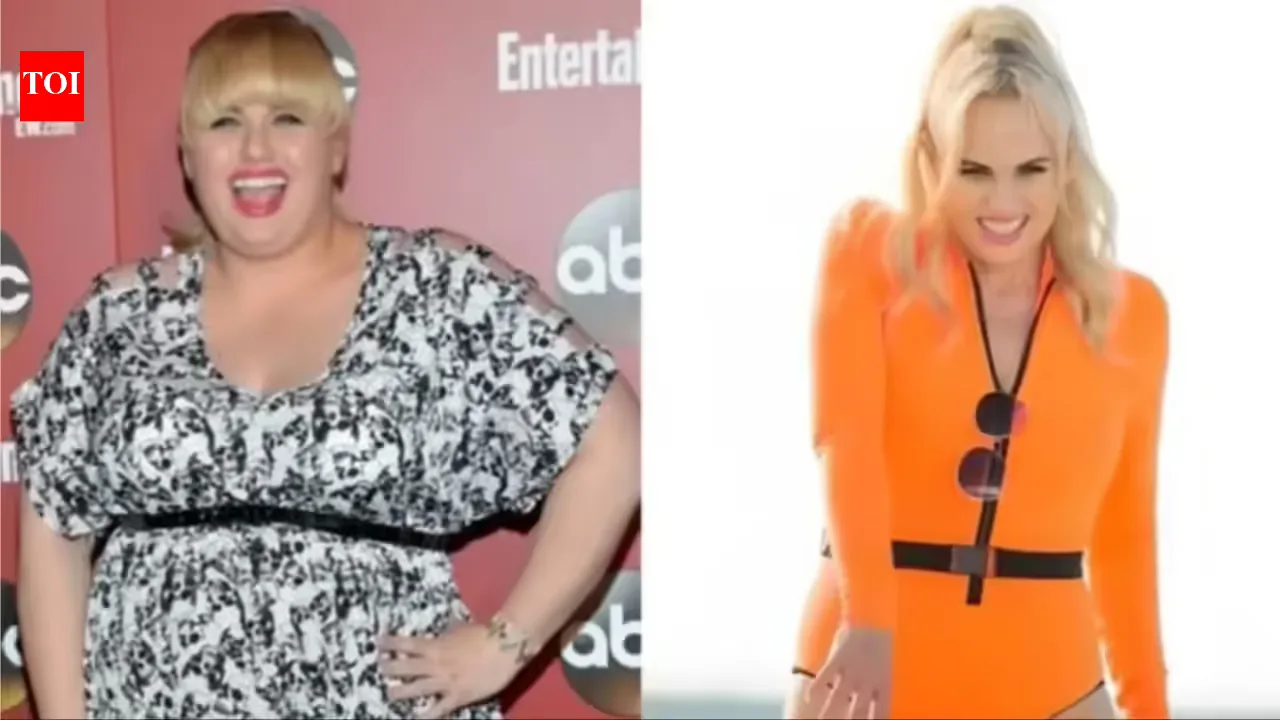
In the spotlight of Hollywood and TV, rapid weight loss sparks endless speculation about fat jabs like Ozempic, Wegovy, and Mounjaro. These GLP-1 receptor agonists, originally developed for type 2 diabetes management, have surged in popularity for their ability to suppress appetite, slow gastric emptying, and promote significant fat loss—often 15-20% of body weight in clinical trials. Yet, despite visible transformations, celebrities rarely confess. A celebrity agent with 14 years of experience shares the "dark reasons" why stars won't own up to these prescription weight loss injections.
The Rise of Fat Jabs in Weight Loss
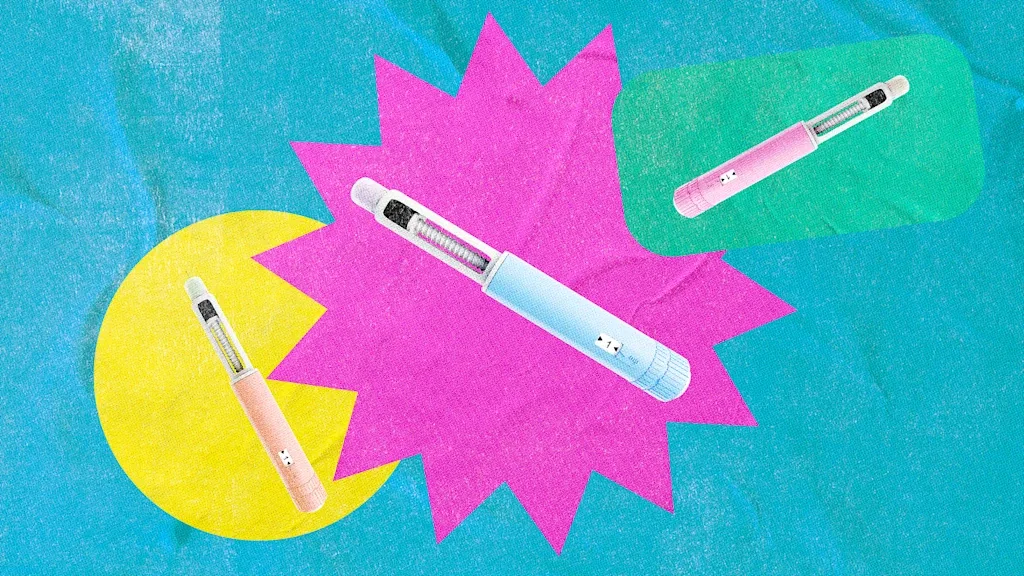
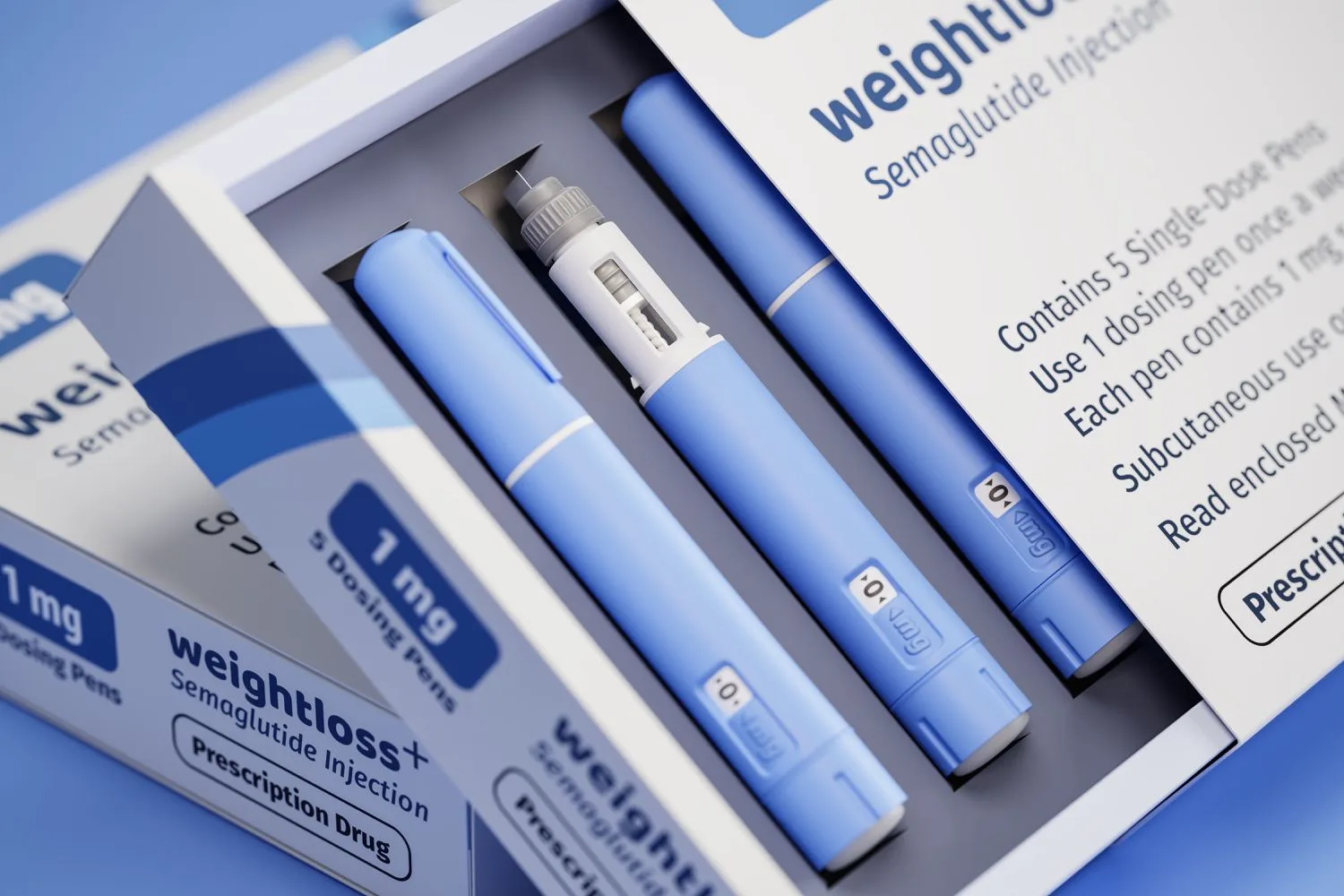
GLP-1 medications like Ozempic (semaglutide), Wegovy (higher-dose semaglutide), and Mounjaro (tirzepatide) represent a shift from crash diets, intense workouts, or even gastric bands. These weekly injections deliver fast, dramatic results by mimicking gut hormones that regulate hunger and blood sugar. For patients with obesity or metabolic issues, they offer a medically supervised path to sustainable weight management, but access requires a prescription from a healthcare professional.
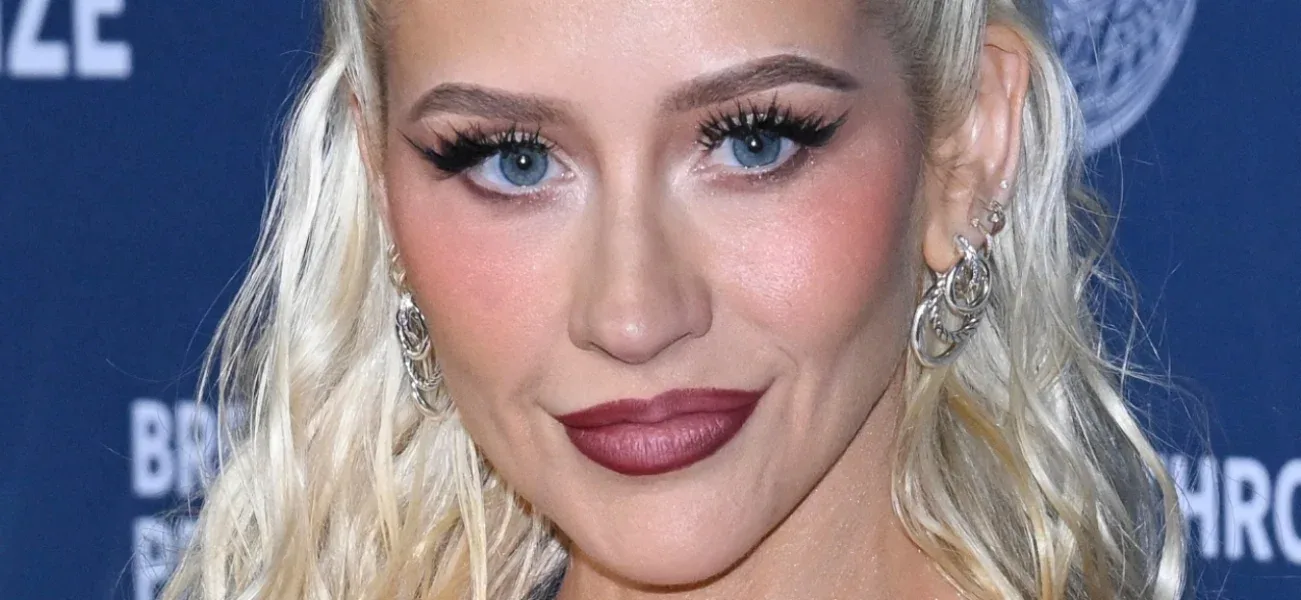
Public fascination peaks when celebrities slim down noticeably. As the agent notes, "Let's not pretend the public can't see what's happening. When a celebrity suddenly drops two dress sizes in record time, we all love to talk about it." This isn't limited to stars—everyday discussions mirror the trend—but celebs face unique pressures to conceal their methods.
A Celebrity Agent's Insider Perspective
With 14 years managing high-profile clients, this agent has helped celebrities navigate risks around weight loss jabs. "I've seen celebrities and helped them mitigate risks. In the instance of the jabs, the first red flag is regulatory," they explain. Unlike in the United States, where direct-to-consumer advertising is common, UK prescription-only medicines like Ozempic cannot be promoted publicly. A casual TV mention could trigger regulators, viewing it as indirect advertising—especially from influencers with massive platforms.
"The moment a celebrity goes on TV openly crediting a weight-loss jab, alarm bells ring," the agent warns. "If you've got influence, deals, or any kind of a public platform, you're held to a higher standard and rightly so." This scrutiny protects public health but silences stars.
TV Presenters Face Extra Hurdles
For TV personalities, rules tighten further. Contract clauses vary: soap stars are often banned from any product endorsements. Seasonal shows allow off-season deals, but daytime TV is "one of the trickiest to navigate." Linking to cosmetic or wellness brands can alter on-screen roles—sidelining stars from body image debates or rotating them out entirely.
A real-world example: BBC Morning Live's Dr Ranj stepped back via Instagram to pursue commercial work, including promoting Voy, a digital healthcare brand that prescribes weight loss injections. Broadcasters guard against blurring editorial and advertising lines, particularly in health topics.
Business Strategy: Protecting Paydays
Celebrities are businesses, and admitting to fat jabs limits opportunities. Noticeable weight loss, especially for those with longstanding struggles, attracts lucrative offers: fitness DVDs (in the past), wellness brands, apps, lifestyle plans, and supplements today. "The second you credit one jab, you limit your future paydays," the agent states.
Precision tracking for your journey
Join thousands using Shotlee to accurately track GLP-1 medications and side effects.
📱 Get the Shotlee App
Track your GLP-1 medications, peptides, and health metrics on the go with our mobile app!
NHS and government health campaigns offer prestige and high pay but demand consistency. Publicly advocating "balanced living" while using medical interventions risks hypocrisy charges—a "brand killer."
Image and Marketability Matter Most
The public craves glow-up tales of willpower and lifestyle overhauls. "We all still love the glow-up story, the willpower, the lifestyle overhaul, the 'new me.' It's more inspirational and more relatable, which makes it more marketable. A medical shortcut doesn't sell the same allure," the agent observes.
Dodging questions preserves this narrative, safeguarding multimillion-dollar deals. "In showbusiness, one honest answer can quietly cost millions."
Implications for Patients and the Public
While celebs strategize silence, these drugs offer real benefits for metabolic health. Ozempic and Wegovy reduce cardiovascular risks in trials, aid insulin sensitivity, and support long-term weight control when paired with diet and exercise. However, side effects like nausea, gastrointestinal issues, or muscle loss require monitoring—tools like Shotlee can help users privately track symptoms, dosages, and progress alongside doctor visits.
For non-celebs considering GLP-1 therapy:
- Consult a doctor to assess eligibility (BMI ≥30, or ≥27 with comorbidities).
- Discuss alternatives like lifestyle changes or other peptides.
- Compare: Mounjaro may outperform semaglutide in some dual-agonist trials for weight loss.
Safety first—abrupt stops can cause rebound weight gain.
Key Takeaways: What This Means for Weight Loss Conversations
- Celebs hide fat jab use due to regulatory bans on promotion, TV contract restrictions, and business risks.
- Admissions could breach ad rules, conflict with endorsements, or undermine inspirational branding.
- Examples like Dr Ranj highlight real conflicts in health media.
- For patients, GLP-1s like Ozempic provide evidence-based options; focus on medical guidance over celebrity trends.
Conclusion
The agent's revelations demystify celebrity silence on Ozempic, Wegovy, and Mounjaro. Beyond shame, it's a calculated shield against regulatory, contractual, and commercial fallout. Patients can learn from this: prioritize professional advice for metabolic health, track your journey discreetly, and ignore the glamour—effective weight management is personal, not performative.