
The Rise of GLP-1 Medications and Emerging Safety Concerns
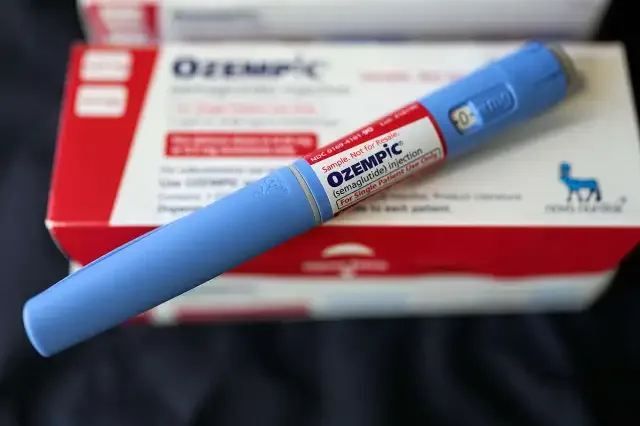
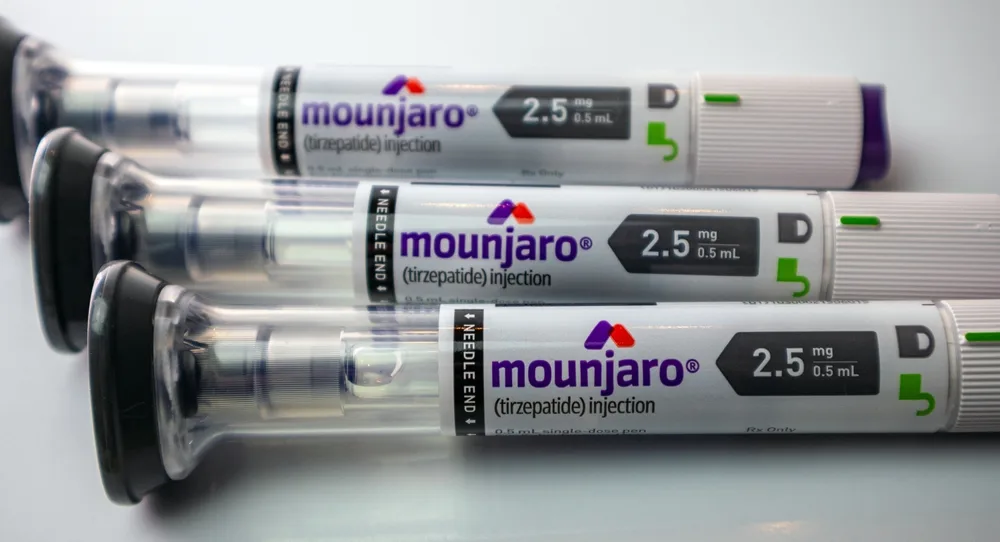
Glucagon-like peptide-1 (GLP-1) receptor agonists have revolutionized the treatment of type 2 diabetes and obesity. Medications like Ozempic (semaglutide), Wegovy (semaglutide), and Mounjaro (tirzepatide) have demonstrated remarkable efficacy in managing blood sugar levels and promoting significant weight loss, leading to widespread adoption and popularity. However, as these powerful drugs become more prevalent, concerns are emerging regarding potential serious side effects that were not fully understood or disclosed at the time of their widespread prescription.
Beyond the well-documented gastrointestinal effects, a more alarming potential side effect has come to light: Non-arteritic anterior ischemic optic neuropathy (NAION). This condition, characterized by sudden and often permanent vision loss due to damage to the optic nerve, is now the subject of numerous lawsuits against the manufacturers of these popular GLP-1 medications.
What is NAION and How Might it Be Linked to GLP-1 Drugs?
NAION is a condition where blood flow to the optic nerve is interrupted, leading to nerve damage and subsequent vision loss. Unlike arteritic anterior ischemic optic neuropathy (AAION), NAION is not caused by inflammation of blood vessels but rather by a blockage or reduced blood flow. The exact mechanisms behind NAION are complex and can be influenced by various factors, including vascular health, blood pressure, and certain medical conditions.
The core of the legal allegations centers on the claim that GLP-1 medications, including semaglutide and tirzepatide, may increase the risk of developing NAION. Plaintiffs argue that the manufacturers were aware of this potential risk, or should have been, due to the presence of GLP-1 receptors in the human eye and early reports of optic nerve issues associated with these drug classes.
Scientific Evidence and Early Warnings
Lawsuits, such as the one filed by Nancy Tomlinson against Eli Lilly (manufacturer of Mounjaro), allege that the drug's manufacturer was aware of the potential for GLP-1 drugs to affect the eye as early as 2016. This knowledge, derived from clinical studies, adverse event reports, and medical literature, allegedly included awareness of the human eye's GLP-1 receptors. Despite this, it is claimed that the drug's labeling was not updated to adequately warn patients and healthcare providers of the risk of NAION.
Further bolstering these claims are reports filed with the FDA's Adverse Event Reporting System (FAERS) dating back to 2012. These reports allegedly linked incidents of "optic ischemic neuropathy" to GLP-1 use, suggesting a correlation that appeared to exceed that of other diabetes or weight loss medications. Compounding these concerns are over a dozen case report studies detailing patients who experienced NAION after initiating GLP-1 therapy. In some instances, patients reported a slowing of vision loss progression after discontinuing the medication, only to see it resume upon restarting the drug.
Precision tracking for your journey
Join thousands using Shotlee to accurately track GLP-1 medications and side effects.
📱 Get the Shotlee App
Track your GLP-1 medications, peptides, and health metrics on the go with our mobile app!
More recent research, like a Veterans' Affairs study published in JAMA Open Network, has added to the scientific discussion. This study reportedly detected a 35% increased risk of NAION among GLP-1 users when compared to individuals taking older diabetes medications such as Invokana and Januvia. This growing body of evidence forms the basis of the claims that manufacturers failed to adequately warn about the potential for vision loss.
The Legal Landscape: Multidistrict Litigation and Bellwether Trials
The NAION lawsuits are not isolated incidents. They are part of a larger, consolidated legal effort known as a multidistrict litigation (MDL). Dozens of federal GLP-1 vision loss lawsuits have been consolidated before U.S. District Judge Karen Marston in the Eastern District of Pennsylvania. This MDL streamlines the pretrial process, allowing for coordinated discovery and motions, which is crucial for managing complex scientific and legal issues.
To help the court and parties understand the intricate science involved, Judge Marston has scheduled a "Science Day" for June 2, 2026. This event will feature non-adversarial presentations aimed at clarifying the alleged links between GLP-1 medications and NAION. Following this, the court is expected to select a small group of representative cases for early "bellwether" trials. These trials are designed to gauge jury responses to evidence and testimony, providing valuable insights that can guide settlement negotiations or future trial strategies for the remaining cases.
| Aspect | Details |
|---|---|
| Alleged Condition | Non-arteritic anterior ischemic optic neuropathy (NAION), leading to vision loss. |
| Medications Involved | Ozempic, Wegovy (semaglutide), Mounjaro (tirzepatide), and other GLP-1 receptor agonists. |
| Core Allegation | Manufacturers failed to adequately warn about the risk of NAION. |
| Legal Venue | Multidistrict Litigation (MDL) in the Eastern District of Pennsylvania, overseen by Judge Karen Marston. |
| Key Milestones | Scheduled "Science Day" (June 2, 2026), preparation for bellwether trials. |
| Plaintiff Claims | Failure to warn, breach of warranty, fraudulent concealment, misrepresentation, negligent design, and negligence. |
Parallel Litigation: Gastroparesis and Bowel Obstruction
It's important to note that Judge Marston is also overseeing a separate, though parallel, MDL concerning other serious side effects linked to GLP-1 medications: gastroparesis (stomach paralysis) and bowel obstruction. This litigation is significantly further along than the NAION claims, involving over 3,000 lawsuits. Bellwether trials for these cases are expected to precede those for the vision loss claims and will likely serve as a guide for how these broader cases might proceed. Once bellwether trials and pretrial proceedings conclude, cases not resolved by settlement may be remanded to their original districts for individual trials.
Navigating Your Health Journey with GLP-1 Medications
For individuals prescribed GLP-1 medications like Ozempic, Wegovy, or Mounjaro, this ongoing litigation can be concerning. It underscores the critical importance of open communication with your healthcare provider and diligent health tracking.
- Discuss Risks and Benefits: Before starting any new medication, have a thorough discussion with your doctor about the potential benefits and risks. Ensure you understand all possible side effects, even rare ones.
- Report Symptoms Promptly: If you experience any new or concerning symptoms, especially changes in vision, report them to your doctor immediately. Early detection and intervention are crucial for managing many health conditions.
- Maintain Detailed Health Records: Keeping track of your medication schedule, dosages, and any symptoms you experience can be invaluable. Tools like the Shotlee app can help you log doses, track side effects, and monitor your overall health progress, providing a comprehensive record for your healthcare provider.
- Stay Informed: While lawsuits are ongoing, it's also important to stay informed about the latest medical research and guidelines regarding GLP-1 medications.
Conclusion
The emergence of lawsuits alleging vision loss due to NAION in patients taking GLP-1 medications like Ozempic, Wegovy, and Mounjaro highlights the complex and evolving understanding of these powerful drugs. The legal proceedings, including the consolidated MDL and upcoming bellwether trials, aim to clarify the extent of manufacturer knowledge and responsibility. For patients, the focus remains on informed decision-making with healthcare providers, vigilant symptom monitoring, and proactive health management. As the legal landscape unfolds, continued research and transparent communication will be key to ensuring patient safety and well-being.