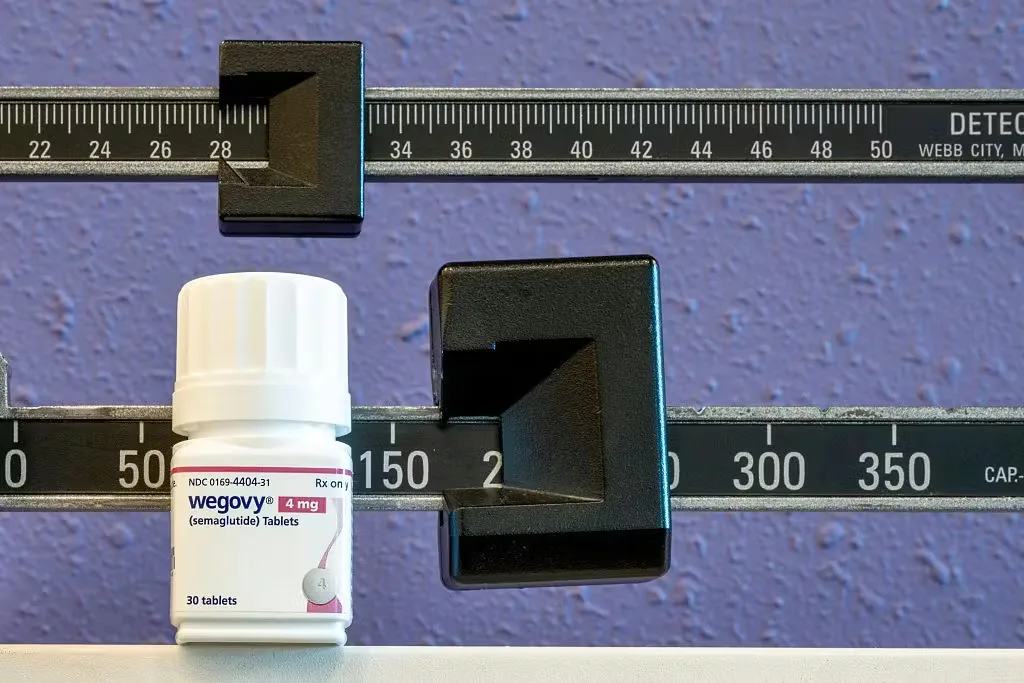

The Critical Intersection of Weight Loss Access and Medication Safety
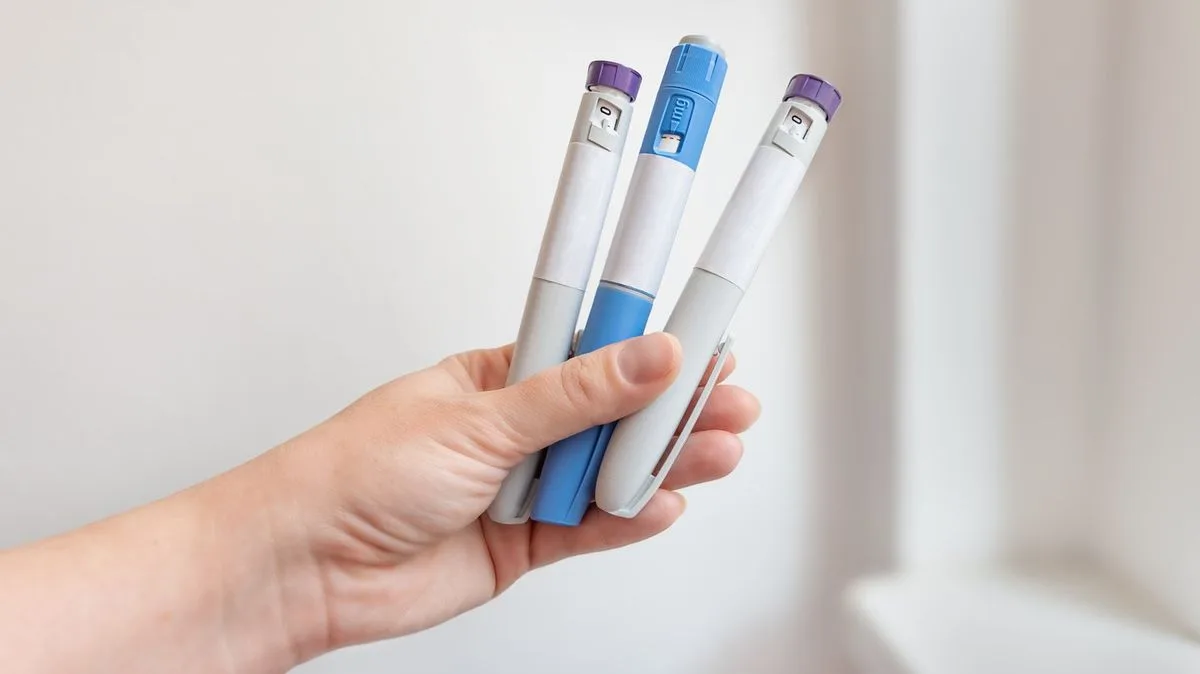
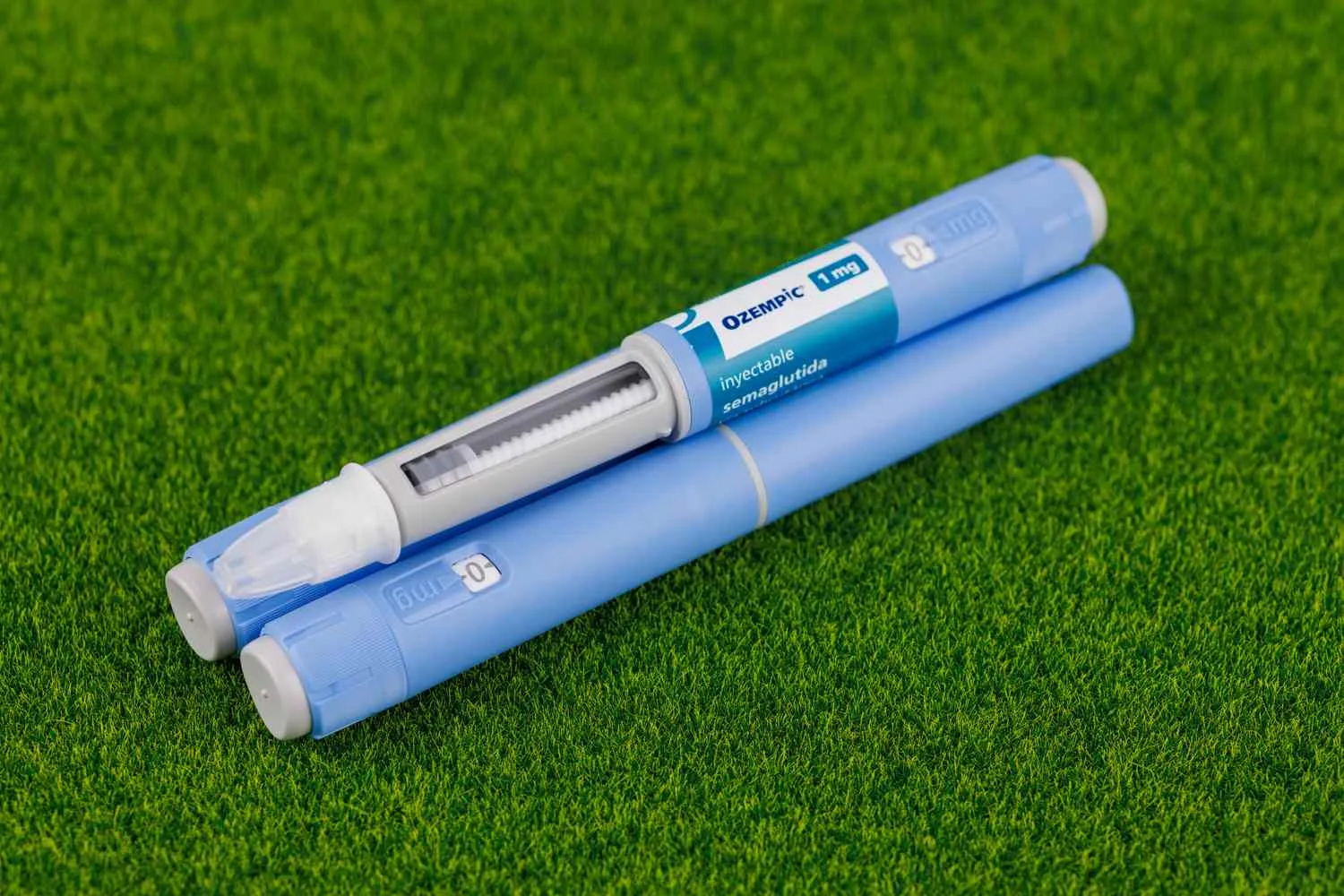
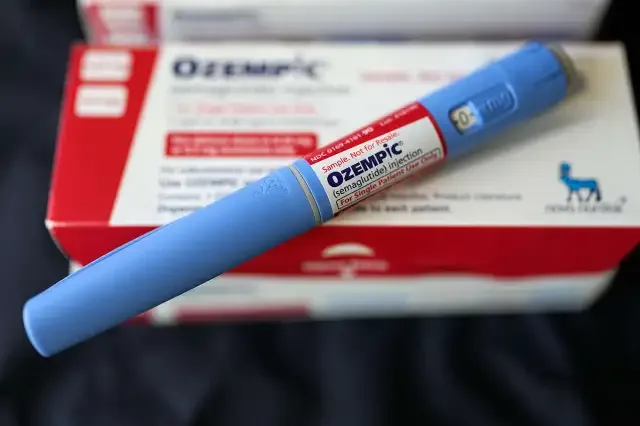
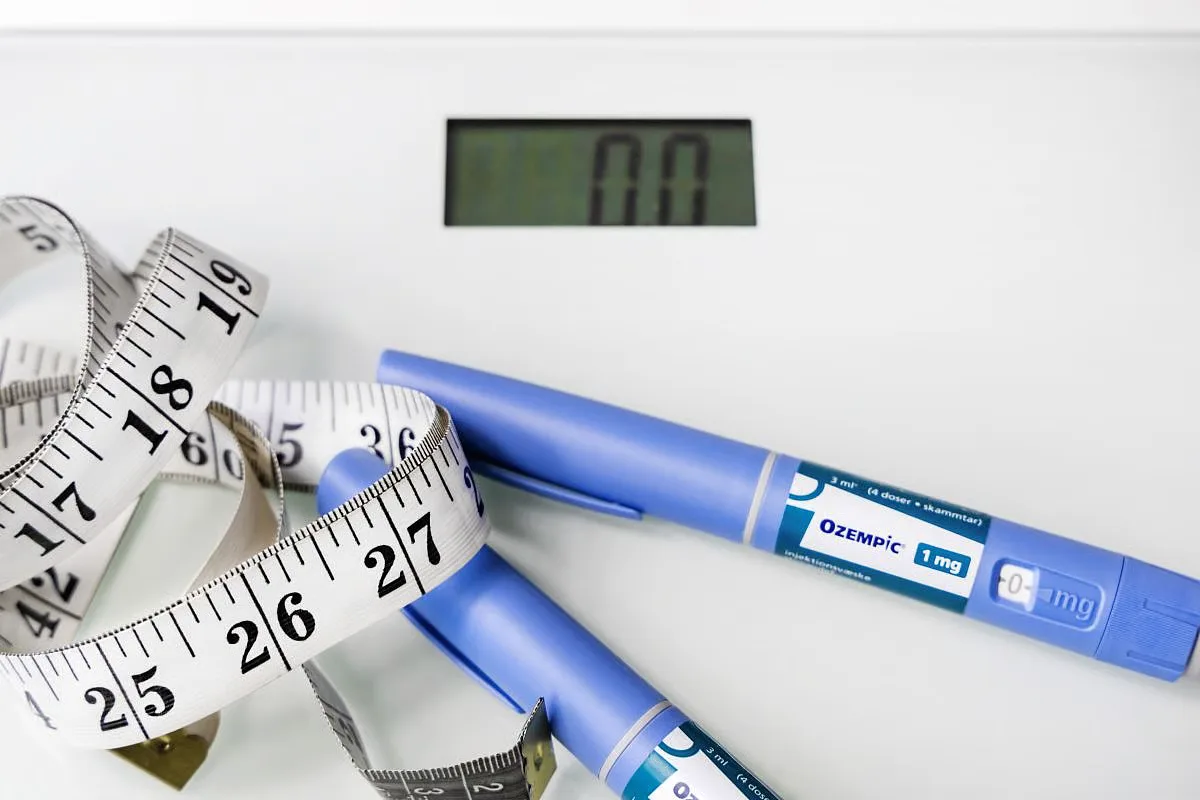
In the landscape of modern healthcare, few treatments have generated as much hope and debate as GLP-1 agonists. These medications, including well-known brands like Ozempic, Wegovy, and Mounjaro, are transforming the lives of millions of Americans struggling with obesity. They offer not just cosmetic changes, but profound improvements in long-term health outcomes, reducing the risk of cardiovascular disease, stroke, and type 2 diabetes.
However, as demand has surged, a parallel market has emerged that threatens patient safety. While access programs aim to lower costs, the availability of unapproved compounded alternatives creates a dangerous gap between affordability and safety. This article examines the regulatory landscape, the risks of mass compounding, and the importance of choosing FDA-approved therapies for peptide therapy and weight loss management.
The Promise of Affordable Access Programs
For many consumers without prescription drug insurance, the cost of legitimate, FDA-approved weight loss medications has been a significant barrier. To address this, initiatives like TrumpRx were created to leverage scale and negotiation, bringing major pharmaceutical companies to the table to deliver lower costs.
The goal is clear: provide consumers with safe, effective, FDA-approved medications at reduced prices. By securing substantial price reductions, these programs aim to make injectable GLP-1s accessible to those who need them most. Injectable options that once listed at roughly $1,000 to $1,350 per month are now available on platforms designed for affordability at an average of about $350, with some lowest doses starting as low as $199. Oral formulations also begin at accessible price points, such as $149 per month.
These price points represent meaningful gains in healthcare equity. Yet, their impact is frequently undercut when consumers are drawn toward even cheaper alternatives that lack rigorous oversight. For seniors, who are disproportionately affected by obesity, access to legitimate care is vital. In a national survey by the Obesity Care Advocacy Network, 74% of medically eligible older Americans identified GLP-1 coverage as a top-tier health priority.
The Hidden Dangers of Compounded GLP-1 Medications
Despite the availability of affordable, approved options, a parallel market for unapproved knock-off GLP-1 products continues to flourish. Drug compounders have aggressively filled the gap, offering similar-looking products at dramatically lower prices. While the lower cost is appealing, experts warn that many of these compounded drugs rely on questionable or unsafe active pharmaceutical ingredients (APIs), often sourced from overseas.
Quality Control and Sterility Risks
The core issue lies in the manufacturing environment. Compounding at scale is legally permitted only during verified shortages of approved drugs. While initial demand for tirzepatide and semaglutide did trigger shortage declarations, authorities note that the FDA resolved the tirzepatide shortage in December 2024 and the semaglutide shortage in February 2025. Consequently, the legal basis for mass compounding has evaporated.
Furthermore, inspection records reveal troubling deficiencies in the facilities producing these compounds. Reports have identified foreign residue on equipment marked "clean," canvas glove pieces left in clean rooms, rainwater in storage areas, and even live and dead insects in microbiology labs. These conditions pose severe risks for patients who are injecting these substances into their bodies.
Dosing Errors and Unapproved Formulations
Beyond sterility, the consistency of the medication itself is a major concern. The FDA has documented hundreds of adverse event reports tied to compounded GLP-1s. Common issues include dosing errors leading to hospitalization and the use of unapproved formulations.
For instance, some compounded versions utilize salt forms such as semaglutide sodium or semaglutide acetate. These specific salt forms have never been shown to be safe or effective in clinical trials. At best, these knock-offs are ineffective. At worst, they pose serious health risks, including severe adverse reactions requiring immediate medical intervention. Attorneys general across multiple states have issued warnings regarding these potential harms.
Regulatory Enforcement and the Green List Initiative
The agency tasked with protecting consumers in this space is the U.S. Food and Drug Administration (FDA). Former FDA Commissioner Marty Makary declared that the agency would take swift action against companies mass-marketing illegal copycat drugs, signaling a new era of enforcement against misleading direct-to-consumer pharmaceutical advertising.
The agency has issued more than 50 warning letters to telehealth firms over the past year. Additionally, they established a "Green List" of vetted API suppliers intended to identify trusted sources whose products could move more easily through customs. However, the efficacy of this list has been questioned. FOIA-released inspection records of suppliers believed to be on the list reveal significant quality control failures.
Compounding at scale is supposed to be permitted only during shortages of approved drugs. That condition once applied to GLP-1 medications, when demand initially surged. But authorities note that the FDA resolved the tirzepatide shortage in December 2024 and the semaglutide shortage in February 2025. The legal basis for mass compounding has evaporated.
Expanding Options for Seniors via Medicare
For the senior population, obesity care is not just about weight; it is about preserving mobility and reducing the burden on the healthcare system. An outdated provision in the law establishing Medicare Part D excludes coverage of weight-loss medications. In response to the pace of congressional action, the administration created a temporary Medicare GLP-1 Bridge program.
Precision tracking for your journey
Join thousands using Shotlee to accurately track GLP-1 medications and side effects.
📱 Get the Shotlee App
Track your GLP-1 medications, peptides, and health metrics on the go with our mobile app!
Effective July 1, 2026, this program allows eligible Medicare beneficiaries to obtain GLP-1s with a simple $50 monthly copay. This initiative is designed to ensure that older adults, who are often on fixed incomes, do not have to choose between their financial stability and their health. Each consumer who chooses an unapproved compounded product over an FDA-approved drug available through the Medicare Bridge represents a failure of federal protection.
The Importance of Accurate Health Data and Tracking
When navigating the complex world of peptide therapy and weight loss medications, data accuracy is paramount. Patients and providers need reliable information to assess the efficacy and safety of the treatment. This is where tools like Shotlee become essential for health tracking.
Using Shotlee to monitor your progress allows you to track critical metrics such as dosage changes, side effects, and weight trends over time. When dealing with GLP-1s, consistency is key. Tracking your symptoms and doses ensures that any adverse reactions can be identified early and discussed with your healthcare provider. Relying on a platform that emphasizes data integrity helps you maintain control over your health journey, distinguishing between the variability of compounded drugs and the consistency of FDA-approved treatments.
By maintaining a clear record of your health data, you contribute to a more robust understanding of how these medications work in the real world. This empowers you to make informed decisions about your care, ensuring you stay on the safe path of medical treatment.
Comparing Access Options: Approved vs. Compounded
Understanding the tradeoffs between different sources of medication is crucial for patient safety. The following table outlines the key differences between FDA-approved options available through access programs and the unapproved compounded alternatives often found online.
| Feature | FDA-Approved (e.g., via TrumpRx/Bridge) | Compounded Alternatives |
|---|---|---|
| Safety Oversight | Strict FDA manufacturing standards | Variable; often lacks rigorous inspection |
| Active Ingredients | Verified semaglutide/tirzepatide | May use unapproved salt forms (e.g., sodium acetate) |
| Cost (Approx.) | $199 - $350/month (varies) | Often lower, but riskier |
| Shortage Status | Resolved shortages (Dec 2024/Feb 2025) | Often sold despite resolved shortages |
| Adverse Events | Extensively monitored | High rate of undocumented reactions |
Practical Takeaways for Patients
To ensure the best possible outcome for your health journey, consider the following practical steps:
- Prioritize Safety Over Cost: While compounded drugs may be cheaper, the risk of contamination and dosing errors can lead to hospitalization.
- Verify Approval Status: Ensure your medication is FDA-approved and sourced from a legitimate pharmacy or access program.
- Monitor Your Symptoms: Use health tracking tools to document how you feel after starting treatment. Report any unexpected side effects immediately.
- Stay Informed: Keep up with FDA warnings regarding specific compounded products or telehealth firms.
- Consult Your Provider: Discuss the specific formulation you are using with your doctor to ensure it matches clinical trial standards.
Conclusion
President Trump was right to emphasize access to legitimate, FDA-approved GLP-1s. The administration is expanding access to safe, affordable therapies, including GLP-1s, while another arm of the federal government must ensure that unsafe alternatives are shut down. Programs like TrumpRx and the Medicare Bridge were designed to give Americans access to safe, effective medications at reasonable prices.
Expanding access to treatments like GLP-1s has broader public health implications, including reducing the long-term costs of obesity-related conditions for programs like Medicare and Medicaid. However, these programs cannot deliver on their promise if Americans continue to be drawn toward cheaper, riskier alternatives. The federal government has the authority and the duty to shut down the parallel market for unapproved drugs that threaten patient safety.
By choosing FDA-approved options and utilizing tools like Shotlee to track your health data responsibly, you contribute to a safer healthcare ecosystem. The goal is not just weight loss, but long-term, sustainable health without compromising safety.
Frequently Asked Questions
1. What is the main safety risk of compounded GLP-1 drugs?
Compounded GLP-1 drugs often lack rigorous FDA oversight, leading to risks such as contamination, inconsistent dosing, and the use of unapproved salt forms like semaglutide sodium that have not been proven safe or effective.
2. Are shortages of semaglutide and tirzepatide still active?
According to recent regulatory updates, the FDA resolved the tirzepatide shortage in December 2024 and the semaglutide shortage in February 2025, meaning mass compounding is no longer legally justified under shortage provisions.
3. How much can I expect to pay for FDA-approved GLP-1s through access programs?
Through programs like TrumpRx, injectable GLP-1s are available at an average of about $350 per month, with some lowest doses starting as low as $199. Oral formulations start at $149 per month.
4. What is the Medicare GLP-1 Bridge program?
Effective July 1, 2026, this temporary program allows eligible Medicare beneficiaries to obtain GLP-1s with a simple $50 monthly copay, addressing the exclusion of weight-loss medications in standard Part D plans.
5. Why is Shotlee recommended for tracking GLP-1 therapy?
Shotlee helps patients track dosage changes, side effects, and weight trends consistently. Reliable health data is crucial for monitoring the efficacy of treatment and identifying adverse reactions early, especially when navigating complex medication options.