
Ryan Lochte Addresses Viral 'Unrecognizable' Comments
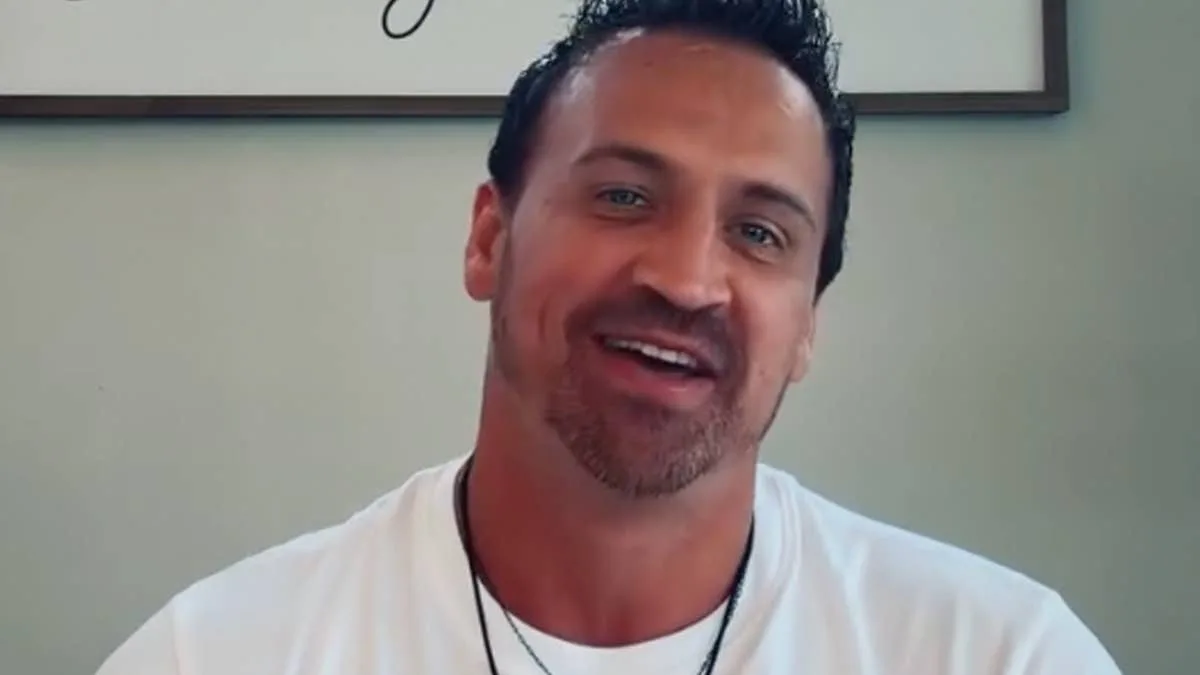
Olympic swimmer Ryan Lochte recently found himself in the online spotlight, not for his athletic achievements, but for a wave of comments on social media suggesting he looked "unrecognizable." The discourse began after Lochte shared an Instagram video announcing his new role as assistant swim coach for the Missouri State Bears. While many congratulated him on his new coaching venture, a significant portion of the comments fixated on his appearance, with some users comparing him to other public figures and questioning his identity.
In response to the widespread speculation, Lochte, alongside his girlfriend Molly Gillihan, took to social media to address the commentary directly. The Olympian expressed his bemusement at the reactions, attributing the perceived changes to the natural effects of aging and a recent, albeit minor, hair dyeing experiment gone awry. He playfully dismissed his critics, referring to them as "clowns" for their intense focus on his looks.
The Genesis of the 'Unrecognizable' Buzz
The conversation gained traction after Lochte posted a video on May 10th, where he enthusiastically announced his transition from competitive swimming to coaching. "Plot twist! Ryan Lochte is officially becoming Coach Lochte," he declared in the video. "After spending half my life staring at the black line at the bottom of a pool, I figured it was time to help the next generation to the same thing." He elaborated on his newfound passion for coaching, suggesting it might even surpass his enthusiasm for competing.
While the post was met with supportive messages and celebratory "JEAH!" exclamations from fans, the comment section quickly became dominated by observations about his appearance. Many noted a darker hair color, a scruffier facial appearance, and a more tanned complexion than they were accustomed to seeing. This led to a cascade of remarks, including comparisons to FBI Director Kash Patel and lighthearted jabs like "Splash Patel." Other comments expressed outright disbelief, with phrases like "who in the hell is this," "Literally does not look like him," and even speculative questions about "tanning peptides." One particularly pointed comment read, "Took me a very long time to realize this was him talking about himself at first."
Lochte and Gillihan's Direct Response
The viral nature of the comments prompted Lochte and Gillihan to create a video response, shared on Gillihan's Instagram and subsequently reposted to Lochte's stories. In the video, Gillihan informs Lochte about the online discussion, telling him, "Baby? My phone is blowing up with everyone saying that nobody recognizes you." Lochte, seemingly surprised, inquired about the reason for the buzz surrounding his appearance.
Gillihan explained that the public's reaction stemmed from comparing his current appearance to professional photos, particularly one where he looked "all fit." Lochte correctly identified this likely professional shot as dating back to the 2012 Olympic Games, a period he dedicated to intense training and professional grooming. "Oh, so they're taking a picture of when I was working out every day, getting makeup put on me for photoshoots," he remarked. "We're in 2026. What's that? 14 years? You think I aged?"
Adding a touch of humor and personal insight, Gillihan admitted to a role in his recent hair color. She confessed to using hair dye on her eyebrows, and Lochte decided to try some of the same dye on his hair, which resulted in it turning "black." This unexpected outcome contributed to the visual difference that sparked the online debate. Lochte concluded his thoughts by stating, "To be unrecognizable, I mean, I don't get it ... They're all clowns, like, come on," while Gillihan affectionately reassured him, "you're still my handsome baby." Lochte himself captioned the shared video on his story with, "I guess aging is frowned upon?! What is happening lol."
Precision tracking for your journey
Join thousands using Shotlee to accurately track GLP-1 medications and side effects.
📱 Get the Shotlee App
Track your GLP-1 medications, peptides, and health metrics on the go with our mobile app!
Understanding Changes in Appearance: Beyond Aging and Dye
While Lochte's explanation centers on aging and a hair dye mishap, it's worth noting that significant changes in appearance can sometimes be influenced by various factors, including lifestyle, health, and even medical interventions. For individuals undergoing significant weight loss or managing chronic health conditions, changes in facial structure, skin texture, and overall appearance are common.
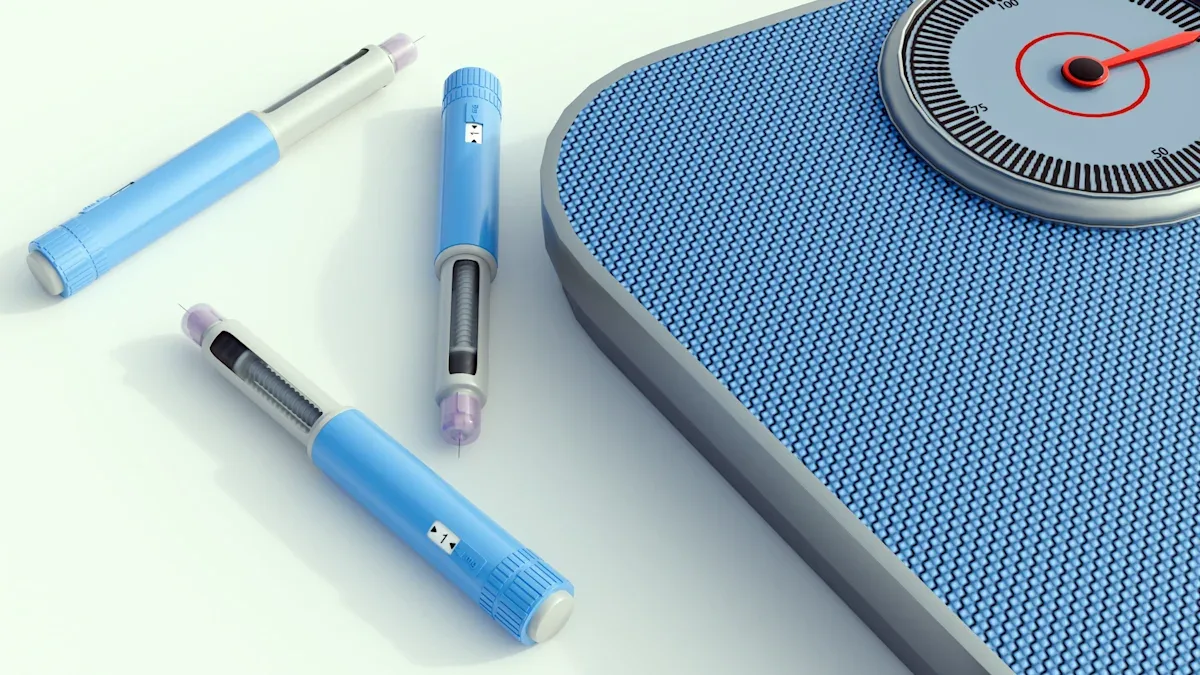
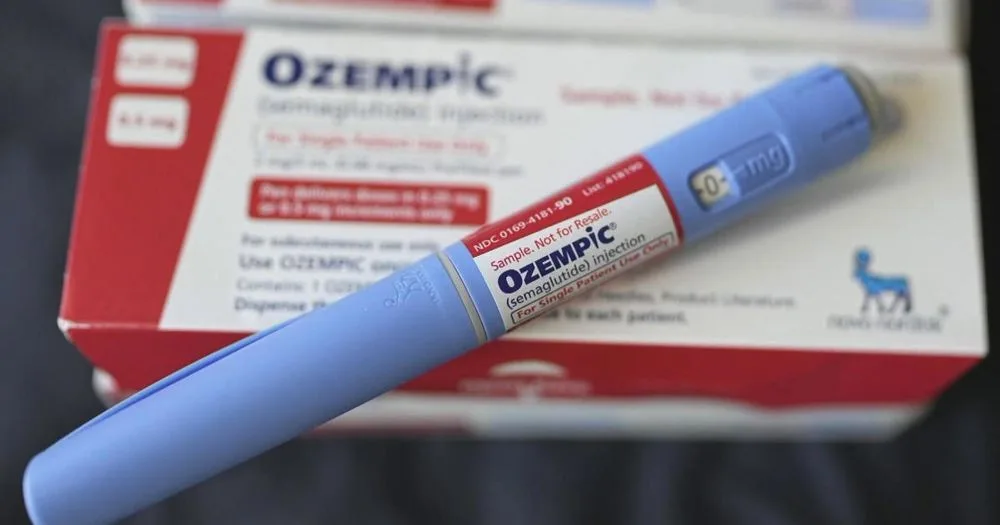
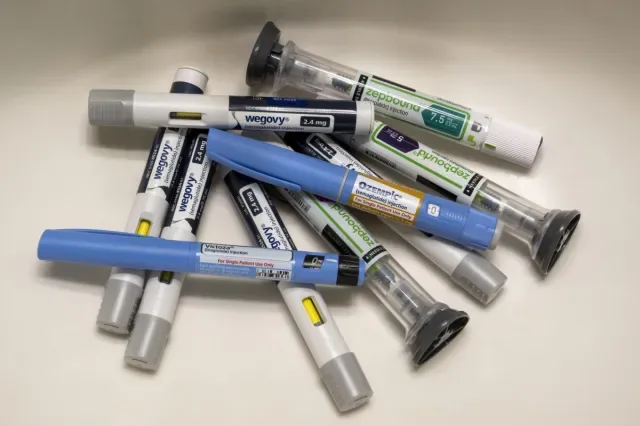
For instance, the emergence of GLP-1 receptor agonists, such as semaglutide (found in Ozempic and Wegovy) and tirzepatide (found in Mounjaro), has revolutionized weight management for many. These medications, often referred to as peptide therapy in broader contexts, work by mimicking hormones that regulate appetite and blood sugar. While primarily used for type 2 diabetes and chronic weight management, their impact on body composition can lead to noticeable changes in facial features, sometimes referred to as "Ozempic face" or "Mounjaro face." These changes are typically due to fat loss in the face, similar to the natural aging process but potentially accelerated by rapid weight reduction.
For individuals using these medications, tracking progress is crucial. Tools like the Shotlee app can be invaluable for monitoring weight fluctuations, managing medication doses, and logging any side effects or changes in well-being. This comprehensive health tracking allows both patients and their healthcare providers to make informed decisions about treatment plans and to better understand the multifaceted effects of these powerful medications on overall health and appearance.
Navigating Public Perception and Personal Identity
Ryan Lochte's experience highlights the intense public scrutiny that public figures often face regarding their appearance. The internet's ability to amplify opinions and comparisons can create a challenging environment for individuals, especially when perceived changes are met with widespread commentary. Lochte's response, characterized by humor and a direct dismissal of unwarranted criticism, demonstrates a mature approach to navigating such public discourse.
His emphasis on aging as a natural and inevitable process, coupled with the lighthearted explanation of his hair dye experiment, serves as a reminder that physical appearances evolve over time. For anyone experiencing changes in their appearance, whether due to natural aging, lifestyle shifts, or medical treatments, focusing on overall health and well-being remains paramount. Tools that facilitate health tracking, like Shotlee, can support individuals in understanding their bodies and managing their health journey with confidence.
Practical Takeaways
- Embrace Natural Changes: Aging is a natural process. Lochte's response reminds us that physical appearances evolve.
- Context is Key: Perceived changes in appearance can be due to a variety of factors, from simple cosmetic choices to significant health interventions.
- Health Over Appearance: While public figures face scrutiny, focusing on personal health and well-being is more important than conforming to external expectations.
- Utilize Tracking Tools: For those undergoing significant health changes or using medications like GLP-1 agonists, tools like Shotlee can help monitor progress and manage health effectively.
Conclusion
Ryan Lochte's recent viral moment, sparked by comments about his appearance, underscores the pervasive nature of public opinion in the digital age. His straightforward explanation, attributing the perceived differences to aging and a minor hair dye incident, offers a relatable perspective on physical evolution. While the conversation touched upon the broader implications of appearance changes, including those related to advanced weight management therapies, Lochte's response remains a personal one, rooted in his own experiences. As individuals navigate their own changes, whether through natural aging or medical advancements, prioritizing health and using tools for comprehensive tracking, such as Shotlee, can empower a more informed and confident approach to well-being.