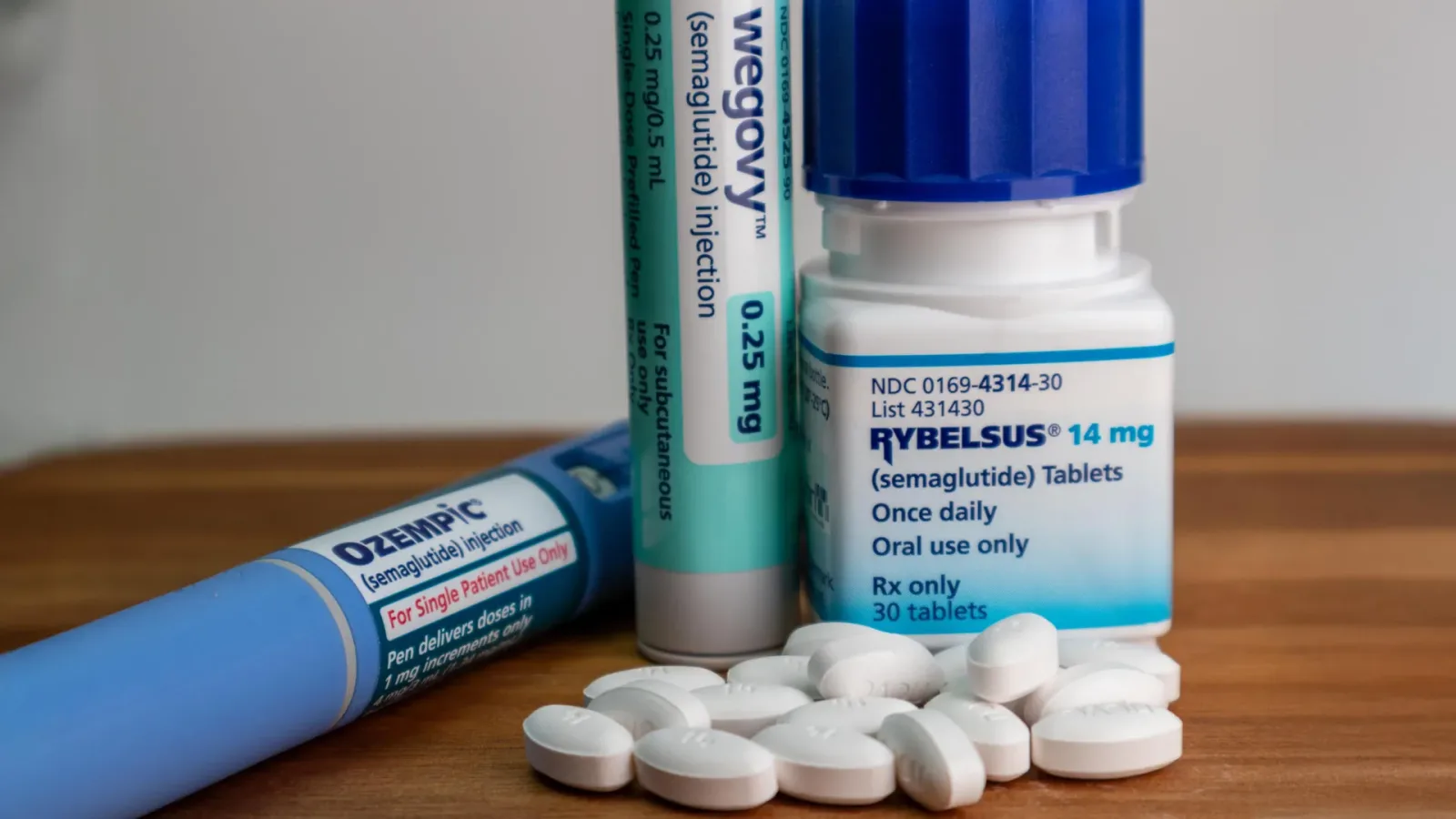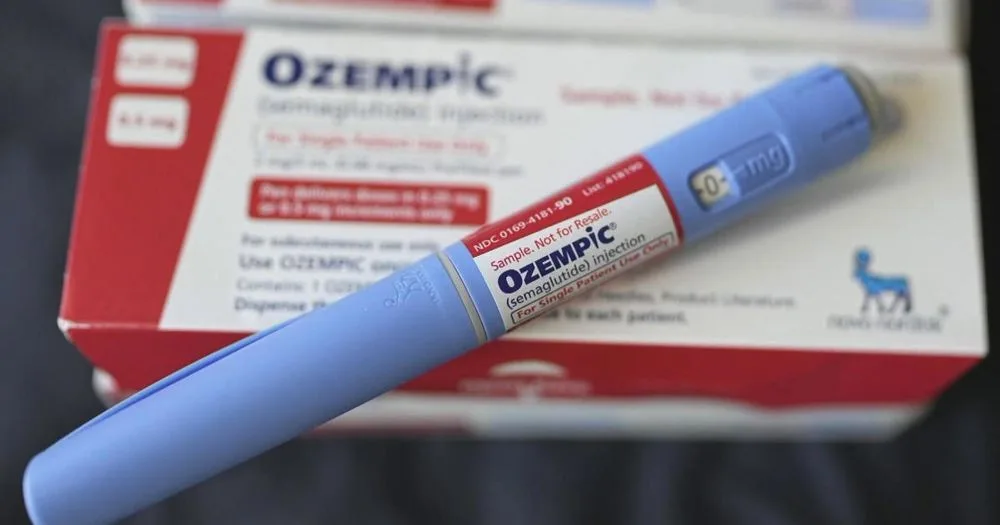

The global demand for effective weight management solutions has propelled medications like Ozempic, Wegovy, Mounjaro, and Zepbound into the spotlight. These drugs, based on Glucagon-like peptide-1 (GLP-1) and often dual GIP/GLP-1 receptor agonists, work by regulating blood glucose levels and suppressing appetite, making them powerful tools in the fight against obesity and type 2 diabetes. However, as demand surges and branded products face global shortages, a shadow market for compounded versions has emerged, raising serious regulatory and safety concerns.
In South Africa, this burgeoning trend has led to a significant enforcement action by the South African Health Products Regulatory Authority (SAHPRA) and the South African Pharmacy Council (SAPC). Following an investigation into the country's aesthetics and pharmaceutical industries, these bodies have launched a major crackdown on compounded weight-loss drugs, exposing alarming regulatory non-compliance and potential risks to public health.
The SAHPRA and SAPC Enforcement Action
On May 11, 2026, SAHPRA and SAPC conducted a joint inspection at iDexis (Pty) Ltd, trading as Sentra Pharmacy in Silverton, Pretoria. The findings, as detailed in SAHPRA's official media release, were deeply concerning. Inspectors discovered that the company was not merely compounding medicines for individual patients, a legally permissible activity, but was allegedly manufacturing and marketing GIP/GLP-1-based products, including semaglutide and tirzepatide, for broader commercial distribution, specifically for weight management.
SAHPRA's inspection uncovered what it described as "critical regulatory non-compliance." These issues included:
- Illegal importation of active pharmaceutical ingredients (APIs).
- Absence of analytical testing to confirm the identity, potency, and purity of compounded products.
- Inadequate sterile manufacturing conditions.
- A high risk of contamination.
Furthermore, the facility allegedly used for producing these GLP-1/GIP products did not meet the required standards for aseptically prepared medicines. Crucially, SAHPRA noted the absence of a pharmacovigilance system to monitor or respond to adverse drug reactions, despite reports of adverse events, including hospitalizations, linked to these compounded products.
In response, all GIP/GLP-1 injectable products found at the site were seized. iDexis was instructed to initiate a full recall of affected products distributed through healthcare providers, pharmacies, and other channels. SAHPRA CEO Dr. Boitumelo Semete-Makokotlela emphasized the seriousness of the situation: "SAHPRA will continue to take decisive regulatory and enforcement action against any entity that contravenes the Medicines and Related Substances Act. The unlawful manufacture, importation, advertising, and distribution of unregistered medicines pose a serious risk to public health. We will not hesitate to act to protect patients and safeguard the integrity of South Africa's regulatory system."
The South African Pharmacy Council (SAPC) echoed these warnings. CEO Vincent Tlala stated, "Unlawful manufacturing, promotion, and distribution of unregistered GLP-1 medicines for weight loss is a serious violation of the law and a direct threat to public safety." The SAPC indicated that it would pursue decisive regulatory action against those involved, with pharmacists and pharmacy support personnel facing severe disciplinary action, including potential removal from the register, for any conduct compromising patient safety or professional integrity.
iDexis's Defense and Counterclaims
iDexis has mounted a vigorous defense against SAHPRA's findings, challenging them as procedurally flawed and legally contestable. In a communique to medical and pharmaceutical practitioners, Managing Director Ruaan Louw asserted that their compounding processes comply with the Medicines Act 1965, its General Regulations, and SAHPRA's Guidelines for Good Compounding Practices (GCP) and Good Pharmacy Practice Guidelines (GPP). This assertion is reportedly supported by an independent regulatory expert and their legal team.
The company also defended the quality of its APIs, stating that the semaglutide and tirzepatide used in their compounded products are sourced from reputable, internationally approved manufacturers and have been tested for sterility and quality by independent analytical laboratories. iDexis made a striking claim, asserting that its compounded product had been dispensed to over 214,000 patients by their treating clinicians or retail pharmacies without any reported adverse reactions, only "great success and gratitude."
Adding another layer to the dispute, iDexis accused SAHPRA of attempting to improperly influence an ongoing court case. They suggested that SAHPRA's findings were an "unsophisticated attempt" to sway the outcome of legal proceedings, particularly in light of SAHPRA's own ongoing investigation (launched in 2025) into the desirability of compounding peptides, for which no findings have yet been published. The legal matter is scheduled to be heard in the Gauteng High Court in Pretoria on June 10 and 11, 2026.
Precision tracking for your journey
Join thousands using Shotlee to accurately track GLP-1 medications and side effects.
📱 Get the Shotlee App
Track your GLP-1 medications, peptides, and health metrics on the go with our mobile app!
The Global Context of Compounded GLP-1s
South Africa's crackdown is not an isolated event; it mirrors an accelerating international pushback against compounded GLP-1 drugs. These compounded versions surged in popularity globally as demand for weight loss and diabetes treatments outstripped the supply of branded products like Ozempic and Wegovy. These compounded formulations can include modified ingredients or be manufactured outside regulated supply chains, potentially leading to significant differences from approved, registered products.
Charles Green, a Healthcare and Pharmaceutical expert from Cliffe Dekker Hofmeyr (CDH), notes that the safety alarm has been particularly loud in the United States. The FDA has raised significant concerns, including dosing errors and the circulation of active ingredients sourced from unregistered facilities. "South Africa is increasingly in the crosshairs," Green warns. While SAHPRA has publicly expressed concerns and moved to declare compounded GLP-1s undesirable under Section 23 of the Medicines Act, this declaration has not yet been made. Once enacted, these products may no longer be sold in South Africa.
Green's assessment of the regulatory trajectory is clear: "The regulatory direction, both globally and locally, signals a tightening environment for compounded GLP-1 medicine. While these products remain available in South Africa for now, SAHPRA's escalating interventions indicate that prohibition or significant restriction is increasingly likely."
Broader Regulatory Challenges in South Africa
The GLP-1 crackdown is part of a wider pattern of regulatory challenges in South Africa's health and aesthetics industries. The Gauteng Department of Health has recently issued stern warnings about unregulated injectable substances marketed for body enhancement, following severe cases of organ failure linked to products obtained through informal channels. These dangers are often promoted on social media and sold without medical oversight or safety testing.
Across the broader aesthetics market, experts report an escalation in the use of unregulated and counterfeit products. SAHPRA-unapproved fillers have been linked to severe outcomes such as tissue necrosis, permanent disfigurement, and the formation of granulomas (hard lumps). The common thread appears to be a market that has outpaced regulation, fueled by social media demand, cost-cutting pressures, and a public seeking accessible treatments.
The Future of Compounded Medicines
With the court battle between iDexis and SAHPRA scheduled and the potential for a Section 23 declaration to ban compounded GLP-1s outright, the coming weeks will be decisive for South Africa's compounding industry. Green advises that operators across the weight-loss, compounding, and pharmaceutical sectors must prepare for a fundamentally different regulatory landscape.
For the hundreds of thousands of South Africans who have been using compounded semaglutide or tirzepatide, whether prescribed by a clinician or obtained informally, the message from regulators is clear: consult a healthcare professional and report any adverse reactions to SAHPRA immediately. For those tracking their weight loss journey and managing their health, using tools like Shotlee can help document medication adherence, track symptoms, and monitor progress, providing valuable data to share with healthcare providers.
The regulatory storm gathering around compounded weight-loss drugs highlights the critical importance of adhering to established safety and efficacy standards. As the market evolves, so too must the regulatory framework to ensure patient safety remains paramount.
Practical Takeaways
For patients using or considering compounded GLP-1 medications:
- Consult Your Doctor: Always discuss weight loss or diabetes treatment options with a qualified healthcare professional.
- Prioritize Approved Medications: Opt for FDA-approved or SAHPRA-registered medications when available and appropriate for your condition.
- Report Adverse Events: If you experience any unusual symptoms or side effects, report them immediately to SAHPRA and your healthcare provider.
- Be Wary of Unregulated Sources: Avoid obtaining medications from unverified online sources or informal channels.
- Understand the Risks: Compounded medications may carry unknown risks due to lack of rigorous testing and oversight.
Conclusion
The regulatory actions taken by SAHPRA and SAPC against compounded GLP-1 weight-loss drugs underscore a global trend towards stricter oversight of these powerful medications. While the allure of accessible and potentially cheaper alternatives is understandable, the potential risks associated with unregulated compounded products cannot be ignored. The legal battles and regulatory declarations ahead will shape the future of weight management treatments in South Africa, emphasizing the critical need for safety, transparency, and professional medical guidance in the pursuit of health.