
FDA Proposes Restrictions on GLP-1 Compounding
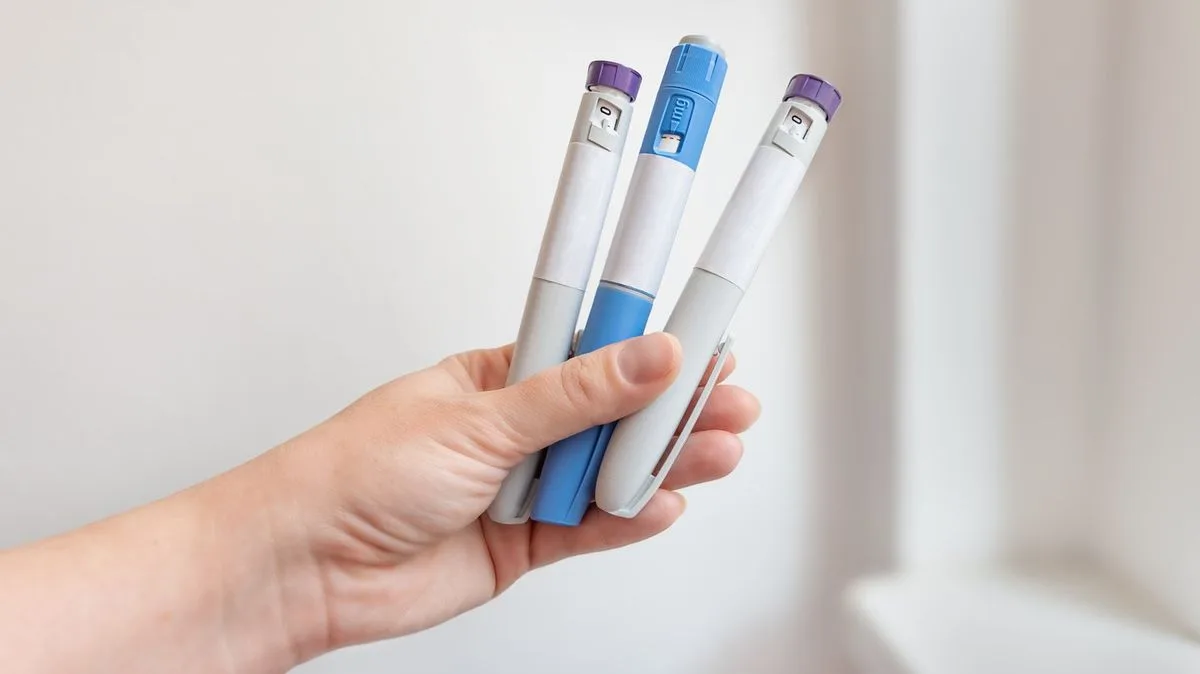
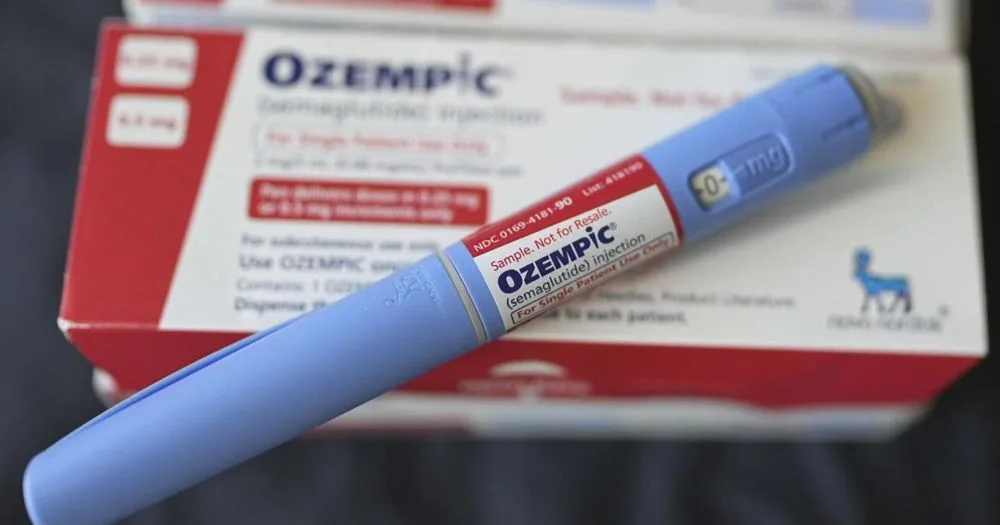
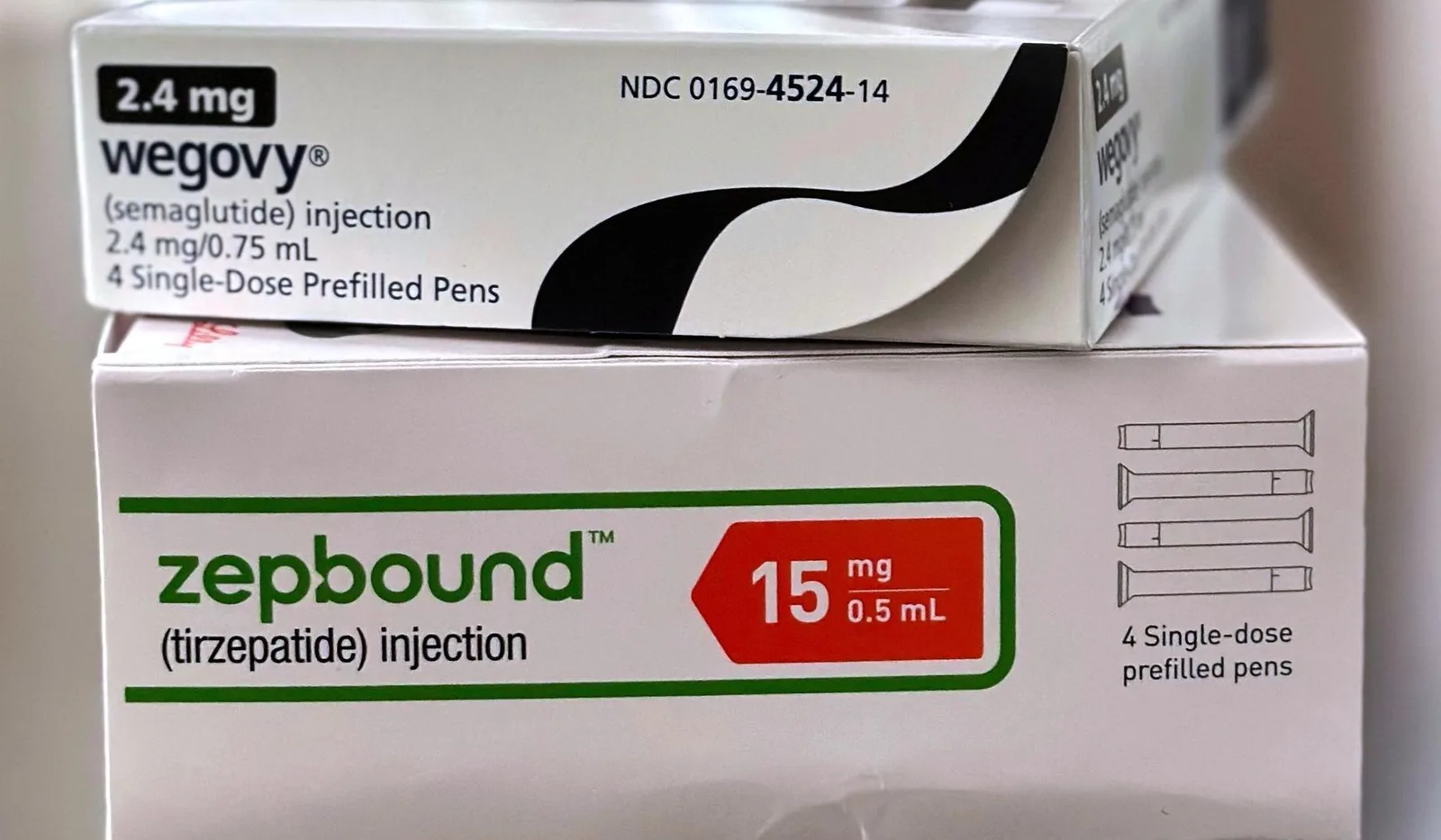
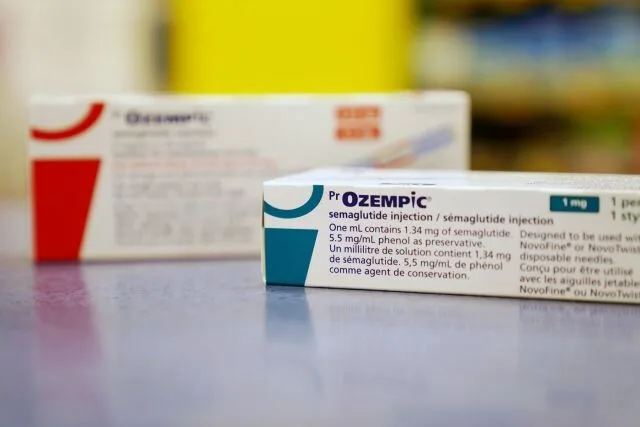
The U.S. Food and Drug Administration (FDA) has taken a decisive step to address concerns surrounding compounded versions of widely prescribed GLP-1 receptor agonists. In a recent announcement, the agency proposed the removal of three critical GLP-1 medications from the 503B bulks list. This list designates active ingredients that outsourcing facilities can legally use to manufacture compounded medicines. The medications in question are semaglutide (known by brand names like Ozempic, Wegovy, and Rybelsus), tirzepatide (brand names Mounjaro and Zepbound), and liraglutide (brand names Victoza and Saxenda).
This proposal stems from a comprehensive review by the FDA, which concluded that there is no demonstrable clinical need for outsourcing facilities to compound these specific GLP-1 drugs from bulk substances when FDA-approved versions are readily available. This action underscores the FDA's commitment to patient safety and the rigorous drug approval process.
"When FDA-approved drugs are available, outsourcing facilities cannot lawfully compound using bulk drug substances unless there is a clear clinical need," stated FDA Commissioner Marty Makary, MD, MPH. "This action reflects our responsibility to protect patients and preserve the integrity of the drug approval process while continuing to provide a transparent, science-based pathway for public input."
Understanding Compounding and the FDA's Role
To grasp the significance of the FDA's proposal, it's essential to understand the regulatory framework for compounded medications. Outsourcing facilities, operating under section 503B of the Federal Food, Drug, and Cosmetic Act, are permitted to produce large batches of medications for distribution to healthcare facilities. Their ability to use bulk ingredients is typically contingent on the drug being on an FDA drug shortage list or the 503B bulks list.
Conversely, state-licensed physicians and pharmacies can compound medications under section 503A, but this is generally for specific prescriptions tailored to individual patients. It's estimated that 503A pharmacies account for a substantial portion, approximately three-fourths, of the compounded drug market.
The FDA's intervention targets the 503B facilities, aiming to prevent the widespread compounding of drugs that have approved, commercially available alternatives. This distinction is crucial for maintaining consistent quality, safety, and efficacy standards.
Why the Crackdown Now?
This recent proposal follows closely on the heels of earlier actions by the FDA. Just two months prior, the agency announced a broader crackdown on "copycat" GLP-1 products. This intensified scrutiny is driven by significant concerns that compounded versions of these popular medications may not meet the same stringent standards for quality, safety, and efficacy as their FDA-approved counterparts.
The surge in GLP-1 compounding began a few years ago, largely in response to the high demand and subsequent drug shortages that plagued semaglutide and tirzepatide. These shortages created a vacuum that compounding pharmacies sought to fill. While shortages for tirzepatide were officially resolved in December 2024, and semaglutide in February 2025, liraglutide continues to face limited availability and remains on the shortage list.
Precision tracking for your journey
Join thousands using Shotlee to accurately track GLP-1 medications and side effects.
📱 Get the Shotlee App
Track your GLP-1 medications, peptides, and health metrics on the go with our mobile app!
The FDA's position is that with the resolution of shortages for key GLP-1 medications, the justification for compounding them from bulk substances by 503B facilities diminishes significantly. This allows the agency to reassert control over the supply chain and ensure patients receive products that have undergone rigorous testing and approval.
Risks Associated with Compounded GLP-1s
The concerns voiced by the FDA are echoed by leading medical organizations. The American Medical Association (AMA), the American Diabetes Association (ADA), and the Endocrine Society have all publicly expressed apprehension regarding the potential risks associated with unverified, compounded GLP-1 products. These risks can include:
- Inconsistent Potency: Compounded drugs may not contain the exact amount of active ingredient as the approved drug, leading to ineffective treatment or potential overdose.
- Contamination: The compounding process, especially in facilities not adhering to the strictest sterile manufacturing standards, can introduce contaminants, posing serious health risks.
- Lack of Efficacy Data: Unlike FDA-approved drugs, compounded versions have not undergone the extensive clinical trials required to demonstrate safety and effectiveness for specific indications.
- Unknown Ingredients: In some cases, compounded products may contain different or additional ingredients not present in the approved drug, leading to unpredictable side effects or interactions.
- Improper Storage and Handling: The stability and integrity of compounded medications can be compromised if not stored and handled under precise conditions, which may not always be guaranteed.
For patients, particularly those using these medications for chronic conditions like type 2 diabetes or for significant weight management, using unverified products can jeopardize their health outcomes and potentially lead to serious adverse events.
What This Means for Patients and Prescribers
The FDA's proposal to remove semaglutide, tirzepatide, and liraglutide from the 503B bulks list has significant implications for how these medications will be accessed and prescribed moving forward.
For Patients:
- Prioritize FDA-Approved Medications: Patients seeking GLP-1 treatments should work closely with their healthcare providers to obtain FDA-approved versions of Ozempic, Wegovy, Mounjaro, Zepbound, Victoza, or Saxenda.
- Discuss Compounded Alternatives: If a healthcare provider has prescribed a compounded GLP-1 medication, it is crucial to understand the rationale and discuss the potential risks and benefits compared to FDA-approved options.
- Be Wary of Unsolicited Offers: Patients should be cautious of online pharmacies or direct-to-consumer offers for GLP-1 medications that appear significantly cheaper or are presented as "compounded" without a clear prescription from a trusted physician.
- Track Your Health and Medication: For those on GLP-1 therapy, whether approved or compounded, diligent health tracking is essential. Using tools like Shotlee can help monitor symptoms, track medication adherence, record doses, and log any side effects, providing valuable data for discussions with your doctor.
For Prescribers:
- Verify Medication Sources: Healthcare providers should ensure they are prescribing and obtaining FDA-approved medications from legitimate pharmaceutical distributors.
- Educate Patients: It is vital to educate patients about the differences between FDA-approved drugs and compounded medications, highlighting the safety and efficacy assurances that come with approved products.
- Stay Informed: Prescribers should stay updated on FDA guidance and regulatory changes concerning GLP-1 medications and compounding.
A Timeline for Public Input
The FDA's proposal is currently open for public comment. This means that patients, healthcare professionals, and other stakeholders have the opportunity to voice their opinions and provide feedback to the agency. The public comment period for this new proposal will remain open through June 29. This period allows for a transparent and inclusive regulatory process, ensuring that diverse perspectives are considered before any final decisions are made.
Key Takeaways
The FDA's proposed action to restrict GLP-1 compounding is a significant step towards safeguarding public health. It emphasizes the importance of relying on FDA-approved medications, which have undergone rigorous testing for safety and efficacy. While compounding can serve a vital role when approved drugs are unavailable or for specific patient needs, the current availability of semaglutide and tirzepatide, coupled with concerns about quality, necessitates this regulatory re-evaluation.
Patients and healthcare providers should remain vigilant, prioritize FDA-approved treatments, and engage in open communication about medication choices. For those managing complex health conditions, consistent monitoring and open dialogue with medical professionals are paramount.
Conclusion
The FDA's proposed restrictions on the compounding of semaglutide, tirzepatide, and liraglutide from bulk substances by 503B outsourcing facilities mark a critical juncture in the regulation of these popular weight loss and diabetes medications. By prioritizing FDA-approved products, the agency aims to protect patients from the potential risks associated with unverified compounded drugs, such as inconsistent potency, contamination, and lack of proven efficacy. As the public comment period unfolds, it is essential for all stakeholders to understand the implications of these changes and to advocate for patient safety and the integrity of pharmaceutical standards. Working closely with healthcare providers and staying informed about regulatory updates will be key for individuals navigating their treatment options.