
Understanding the Long-Term Efficacy of Semaglutide
Many individuals starting GLP-1 receptor agonist therapy, such as semaglutide, face a common concern: Will the medication stop working over time? It is a valid worry. Patients often notice that the initial suppression of appetite, often described as reducing "food noise," may gradually diminish after several months of treatment. This natural fluctuation can lead to anxiety that the weight loss journey is stalling or that the medication has lost its potency.
However, a significant new study published in the August issue of The American Journal of Clinical Nutrition offers reassuring data for those on semaglutide. The research indicates that even when subjective feelings of hunger return, the medication continues to drive a substantial reduction in calorie intake for at least a year. This distinction between how hunger feels and how much food is actually consumed is a critical component of long-term weight management.
Key Findings from the Penn Medicine Clinical Trial
The study, conducted by researchers at Penn Medicine in Philadelphia, involved 120 adults who were overweight or obese. Participants were randomly assigned to receive either a once-weekly 2.4-milligram dose of semaglutide or a placebo injection. Crucially, all participants also received regular lifestyle counseling focused on healthy diet and exercise, ensuring that the medication was used as part of a comprehensive treatment plan.
Over the course of the 60-week trial, researchers conducted rigorous five-hour lab assessments to measure appetite and food intake. Participants were served a standard breakfast, followed by a lunch where they were instructed to eat until they felt comfortably full. The results provided a clear picture of the drug's impact on behavior versus sensation.
Calorie Reduction Remains Consistent
The data showed that semaglutide patients consistently ate fewer calories throughout the entire study period compared to the placebo group. Specifically, people taking the medication consumed 24% to 30% fewer calories than those on the placebo, even at the 40-week mark and beyond. This sustained deficit is the physiological driver behind the weight loss observed in the trial.
While the sensation of hunger is a powerful psychological cue, the study highlights that the medication alters the behavior of eating itself. Patients were not necessarily "fuller" in a subjective sense at week 40, but they were still eating significantly less.
Weight Loss Outcomes
The impact of this calorie reduction was evident in the physical results. Participants taking semaglutide lost an average of 15% of their body weight during the 60-week trial. In contrast, those receiving the placebo lost just over 3%. This substantial difference underscores the efficacy of the medication in creating a sustainable energy deficit when combined with lifestyle counseling.
The Hunger Paradox: Perception vs. Reality
One of the most fascinating aspects of this research is the disconnect between appetite perception and actual intake. The study found that by week 40, participants' hunger, appetite, and food preoccupation wound up at about the same level as before treatment. In other words, the "food noise" that was initially silenced often returned.
Senior researcher Thomas Wadden, a professor of psychology in psychiatry at Penn Medicine, noted that this distinction is vital for patient education. "People taking semaglutide for weight loss often notice dramatic reductions in hunger and food noise when they begin this treatment," Wadden explained. "If those sensations gradually become less noticeable, some may incorrectly assume the medication is no longer effective."
This realization is empowering. It suggests that the return of hunger sensations does not necessarily mean the medication has failed. The physiological changes that restrict portion sizes and alter food preferences can persist even when the psychological urge to eat feels more familiar.
Why This Matters for Long-Term Adherence
Understanding the nuances of how semaglutide works can help set realistic expectations and encourage people to stay on treatment long-term. As approved by the U.S. Food and Drug Administration and recommended by the treatment guidelines of numerous professional societies, semaglutide is intended for chronic management of obesity, not a short-term fix.
Precision tracking for your journey
Join thousands using Shotlee to accurately track GLP-1 medications and side effects.
📱 Get the Shotlee App
Track your GLP-1 medications, peptides, and health metrics on the go with our mobile app!
Jena Tronieri, the lead author of the study, emphasized that "a partial return of appetite sensations over time" does not equate to a loss of the medication's benefit. The continued reduction in calorie intake is what is needed to maintain the new, lower body weight. If patients understand this, they are less likely to discontinue the medication prematurely due to perceived loss of efficacy.
Tracking Your Progress Beyond the Scale
For patients navigating this journey, relying solely on the scale can be misleading. Weight fluctuations are normal, and hunger levels can fluctuate based on stress, sleep, and hormonal cycles. Using a health tracking tool like Shotlee can help you visualize the data behind your progress.
By logging daily hunger levels alongside actual food intake, you can identify patterns that confirm the medication is still working even when you feel hungry. Shotlee allows you to track symptoms, doses, and health data in one place, providing a clearer picture of whether your calorie intake is truly shifting compared to your baseline.
Practical Strategies for Maximizing GLP-1 Therapy
While the medication provides a physiological advantage, the study also highlighted the importance of lifestyle counseling. To maintain weight loss and manage the return of appetite sensations, consider the following strategies:
- Monitor Portion Sizes: Even if hunger returns, be mindful of portion sizes. The medication may still help you stop eating before you feel uncomfortably full.
- Focus on Nutrient Density: Prioritize protein and fiber-rich foods. These nutrients promote satiety and can help manage hunger levels between doses.
- Regular Check-Ins: Schedule consistent appointments with your healthcare provider to review your progress and adjust dosages if necessary.
- Track Symptoms: Use a digital tool to log hunger spikes. This can help distinguish between a temporary craving and a sign that the medication needs adjustment.
- Stay Active: Continue with regular exercise as part of your lifestyle counseling. Physical activity supports metabolic health and weight maintenance.
Comparative Context: Semaglutide and Other GLP-1s
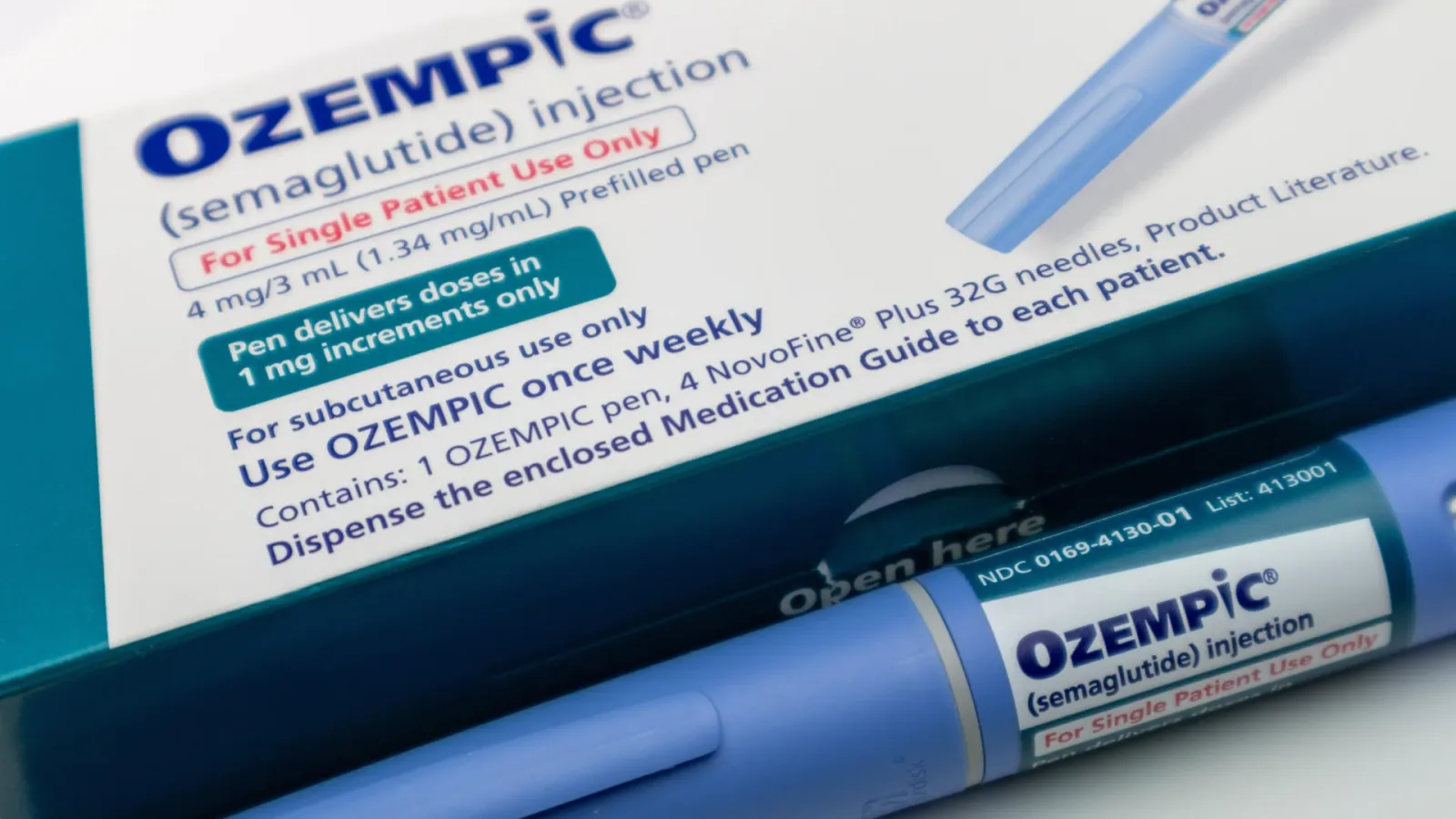
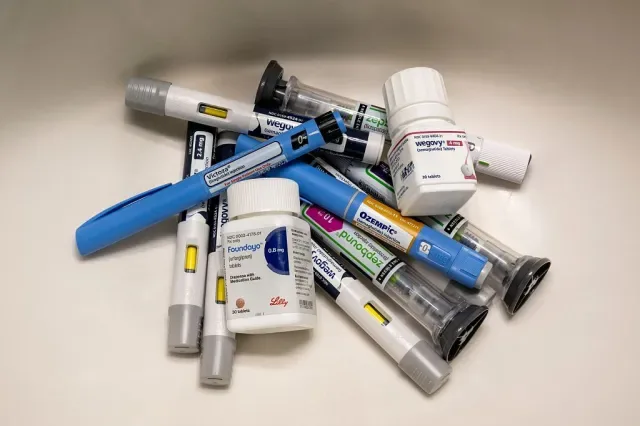
While this study focused on semaglutide (the active ingredient in Ozempic and Wegovy), similar trends are observed with other GLP-1 and dual-agonist therapies like tirzepatide (Mounjaro/Zepbound). All these medications work by mimicking hormones that regulate appetite and glucose metabolism. The principle remains the same: the medication lowers the threshold for feeling full and reduces the drive to eat, even if the subjective feeling of hunger fluctuates over time.
Conclusion
The fear that weight loss medications stop working is common, but new evidence suggests this concern may be unfounded regarding calorie intake. The Penn Medicine trial demonstrates that semaglutide continues to drive a significant reduction in calories for at least a year, even when hunger sensations return. By understanding the difference between perceived hunger and actual consumption, patients can maintain better adherence to their treatment plans. With the support of lifestyle changes and tools like Shotlee for tracking, long-term success is achievable.
Frequently Asked Questions
1. Does semaglutide stop working if I start feeling hungry again?
No. The study indicates that while the sensation of hunger may return after several months, the physiological reduction in calorie intake persists. You may feel hungrier, but you will likely still consume fewer calories than before starting the medication.
2. How much weight loss can I expect from semaglutide over 60 weeks?
In the clinical trial, participants taking the 2.4mg dose of semaglutide lost an average of 15% of their body weight over 60 weeks, compared to just over 3% for the placebo group. Individual results vary based on lifestyle and adherence.
3. What is the difference between Ozempic and Wegovy?
Both contain the same active ingredient, semaglutide. Ozempic is primarily FDA-approved for type 2 diabetes, while Wegovy is approved for chronic weight management. The weight loss study used the 2.4mg dose typically associated with the Wegovy formulation.
4. Can I maintain my weight loss if I stop taking the medication?
Weight regain is common after stopping GLP-1 therapy because the appetite-suppressing effects are removed. Long-term management often requires continued medication use combined with lifestyle changes to maintain the lower body weight achieved during treatment.
5. How can I track if my medication is still effective?
Beyond the scale, track your daily calorie intake and hunger levels. If you notice you are eating significantly less than your pre-treatment baseline, the medication is likely still providing a metabolic advantage, even if you feel hungry occasionally.