
The Rise of GLP-1s: More Than Just Weight Loss
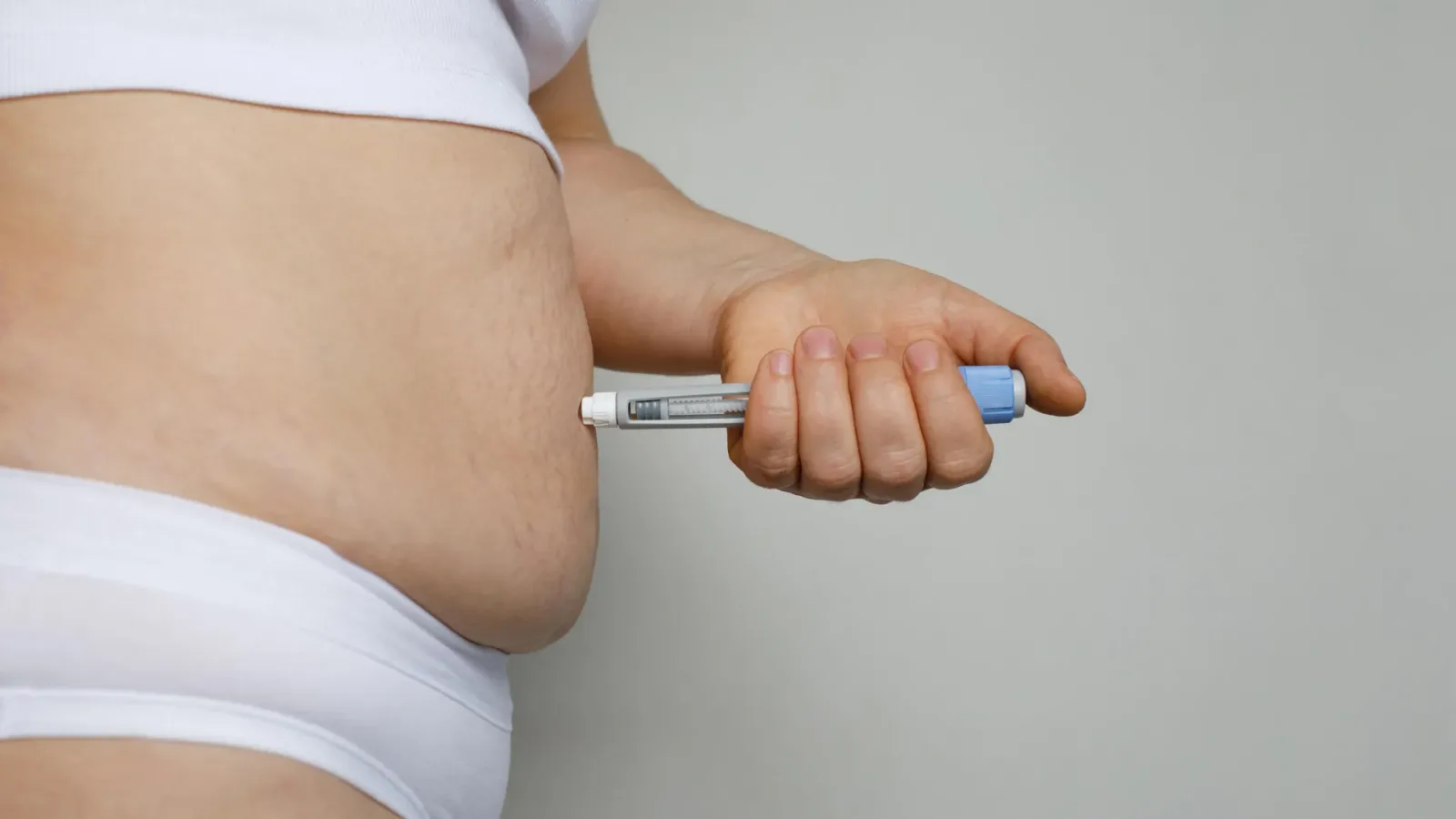
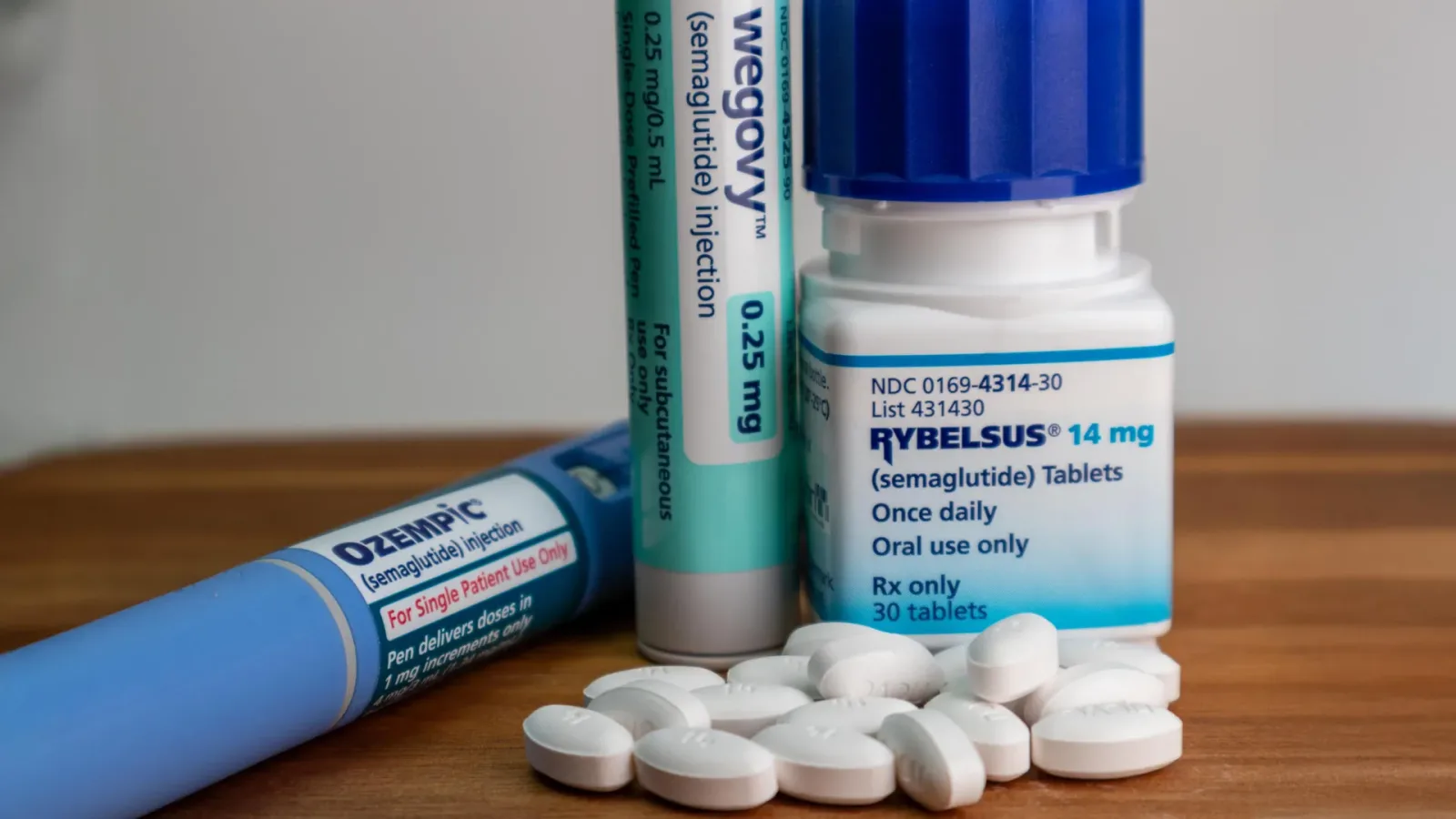
In recent years, medications like Ozempic, Wegovy, and Mounjaro (and its newer counterpart, Zepbound) have surged in popularity, transforming the landscape of chronic disease management. Initially developed and widely prescribed for type 2 diabetes, these drugs, belonging to the glucagon-like peptide-1 (GLP-1) receptor agonist class, have proven remarkably effective not only for blood sugar control but also for significant weight loss. Their benefits extend even further, with emerging evidence suggesting a reduced risk of certain cancers, cardiovascular events, and even cognitive decline.
Dr. Holly Lofton, an obesity medicine specialist at NYU Langone Health, explains their mechanism: "It works by making you less hungry, making your stomach empty more slowly, and making your fat cells shrink hormonally." This multifaceted impact has made GLP-1s a game-changer for millions seeking to improve their health and well-being. However, as with any potent therapeutic, the remarkable benefits come with a spectrum of potential risks that warrant careful consideration and open communication with healthcare providers.
The Familiar: Gastrointestinal Upset and Its Root Cause
The most frequently reported side effects of GLP-1 medications are indeed gastrointestinal. "The most commonly reported side effects are GI-related: nausea, constipation, loose stools, vomiting," states Dr. Lofton. While these are well-known, understanding their origin is key to managing them.
Dr. Naomi Parrella, Chief of Lifestyle Medicine at Rush University, elaborates: "These meds are mimicking a natural hormone [GLP-1] and amplifying it... so, you can imagine it will impact people differently, because just how sensitive you are to these hormones. So the side effects that are most common are related to the impact of the medication [and] the impact it has on the movement of the food." Essentially, GLP-1s slow down the rate at which food moves through the digestive tract. This deliberate slowing not only contributes to feelings of fullness and reduced appetite but also explains the prevalence of symptoms like:
- Nausea
- Constipation
- Diarrhea or loose stools
- Vomiting
- Acid reflux
- Heartburn
- Burping
In clinical trials, nausea was a significant side effect, affecting up to 44% of participants. While these symptoms can be uncomfortable, they often subside as the body adjusts to the medication. However, their persistence or severity should always prompt a discussion with a doctor.
Beyond the Gut: Less Obvious and Potentially Serious Risks
While GI issues are common, GLP-1s can influence the body in ways that are less immediately apparent but potentially more serious. One significant concern is the impact on nutrient and fluid intake.
Dehydration and Nutritional Deficiencies
The reduced hunger and slower gastric emptying that contribute to weight loss can also lead to a decrease in overall food and fluid consumption. "For some individuals, they might not be eating enough or drinking enough fluids, so it can cause risks related to dehydration or not having enough electrolytes, or possibly not eating enough nutrients, such as protein or fiber," warns Dr. Parrella. This can be compounded by the fact that people often feel fuller faster, leading to fewer meals and snacks, potentially missing out on essential vitamins, minerals, and macronutrients.
Pancreatitis and Gallbladder Issues
The GLP-1 mechanism involves stimulating the pancreas to release more insulin in response to food intake, particularly carbohydrates and sugars. "One of the [adverse] effects that people will talk about... would be pancreatitis, and that's an inflammation in the pancreas," Dr. Parrella explains. This increased pancreatic activity, while beneficial for glucose control, can, in rare cases, lead to inflammation. Similarly, gallstones and gallbladder inflammation have been associated with GLP-1 use, likely related to rapid weight loss.
Gastroparesis and Intestinal Obstruction
Perhaps the most concerning, though rare, complications are gastroparesis and intestinal obstruction. Gastroparesis is a condition where the stomach muscles fail to function properly, significantly slowing or even stopping the movement of food from the stomach into the small intestine. "This is a permanent issue that isn't fixed when someone stops taking the medication," Dr. Parrella notes, highlighting that there is ongoing litigation and significant medical concern surrounding this potential side effect due to its unpredictable nature.
Intestinal obstruction, where food becomes physically blocked in the digestive tract, can also occur, often as a result of severe constipation and reduced gut motility exacerbated by dehydration. These serious conditions, along with pancreatitis and severe dehydration leading to kidney failure, share overlapping symptoms with milder GI side effects like vomiting and nausea, making prompt medical evaluation crucial.
The Unexpected Impact on Oral Health
A less commonly discussed, yet significant, side effect of GLP-1 medications relates to dental health. Dr. Elizabeth Walton, clinical director at Risas Kids Dental, points out that an increase in gum disease and dental decay is being observed among patients using these drugs.
"Patients taking GLP-1s often experience symptoms of dry mouth, which include increased cavities and periodontal disease," Dr. Walton states. Saliva plays a vital role in oral hygiene by washing away food particles, neutralizing acids produced by bacteria, and providing a protective barrier for teeth and gums. When saliva production is reduced, teeth and gums are more vulnerable to the acidic environment that fuels cavities and gum disease. This makes diligent oral hygiene and hydration even more critical for individuals on GLP-1 therapy.
Navigating Side Effects: Practical Strategies and When to Seek Help
Managing the side effects of GLP-1 medications requires a proactive approach and open communication with your healthcare team. While some discomfort is expected, it should not be dismissed as simply "normal."
Precision tracking for your journey
Join thousands using Shotlee to accurately track GLP-1 medications and side effects.
📱 Get the Shotlee App
Track your GLP-1 medications, peptides, and health metrics on the go with our mobile app!
Key Management Strategies:
- Hydration is Paramount: "It's important that you focus on drinking lots of fluids and staying hydrated as you take GLP-1s," advises Dr. Parrella. Aim for consistent fluid intake throughout the day.
- Prioritize Protein and Strength Training: To maintain muscle mass during weight loss, "you should prioritize your protein intake." Incorporating strength training into your exercise routine can further support muscle growth and maintenance.
- Mindful Eating Habits: Due to slowed digestion, "you want to make sure you stop eating three [to four] hours before bedtime." This helps prevent issues like heartburn and acid reflux that can occur when lying down shortly after a meal.
- Oral Hygiene Routine: For dental health, increase water intake and maintain a rigorous brushing and flossing regimen. Consider using sugar-free mouth rinses or consulting your dentist about fluoride treatments.
When to Contact Your Doctor:
It is crucial to report any persistent or worsening symptoms to your doctor. "I tell my patients if they have vomiting even once, they should call my office because vomiting can be a symptom of some of the other more dangerous adverse effects," says Dr. Lofton. Dr. Parrella adds, "If your symptoms persist or get worse, you should certainly tell your doctor."
Ignoring symptoms or attributing them solely to the medication's "normal" effects can delay diagnosis and treatment of more serious complications. As Dr. Parrella emphasizes, "when we ignore that, or don't report, it then becomes very difficult to prevent the longer, more serious problems."
The Evolving Landscape of GLP-1 Therapy
The field of GLP-1 therapy is still relatively new, and long-term data is continually being gathered. "There's also this very small but serious risk of what's called gastroparesis, which is basically where your stomach stops moving the food forward," Dr. Parrella notes. "There is currently litigation around this issue and lots of medical concerns, as it's hard to predict who this may happen to."
Questions remain about potential long-term effects, such as the risk of cancer, the impact of discontinuing the medication (including potential metabolic rebound), and interactions within diverse patient populations beyond those studied in clinical trials. Medical professionals are enthusiastic about the advancements but stress the importance of caution and informed decision-making for patients.
As Dr. Parrella advises, "You also have to pay attention to the effect on your own body. So, if you don't feel good, or you are having symptoms of any kind, be in communication with your doctor so that you have a partner in the process."
Ultimately, the decision to use GLP-1 medications involves weighing the significant benefits against the potential risks. For individuals who do not meet the established criteria for these medications, Dr. Lofton stresses the importance of adhering to prescribing guidelines: "It's important to really stick to the guidelines for who the medication was intended for, because as providers, we always think about maximizing benefit and decreasing risk."
GLP-1 medications are powerful tools that can offer substantial health improvements for many. However, like all potent treatments, they require careful consideration, diligent monitoring, and an open dialogue between patients and their healthcare providers to ensure safety and optimal outcomes.
Practical Takeaways for GLP-1 Users
Track Your Progress: Use tools like the Shotlee app to log your doses, monitor symptoms, and record any changes you notice. This data can be invaluable when discussing your experience with your doctor.
Stay Hydrated: Make a conscious effort to drink plenty of water throughout the day.
Prioritize Nutrition: Focus on adequate protein intake and consider a multivitamin if advised by your doctor.
Adjust Eating Times: Avoid eating within 3-4 hours of bedtime to reduce digestive discomfort.
Communicate Openly: Don't hesitate to report any new or worsening symptoms to your healthcare provider immediately.
Conclusion
GLP-1 medications represent a significant advancement in treating type 2 diabetes and obesity, offering profound health benefits. However, their potency means they can also lead to a range of side effects, some of which are less commonly discussed, such as dental issues and serious gastrointestinal complications. By understanding these potential risks, adopting proactive management strategies, and maintaining open communication with healthcare providers, individuals can navigate their GLP-1 therapy safely and effectively, maximizing benefits while minimizing harm. As research continues, staying informed and attentive to your body's signals is paramount.