
What Is Novo Nordisk Suing Eli Lilly About?
Novo Nordisk has filed a lawsuit against Eli Lilly in the United States District Court for the District of New Jersey, alleging false advertising and unfair competition regarding their respective GLP-1 medicines. The core dispute centers on comparative clinical data presented in direct-to-consumer advertising campaigns for the weight loss treatments Zepbound and Mounjaro. Novo Nordisk claims that the rival company misrepresents the efficacy of their therapies by omitting key information about higher-dose versions of the competing drugs. This legal action marks a significant escalation in the commercial rivalry between the two pharmaceutical giants. The complaint specifically targets how Lilly compares its maximum approved doses against older or lower-dose iterations of Novo Nordisk's products. By excluding the most recent FDA-approved formulations, the plaintiff argues that consumers are receiving an incomplete picture of the available treatment options. Consequently, Novo Nordisk believes these advertising practices mislead patients seeking the most effective weight management solutions available on the market.
This filing represents a direct challenge to how pharmaceutical companies market their blockbuster drugs to the public. Both firms are competing for market share in the rapidly expanding obesity and diabetes treatment sectors. The lawsuit suggests that marketing tactics may be prioritizing competitive positioning over full transparency for patients. Novo Nordisk argues that the omission of specific dosage data creates a false impression of superiority. Such claims can influence patient choices and potentially impact health outcomes if individuals select medications based on incomplete information.
How Do the Drug Comparisons Differ in the Advertising?
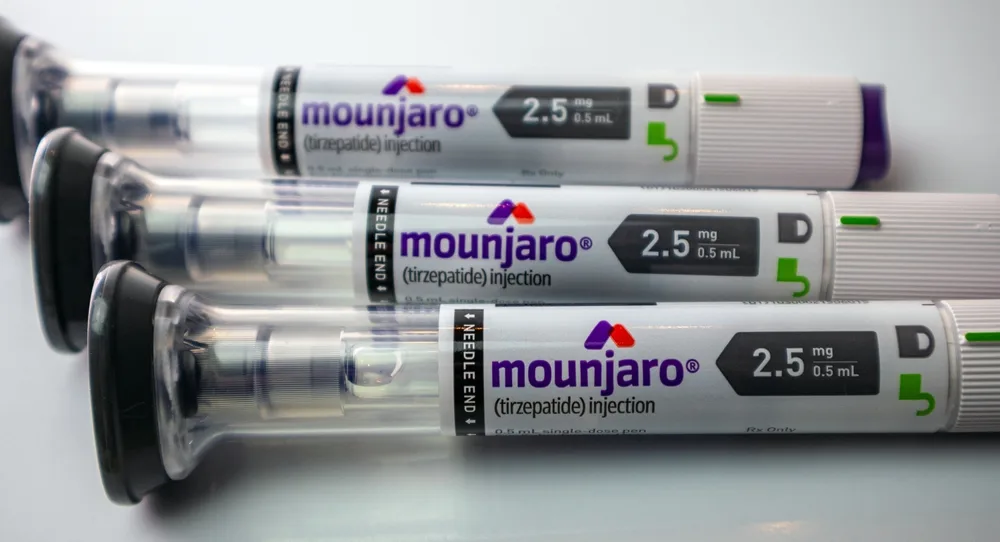
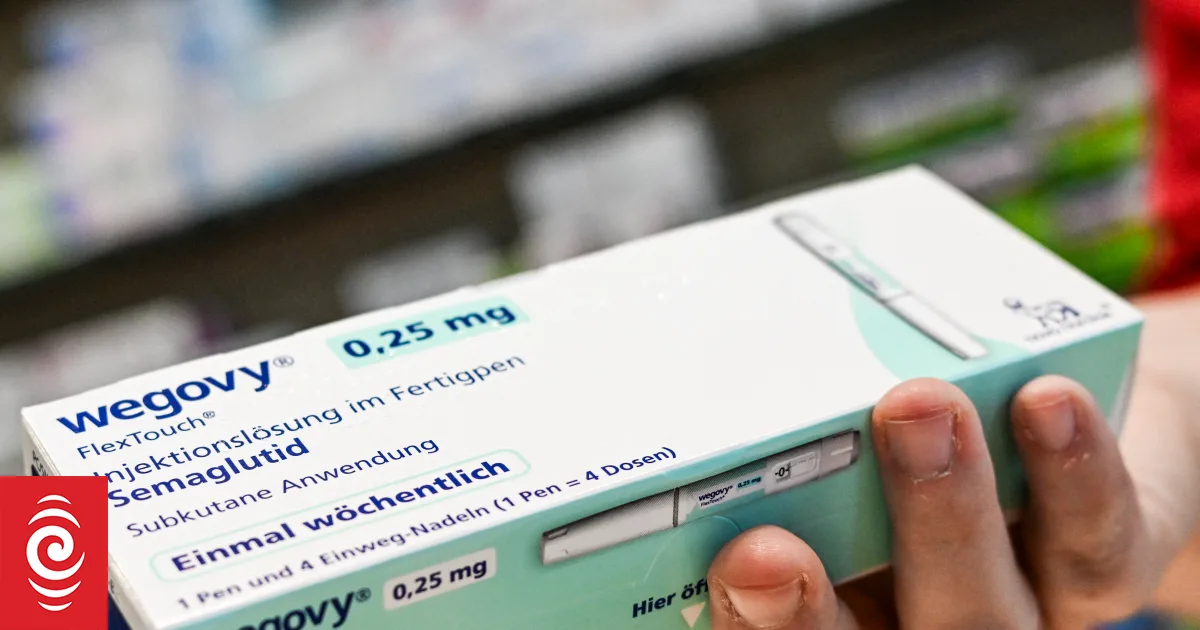
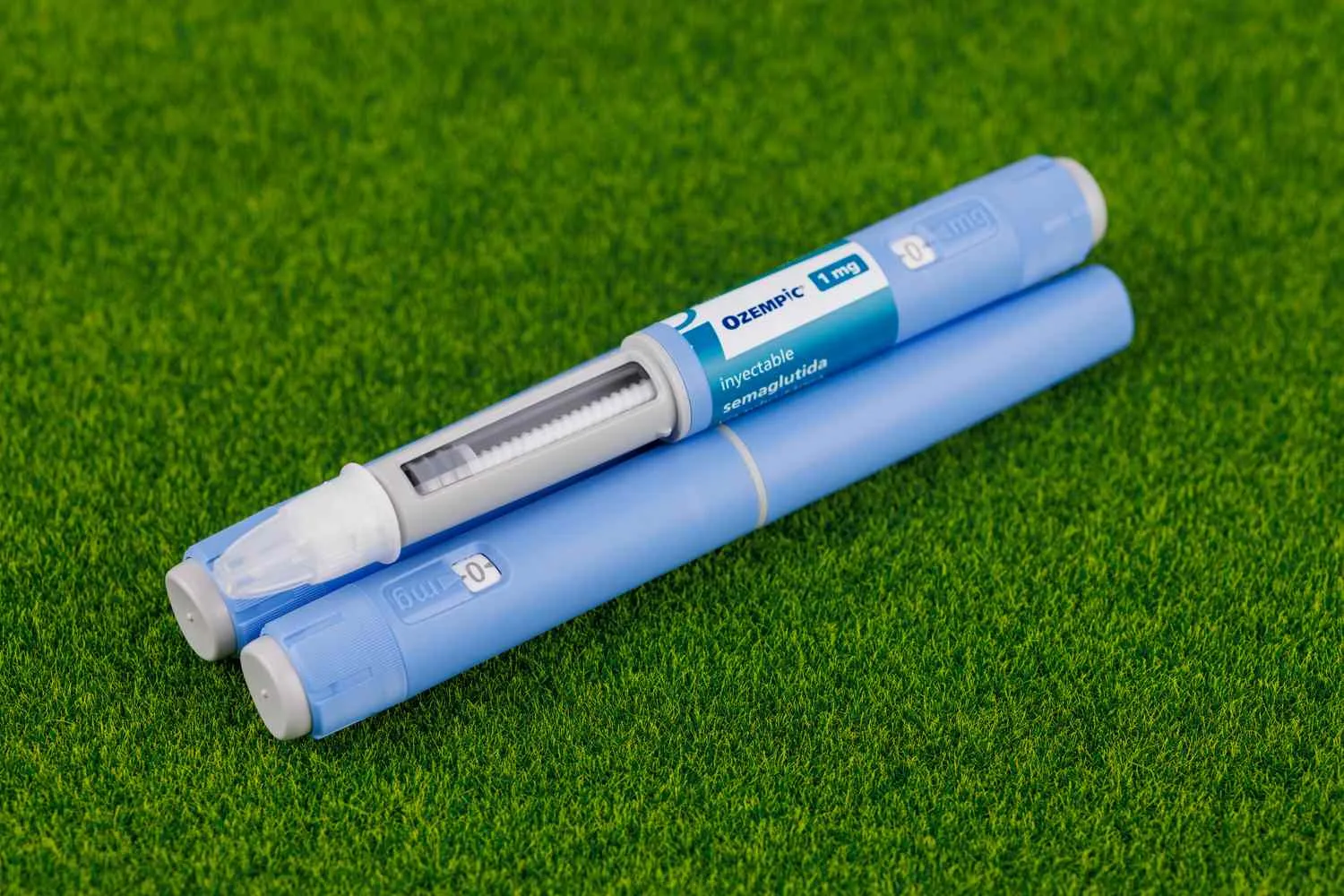
The specific allegations focus on how the two companies present dosage comparisons to the public to highlight the perceived superiority of their products. Novo Nordisk argues that Zepbound advertisements compare the 10 mg and 15 mg doses against Wegovy doses of 1.7 mg and 2.4 mg. However, the complaint highlights that these ads exclude the FDA-approved 7.2 mg injectable dose of Wegovy, which received approval in March 2026. Clinical studies associated with this higher dose demonstrated an average body weight reduction of 19%, or approximately 47 pounds. Similarly, Mounjaro advertising compares the maximum 15 mg dose with only the 1 mg version of Ozempic. This omission ignores the FDA-approved 2 mg maintenance dose that has been available for several years. The discrepancy in data presentation forms the basis of the unfair competition claim.
Comparing maximum doses against minimum effective doses can skew patient expectations regarding results. Patients often look for the highest potential benefit when choosing between semaglutide and tirzepatide therapies. When the lower dose of a competitor is used as the benchmark, the advertised drug appears more potent than it might be in a direct head-to-head trial. Novo Nordisk contends that presenting only the 1 mg version of Ozempic ignores the standard maintenance dose that most patients actually use. This selective reporting is the central point of contention in the legal complaint filed by the Danish pharmaceutical company.
| Drug | Advertised Dose | Excluded Dose | Claimed Weight Loss |
|---|---|---|---|
| Zepbound | 10 mg, 15 mg | Wegovy 7.2 mg | ~19% (47 lbs) |
| Mounjaro | 15 mg | Ozempic 2 mg | N/A |
| Wegovy | 1.7 mg, 2.4 mg | Wegovy 7.2 mg | N/A |
Why Did the Attempted Settlement Fail?
Novo Nordisk stated that it previously attempted to resolve the dispute outside of court by sending Eli Lilly a cease-and-desist letter in April. According to the company, Lilly did not withdraw the advertisements and instead added what the company describes as an insufficient disclaimer. This lack of cooperation led to the formal filing of the complaint in the U.S. District Court for the District of New Jersey. At the time of the filing, Eli Lilly had not publicly responded to the lawsuit or filed a formal legal defence. The failure to correct the advertising materials after the initial warning suggests that the companies are at an impasse regarding the accuracy of their marketing claims. This breakdown in communication necessitated legal intervention to protect consumer information integrity.
Typically, pharmaceutical companies prefer to resolve disputes privately to avoid negative publicity. However, when one party refuses to adjust their marketing materials after a formal warning, litigation becomes the primary recourse. The addition of a disclaimer was deemed inadequate by Novo Nordisk, likely because it did not fully correct the initial misleading impression created by the advertisements. The court will now have to determine if the marketing materials violate regulations regarding comparative advertising in the healthcare sector.
Precision tracking for your journey
Join thousands using Shotlee to accurately track GLP-1 medications and side effects.
📱 Get the Shotlee App
Track your GLP-1 medications, peptides, and health metrics on the go with our mobile app!
What Remedies Is Novo Nordisk Seeking?
Novo Nordisk is asking the court to permanently block Lilly from using the disputed comparative advertising across all media platforms. The company is also seeking disgorgement of profits, a corrective advertising campaign to address existing consumer impressions. Additionally, they want a preliminary injunction that would halt the advertising while the case proceeds if the campaigns are not voluntarily withdrawn. John F. Kuckelman, Senior Vice President and Group General Counsel at Novo Nordisk, emphasized that people deserve accurate information. He stated that as new and more effective treatment options become available, patients need data that reflects the latest scientific evidence. This allows them to make informed care decisions regarding their health and weight management strategies.
Disgorgement of profits is a significant financial remedy that would require the defendant to return earnings gained from the alleged unfair practices. A corrective advertising campaign would force Eli Lilly to run new ads that explicitly state the omitted data points. These measures are designed to level the playing field and ensure that all competitors adhere to similar standards of truthfulness. The request for a preliminary injunction indicates that Novo Nordisk believes the current ads are causing immediate and irreparable harm to their business interests.
How Does This Affect Patients Choosing Weight Loss Medications?
For patients navigating the complex landscape of GLP-1 agonists, the outcome of this lawsuit could influence how they perceive treatment efficacy and safety. Accurate advertising ensures that individuals understand the full range of options, including different dosage strengths and potential weight loss outcomes. When evaluating medications like Ozempic, Wegovy, Mounjaro, or Zepbound, patients should consult with their healthcare providers to determine the best fit. Tools like Shotlee can assist in tracking progress, symptoms, and doses to ensure the treatment plan remains on track. Understanding the nuances of these drugs helps manage expectations and supports long-term health goals. Clear communication from manufacturers is vital for maintaining trust in the healthcare system.
Patients often rely on marketing materials to form initial impressions before consulting a doctor. If these materials are contested in court, it may lead to increased scrutiny of all advertising in the weight loss sector. This could result in more standardized disclosure requirements for all pharmaceutical companies. Patients should remain vigilant and seek independent medical advice rather than relying solely on promotional content. Monitoring personal health metrics is essential when starting any new prescription therapy.
Key Takeaways for Patients
- Verify dosage strengths with your healthcare provider before starting treatment.
- Understand that advertising may highlight maximum doses rather than standard maintenance doses.
- Use health tracking tools to monitor weight loss and side effects accurately.
- Consult clinical trial data for a clearer picture of efficacy across all doses.
- Report misleading advertising to regulatory authorities if you believe you were misled.
Conclusion
The legal battle between Novo Nordisk and Eli Lilly underscores the high stakes in the GLP-1 market. As these blockbuster drugs continue to reshape the obesity and diabetes treatment landscape, transparency in advertising becomes a critical public health issue. The court's decision will set a precedent for how pharmaceutical companies compare their products against competitors. For patients, the ultimate goal remains access to safe, effective, and accurately described medical treatments. Ensuring that clinical data is presented fairly protects the integrity of the healthcare system and empowers individuals to make better choices for their well-being.