
The Digital Transformation of Weight Management
Obesity medicine is undergoing a profound structural shift, moving from traditional endocrinology clinics and bariatric specialty practices into the digital realm. The emergence of online GLP-1 weight loss programs has fundamentally altered how millions of Americans access medically supervised weight management. These programs leverage the power of telehealth, prescription medications like semaglutide and tirzepatide, and dedicated care teams to offer a more accessible and integrated approach to tackling obesity.
Research highlights the rapid acceleration of GLP-1 medication use for weight loss. By mid-2025, approximately 12.4% of U.S. adults—over 30 million people—had used these medications for weight management, a significant increase from 5.8% in early 2024. This surge is fueled by advancements in telehealth infrastructure, evolving FDA approvals for weight loss indications, and a growing market preference for clinical interventions over solely behavioral approaches.
GLP-1 Medications: Reshaping the Weight Loss Landscape
The U.S. weight loss market reached an impressive $135 billion in 2025. However, this figure masks a significant internal restructuring. Non-medical weight loss programs, commercial diet chains, and meal replacement sectors are experiencing contraction as patients and healthcare providers increasingly favor medically supervised weight management, primarily led by GLP-1 receptor agonists.
The appeal of GLP-1 medications extends far beyond mere convenience. Between 2022 and 2025, U.S. obesity rates fell from 39.9% to 37%, a reduction of approximately 7.6 million individuals. Researchers partly attribute this positive trend to the widening adoption of GLP-1 medications. Projections from financial analysts suggest the U.S. user base for these drugs will surpass 30 million by 2030, driven by the increasing availability of oral formulations and expanding insurance coverage.
The Rise of Oral GLP-1 Formulations and Telehealth
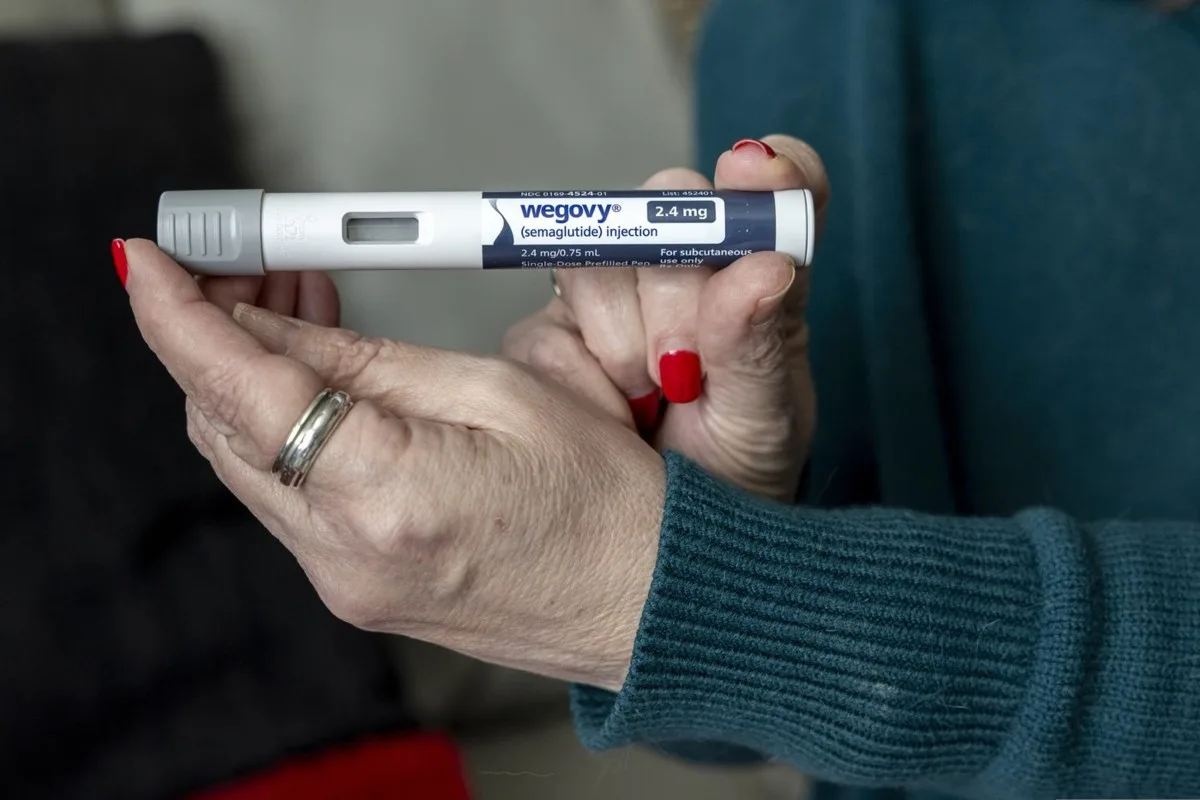
A key driver of this transformation has been the FDA approval of oral GLP-1 medications. On December 22, 2025, the FDA approved Novo Nordisk's once-daily oral tablet form of Wegovy for obesity treatment. Within just three weeks of its market introduction in January 2026, the new oral GLP-1 pills were prescribed to an estimated 170,000 people, a rate of adoption that outpaced earlier injectable rollouts. Telehealth platforms, with their streamlined prescription processes and direct-to-patient shipping models, are ideally positioned to serve as primary distribution channels for these convenient new formulations.
Understanding How GLP-1 Medications Work
Glucagon-like peptide-1 (GLP-1) is a naturally occurring hormone crucial for regulating blood sugar, digestion, and appetite. GLP-1 receptor agonists are a class of medications that mimic or enhance the action of this natural hormone. They trigger a cascade of metabolic effects that significantly support weight loss in individuals with obesity or overweight, particularly when accompanied by metabolic comorbidities.
The Core Mechanisms of Action
When a patient begins a GLP-1 regimen, these medications work on multiple systems simultaneously:
- Appetite Regulation: They signal to the brain, reducing feelings of hunger and increasing satiety, or the feeling of fullness.
- Gastric Emptying: GLP-1 agonists slow down the rate at which food leaves the stomach, prolonging the sensation of fullness after meals.
- Blood Sugar Control: They promote insulin secretion in response to food intake and suppress glucagon (a hormone that raises blood glucose levels between meals), contributing to better glycemic management.
Collectively, these actions lead to a reduction in caloric intake, often without requiring the patient to rely solely on willpower for dietary restriction.
FDA-Approved Medications Available Through Online Programs
The primary GLP-1 and GIP/GLP-1 dual agonist medications currently accessible through reputable online weight loss programs include:
| Medication | Brand Names | Primary FDA Approval | Key Trial Outcome (Approximate) |
|---|---|---|---|
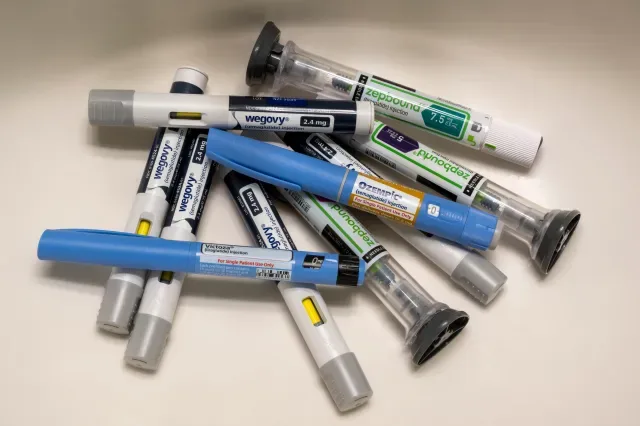
| Semaglutide | Wegovy (weight management), Ozempic (type 2 diabetes) | Obesity, Type 2 Diabetes | STEP-1 Trial: ~15% body weight reduction (with lifestyle changes) |
| Tirzepatide | Zepbound (weight management), Mounjaro (type 2 diabetes) | Obesity, Type 2 Diabetes | SURMOUNT-1 Trial: ~20-21% body weight reduction |
The FDA semaglutide shortage, which caused supply disruptions in 2024, was resolved by February 2025, stabilizing access through both traditional and telehealth channels.
What Online GLP-1 Programs Offer Beyond a Prescription
A prescription for semaglutide or tirzepatide alone is not a complete weight loss program. The critical distinction of online GLP-1 programs lies in their integrated approach, combining clinical oversight, careful dose management, essential lifestyle support, and continuous monitoring within a unified service.
Supervised Dose Titration for Optimal Tolerance
GLP-1 medications are typically initiated at low doses and gradually increased over time—a process known as titration. This gradual escalation allows the patient's body to adjust and helps minimize common gastrointestinal side effects, such as nausea, which are most frequently reported during the initial stages of treatment. Structured online programs facilitate this by providing regular monitoring of the patient's response, with licensed healthcare providers making informed dosing adjustments based on individual tolerance and observed outcomes.
Integrated Lifestyle and Behavioral Support
Clinical evidence consistently demonstrates that GLP-1 medications achieve their greatest impact when combined with comprehensive lifestyle modifications. A retrospective analysis found that digitally engaged participants in a GLP-1 program were significantly more likely to achieve at least 5% weight loss (79.4%) compared to non-engaged participants (36.3%). For more ambitious goals, such as 20% or greater weight loss, the difference was even more pronounced (12.2% vs. 4.3%).
This data has prompted structured programs to embed nutrition coaching, exercise guidance, and behavioral health tools directly into their service architecture, moving beyond informal recommendations to provide actionable support for sustainable lifestyle changes.
Robust Safety Monitoring Protocols
Telehealth-based GLP-1 programs typically mandate periodic laboratory assessments to ensure the ongoing safety of treatment. These standard panels often include:
- Kidney and liver function tests
- Thyroid markers
- Vitamin B12 and D levels
- HbA1c for blood glucose management tracking
- Inflammatory markers
Responsible programs also conduct thorough screenings for contraindications, such as a history of pancreatitis, certain thyroid conditions (including medullary thyroid cancer), and specific digestive disorders.
Evidence-Based Outcomes of Online GLP-1 Programs
Multiple independent research analyses have evaluated the effectiveness of GLP-1 medications delivered through structured online programs compared to unsupported prescribing. A central variable in these studies is medication persistence.
Medication Persistence is Key: One of the most significant findings is the strong correlation between program support and medication persistence—the likelihood that patients will continue taking their medication as prescribed over time. An analysis from Omada Health's Enhanced GLP-1 Care Track revealed that 67% of enrolled members remained persistent on their medication at 12 months. This contrasts sharply with real-world evidence from unstructured use, where persistence rates typically range from 47-49%. Among members who persisted for the full 12 months, average weight loss reached an impressive 18.4%, compared to 11.9% in comparable real-world data without structured support.
Demographic Consistency of Effectiveness: A 2026 study from Johns Hopkins Bloomberg School of Public Health found that GLP-1 receptor agonists are comparably effective across various age groups, racial demographics, and starting body weights. While women in the study achieved an average weight loss of approximately 11% and men approximately 7%, the consistency of outcomes across these demographic variables is noteworthy, addressing earlier concerns about clinical trial populations not reflecting broader patient groups.
Precision tracking for your journey
Join thousands using Shotlee to accurately track GLP-1 medications and side effects.
📱 Get the Shotlee App
Track your GLP-1 medications, peptides, and health metrics on the go with our mobile app!
Who Qualifies for an Online GLP-1 Weight Loss Program?
Eligibility for GLP-1 weight loss treatment through online programs generally aligns with the clinical guidelines established by the FDA and major obesity medicine organizations. These guidelines focus on Body Mass Index (BMI) and the presence of weight-related health conditions.
Standard BMI-Based Eligibility Criteria
The primary criteria typically require:
- A Body Mass Index (BMI) of 30 or above (classified as obesity).
- OR a BMI of 27 or above, when accompanied by at least one weight-related health condition, such as hypertension, type 2 diabetes, or obstructive sleep apnea.
Telehealth programs conduct initial assessments through virtual consultations, where providers review a patient's comprehensive medical history before issuing a prescription.
Programme-Specific Assessment Processes
Reputable online GLP-1 programs go beyond BMI to assess contraindication history and concurrent medication use. Patients with a history of pancreatitis or certain thyroid conditions are typically screened out during the intake process. Standard practice involves starting patients at the lowest effective dose, with clearly defined monitoring schedules to track response and identify any adverse effects early.
Evaluating a High-Quality Online GLP-1 Program
The rapid growth of the online GLP-1 sector has led to a wide spectrum of providers, from simple prescription-only platforms to fully integrated programs offering comprehensive monitoring and lifestyle support. When considering an online program, several key criteria indicate its clinical rigor and potential for success:
Provider Credentials and Oversight
The expertise of the clinical team is paramount. Programs staffed by board-certified obesity medicine specialists, rather than general practitioners alone, are often associated with improved outcomes. Look for ABOM (American Board of Obesity Medicine) certification, which signifies specialized training in the clinical management of obesity as a chronic disease.
Medication Supply Chain Transparency
For programs offering compounded GLP-1 medications, the manufacturing source directly impacts consistency and safety. Medications compounded at FDA-registered 503B outsourcing facilities adhere to stricter quality control standards than traditional compounding pharmacies. A program's ability to clearly document the source of its compounded formulations is a crucial due-diligence step.
Monitoring Protocols and Ongoing Clinical Access
Effective GLP-1 management necessitates periodic laboratory monitoring and consistent access to healthcare providers for side effect management, dose adjustments, and progress assessment. Programs that bundle these services into their standard offering—rather than itemizing consultations, labs, and shipping separately—provide clearer cost visibility and ensure that monitoring is a routine component of care.
The Evolving Cost Landscape of GLP-1 Programs
Cost is frequently cited as the primary barrier to GLP-1 adoption. Traditional pharmacies can charge over $1,000 per month for brand-name injectables. Telehealth platforms are addressing this gap through several strategies:
Telehealth Pricing Advantages
Online programs often offer brand-name medications like Wegovy for around $499 per month through select providers authorized by Novo Nordisk, a significant reduction from retail pricing. Compounded alternatives, where available and appropriate, further lower the entry point.
Expanding Insurance and Medicare Coverage
The coverage landscape is rapidly shifting. The Centers for Medicare and Medicaid Services (CMS) BALANCE Model is introducing weight-loss GLP-1 coverage in Medicaid as early as May 2026 and in Medicare Part D beginning January 2027. A Medicare GLP-1 bridge program, expected from July 2026, aims to provide access for eligible beneficiaries at a standardized cost of $50 per month, dramatically broadening financial accessibility.
Emerging Trends in Online GLP-1 Programs
The field of online GLP-1 programs is continually evolving, with new trends addressing long-term success and broader patient needs.
Post-Medication Maintenance Programs
A significant challenge in GLP-1 therapy is weight regain after discontinuation. Research indicates average weight regain of 11-12% within one year post-discontinuation in clinical trial populations. Structured programs are now developing specific post-medication phases focused on body composition maintenance, preserving muscle mass, and building sustainable dietary and activity habits before patients taper or stop medication. Outcome data suggests these integrated behavioral programs can substantially alter the post-medication trajectory, with one study showing only a 0.8% weight change at one year after discontinuation among supported members.
Expanding Demographic Uptake
Interest in online GLP-1 programs is growing across diverse populations. Surveys indicate significant interest from individuals classified as obese or significantly overweight, with women consistently showing higher interest than men. This trend is influencing how platforms tailor their outreach and program design.
Integration with Broader Cardiometabolic Health
The therapeutic scope of GLP-1 medications is expanding beyond weight loss to include established cardiovascular benefits, such as reduced rates of heart attacks and strokes in at-risk populations. This is driving the integration of GLP-1 program management with broader metabolic health monitoring, including blood pressure, lipid profiles, and blood glucose control. Online programs that frame GLP-1 treatment within this wider cardiometabolic health context are aligning with the direction of clinical evidence and physician interest.
Practical Takeaways for Choosing an Online GLP-1 Program
When evaluating online GLP-1 programs, prioritize those that offer:
- Board-certified obesity medicine specialists leading the clinical team.
- Transparent supply chains for all medications, especially compounded versions sourced from FDA-registered 503B facilities.
- Comprehensive monitoring protocols including regular lab work and accessible provider communication.
- Integrated lifestyle and behavioral support that complements medication therapy.
- Clear, all-inclusive pricing that covers consultations, medication, and monitoring.
Leveraging tools like Shotlee can help you meticulously track your medication doses, monitor your progress, and log any symptoms or side effects, providing valuable data to share with your care team and ensuring you stay on track with your personalized treatment plan.
Conclusion
Online GLP-1 weight loss programs represent a powerful convergence of pharmaceutical innovation and accessible telehealth delivery. The clinical evidence supporting GLP-1 receptor agonists for obesity management is robust, demonstrating significant body weight reductions and improved long-term outcomes when integrated with structured program support. As insurance coverage expands and oral formulations continue to lower barriers to entry, the online GLP-1 weight management sector is poised for sustained growth. The key differentiator for success will be the clinical rigor of these programs—encompassing provider credentials, monitoring protocols, lifestyle integration, and supply chain standards—ensuring effective and safe patient journeys.