Shotlee LogoShotlee
Blog
Download on theApp Store
Get it onGoogle Play
Skip to main content
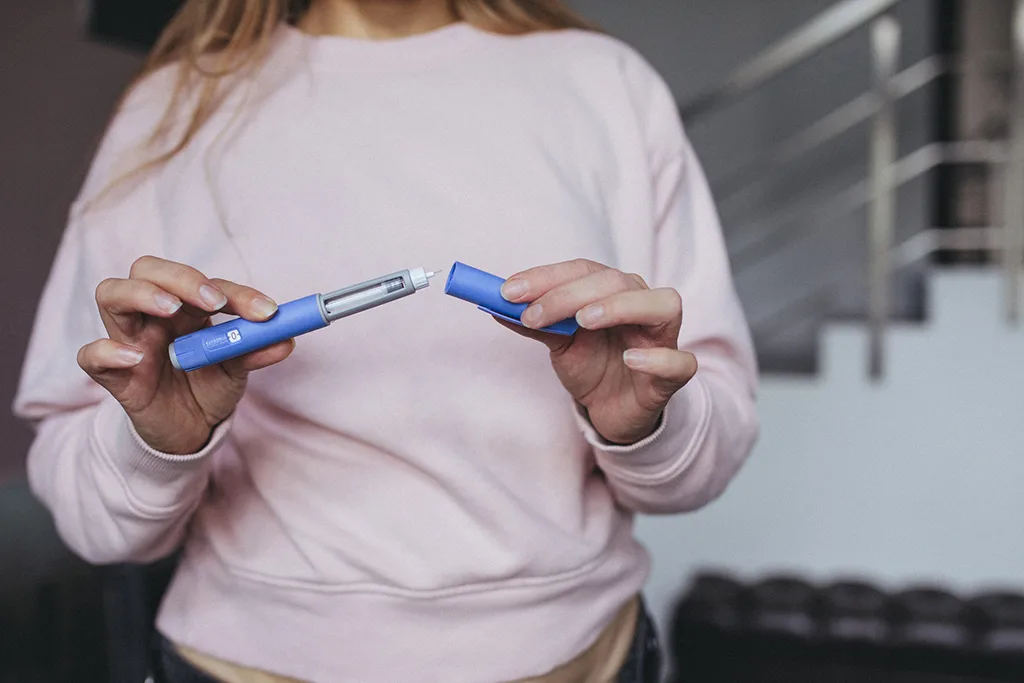
Study Links GLP-1 Medications To Rare Vision Issue - Featured image
Medication Safety

Study Links GLP-1 Medications To Rare Vision Issue

Shotlee Editorial Team
Written by Shotlee Editorial TeamHealth Research & Writing
·July 23, 2026·6 min read

On this page

  • Understanding Ischemic Optic Neuropathy
  • New Study Findings on GLP-1 Agonists and Vision Risk
  • Interpreting the Study's Implications
  • Managing Health Data with Shotlee
  • Risk vs. Benefit: A Balanced Perspective
  • Practical Takeaways for Patients
  • Conclusion
  • Key Demographics and Risk Factors

Track Smart

Calculate active GLP-1 levels automatically with Shotlee.

Download →

New research indicates a possible association between GLP-1 medications, commonly prescribed for type 2 diabetes and weight management, and a rare but serious vision issue. This article explores the study's findings, potential implications, and expert recommendations.

Share

On this page

  • Understanding Ischemic Optic Neuropathy
  • New Study Findings on GLP-1 Agonists and Vision Risk
  • Interpreting the Study's Implications
  • Managing Health Data with Shotlee
  • Risk vs. Benefit: A Balanced Perspective
  • Practical Takeaways for Patients
  • Conclusion
  • Key Demographics and Risk Factors

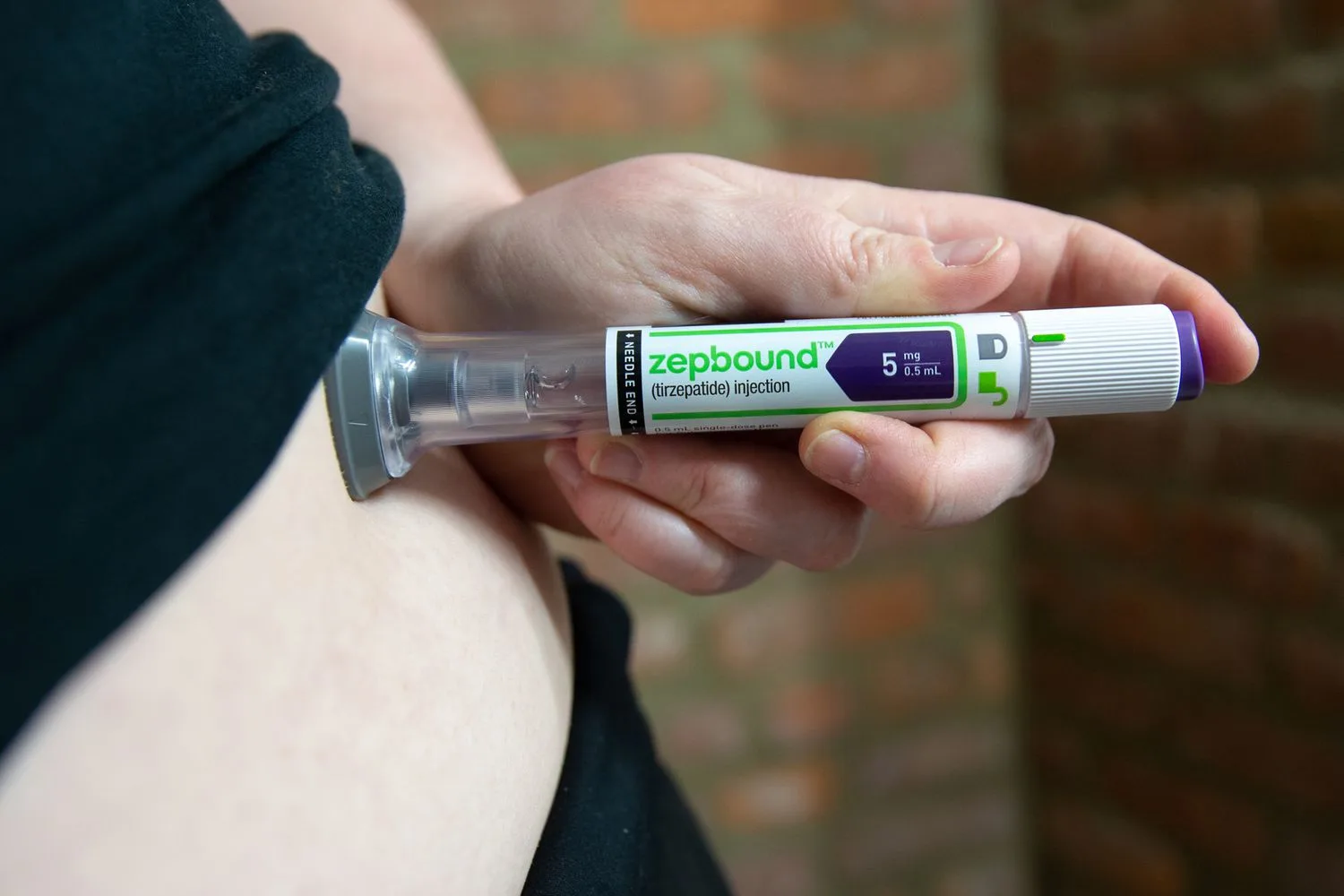
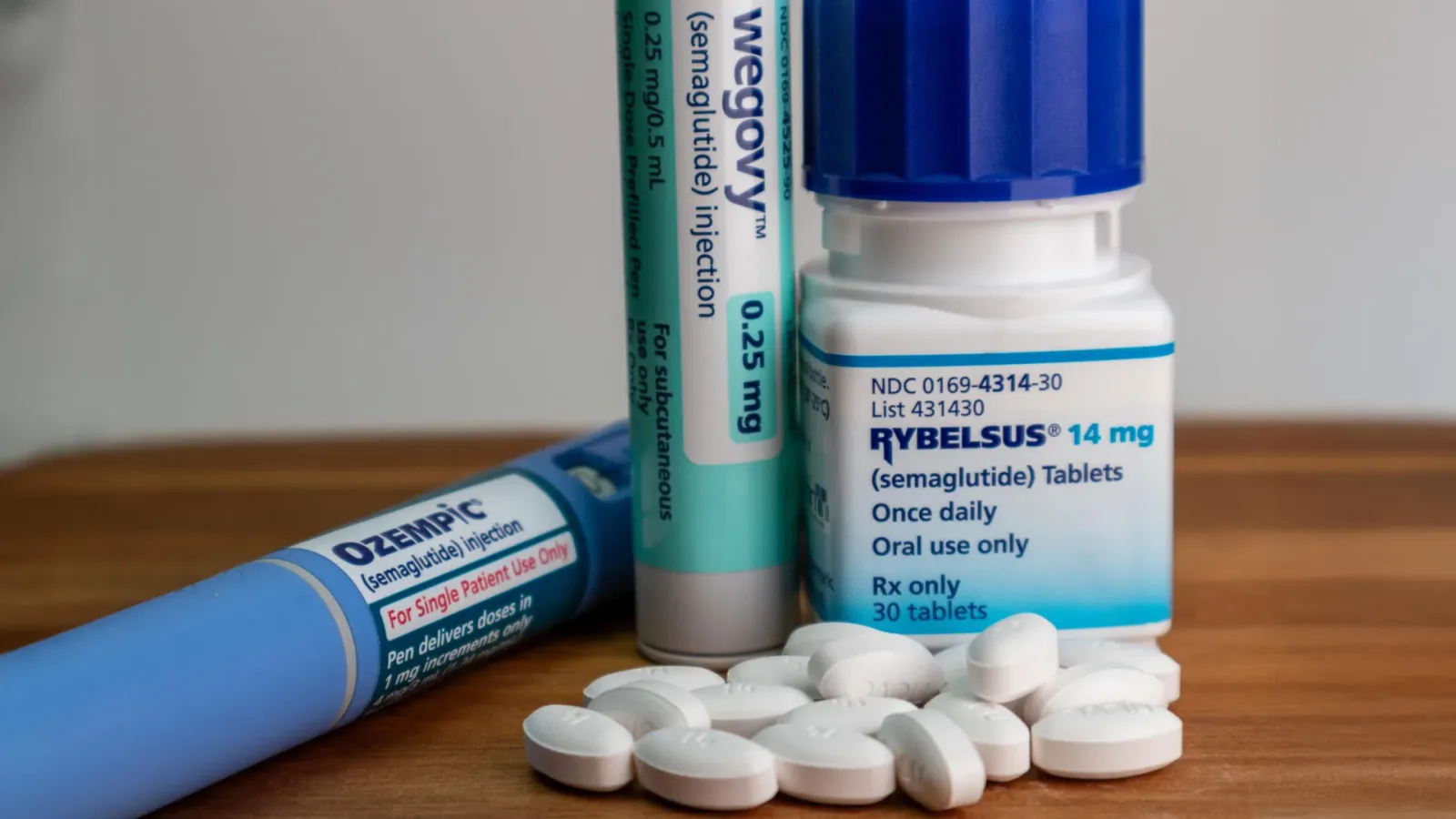
Popular medications used to manage type 2 diabetes and obesity, known as GLP-1 receptor agonists, have recently been the subject of a study exploring a potential link to a rare eye condition. These medications, which include widely recognized drugs such as Ozempic, Wegovy, Mounjaro, and Zepbound, are celebrated for their efficacy in improving glycemic control and promoting weight loss. However, emerging research suggests a possible association with a condition called ischemic optic neuropathy.

Understanding Ischemic Optic Neuropathy

Ischemic optic neuropathy (ION) is a serious condition characterized by a sudden reduction in blood flow to the optic nerve. The optic nerve is crucial for transmitting visual information from the eye to the brain. When blood flow is compromised, the nerve tissue can be damaged, leading to rapid and often irreversible partial vision loss. This vision loss can manifest as blurring, dimming, or the loss of a portion of a person's visual field, typically affecting one eye.

While ION can sometimes lead to complete blindness, it more commonly results in permanent partial vision impairment. Although some individuals may experience a slight improvement in vision in the months following an event, the damage to the optic nerve is frequently permanent. The sudden onset and potential for lasting vision loss make early recognition and prompt medical attention critical.

New Study Findings on GLP-1 Agonists and Vision Risk

A study conducted by researchers at Rutgers University, funded by the National Institutes of Health, investigated the potential connection between GLP-1 receptor agonists and ION. The findings, published in the journal Annals of Internal Medicine, indicate a possible association between the use of these medications and an increased likelihood of developing ION.

The research team tracked a large cohort of U.S. adults aged 18 to 65 who were being treated for type 2 diabetes. Over an 18-month period, they compared the incidence of ION among patients taking GLP-1 drugs with those using two other classes of diabetes medications: SGLT2 inhibitors and DPP4 inhibitors.

The study observed an increase of approximately three to four cases of ION for every 10,000 patients treated with GLP-1 drugs. While this number represents a small increase in absolute terms, the clinical significance of ION, due to its potential for sudden and permanent vision loss, warrants attention.

Key Demographics and Risk Factors

The study also highlighted certain demographic patterns observed in the cases of ION. Most instances occurred in men and individuals within the 50 to 65 age range. These observations suggest that certain patient profiles might warrant closer monitoring when initiating or continuing GLP-1 therapy.

Interpreting the Study's Implications

Lead author Chintan Dave, a faculty member at the Rutgers Institute for Health, emphasized that while ischemic optic neuropathy is rare, its potential for causing sudden vision loss makes it clinically important. He stated, "The increase in risk was small, but clinicians and patients should be aware of this potential association."

Precision tracking for your journey

Join thousands using Shotlee to accurately track GLP-1 medications and side effects.

📱 Get the Shotlee App

Track your GLP-1 medications, peptides, and health metrics on the go with our mobile app!

Download on theApp Store
Get it onGoogle Play

It is crucial to note that the researchers stressed that the actual risk to any individual patient remains quite low. They also pointed out that the observed increased risk might be influenced by underlying health differences among the study participants, all of whom had type 2 diabetes. It is possible that the pre-existing health status of individuals with type 2 diabetes, rather than a direct medication effect, contributes to the observed association. Further research is deemed necessary to definitively determine the causal relationship, if any.

The study's authors recommend that clinicians and patients remain vigilant. Given that ION can present with sudden vision loss, prompt ophthalmologic evaluation is particularly important for patients who may have a higher baseline risk. This underscores the need for open communication between patients and their healthcare providers regarding any new or concerning visual symptoms.

Managing Health Data with Shotlee

For individuals managing chronic conditions like type 2 diabetes or those undergoing treatment with GLP-1 medications, meticulous health tracking can be invaluable. Tools like Shotlee can assist patients in monitoring various health metrics, including blood glucose levels, weight changes, medication adherence, and any emerging symptoms. By diligently logging this data, patients can provide their healthcare team with a comprehensive picture of their health status, facilitating earlier detection of potential issues and more personalized treatment adjustments. This proactive approach to health management is especially important when considering potential side effects or associations, such as the one explored in this study.

Risk vs. Benefit: A Balanced Perspective

GLP-1 receptor agonists have proven to be transformative for many individuals struggling with type 2 diabetes and obesity. Their benefits, including improved blood sugar control, significant weight loss, and potential cardiovascular advantages, are well-documented and life-changing for many. The introduction of a potential, albeit rare, risk of vision issues requires a careful consideration of the overall risk-benefit profile for each patient.

The decision to use these medications should always be made in consultation with a qualified healthcare professional. Factors such as a patient's individual health history, existing medical conditions, and the severity of their diabetes or obesity will guide this decision. Open dialogue about potential risks, including rare ones like ION, and benefits is paramount.

Medication Class Potential Vision Issue Association Observed Risk Increase (per 10,000 patients over 18 months)
GLP-1 Receptor Agonists (e.g., Ozempic, Wegovy, Mounjaro, Zepbound) Ischemic Optic Neuropathy (ION) 3-4 cases
SGLT2 Inhibitors Not significantly associated in this study Baseline comparison
DPP4 Inhibitors Not significantly associated in this study Baseline comparison

Note: This table summarizes findings from the Rutgers University study. The observed risk increase for GLP-1 agonists is relative to patients taking SGLT2 or DPP4 inhibitors.

Practical Takeaways for Patients

For individuals currently taking or considering GLP-1 medications, the following practical steps are recommended:

  • Consult Your Doctor: Discuss your individual risk factors and the benefits of GLP-1 therapy with your healthcare provider.
  • Monitor Vision: Be aware of the symptoms of ischemic optic neuropathy, such as sudden blurring, dimming, or loss of vision in one eye.
  • Report Symptoms Promptly: If you experience any sudden visual changes, seek immediate medical attention from an ophthalmologist.
  • Maintain Health Records: Use tools like Shotlee to track your medication, symptoms, and other health data to share with your doctor.
  • Stay Informed: Keep abreast of new research and recommendations regarding your medications.

Conclusion

The recent study linking GLP-1 receptor agonists to a rare vision issue, ischemic optic neuropathy, highlights the ongoing need for vigilance and research in pharmacovigilance. While the observed risk increase is small, the severity of ION necessitates awareness among both healthcare providers and patients. The benefits of GLP-1 medications in managing type 2 diabetes and obesity remain substantial for many. A balanced approach, emphasizing open communication, regular monitoring, and informed decision-making in consultation with healthcare professionals, is key to maximizing treatment benefits while mitigating potential risks.

?Frequently Asked Questions

What is ischemic optic neuropathy (ION)?

Ischemic optic neuropathy (ION) is a condition where blood flow to the optic nerve is suddenly reduced, potentially causing rapid and permanent partial vision loss. Symptoms can include blurring, dimming, or loss of part of the visual field in one eye.

What is the link between GLP-1 medications and ION?

A Rutgers University study found a small increase in the risk of ischemic optic neuropathy among patients taking GLP-1 receptor agonists, such as Ozempic, Wegovy, Mounjaro, and Zepbound, compared to those on other diabetes medications. The exact cause is still under investigation, and the absolute risk remains low.

How common is the risk of vision loss with GLP-1 medications?

The study indicated an increase of approximately three to four cases of ischemic optic neuropathy per 10,000 patients treated with GLP-1 drugs over an 18-month period. Researchers emphasize that the actual risk to individual patients is quite low.

Who is most affected by this potential vision issue?

According to the study, most cases of ischemic optic neuropathy occurred in men or individuals between the ages of 50 and 65 who were taking GLP-1 medications.

What should I do if I am taking a GLP-1 medication and experience vision changes?

If you are taking a GLP-1 medication and notice any sudden visual changes, such as blurring, dimming, or loss of vision in one eye, you should seek immediate medical attention from an ophthalmologist. Prompt evaluation is crucial for potential management.

Source Information

Originally published by drugs.com.Read the original article →

Read next

Keep exploring

More on Ozempic

Articles covering Ozempic dosing, side effects, and clinical updates.

What's the Deal with Peptides? The Hyped Market Under FDA Review
Health & Wellness

What's the Deal with Peptides? The Hyped Market Under FDA Review

An in-depth look at the FDA's review of unregulated peptide therapy, the safety concerns raised by experts, and the conflict between industry demand and clinical evidence.

8 min read
Eli Lilly, Novo Nordisk Address Awareness Gap for Medicare’s $50 GLP-1 Program
Health & Wellness

Eli Lilly, Novo Nordisk Address Awareness Gap for Medicare’s $50 GLP-1 Program

Learn how the new Medicare GLP-1 Bridge program works, which drugs are covered, and why major pharmaceutical companies are leading the awareness push for the $50 copay initiative.

8 min read
Eli Lilly's Retatrutide Shows Cardiovascular and Diabetic Benefits in Trials
Medical Research

Eli Lilly's Retatrutide Shows Cardiovascular and Diabetic Benefits in Trials

Eli Lilly's investigational drug, retatrutide, has shown promising results in clinical trials, offering substantial weight loss and significant improvements in cardiovascular health and type 2 diabetes management.

7 min read

Same topic: Endocrinology

All Endocrinology articles →
Mounjaro's Impact on Food Cravings: A Case Study
Medical Research

Mounjaro's Impact on Food Cravings: A Case Study

A groundbreaking case study involving deep brain activity recordings has shed light on how tirzepatide, known as Mounjaro and Zepbound, impacts the brain's reward center and its connection to food cravings and loss of control eating.

8 min read
Ozempic, Wegovy, and Mounjaro May Alter Taste: How Food Flavor Changes Can Impact Cravings
Weight Management

Ozempic, Wegovy, and Mounjaro May Alter Taste: How Food Flavor Changes Can Impact Cravings

Discover how incretin-based therapies like Ozempic, Wegovy, and Mounjaro might be changing the way you experience food. This article delves into new research linking altered taste perception to reduced appetite and cravings, offering insights for patients and clinicians.

8 min read
The Next Ozempic: A 4-in-1 Breakthrough for Lasting Weight Loss
Medical Research

The Next Ozempic: A 4-in-1 Breakthrough for Lasting Weight Loss

While Ozempic and similar GLP-1 agonists have revolutionized weight management, new research from Tufts University is exploring a novel 4-in-1 peptide that targets four hormone receptors for potentially greater efficacy and fewer side effects, moving closer to the gold standard of bariatric surgery.

6 min read

More in Medication Safety

Tirzepatide vs. Semaglutide: Which Weight Loss Peptide Reigns Supreme?
Weight Management

Tirzepatide vs. Semaglutide: Which Weight Loss Peptide Reigns Supreme?

The landscape of medical weight loss has been revolutionized by potent peptide therapies. Among the most talked-about are semaglutide and tirzepatide, the active ingredients in popular medications like Wegovy, Ozempic, Zepbound, and Mounjaro. But when it comes to shedding pounds, which one truly takes the lead? This article delves into the science, the studies, and the practical differences to help you understand their comparative effectiveness.

7 min read
Wegovy and Eye Stroke Risk: What You Need to Know
Health & Wellness

Wegovy and Eye Stroke Risk: What You Need to Know

A recent study has raised questions about a rare but serious eye condition linked to Wegovy. Learn more about ischemic optic neuropathy (ION) and what this research means for patients using GLP-1 medications.

7 min read
Ozempic, Wegovy: New Insights Into Brain Receptors Could Revolutionize Dosing
Medical Research & Innovations

Ozempic, Wegovy: New Insights Into Brain Receptors Could Revolutionize Dosing

Millions are experiencing transformative weight loss with GLP-1 agonists like Ozempic and Wegovy. However, many encounter plateaus. Groundbreaking research from the NIH is shedding light on why this happens within the brain's appetite control centers, potentially paving the way for more effective and personalized treatment plans.

6 min read
Share this article
  1. Home
  2. Blog
  3. Study Links GLP-1 Medications To Rare Vision Issue
Shotlee Editorial Team — Health Research & Writing
Written by

Shotlee Editorial Team

Health Research & Writing

Shotlee’s guides and articles are researched and written in-house by the Shotlee Editorial Team. We build every page from primary sources — FDA labels, official prescribing information, and peer-reviewed clinical trials — and cite them directly. Our content is educational and is not a substitute for advice from your own healthcare provider.

View all articles by Shotlee Editorial Team
Shotlee LogoShotlee

Your comprehensive health tracking companion. Track, analyze, and optimize your journey with advanced metrics and community support.

Product

  • Medication Trackers
  • Health Guides
  • Calculators
  • Compare Medications
  • Pricing

Resources

  • Health Blog
  • Support Center

Legal

  • Privacy Policy
  • Terms of Service
  • Community Guidelines
  • Refund Policy

© 2026 Shotlee. All rights reserved.

Made with for the community♥ for the community