
The landscape of weight management and diabetes treatment has been significantly altered by the advent of GLP-1 receptor agonists. Medications like Ozempic, Wegovy, Mounjaro, and Zepbound have shown remarkable efficacy in helping individuals manage their weight and blood sugar levels. However, as these powerful drugs become more widely prescribed, ongoing research is crucial to fully understand their safety profiles. A recent study has brought a rare but serious condition, ischemic optic neuropathy (ION), into focus, with findings suggesting a potential association with Wegovy.
Understanding Ischemic Optic Neuropathy (ION)
Ischemic optic neuropathy, often referred to as an "eye stroke," is a critical condition characterized by a sudden reduction or blockage of blood flow to the optic nerve. The optic nerve is the vital pathway that transmits visual information from the eye to the brain. When blood supply is compromised, the nerve cells can be damaged, leading to abrupt vision loss. This can manifest as partial or complete blindness in one or both eyes, often without warning.
The causes of ION can vary, including conditions that affect blood vessels, such as atherosclerosis, diabetes, and high blood pressure. Certain medications and surgical procedures have also been implicated in rare instances. The sudden onset and potential for permanent vision impairment make ION a significant concern for both patients and healthcare providers.
New Research Links Wegovy to Higher ION Risk
A study published in the British Journal of Ophthalmology has investigated the potential association between GLP-1 receptor agonists and ION. Researchers analyzed extensive data from the US Food and Drug Administration (FDA) Adverse Event Reporting System (FAERS), a database that collects reports of unintended side effects from medications. The analysis covered a period from December 2017 to December 2024, examining over 30.6 million adverse event reports, with a specific focus on 31,774 reports involving semaglutide-based drugs and tirzepatide medications.
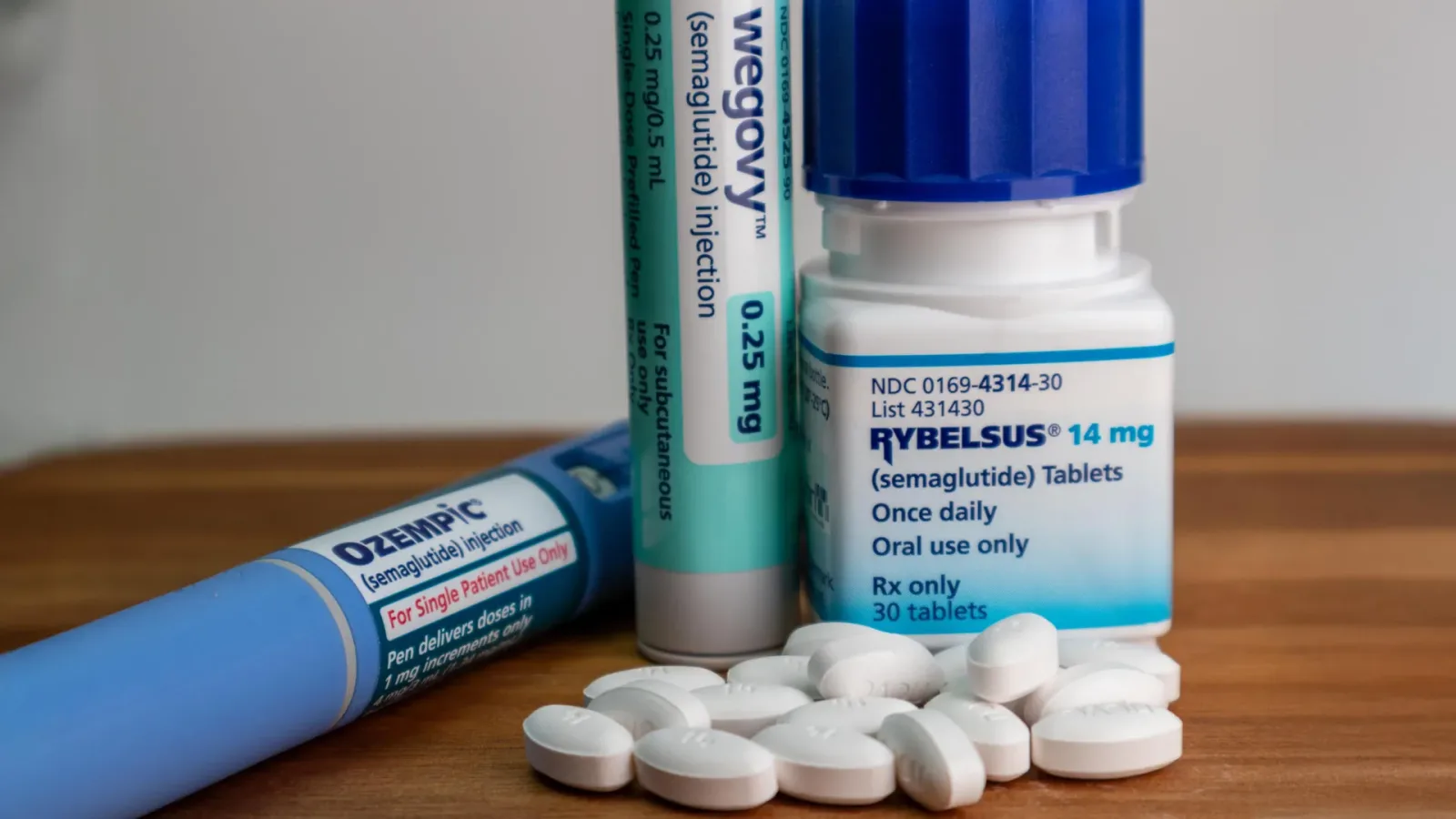
The study identified reports of ION linked to several GLP-1 medications, including Ozempic (semaglutide for type 2 diabetes), Wegovy (semaglutide for obesity), Rybelsus (oral semaglutide), Mounjaro (tirzepatide for type 2 diabetes), and Zepbound (tirzepatide for obesity). While the overall number of reports for Ozempic was higher due to its longer availability, Wegovy demonstrated the strongest statistical signal for an association with ION.
Key Findings from the Study:
- Wegovy's Strongest Signal: Despite fewer total reports compared to Ozempic, Wegovy showed a significantly higher likelihood of being associated with ION. The odds were estimated to be nearly 75 times higher than expected for Wegovy, compared to nearly 19 times for Ozempic and 21 times for generic semaglutide products.
- No Signal for Oral Semaglutide: Notably, no cases of ION were reported for Rybelsus, the oral tablet formulation of semaglutide.
- Gender Differences: The study revealed distinct patterns between men and women. Men using Wegovy exhibited the highest overall signal for ION, with odds 116 times higher than expected. In contrast, among women, Ozempic showed the strongest association. The odds of ION were also found to be more than three times higher in men than in women across the analyzed GLP-1 medications.
It's important to note that the FAERS database relies on voluntary reporting and does not establish a direct cause-and-effect relationship. The number of reports does not necessarily reflect the true incidence of the condition, and detailed patient information may be limited. However, the strength of the statistical signal warrants further investigation.
Why Might Wegovy Be Different?
The researchers proposed several hypotheses to explain the stronger association observed with Wegovy. One key factor could be the difference in dosing and administration. Injectable GLP-1 medications generally have a faster onset of action than oral forms. Wegovy is also prescribed at higher doses for weight loss compared to Ozempic's typical dosage for diabetes management. The authors suggested that these higher doses of Wegovy might contribute to ION risk through mechanisms such as sudden drops in blood pressure, significant fluid loss, or instability in the autonomic nervous system, all of which can impact blood flow to the optic nerve.
Conversely, the limited absorption and slower uptake of oral Rybelsus might explain the absence of a detectable signal for ION. The researchers also acknowledged that increased media attention surrounding Wegovy could potentially lead to more frequent reporting of side effects, which might influence the study's findings.
Implications for Prescribing and Patient Monitoring
The findings of this study, while preliminary, highlight a potential formulation- and dose-dependent risk for ION associated with semaglutide drugs. This underscores the importance of a comprehensive understanding of the benefits and risks of these medications as their use continues to expand globally.
Precision tracking for your journey
Join thousands using Shotlee to accurately track GLP-1 medications and side effects.
📱 Get the Shotlee App
Track your GLP-1 medications, peptides, and health metrics on the go with our mobile app!
The researchers emphasized that these findings warrant urgent prospective evaluation to inform prescribing practices and regulatory policies. Eye specialists and researchers agree that this emerging body of literature on ocular complications with anti-obesity medications requires further scrutiny and clarification.
Risk vs. Benefit: A Crucial Consideration
The growing popularity of GLP-1 medications is driven by their significant benefits, not only for weight management and diabetes but also for potential reductions in cardiovascular disease, stroke, and dementia risk. However, these potential benefits must be carefully weighed against the possibility of rare but serious adverse events like ION.
For individuals prescribed Wegovy or other GLP-1 medications, open communication with their healthcare provider is paramount. Discussing personal risk factors for vascular or eye conditions is essential. While the risk of ION appears to be rare, patients should be vigilant for any sudden changes in vision, such as blurred vision, blind spots, or sudden vision loss, and seek immediate medical attention if these occur.
Using a health tracking tool like Shotlee can be invaluable in this context. By meticulously logging medication doses, any experienced side effects, and general health metrics, patients can provide their doctors with detailed and accurate information. This data can help identify patterns, assess individual responses to treatment, and contribute to a more personalized approach to care, ensuring that potential safety concerns are addressed proactively.
The Expanding Role of GLP-1s and Future Research
The global prevalence of obesity and related health conditions continues to rise, driving the demand for effective treatments. GLP-1 receptor agonists are at the forefront of this therapeutic revolution, with ongoing research exploring their potential benefits for a wider range of conditions, including certain eye diseases like age-related macular degeneration and uveitis. However, as the applications of these drugs broaden, so does the imperative for rigorous safety monitoring.
The debate around the use of anti-obesity drugs in adolescents, for example, highlights the need for long-term data and careful risk-benefit assessments, particularly concerning potential late-onset complications.
Ultimately, the goal is to harness the transformative potential of GLP-1 medications while ensuring patient safety. Continued research, transparent reporting of adverse events, and a collaborative approach between patients, clinicians, and researchers are essential to navigate this evolving therapeutic landscape responsibly.
Practical Takeaways
- Stay Informed: Understand that while GLP-1 medications are highly effective, they carry potential risks, including rare but serious ones like ION.
- Communicate with Your Doctor: Discuss your medical history, especially any pre-existing eye conditions or vascular issues, with your healthcare provider before starting or while on GLP-1 therapy.
- Report Symptoms Promptly: Be aware of the signs of ION (sudden vision changes) and seek immediate medical attention if they occur.
- Utilize Health Tracking Tools: Consider using tools like Shotlee to log your medication, doses, and any symptoms, providing valuable data for your doctor.
Conclusion
The recent study linking Wegovy to a potentially higher risk of ischemic optic neuropathy is a significant development in understanding the safety profile of GLP-1 receptor agonists. While the condition is rare and the study is based on observational data, it underscores the need for continued vigilance, thorough research, and open dialogue between patients and healthcare providers. As these medications become more integrated into mainstream treatment for obesity and diabetes, a balanced approach that prioritizes both efficacy and safety will be crucial for optimizing patient outcomes.