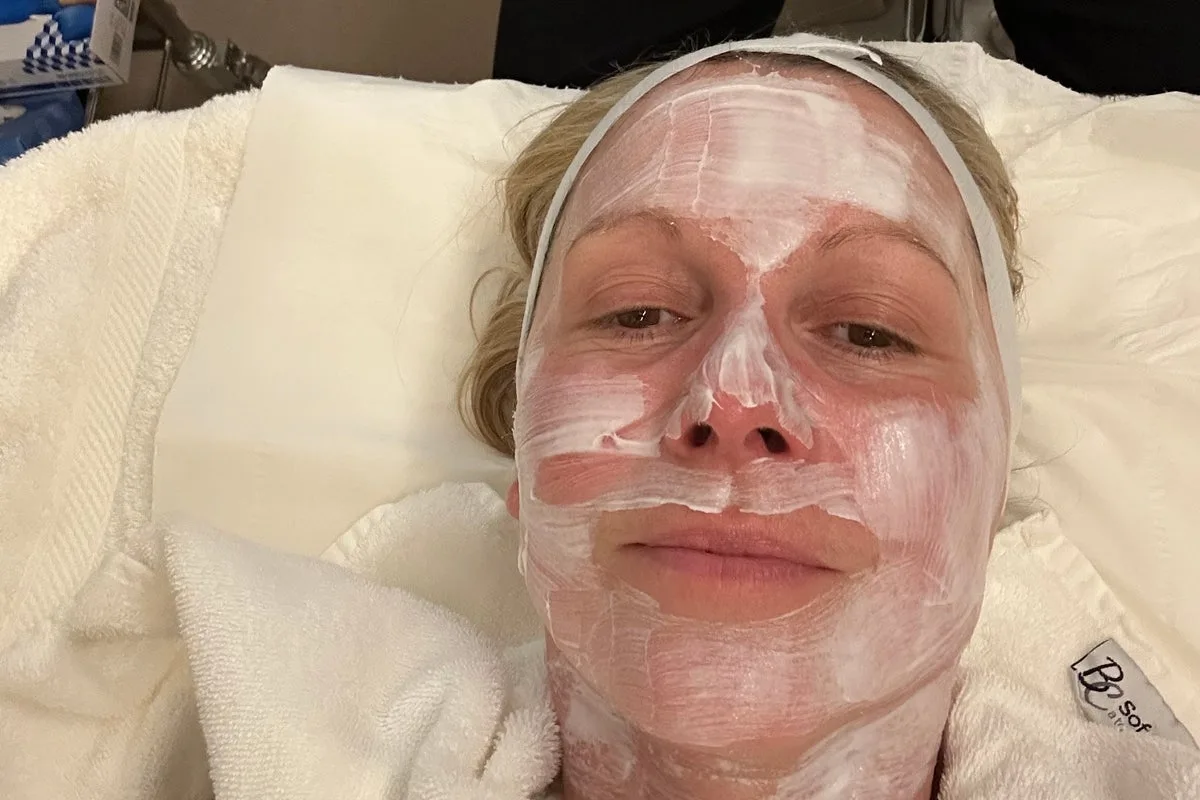

Peptides are experiencing a surge in popularity, with individuals from all walks of life, including celebrities, influencers, and everyday users, openly sharing their experiences and integrating them into their wellness routines. Social media buzz highlights claims of enhanced muscle building, accelerated injury healing, anti-aging effects, and even the achievement of a sun-kissed complexion without UV exposure. However, amidst this growing enthusiasm, some medical professionals express concern that the hype may be outpacing the scientific evidence.
“The claims really are almost like superhero-like, right?” observes Dr. Michele Arthurs, a lifestyle medicine physician at Kaiser Permanente. “They're marketed in a way that leads us into a seductive pathway of, 'This is going to work for me no matter what and I will have these results.' And it's a powerful message. It’s really hard from a physician's standpoint to undo that.”
Understanding Peptides and Their Growing Appeal
Peptides are essentially short chains of amino acids, the building blocks of proteins. These molecules act as crucial biological messengers, transmitting instructions to cells and tissues involved in a wide array of bodily functions, including metabolism, tissue repair, hormone regulation, and immune responses. They can be synthesized in laboratories and administered through various methods, most commonly injection.
It's important to distinguish between different types of peptides. Some, like the GLP-1 medications semaglutide (found in Ozempic and Wegovy) and tirzepatide (found in Mounjaro and Zepbound), have undergone extensive, rigorous clinical testing and have received FDA approval for specific medical uses. These approved peptides have established safety profiles and efficacy data.
However, the vast majority of peptides being promoted and sold online are not FDA-approved. They are often marketed under the guise of "research purposes only," a designation that allows them to bypass the stringent regulatory oversight applied to human therapeutics. This lack of approval means their safety, efficacy, and purity have not been independently verified by regulatory bodies.
The appeal of these unapproved peptides is undeniable for many users. Health and Human Services Secretary Robert F. Kennedy Jr. has publicly shared his positive experiences, stating, "I've used them myself and used them with really good effect." This sentiment reflects a broader trend where individuals seek novel solutions to enhance their physical appearance and well-being.
Concerns Over Quality and Safety in the Unregulated Market
The unregulated nature of the online peptide market raises significant safety concerns. Dr. Arthurs describes the current landscape as a "Wild, Wild West," emphasizing the uncertainty surrounding product content and efficacy. "We don't know that they really can do what they say they can do. We don't truly know what's on that ingredient list," she explains.
Without rigorous testing and oversight, users risk unknown consequences. These could include adverse reactions, unintended interactions with existing medications, and potential long-term health effects that are not yet understood. "And we also just don't know long-term what this can mean, whether or not it's going to harm us 10 years down the road,” Dr. Arthurs adds.
Precision tracking for your journey
Join thousands using Shotlee to accurately track GLP-1 medications and side effects.
📱 Get the Shotlee App
Track your GLP-1 medications, peptides, and health metrics on the go with our mobile app!
The Biden administration has previously tightened restrictions on certain peptides due to safety concerns. However, Secretary Kennedy has argued that such restrictions inadvertently push consumers toward the unregulated "gray market" in search of treatments they cannot access through conventional channels.
The Role of Independent Testing Labs
The critical need for transparency and quality control in the peptide market is highlighted by the work of labs like BioTools. Rina Dukor, co-founder of BioTools, a company with years of experience testing pharmaceutical products for drug companies and federal agencies, poses a crucial question: “How can you inject something without understanding what is in this vial?”
Through initiatives like Finnrick, consumers can submit their peptide vials for independent analysis to determine their actual contents. The findings from these analyses are sobering. Dukor reports that nearly 30% of the peptide samples tested were found to be mislabeled, underdosed, overdosed, or contaminated with toxins or bacteria. "Among the thousands of tests we are doing, we do find either live or dead bacteria in a lot of the vials,” Dukor states. “That could lead to hospitalizations.” Such contamination poses a direct threat of infection and serious health complications.
The FDA's Regulatory Path Forward
The U.S. Food and Drug Administration (FDA) is actively evaluating the landscape of peptide use. Recently, career scientists at the FDA outlined potential safety concerns and the lack of consistent data surrounding many peptide products. This scrutiny comes as an FDA advisory panel, composed of outside experts some of whom have ties to the peptide industry, convened to discuss seven specific peptides. These peptides are being considered for various uses, including weight loss, insomnia, and wound healing.
The panel's role is to make recommendations regarding whether these peptides should be added to the list of substances that compounding pharmacies can safely produce. While the FDA makes the final decision, it typically gives significant weight to its panel's recommendations. The prospect of easing restrictions on these substances, especially without comprehensive safety and efficacy data, is a point of concern for many medical professionals.
Doctors emphasize that relaxing regulations without adequate testing could expose the public to significant, unforeseen risks. "People should at least know that they're exposing themselves to a lot of unknown risks, most likely unintended consequences, and you know, years later we will look back on some of these peptides and wish we had that forethought to say: maybe not,” one physician commented.
| Aspect | Current Status | Potential Future |
|---|---|---|
| FDA-Approved Peptides | Undergo rigorous testing, have established safety and efficacy profiles (e.g., Ozempic, Wegovy, Mounjaro, Zepbound). | Continue to be regulated for approved indications. |
| Unapproved Online Peptides | Often sold for "research purposes," lack oversight, and may have quality control issues. | Potential for eased restrictions on some, leading to increased accessibility but continued safety concerns if not adequately regulated. |
| Quality Control Issues | Lab tests reveal up to 30% of vials are mislabeled, under/overdosed, or contaminated. | Independent testing and stricter manufacturing standards are crucial for ensuring product safety. |
| FDA Panel Recommendation | Meeting to advise on the production of specific peptides by compounding pharmacies. | Recommendations will inform FDA's final decision on regulatory pathways. |
Practical Takeaways for Consumers
Given the evolving landscape and the documented quality concerns, consumers considering peptide use should proceed with extreme caution. Understanding the difference between FDA-approved medications and unregulated compounds is paramount. If you are tracking your health journey, including any peptide use, using tools like the Shotlee app can help you meticulously record doses, monitor potential side effects, and maintain a clear overview of your health data, which can be invaluable when discussing treatments with your healthcare provider.
- Prioritize FDA-Approved Options: For established medical needs, always opt for FDA-approved medications prescribed by a qualified healthcare professional.
- Be Skeptical of Online Claims: Critically evaluate marketing for unapproved peptides, especially those promising "miracle" results.
- Understand the Risks: Recognize that unapproved peptides carry unknown risks, including contamination and incorrect dosing.
- Consult Healthcare Professionals: Discuss any interest in peptide therapy with your doctor to understand potential benefits, risks, and safer alternatives.
- Consider Independent Testing: If using peptides from unregulated sources, be aware of the risks and consider independent laboratory testing for quality assurance, though this does not negate the inherent risks of unapproved substances.
Conclusion
The popularity of peptides underscores a desire for advanced health and wellness solutions. However, the current market is fraught with challenges, particularly concerning the quality and safety of unapproved products. As the FDA navigates the complex decision of potentially easing restrictions, it is essential for consumers to be well-informed and prioritize safety. The findings from independent labs serve as a stark reminder of the potential dangers lurking in the unregulated peptide market, emphasizing the need for robust oversight and consumer awareness.