
The landscape of type 2 diabetes treatment is undergoing a profound transformation, moving far beyond simple glucose management. At the forefront of this shift are Glucagon-Like Peptide-1 (GLP-1) receptor agonists, a class of medications that are not only redefining diabetes care but also emerging as pivotal players in broader cardiometabolic disease management. This evolution is fueling unprecedented market growth, projecting a significant expansion from approximately $49.28 billion in 2025 to a projected $95.36 billion by 2032, with a robust compound annual growth rate (CAGR) of 9.89%.
This surge in value underscores a fundamental change: GLP-1 therapies are transitioning from a specialized prescription to a strategic metabolic care platform. Factors such as increasing physician confidence, heightened patient awareness, advancements in drug formulations (including convenient once-weekly injectables and oral options), and intense competition among major pharmaceutical players are converging to make this category a global growth engine. As healthcare systems grapple with the escalating burden of type 2 diabetes and its associated complications, GLP-1 agonists offer a more comprehensive approach than traditional diabetes medications, aligning perfectly with modern chronic care models.
The Shifting Paradigm in Diabetes Treatment
The rising adoption of GLP-1 receptor agonists is directly linked to evolving treatment priorities in type 2 diabetes. Healthcare providers are increasingly prioritizing long-term patient outcomes, the reduction of chronic complication risks, and the enhancement of overall quality of life, rather than solely focusing on short-term glycemic control. The development of more convenient administration routes, such as once-weekly injectable formulations and accessible oral options, has been instrumental in expanding the eligible patient base and improving adherence rates.
However, challenges persist. The cost of these advanced therapies remains a significant barrier, particularly in cost-sensitive healthcare systems, impacting patient access. Furthermore, the rapid adoption of GLP-1 agonists places considerable pressure on pharmaceutical budgets, prompting close scrutiny from governments and payers. Consequently, market access strategies, formulary positioning, and the generation of real-world outcome evidence are becoming critical for manufacturers navigating this complex pricing and reimbursement environment.
Key Molecules Driving Market Dynamics
The GLP-1 market is characterized by the dominance of specific molecules, each carving out significant market share and influencing competitive dynamics. Understanding these key players is crucial to grasping the current and future trajectory of metabolic care.
Semaglutide: The Established Leader
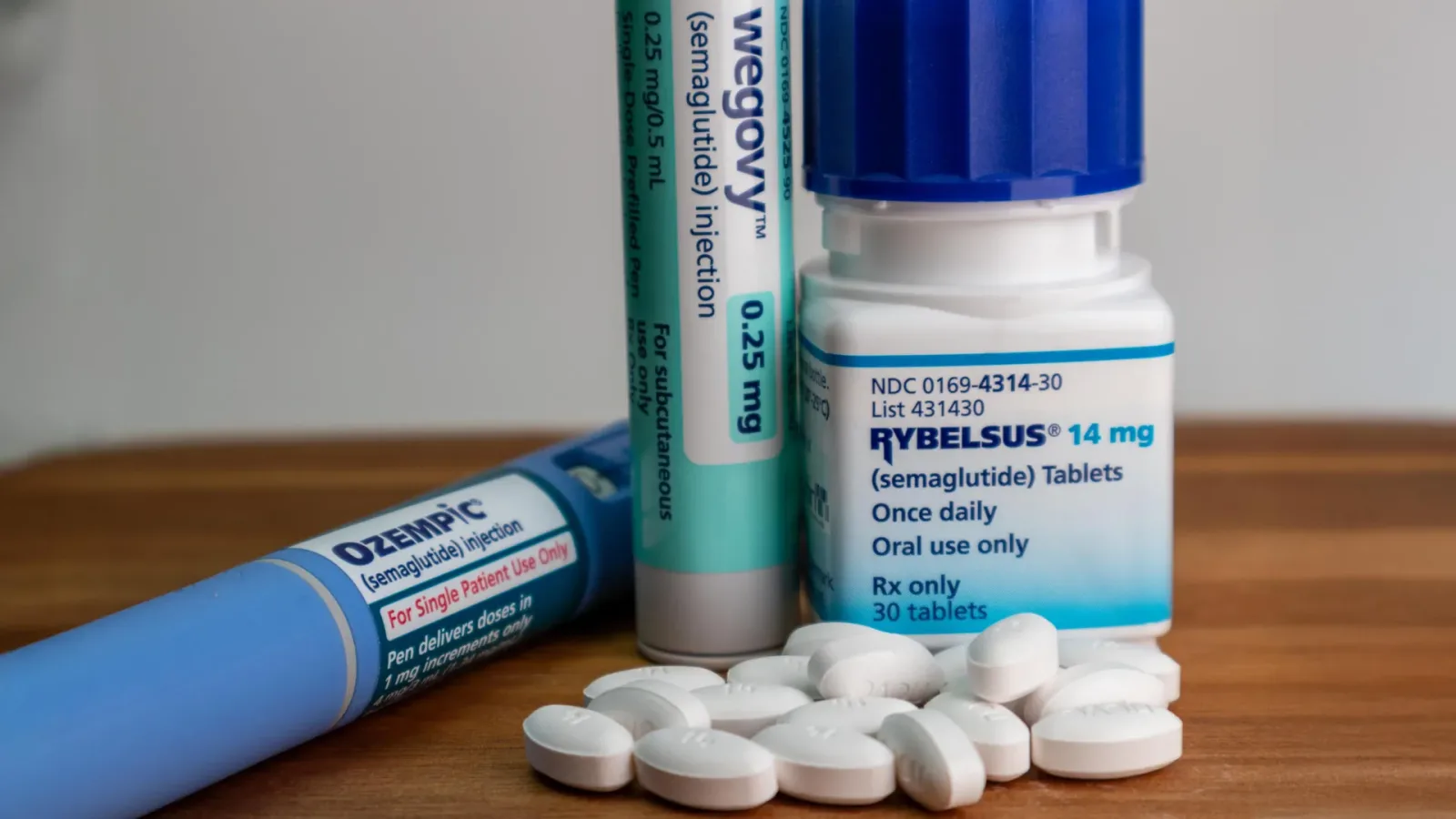
Semaglutide-based therapies currently dominate the GLP-1 market. In 2025, they generated an estimated $25.62 billion, representing 51.99% of total market revenue. Projections indicate this segment will reach $43.95 billion by 2032. This leadership is attributed to its strong clinical efficacy, established brand recognition, widespread physician familiarity, and the availability of both injectable and oral formulations. The rapid consolidation of prescriber behavior around semaglutide highlights the power of aligning efficacy, patient awareness, and effective commercial execution.
Tirzepatide: The Disruptive Innovator
Tirzepatide-based therapies are emerging as the fastest-growing segment within the GLP-1 market. Generating $15.18 billion in 2025 (30.80% of market revenue), this segment is expected to surge to $34.62 billion by 2032. Tirzepatide is actively reshaping the competitive landscape by introducing next-generation metabolic therapies with enhanced clinical value. Its rapid growth signals a market that is not just expanding but actively shifting towards agents offering differentiated and superior outcomes.
Established and Emerging Players
Other molecules, such as dulaglutide and liraglutide, continue to hold relevance, reflecting their established presence and ongoing utility in diabetes treatment. Dulaglutide-based therapies generated $4.28 billion in 2025, while liraglutide-based therapies accounted for $2.11 billion. While these older formulations maintain a foothold, they face increasing pressure from newer, higher-growth molecules that offer enhanced clinical positioning, improved adherence, and broader cardiometabolic benefits.
| Molecule Type | 2025 Revenue (USD Billion) | 2025 Market Share (%) | 2032 Projected Revenue (USD Billion) |
|---|---|---|---|
| Semaglutide | 25.62 | 51.99% | 43.95 |
| Tirzepatide | 15.18 | 30.80% | 34.62 |
| Dulaglutide | 4.28 | 8.67% | N/A* |
| Liraglutide | 2.11 | 4.28% | N/A* |
| Total GLP-1 Market | 49.28 | 100.00% | 95.36 |
*Specific projections for dulaglutide and liraglutide in 2032 were not detailed in the source but are implicitly part of the overall market growth excluding the leading segments.
Administration Routes: Bridging Access and Efficacy
The way GLP-1 therapies are administered plays a critical role in their accessibility and patient acceptance. The market is currently segmented by two primary routes, each with distinct advantages and growth potential.
Injectable Therapies: The Established Backbone
Injectable GLP-1 therapies continue to be the dominant force, accounting for $40.22 billion in 2025, or 81.62% of total market revenue. They are projected to reach $73.84 billion by 2032. Their leadership is firmly rooted in established prescribing habits, proven efficacy, and deep clinical familiarity within diabetes care settings. These injectables form the core revenue base, as physicians and patients are accustomed to their role in structured diabetes management plans.
Oral GLP-1s: The Future of Accessibility
Oral GLP-1 formulations, while representing a smaller but significant portion of the market at $9.06 billion in 2025 (18.38%), are poised for substantial growth, projected to reach $21.52 billion by 2032. Strategically, oral options address one of the most significant hurdles in chronic therapy adoption: patient aversion to injections. By offering a non-invasive treatment choice, oral GLP-1s can unlock wider patient populations and appeal to healthcare systems seeking to improve long-term adherence and therapy persistence.
Distribution Channels and Regional Dynamics
The successful delivery and accessibility of GLP-1 therapies depend on a robust distribution network and strategic regional presence. The market's expansion is influenced by how these medications reach patients and where demand is most concentrated.
Precision tracking for your journey
Join thousands using Shotlee to accurately track GLP-1 medications and side effects.
📱 Get the Shotlee App
Track your GLP-1 medications, peptides, and health metrics on the go with our mobile app!
Retail Pharmacies: The Frontline of Access
Retail pharmacies stand as the leading distribution channel, generating $20.63 billion in 2025 (41.86% of market revenue) and projected to reach $38.11 billion by 2032. This dominance reflects the chronic nature of type 2 diabetes and the essential role of convenient, repeat-access points for sustained therapy. Retail pharmacies are becoming indispensable for bridging prescription generation with patient adherence and long-term therapy continuation.
Other Key Channels
- Hospital and Clinic Channels: These generated $12.98 billion in 2025, driven by physician-led initiation, complex patient management, and specialist involvement.
- Specialty Pharmacies: Accounting for $10.74 billion in 2025, these cater to the higher-touch service needs often associated with complex and premium therapies.
- Online Pharmacies: Contributing $4.93 billion in 2025, this channel highlights the growing importance of digital healthcare access and remote prescription fulfillment in managing chronic diseases.
Regional Market Leadership
North America leads the global market, generating $22.18 billion in 2025 (45.01% of global revenue) and projected to reach $39.31 billion by 2032. Its dominance is fueled by advanced healthcare infrastructure, high therapy adoption rates, a strong commercial presence of leading pharmaceutical companies, and significant patient awareness. The United States remains a central driver due to its research ecosystem, premium drug market, and innovation-driven environment.
Europe generated $11.83 billion in 2025 (24.00% of the global market) and is projected to reach $21.46 billion by 2032. This region benefits from structured treatment pathways, mature healthcare systems, and increasing adoption of advanced diabetes therapies. Key markets include Germany, the United Kingdom, and France, though pricing controls and reimbursement management continue to shape commercial strategies.
The Asia-Pacific region accounted for $10.10 billion in 2025 (20.49% of total revenue) and is projected to reach $24.31 billion by 2032. This area is experiencing rapid growth due to rising diabetes prevalence, improving healthcare infrastructure, and expanding awareness of advanced therapies. China, India, and Japan are key markets, though affordability and access remain critical considerations for broader penetration.
Recent Developments Shaping the Future
Several key developments are actively shaping the trajectory of the GLP-1 market and the broader field of metabolic care:
- Expansion of Oral GLP-1 Therapies: These are significantly enhancing market accessibility, providing a crucial alternative for patients who prefer non-injectable treatments and fostering better long-term adherence in type 2 diabetes management.
- Strategic Pharmaceutical Partnerships: Collaborations between pharmaceutical companies are accelerating innovation, focusing on molecule development, advanced formulation technologies, expanded distribution networks, and global commercialization efforts.
- Evolving Pricing Regulations: Governments are implementing pricing regulations to manage healthcare costs, making robust reimbursement strategies and affordability planning paramount as GLP-1 therapies scale across major global markets.
- Increased R&D Investment: A surge in investment is supporting the development of new products, competitive pipeline activities for next-generation GLP-1s, dual and triple agonists, and further innovation in oral formulations.
Company Profiles: Leaders in Metabolic Innovation
The GLP-1 market is characterized by strong competition, with several pharmaceutical giants leading the charge in innovation and market penetration. For individuals managing their health, understanding these key players can provide context for the therapies available.
Novo Nordisk
Novo Nordisk holds a dominant position, anchored by its extensive semaglutide-based therapy portfolio and its long-standing leadership in diabetes care. The company's strength lies in its clinical credibility, global commercialization capabilities, strong brand recognition, and continuous innovation across both injectable and oral GLP-1 formats. Its leadership in the semaglutide segment, which represented over half of the market revenue in 2025, positions it as a benchmark for innovation, access, and category expansion.
Eli Lilly and Company
Eli Lilly and Company is a formidable challenger, driven by the significant growth of its tirzepatide-based therapies. As a key player in the market's most disruptive growth segment, Eli Lilly is redefining expectations around efficacy, metabolic outcomes, and next-generation therapy design. The company is well-positioned to compete aggressively and expand the commercial relevance of tirzepatide for broader cardiometabolic health.
Sanofi and AstraZeneca
Sanofi maintains relevance through its broad diabetes portfolio, therapeutic experience, and focus on strategic partnerships. While the market is concentrated, Sanofi's established presence offers opportunities in treatment ecosystems where payer access and provider relationships are key. AstraZeneca leverages its expertise in cardiovascular and metabolic diseases, a critical advantage as GLP-1 therapies increasingly focus on broader cardiometabolic outcomes beyond glucose control. Their strategic role is strongest where diabetes care intersects with cardiovascular disease management and integrated care pathways.
Practical Takeaways for Patients and Healthcare Providers
The evolving GLP-1 market offers significant opportunities but also requires careful consideration:
- Embrace Comprehensive Care: GLP-1 therapies are part of a broader metabolic health strategy. Integrating these medications with diet, exercise, and regular health tracking (using tools like Shotlee to monitor doses, symptoms, and progress) is crucial for optimal outcomes.
- Discuss All Options: Patient and provider conversations should explore the benefits and drawbacks of different GLP-1 molecules and administration routes (injectable vs. oral) based on individual needs, lifestyle, and treatment goals.
- Understand Cost and Access: Be aware of the cost implications and explore available patient assistance programs or insurance coverage options.
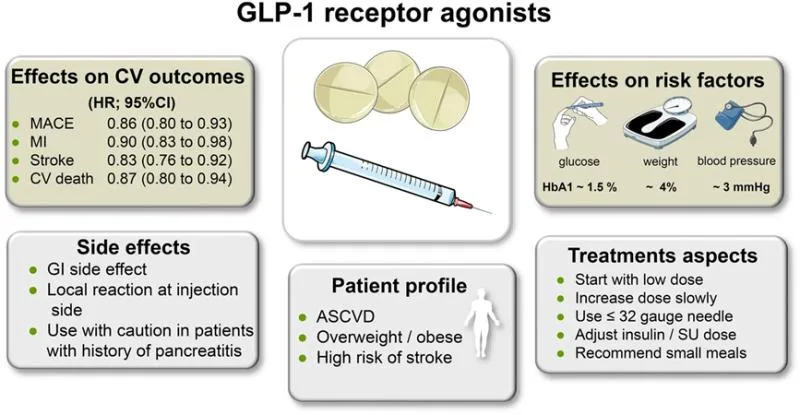
- Focus on Long-Term Benefits: Recognize that these therapies offer benefits beyond glucose control, including weight management and cardiovascular protection, which are vital for long-term health.
Conclusion: A New Era in Metabolic Health
The GLP-1 receptor agonist market is undeniably entering a phase of high-value expansion, driven by clinical differentiation, intense competition, evolving reimbursement landscapes, and relentless innovation. The projected growth from $49.28 billion in 2025 to $95.36 billion by 2032 signifies that GLP-1 therapies have transcended their role as mere diabetes drugs. They are now a fundamental pillar of modern metabolic disease management.
With semaglutide leading the revenue generation and tirzepatide driving competitive pressure, alongside the increasing accessibility of oral formulations, the market is dynamic and promising. Retail pharmacies, specialty providers, hospitals, and online platforms will all play vital roles in the ongoing commercialization. The companies that will lead this transformation will be those that can seamlessly integrate clinical excellence, patient convenience, payer acceptance, manufacturing reliability, and global reach. As GLP-1 receptor agonists continue to reshape the treatment of type 2 diabetes and cardiometabolic health, this market is set to remain one of the most significant and closely watched opportunities in the pharmaceutical sector through 2032.