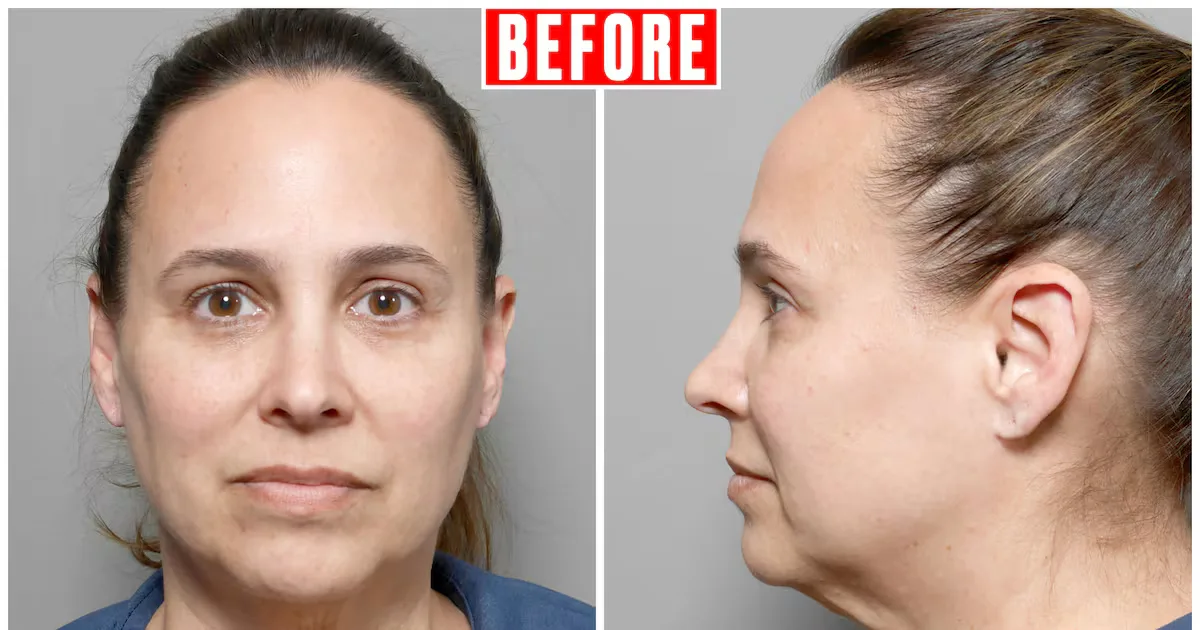

Meghan Trainor's 'Ozempic Face' in Side-by-Side Pics: Dramatic Changes
Ozempic face has become a buzzword in discussions about GLP-1 weight-loss medications, and Meghan Trainor's recent transformation puts it on full display. Side-by-side photos of the "All About That Bass" singer from 2014 and 2025 reveal a more defined jawline, thanks to reduced fullness around her cheeks and neck. Although she looks stunning in both images—at age 31 in the 2025 snap—the post-weight-loss photo shows subtle signs of aging, sparking widespread online discourse on weight-loss drugs and the body positivity movement.
What Is 'Ozempic Face' and Why Does It Happen?
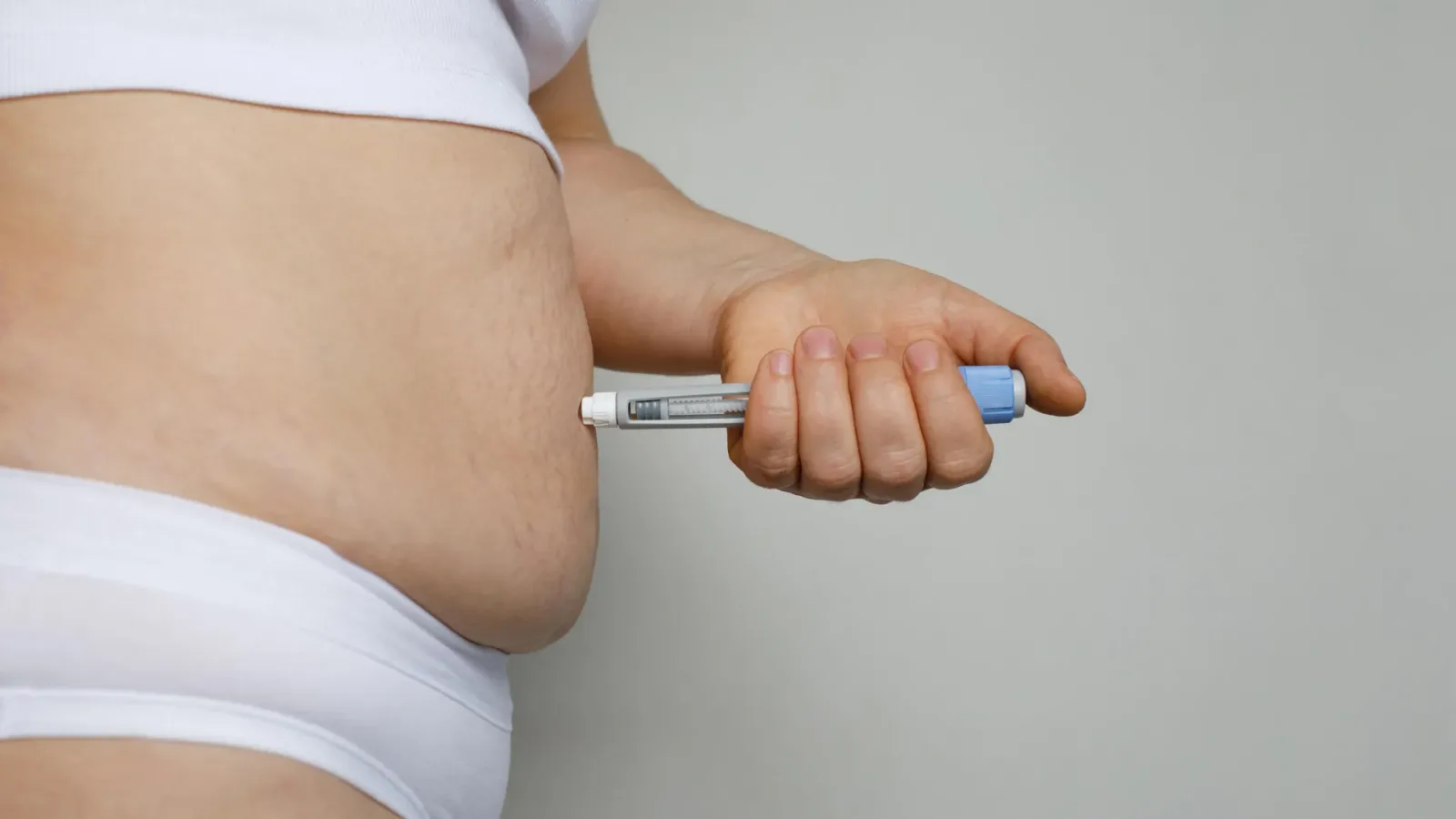
The term "Ozempic face" refers to facial changes associated with rapid weight loss from GLP-1 receptor agonists like Ozempic (semaglutide) or Mounjaro (tirzepatide). These drugs mimic hormones that regulate blood sugar and appetite, leading to significant fat reduction—including subcutaneous fat under the skin.
In a chat with the Cleveland Clinic, endocrinologist Vinni Makin, M.D., explained that weight-loss drugs can make users appear more aged. "Losing subcutaneous fat—the fat below one's skin—is a natural part of aging; still, Dr. Makin added, 'But rapid weight loss can cause these processes to occur more rapidly, which can mimic the natural aging process.'" Dr. Makin also detailed tell-tale signs of "Ozempic face," saying, "It's characterized by gauntness, sunken cheeks, new wrinkles and loose skin on the face and neck."
"Rapid weight loss can cause these processes to occur more rapidly, which can mimic the natural aging process."
— Vinni Makin, M.D., Endocrinologist, Cleveland Clinic
How GLP-1 Medications Like Mounjaro Work
GLP-1 drugs such as Mounjaro (tirzepatide, a dual GLP-1/GIP agonist) and Ozempic slow gastric emptying, reduce appetite, and improve insulin sensitivity. This often results in 15-20% body weight loss over months, but facial fat—comprising just 2-5% of total fat—is disproportionately affected due to its superficial location. Unlike gradual diet-based loss, the speed amplifies sagging and volume depletion.
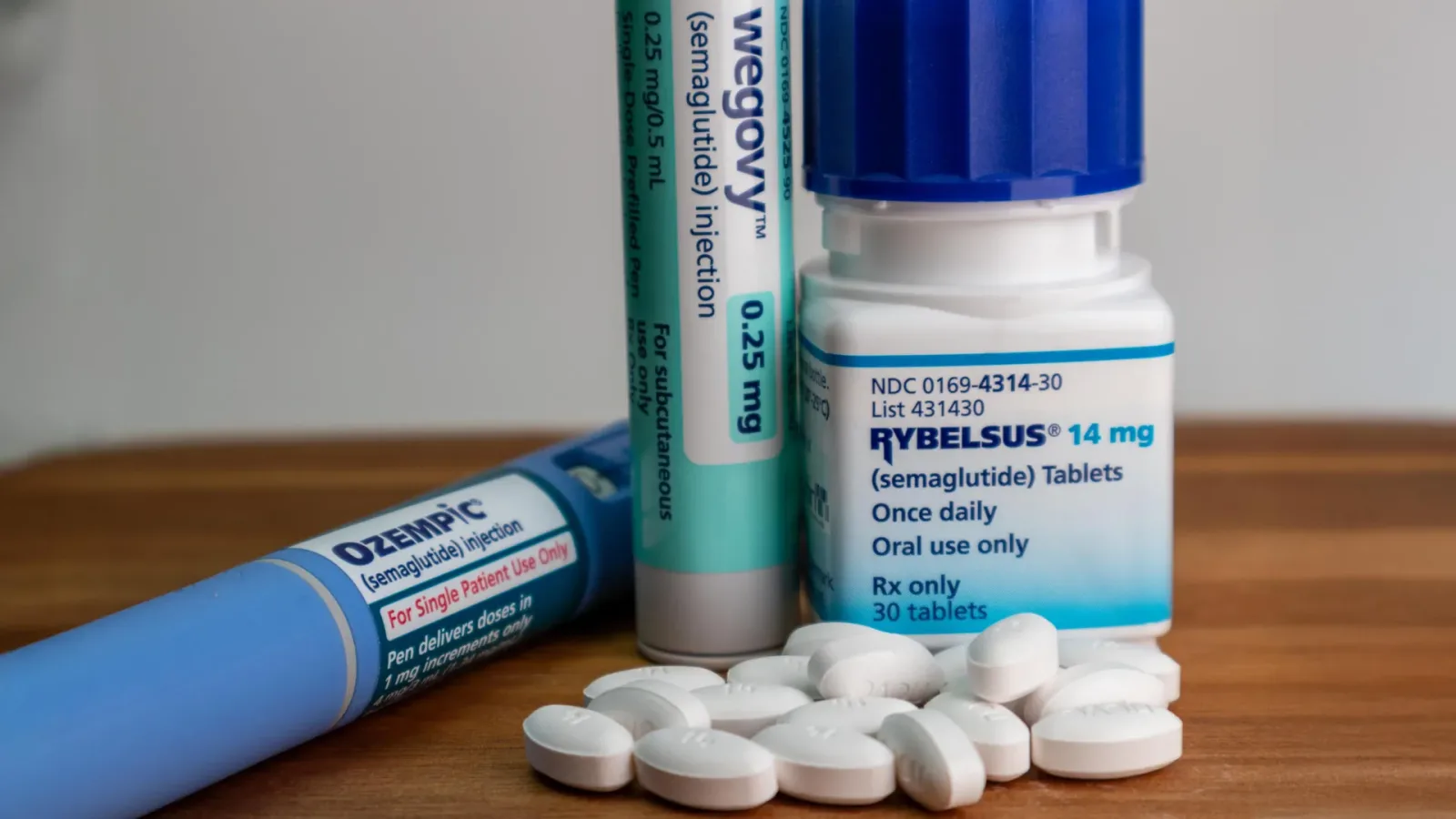
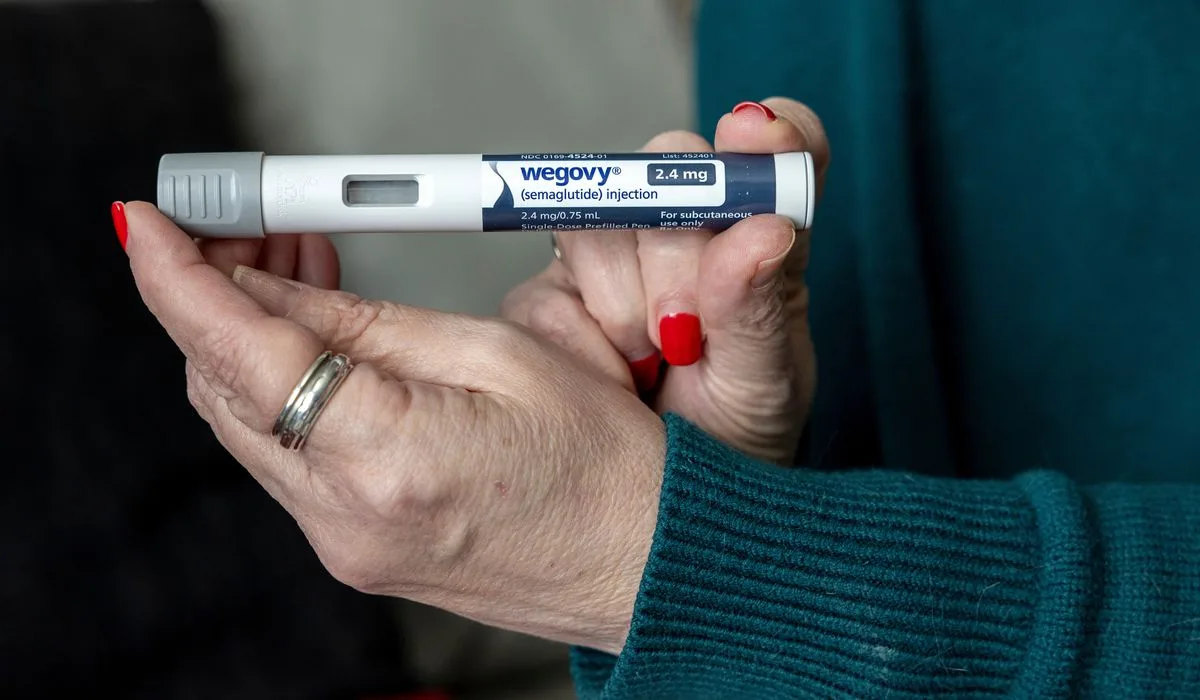
- Semaglutide (Ozempic/Wegovy): Primarily GLP-1, weekly injections starting at 0.25 mg.
- Tirzepatide (Mounjaro/Zepbound): Dual action, potentially more effective for weight loss (up to 22.5% in trials).
Meghan Trainor's Weight-Loss Journey and Mounjaro Confirmation
Meghan Trainor, long a champion of body positivity, shared her transformation openly. In a March 2025 Instagram post, she confirmed Mounjaro aided her changes, posting the now-viral side-by-side images. The 2025 photo captures her slimmer silhouette, but critics focused on the facial shifts: less cheek fullness, a sharper jawline, and hints of neck laxity.
Trainor's honesty stood out in a celebrity world wary of weight-loss drug admissions. However, it drew backlash. Social media users accused her of hypocrisy, slamming the "Mother" singer for using medication after years advocating self-love regardless of size. The negativity reportedly affected her deeply, despite her efforts to respond positively.
Body Positivity vs. Medication: The Ongoing Debate
Trainor's story highlights tensions between personal health choices and movement ideals. Body positivity emerged to counter fat-shaming, emphasizing worth beyond appearance. Yet, GLP-1 drugs offer metabolic benefits like better glucose control and reduced cardiovascular risk for eligible patients (e.g., BMI ≥30 or ≥27 with comorbidities). Trainor's experience underscores that weight loss doesn't negate self-acceptance—it's about health autonomy.
Precision tracking for your journey
Join thousands using Shotlee to accurately track GLP-1 medications and side effects.
📱 Get the Shotlee App
Track your GLP-1 medications, peptides, and health metrics on the go with our mobile app!
Comparing Ozempic Face Risks Across GLP-1 Drugs
Ozempic vs. Mounjaro: Similar Mechanisms, Varied Experiences
Both drugs cause facial fat loss, but tirzepatide's potency may accelerate it. Clinical data shows:
- Higher doses correlate with more pronounced effects.
- Women, with higher facial fat percentages, report it more.
- No direct head-to-head studies on aesthetics, but anecdotal reports align.
Alternatives like oral semaglutide (Rybelsus) or older peptides may pose lower risks due to slower titration, but efficacy varies.
Managing and Mitigating Ozempic Face
Practical Strategies for Patients
If considering GLP-1 therapy, discuss facial changes with your doctor. Strategies include:
- Slow titration: Start low to minimize rapid loss.
- Strength training: Builds muscle to support skin.
- Skincare: Retinoids, hyaluronic acid, and collagen boosters for elasticity.
- Fillers/Botox: Dermatologist options for volume restoration post-loss.
- Monitoring: Apps like Shotlee can help track side effects, symptoms, or injection schedules for better management.
Consult providers for personalized plans, especially if over 40 or with prior skin laxity.
Safety Profile of GLP-1 Drugs
Beyond aesthetics, common side effects include nausea, GI issues (20-40% of users), and rare pancreatitis. Facial aging is cosmetic, not health-threatening, but monitor for nutrient deficiencies from reduced intake. Long-term data (e.g., SELECT trial for semaglutide) shows cardiovascular benefits outweigh risks for many.
Key Takeaways: What This Means for Patients
- Meghan Trainor's side-by-side pics exemplify 'Ozempic face': gauntness, sunken cheeks, wrinkles, loose skin from rapid subcutaneous fat loss.
- Dr. Vinni Makin confirms it mimics accelerated aging via GLP-1 drugs like Mounjaro.
- Balance body positivity with health goals; open discussions reduce stigma.
- Mitigate with lifestyle tweaks and professional guidance.
- Who should consider: Those with obesity-related conditions; always under medical supervision.
Conclusion: Informed Choices Amid the Hype
Meghan Trainor's 'Ozempic face' journey, preserved in those compelling 2014-2025 photos, reminds us of GLP-1 medications' power—and nuances. While transformative, rapid weight loss demands awareness of cosmetic shifts. Speak with your endocrinologist about risks, benefits, and strategies. For metabolic health content, explore related topics like GLP-1 cardiovascular outcomes or peptide alternatives. Prioritize sustainable health over trends.