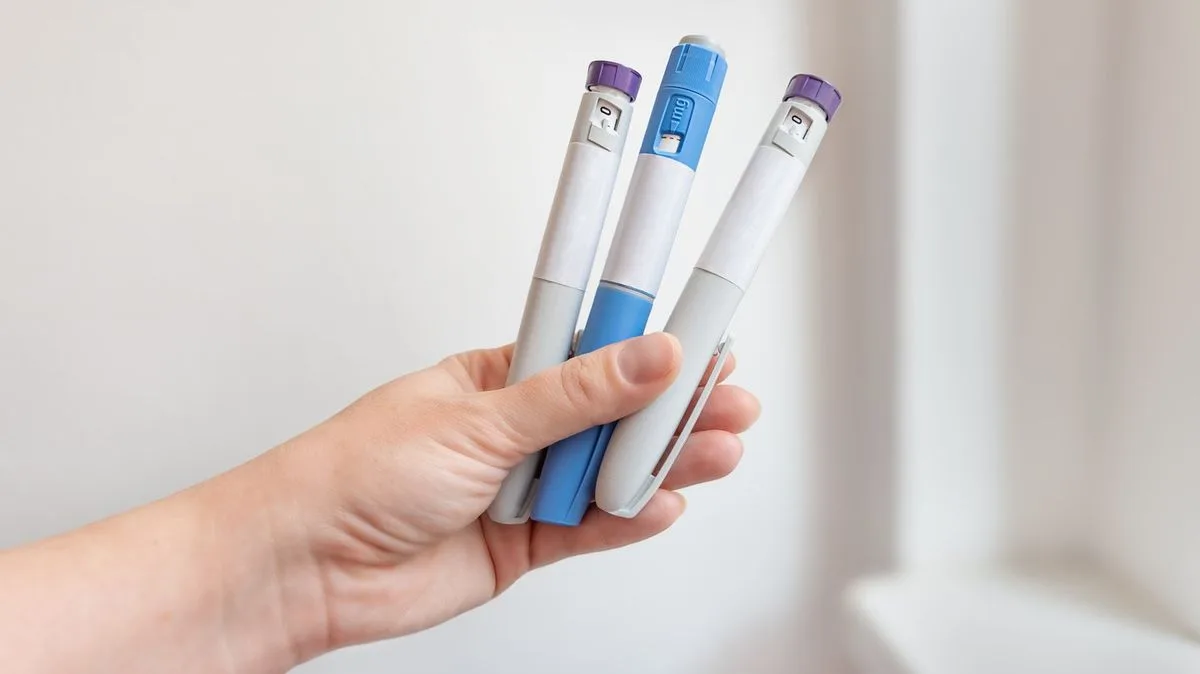

In recent years, Glucagon-Like Peptide-1 (GLP-1) receptor agonists have transitioned from specialized diabetes management tools to a prominent feature in mainstream wellness conversations. Medications like semaglutide (found in Ozempic and Wegovy) and tirzepatide (found in Mounjaro and Zepbound) are now widely discussed, prompting a crucial question many are contemplating: Are these powerful medications being used out of genuine medical necessity, or are they becoming a tool for aesthetic enhancement and personal preference?
The conversation around using GLP-1s off-label for weight loss often carries an undercurrent of discretion, perhaps even a touch of social awkwardness. While many individuals have experienced significant weight reduction, the direct attribution to these medications is frequently understated. This trend also brings to the forefront a concerning aesthetic question: Are we inadvertently returning to the idealized, ultra-thin body types reminiscent of the "heroin chic" era of the 1990s, championed by models like Kate Moss? Furthermore, we must consider the historical context of that era, which unfortunately saw many, particularly young girls and women, develop disordered eating patterns. Today, it appears we are entering a phase where extreme thinness is not only celebrated but actively pursued with medical assistance. This raises a vital point for consideration: Should we be concerned, or are these truly miracle drugs offering unprecedented solutions?
The Established Medical Benefits of GLP-1s
There are numerous, well-documented medical reasons why GLP-1 medications are invaluable. For individuals managing obesity, these drugs can represent a significant breakthrough, offering a level of control and efficacy previously unattainable. Beyond weight management, patients diagnosed with type 2 diabetes, prediabetes, elevated glucose levels, and non-alcoholic fatty liver disease (NAFLD) are experiencing profound improvements in their health. One of the most critical observed benefits is the enhanced insulin sensitivity these medications provide, which is fundamental for supporting overall metabolic health and hormonal balance.
Impact on Metabolic and Hormonal Health
For women navigating perimenopause, the improvement in insulin sensitivity offered by GLP-1s has led to a noticeable reduction in symptoms they might not have previously associated with metabolic dysfunction. In some instances, this metabolic recalibration has even been linked to unexpected pregnancies in women in their late 30s and early 40s, a phenomenon sometimes referred to as "Ozempic babies." While GLP-1 medications are not a substitute for traditional hormone replacement therapy, some women report that by addressing underlying metabolic health issues, they experience a significant alleviation of symptoms they had assumed were purely hormonal in origin. This underscores the critical importance of a comprehensive health assessment and close collaboration with a medical professional to tailor treatment plans to individual needs. Our bodies are unique, and our therapeutic approaches should reflect this individuality.
Cardiovascular Advantages
Another significant benefit gaining considerable attention is the growing body of evidence supporting the positive impact of GLP-1 medications on cardiovascular health, even in individuals who do not have diabetes. These cardiovascular advantages are most pronounced in patients who still meet the medical criteria for overweight or obesity, but their existence represents a crucial advancement in managing cardiometabolic risk factors.
The Shifting Landscape: From Niche Treatment to Mainstream Phenomenon
GLP-1 agonists are rapidly becoming one of the fastest-growing drug classes in modern medicine, with tens of millions of people worldwide now using them. What began as a targeted treatment for specific medical conditions has evolved into widespread use, including by individuals who may not be clinically unwell but are seeking to manage or prevent weight gain. This shift signifies that we are no longer discussing a niche medical therapy; we are witnessing a broad societal adoption.
Precision tracking for your journey
Join thousands using Shotlee to accurately track GLP-1 medications and side effects.
📱 Get the Shotlee App
Track your GLP-1 medications, peptides, and health metrics on the go with our mobile app!
Understanding the Risks and Side Effects
While GLP-1 medications are undeniably effective, it's crucial to recognize that they are not inert or without consequence. These drugs fundamentally alter digestion, appetite regulation, metabolism, and even behavior. Consequently, they come with a spectrum of potential side effects, ranging from common gastrointestinal disturbances to more serious complications. The very mechanisms that make them effective—slowing gastric emptying and reducing appetite—are also responsible for many of their adverse effects. These commonly include indigestion, nausea, vomiting, and diarrhea. More serious, though less frequent, concerns can involve gallbladder issues and, in rare instances, pancreatitis. As these medications are relatively new to widespread use, the full scope of their long-term impact is still under investigation. Ongoing research and post-market surveillance are vital for a comprehensive understanding of their safety profile.
Societal and Ethical Considerations
Beyond the individual health implications, the widespread use of GLP-1s raises broader societal and ethical questions. What will be the long-term effect on impressionable young people who are exposed to the societal pressure to achieve extreme thinness, especially when it is medically facilitated? How will these medications influence the many girls and women who are already striving to meet increasingly narrow and often unrealistic beauty standards? These are complex issues that may take decades to fully comprehend and address. The pursuit of thinness, particularly when medically assisted, necessitates a careful examination of our cultural values and the messages we are sending about health, body image, and self-worth.
Practical Takeaways for Navigating GLP-1 Therapy
As individuals explore the potential benefits of GLP-1 medications—whether for weight loss, improved heart health, enhanced insulin sensitivity, or better hormonal balance—it is imperative to maintain a critical and informed perspective. The allure of rapid results should not overshadow the importance of a holistic approach to health and well-being. Here are some practical considerations:
- Consultation is Key: Always discuss GLP-1 therapy with a qualified healthcare provider. They can assess your individual health status, medical history, and determine if these medications are appropriate and safe for you.
- Understand the Mechanisms: Educate yourself on how GLP-1s work, their intended benefits, and their potential side effects. Knowledge empowers informed decision-making.
- Holistic Health Approach: Remember that GLP-1s are tools, not magic bullets. Sustainable health involves a combination of medication (if prescribed), balanced nutrition, regular physical activity, adequate sleep, and stress management.
- Monitor Your Progress: For those on GLP-1 therapy, consistent tracking of weight, symptoms, and any side effects is crucial. Tools like the Shotlee app can help you meticulously record this data, providing valuable insights for you and your healthcare provider.
- Beware of Unrealistic Expectations: Be wary of social media portrayals or anecdotal evidence that suggests effortless and guaranteed results. Individual responses to medication vary significantly.
The journey with GLP-1 medications is multifaceted, presenting both remarkable medical opportunities and significant societal challenges. As we navigate this evolving landscape, the question remains: What might we be overlooking in our pursuit of health and aesthetic ideals? As the adage wisely reminds us, not all that glitters is gold.
| Aspect | Details |
|---|---|
| Primary Indications | Type 2 Diabetes, Obesity, Prediabetes, NAFLD |
| Key Benefits | Weight loss, improved insulin sensitivity, cardiovascular health, blood sugar control |
| Common Side Effects | Nausea, vomiting, diarrhea, indigestion, constipation |
| Serious Risks (Rare) | Pancreatitis, gallbladder issues, thyroid C-cell tumors (in rodents) |
| Long-Term Data | Still emerging; ongoing research is crucial |
| Off-Label Use Concerns | Societal pressure, aesthetic ideals, potential for misuse |
Conclusion
GLP-1 medications represent a significant advancement in medical science, offering life-changing benefits for individuals with specific health conditions like type 2 diabetes and obesity. Their ability to improve metabolic health, support weight loss, and even confer cardiovascular benefits is undeniable. However, their rapid integration into the wellness sphere and off-label use for aesthetic purposes necessitate careful consideration of the associated risks, societal pressures, and ethical implications. As we continue to explore the potential of these powerful drugs, a balanced, informed, and medically guided approach is paramount. The conversation around GLP-1s is not just about weight loss; it's about redefining our relationship with health, body image, and the responsible use of medical innovation.