
GLP-1s Reduce Substance Addiction Risk in US Veterans: BMJ Study
A groundbreaking observational study published in the British Medical Journal (BMJ) of over 600,000 US veterans with type 2 diabetes suggests GLP-1s reduce the chances of developing substance use disorders (SUDs) while improving outcomes for those already addicted. Led by Washington University professor and physician Ziyad Al-Aly, the research compared GLP-1 receptor agonists to conventional SGLT2 inhibitors, revealing consistent benefits across alcohol, cannabis, cocaine, nicotine, and opioids.
The Burden of Substance Use Disorders in Veterans
Over 280,000 people in the US die annually from drug and alcohol misuse. Veterans face heightened risks due to post-traumatic stress disorder (PTSD), chronic pain, and physical health issues. More than 10% of veterans visiting US Department of Veterans Affairs (VA) medical centers present with some form of SUD. These disorders lead to increased hospital admissions, homelessness, overdoses, and suicidal ideation.
Current SUD treatments emphasize substance substitution, pharmaceutical adjuncts for withdrawal, and psychosocial interventions. Yet, over a third of patients leave treatment prematurely, with relapse rates reaching 70% even among completers. This underscores the need for novel approaches, positioning GLP-1s as a potential unconventional solution.
Study Design and Methodology
Researchers from St. Louis, Missouri, led by Ziyad Al-Aly, analyzed data from over 600,000 veterans with type 2 diabetes. The study featured two protocols:
- First cohort: GLP-1 users with no prior SUD history versus a control group on SGLT2 inhibitors, assessing risk of developing dependence on alcohol, cannabis, cocaine, nicotine, or opioids.
- Second cohort: Veterans with documented SUD history, evaluating risks of emergency department visits, hospital admissions, and mortality.
Prior research linked GLP-1s to benefits in alcohol and opioid addiction, but Al-Aly's team expanded to five substances, acknowledging potential confounding due to differing mechanisms of action.
Key Findings on SUD Risk Reduction
GLP-1s significantly reduced the risk of developing any SUD by 14% compared to SGLT2 inhibitors. The strongest effects were observed in cocaine, nicotine, and opioids, with up to 25% risk reduction. These benefits persisted across multiple GLP-1 types and brands, even at 50% adherence rates, suggesting effects are not strictly dose-dependent.
"We expected some signal - prior studies had hinted at it - but the consistency across every substance was striking. Alcohol, opioids, cocaine, cannabis, nicotine - the effect was there for all of them," noted Al-Aly.
Harm Reduction in Existing SUD Patients
In veterans with prior SUDs, GLP-1s delivered striking harm reduction:
- 50% reduction in substance-related deaths
- 39% fewer overdoses
- 25% reduction in suicidal ideation or attempts
- Up to 31% decrease in emergency room visits and hospital admissions tied to substance use, especially for alcohol and opioids
"What surprised me was the magnitude of the harm reduction findings," Al-Aly said. "A 50% reduction in substance-related deaths and 39% fewer overdoses - those are large effects, especially for drugs that were never designed for this purpose."
Mechanisms: How GLP-1s Target Addiction Pathways
Historically, addiction has been viewed through a lens of moral failure rather than a biological disease. GLP-1s challenge this by targeting shared neurobiology between metabolic disorders and addiction.
"For a long time, we thought of addiction and metabolic disease as separate problems," Al-Aly told BioXconomy. "GLP-1 receptors are concentrated in brain regions that govern reward, motivation, and stress - the same circuitry hijacked by addiction."
Precision tracking for your journey
Join thousands using Shotlee to accurately track GLP-1 medications and side effects.
📱 Get the Shotlee App
Track your GLP-1 medications, peptides, and health metrics on the go with our mobile app!
Biological Explanation
GLP-1 is not solely a gut hormone; it's produced in the brain, with receptors in reward, motivation, and stress centers. At therapeutic doses, GLP-1 drugs cross the blood-brain barrier, dampening dopamine signaling in the nucleus accumbens—the brain's core reward center. This reduces the pull of addictive substances.
Al-Aly introduced the concept of "drug noise": "These drugs aren't targeting one substance pathway, they're quieting craving itself, the way they quiet 'food noise' in obesity." This implies obesity and addiction share a common neurobiology of craving.
Supporting Evidence from Animal Studies
- Rodents on GLP-1 drugs drank less alcohol and self-administered less cocaine.
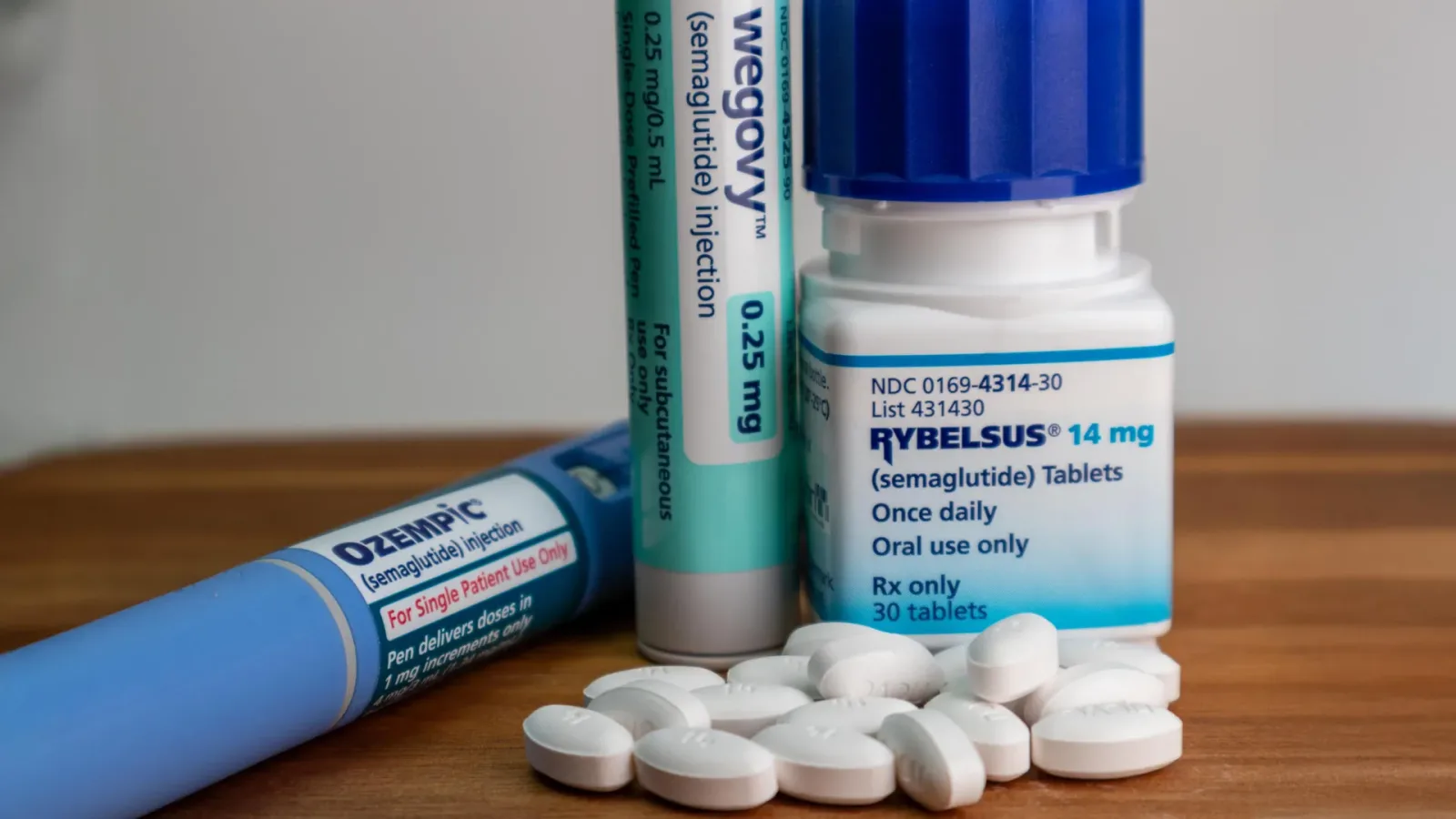
- Vervet monkeys given semaglutide (Novo Nordisk's Ozempic/Wegovy) consumed less alcohol—not due to aversion, but reduced interest.
"The fact that a drug designed for diabetes consistently reduces addiction risk across every substance we tested tells us that metabolic and addiction pathways are more intertwined than we previously understood," Al-Aly stated.
Implications for Treatment and Future Research
These findings suggest GLP-1s could shift paradigms in SUD management, potentially for prevention in high-risk groups like veterans and treatment in those with addiction. However, as an observational study, causation is not proven, and effects were seen in type 2 diabetes patients.
Al-Aly advocates for randomized controlled trials (RCTs) in non-diabetic populations: "There is no biological reason to think the effect would be limited to people with diabetes." Key questions include long-term effects upon discontinuation and craving rebound in recovery.
"GLP-1 drugs could be relevant for anyone struggling with addiction, regardless of whether they have diabetes or obesity. That would fundamentally change the treatment landscape."
Practical Guidance for Patients and Providers
If you or a veteran you know has type 2 diabetes and SUD risk factors, discuss GLP-1s with your VA provider. Weigh benefits against common side effects like nausea, gastrointestinal issues, or rare risks such as pancreatitis. Tools like Shotlee can help track symptoms, side effects, or medication adherence during therapy.
Compared to SGLT2 inhibitors (which showed no such SUD benefits), GLP-1s offer dual metabolic and potential addiction advantages, though individual responses vary.
Key Takeaways
- GLP-1s reduced new SUD risk by 14% overall, up to 25% for cocaine, nicotine, opioids.
- In existing SUD patients: 50% fewer deaths, 39% fewer overdoses, 25% less suicidality.
- Mechanisms involve dampening brain reward signaling and "drug noise."
- Calls for RCTs beyond diabetes patients.
Conclusion
This BMJ study highlights GLP-1s' potential to bridge metabolic health and addiction treatment, particularly for vulnerable veterans. While promising, consult healthcare professionals for personalized advice. Future trials could expand access, redefining SUD care.