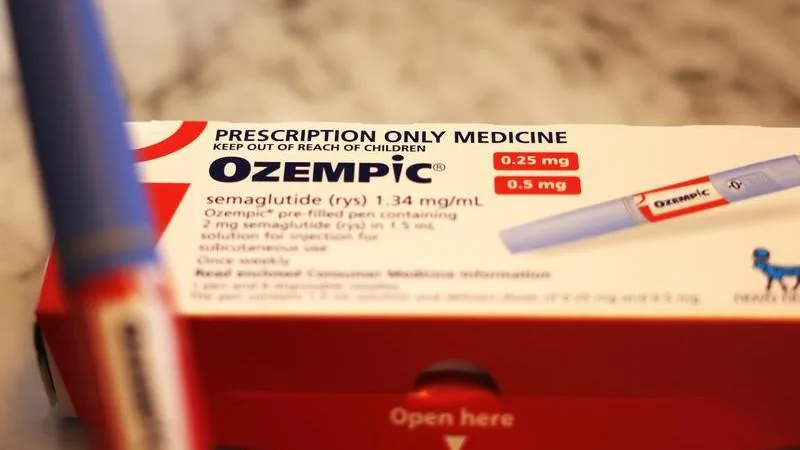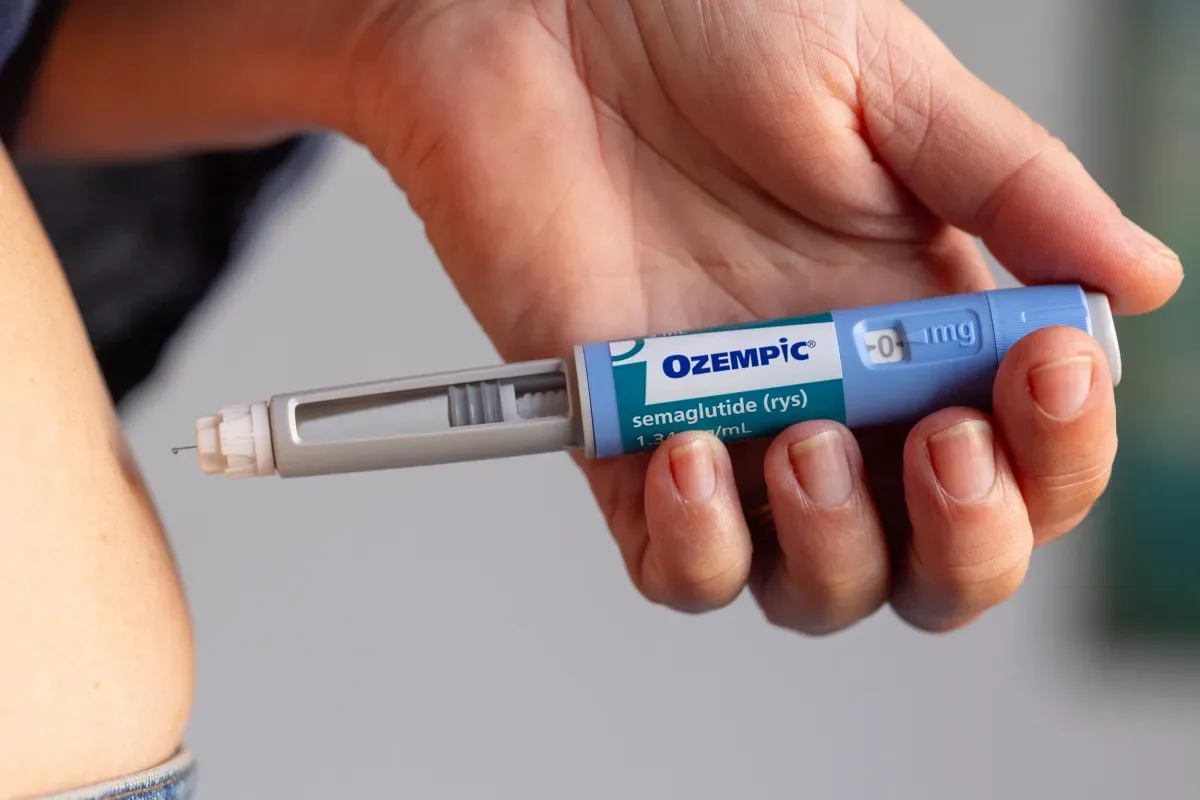

GLP-1 drugs, such as semaglutide (Ozempic and Wegovy) and tirzepatide (Mounjaro and Zepbound), are transforming metabolic health by managing diabetes and obesity. But emerging evidence from a study of over 600,000 patients suggests these medications may also quiet cravings for addictive substances like alcohol, opioids, nicotine, cocaine, and cannabis. This comprehensive guide explores the physician-led research, mechanisms, clinical findings, and implications for patients grappling with substance use disorders alongside metabolic conditions.
Real Patient Stories: Losing Interest in Addictions Effortlessly
A veteran patient, who had battled smoking for over a decade, started a GLP-1 drug for diabetes and suddenly lost interest in cigarettes. No patches, no quit dates—just effortless disinterest.
Another patient using one of these drugs for weight loss shared that alcohol, after years of failed quit attempts, had lost its appeal.
Clinics, social media, and dinner table conversations echo these reports: individuals struggling with opioids, gambling, and other addictions notice reduced preoccupation. None started GLP-1s to quit—these effects were unexpected.
Patients often describe "food noise" vanishing: the relentless mental chatter about eating goes silent. Similarly, the obsessive thoughts driving relapse in smoking, drinking, or drug use fade away. As a physician treating many on GLP-1 drugs and a scientist studying public health issues like long COVID and medication safety, these anecdotes pointed to a hidden opportunity in addiction treatment, where few effective options exist.
How GLP-1 Drugs Target the Brain's Reward System
GLP-1 drugs mimic the hormone GLP-1, produced in the gut but also active in the brain. Receptors cluster in areas controlling reward, motivation, and stress—precisely the pathways hijacked by addiction.
At therapeutic doses, these medications cross the blood-brain barrier, dampening dopamine signaling in the nucleus accumbens, the brain's core reward center. This makes addictive substances less appealing.
Evidence from Animal Models
Multiple studies show GLP-1 drugs reduce cravings across substances in animals:
- Rodents drink less alcohol, self-administer less cocaine, and show reduced nicotine interest.
- Green vervet monkeys, which voluntarily drink alcohol like humans, consumed less after semaglutide without nausea or altered water intake—indicating lowered reward value, not sickness.
These findings bridged the gap from lab to humans, prompting rigorous real-world analysis.
The Landmark Study: Analyzing 600,000 VA Patients
To test GLP-1 drugs' effects on human addiction, my team used electronic health records from over 600,000 Type 2 diabetes patients at the U.S. Department of Veterans Affairs—one of the world's largest databases.
We emulated randomized controlled trial rigor with real-world data: comparing GLP-1 starters to non-starters, adjusting for health history, demographics, and factors, then tracking for three years.
Key questions:
- For those with existing addiction, did GLP-1s reduce overdoses, drug-related hospitalizations, deaths?
- For those without prior substance use disorder, did they lower risks of developing alcohol, opioid, cocaine, cannabis, or nicotine dependence?
Results for Patients with Existing Addiction
Striking reductions emerged:
Precision tracking for your journey
Join thousands using Shotlee to accurately track GLP-1 medications and side effects.
📱 Get the Shotlee App
Track your GLP-1 medications, peptides, and health metrics on the go with our mobile app!
- 50% fewer substance use deaths.
- 39% fewer overdoses.
- 26% fewer drug-related hospitalizations.
- 25% fewer suicide attempts.
Over three years, this meant roughly 12 fewer serious events per 1,000 GLP-1 users—including two fewer deaths. Such magnitudes are rare in addiction medicine, especially from drugs designed for diabetes and repurposed for obesity.
Prevention of New Addictions
GLP-1s also prevented onset:
- 18% lower risk of alcohol use disorder.
- 25% lower risk of opioid use disorder.
- ~20% lower risk of cocaine and nicotine dependence.
This equated to 6-7 fewer new diagnoses per 1,000 users over three years. With tens of millions on GLP-1s, this could prevent thousands of events annually.
Supporting Evidence from Global Studies and Trials
Our findings align with broader research:
- A Swedish study of 227,000 with alcohol use disorder: GLP-1s linked to 36% lower alcohol-related hospitalizations—over twice the 14% from naltrexone, the top approved med.
- Other observational data: lower new/recurrent alcohol use disorder, reduced cannabis relapse, fewer nicotine visits, lower opioid overdose risk.
- RCTs: Semaglutide cut cravings and alcohol intake in alcohol use disorder; dulaglutide reduced drinking. Over a dozen trials underway.
GLP-1s uniquely show cross-substance benefits, prescribed at scale by primary care—not specialists—addressing underutilization.
Implications: A Shared Mechanism for Addiction?
Consistent effects across alcohol, opioids, cocaine, nicotine, and cannabis suggest GLP-1s target addiction's core vulnerability, not substance-specific paths. This could shift paradigms in understanding and treating addiction.
Unlike niche addiction meds, GLP-1s reach millions via existing systems.
Unanswered Questions and Potential Limitations
Challenges remain:
- Discontinuation rebounds appetite/weight—would cravings return in recovery?
- Long-term persistence of benefits? Brain adaptation?
- Reward dampening might affect motivation, drive, or work performance—theoretically.
GLP-1s aren't approved for addiction; evidence isn't sufficient for off-label sole use. But for diabetes/obesity patients with addictions, they're a compelling option over alternatives lacking these benefits.
What This Means for Patients and Practical Guidance
If you have diabetes or obesity and struggle with smoking, alcohol, or other substances, discuss GLP-1s with your doctor. A patient with diabetes trying to quit smoking might prefer semaglutide over other glucose agents for its potential aid.
For obesity with alcohol issues, dual benefits beyond weight loss matter. Track symptoms, side effects, and adherence using apps like Shotlee to monitor progress and share with providers.
Common GLP-1 side effects (nausea, GI issues) are relevant but often transient; weigh against metabolic and potential addiction gains. Always prioritize approved indications.
Key Takeaways
- GLP-1 drugs like semaglutide and tirzepatide show unprecedented craving reduction across substances in a 600,000-patient study.
- 50% fewer addiction deaths, 39% fewer overdoses; 18-25% lower new disorder risks.
- Backed by animal models, Swedish data, and RCTs—first multi-substance potential.
- Consult doctors for personalized use; monitor via tools like Shotlee.
Conclusion: An Unexpected Breakthrough from Patient Insights
Like the veteran who quit smoking effortlessly, GLP-1 benefits emerged from real lives—not targeted searches. If trials confirm, they could close addiction's massive treatment gap. For now, they're a vital consideration for metabolic patients with cravings.