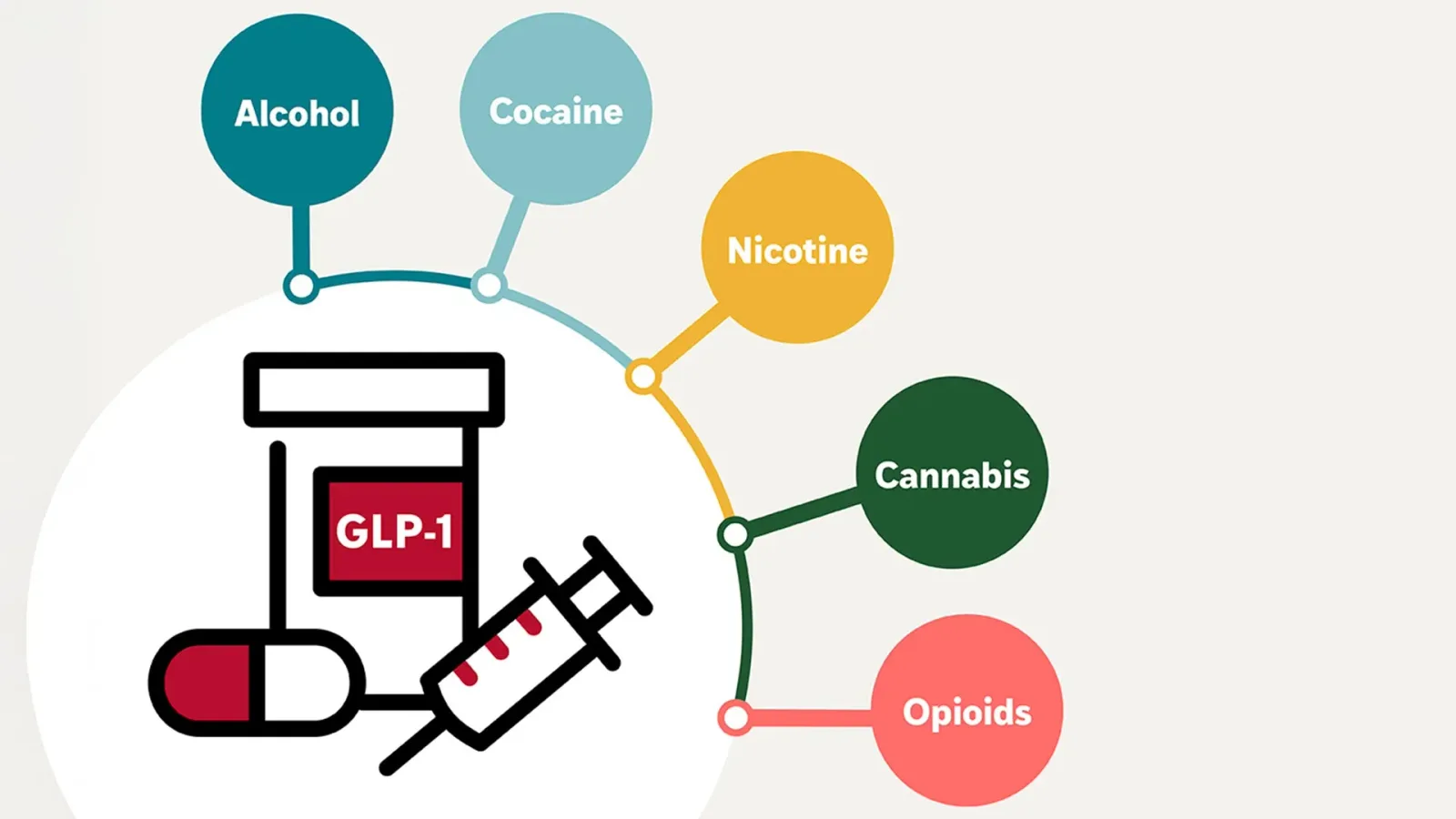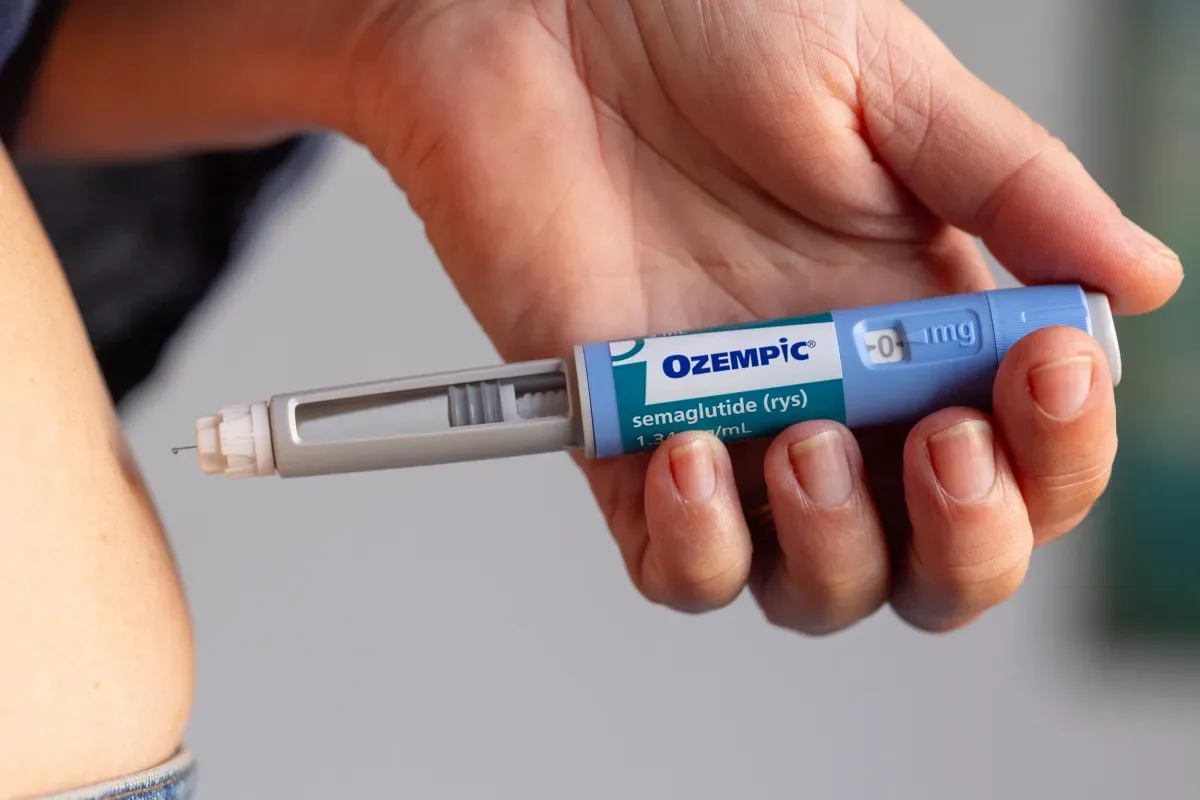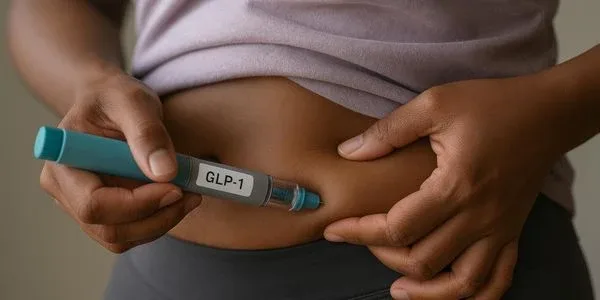
In a groundbreaking analysis, GLP-1 drugs—medications like semaglutide (Ozempic and Wegovy) and tirzepatide (Mounjaro and Zepbound)—show potential to combat addiction across major substances. A physician's real-world observations from patients, combined with rigorous data from over 600,000 U.S. Department of Veterans Affairs patients, reveal striking reductions in overdoses, hospitalizations, and deaths. These drugs, originally for diabetes and obesity, may quiet the cravings that fuel substance use disorders (SUDs).
The Patient Stories Sparking the Investigation
A patient of mine, a veteran who had tried to quit smoking for over a decade, told me that after he started a GLP-1 drug for his diabetes, he lost interest in cigarettes. He didn't use a patch. He didn't set a quit date. He simply lost interest. It happened without effort.
Another patient on one of these drugs for weight loss told me that alcohol had lost its pull—after years of failed attempts to quit.
People struggling with many addictions, ranging from opioids to gambling, are reporting similar experiences in clinics, on social media, and around dinner tables. None of them started these drugs to quit. This pattern of people losing their cravings across a broad range of addictive substances has no precedent in medicine.
Patients often describe "food noise" vanishing—the constant mental chatter about food that dominated their days simply goes quiet. But it's not just food: the preoccupation with smoking, drinking, and using drugs that drives relapse despite best intentions is going quiet too.
As a physician whose patients are often on GLP-1 drugs, and as a scientist working on public health questions like long Covid and medication safety, I recognized a hidden opportunity. Many addictions lack approved treatments. Existing medications are underutilized and substance-specific. GLP-1 drugs, taken by millions, could address cravings universally.
Biological Basis: How GLP-1 Drugs Target Cravings
GLP-1 drugs mimic the hormone GLP-1, produced in the gut and active in the brain. Its receptors cluster in reward, motivation, and stress regions—the same hijacked by addiction. At therapeutic doses, these drugs cross the blood-brain barrier, dampening dopamine signaling in the nucleus accumbens, the brain's reward center. This makes addictive substances less rewarding.
Understanding this mechanism is key for patients and clinicians. GLP-1 agonists like semaglutide reduce not just appetite but the hedonic drive behind repeated substance use. For those with co-occurring diabetes or obesity, this dual benefit addresses metabolic health alongside behavioral challenges.
Animal Model Evidence
GLP-1 drugs inhibit cravings in multiple animal models. Rodents given these drugs drink less alcohol, self-administer less cocaine, and show less interest in nicotine. In green vervet monkeys—primates that voluntarily drink alcohol like humans—semaglutide reduced alcohol intake without nausea or changes in water consumption. This points to lowered reward value, not aversion.
These preclinical findings provide a foundation, suggesting GLP-1's broad action on reward circuitry rather than substance-specific pathways.
From Animals to Humans: The VA Study
To test effects in people, my team analyzed electronic health records from over 600,000 Type 2 diabetes patients at the VA—one of the world's largest databases. We emulated randomized controlled trial rigor with real-world data, comparing GLP-1 starters to non-starters, adjusting for health history, demographics, and factors, over three years.
We asked: For those with existing addiction, do GLP-1 drugs reduce overdoses, hospitalizations, and deaths? For those without SUD history, do they lower new disorder risk across alcohol, opioids, cocaine, cannabis, and nicotine?
Precision tracking for your journey
Join thousands using Shotlee to accurately track GLP-1 medications and side effects.
📱 Get the Shotlee App
Track your GLP-1 medications, peptides, and health metrics on the go with our mobile app!
Results were striking. In those with addiction:
- 50% fewer substance use deaths
- 39% fewer overdoses
- 26% fewer drug-related hospitalizations
- 25% fewer suicide attempts
Over three years, this meant roughly 12 fewer serious events per 1,000 GLP-1 users—including two fewer deaths. Such magnitudes are rare in addiction medicine, especially from diabetes/obesity drugs.
Preventing Addiction Onset
For those without prior SUD, GLP-1 users had:
- 18% lower alcohol use disorder risk
- 25% lower opioid use disorder risk
- ~20% lower cocaine and nicotine dependence risk
This translated to 6-7 fewer new diagnoses per 1,000 users over three years. With tens of millions on GLP-1s, this could prevent thousands of events yearly.
Converging Evidence from Other Studies
Our findings align with broader research. A Swedish study of 227,000 alcohol use disorder patients found GLP-1 users had 36% lower alcohol-related hospitalizations—over twice the 14% from naltrexone, the top approved drug. Other studies link GLP-1s to lower alcohol/cannabis diagnoses, nicotine visits, and opioid overdoses.
Trials show promise: Semaglutide reduced craving and consumption in alcohol use disorder; dulaglutide cut drinking. Over a dozen trials are underway for addiction.
Comparisons to Existing Addiction Treatments
Unlike naltrexone (alcohol/opioids), buprenorphine (opioids), or varenicline (nicotine)—which are specialist-prescribed and underused—GLP-1s are primary care staples at scale. No prior medication spans substances like alcohol, opioids, cocaine, cannabis, and nicotine, targeting shared reward vulnerabilities.
Unanswered Questions and Safety Considerations
Key gaps: Discontinuation often rebounds appetite/weight; might cravings return? Long-term brain adaptation? Prolonged reward modulation could blunt motivation, drive, or work performance—theoretically.
Common GLP-1 side effects (nausea, GI issues) were monitored in the VA study, but addiction-specific risks need more data. Patients should discuss with doctors, especially if history of SUD, depression, or motivational issues. Tools like Shotlee can help track symptoms, side effects, and medication adherence.
What This Means for Patients
GLP-1s aren't approved for addiction, but for diabetes/obesity patients with SUD risks, they're worth considering. A diabetic smoker might prefer semaglutide over other glucose agents for potential quit aid. Obese individuals with alcohol issues gain beyond weight loss.
Practical Guidance:
- Consult your doctor: Weigh approved benefits vs. emerging data.
- Monitor progress: Track cravings, mood, substance use.
- Combine therapies: Pair with counseling for best outcomes.
- Who benefits most? Those with metabolic conditions + SUD risks.
Key Takeaways
- GLP-1 drugs like Ozempic reduce addiction events by up to 50% in high-risk groups.
- They prevent new SUDs by 18-25% across substances.
- Broad reward modulation offers unprecedented potential.
- Millions already access them via primary care.
Conclusion: A New Era for Addiction Treatment?
Emerging from patient reports, not design, GLP-1s could close addiction gaps if trials confirm. Like my veteran patient quitting effortlessly, they quiet cravings across substances—transforming metabolic and behavioral health.