In a significant finding for patients managing type 2 diabetes, a new study published in the BMJ suggests that GLP-1 drugs like Ozempic may lower the risk of addiction. Researchers analyzed electronic health records from more than 600,000 veterans treated through the United States Department of Veterans Affairs, comparing those newly prescribed GLP-1 receptor agonists to those started on SGLT2 inhibitors such as empagliflozin and dapagliflozin. This Ozempic addiction risk research highlights potential benefits beyond blood sugar control, though causation remains unproven.
Study Design and Methodology
Prior animal studies had suggested GLP-1 drugs might reduce cravings and lower relapse risk in substance use. Large-scale analyses of health records hinted at similar patterns in humans. Building on this, the BMJ study employed "target trial emulation," a rigorous method that structures observational data to mimic a randomized controlled trial (RCT) as closely as possible.
In an RCT, participants are randomly assigned to treatment or control groups, ensuring similarity except for the intervention. Observational studies, however, can't fully eliminate confounding factors like unmeasured differences in age, weight, or health conditions. Target trial emulation minimizes these risks but still shows associations, not definitive causation. The study followed participants for up to three years, addressing key questions about new and existing substance use disorders (SUDs).
Key Findings for New Substance Use Disorders
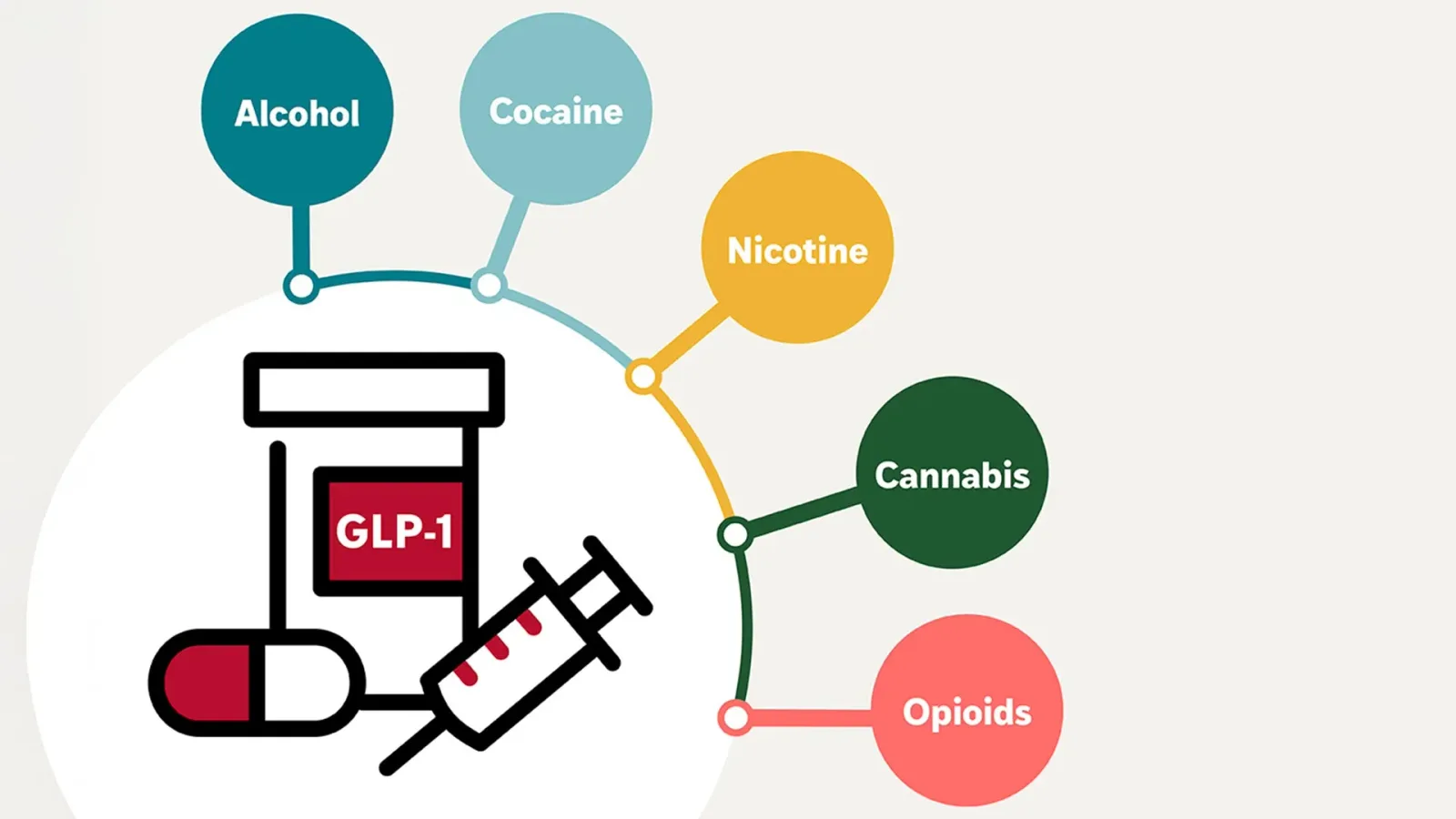
Among people without a prior SUD, starting a GLP-1 drug was linked to a 14% overall reduced risk of developing new substance use disorders, including alcohol, cannabis, cocaine, nicotine, and opioids. Those on GLP-1s were less likely to develop one across every substance category examined. This translated to roughly 1-6 fewer cases per 1,000 people over three years.
Outcomes for Existing Substance Use Disorders
For individuals with an existing SUD, GLP-1 use was associated with a 26% reduction in substance-related hospital admissions. Better outcomes held across every measure, amounting to around 1-10 fewer events per 1,000 people over three years. These consistent patterns across multiple substances and outcomes strengthen the signal, though they remain associations.
Understanding GLP-1 Drugs Like Ozempic
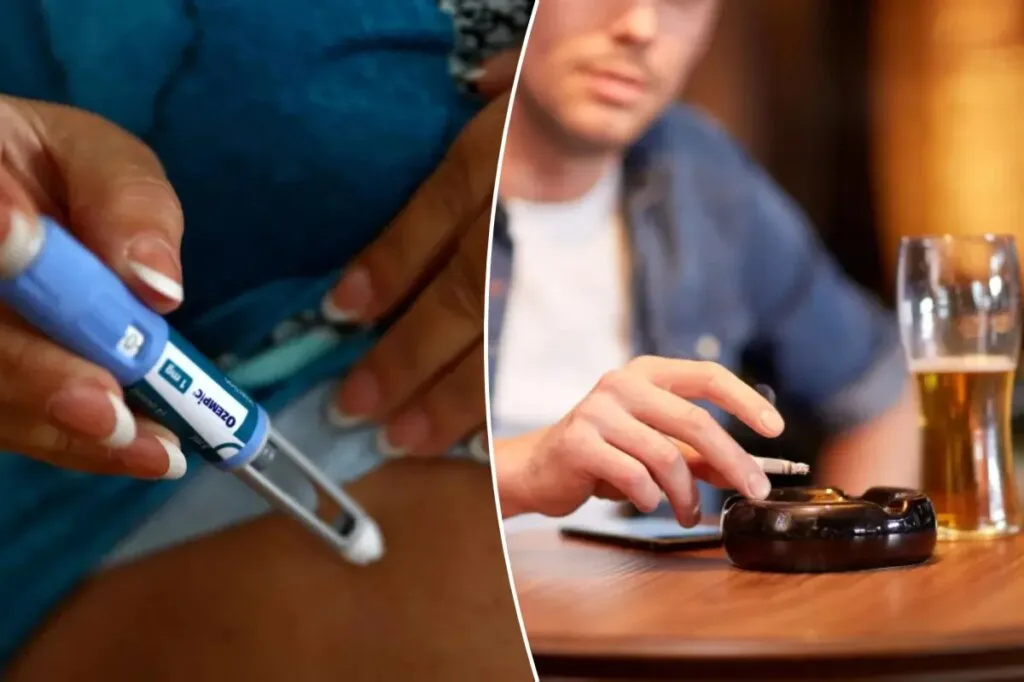
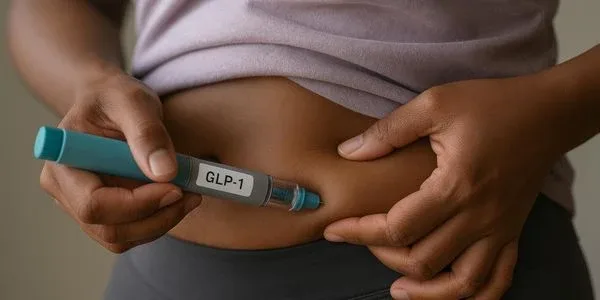
GLP-1 receptor agonists, such as Ozempic (semaglutide), are injectable medications primarily approved for type 2 diabetes management and weight loss. They mimic the glucagon-like peptide-1 hormone, which regulates blood sugar by stimulating insulin release, slowing gastric emptying, and reducing appetite. Ozempic's weekly dosing has made it popular for metabolic health.
Emerging research explores off-label benefits, including cardiovascular protection and now potential impacts on addiction. Preclinical data shows GLP-1s may modulate brain reward pathways, reducing dopamine-driven cravings for alcohol, nicotine, and opioids. This could explain the observed lower Ozempic addiction risk in the veteran cohort.
Comparison to SGLT2 Inhibitors
The study used SGLT2 inhibitors—empagliflozin (Jardiance) and dapagliflozin (Farxiga)—as the comparator. These oral drugs promote glucose excretion via urine, offering kidney and heart benefits with a strong safety profile. Unlike GLP-1s, SGLT2s lack direct evidence for addiction modulation, making them an ideal control for isolating potential GLP-1 effects in diabetes patients.
Precision tracking for your journey
Join thousands using Shotlee to accurately track GLP-1 medications and side effects.
📱 Get the Shotlee App
Track your GLP-1 medications, peptides, and health metrics on the go with our mobile app!
Study Limitations and Cohort Characteristics
The cohort was 90% male with an average age of 65, limiting generalizability to women, younger adults, or non-diabetics. Participants had complex health profiles: 57% were current or former smokers, over 40% had high cholesterol, and many dealt with high blood pressure, heart disease, or heart failure. Mental health issues were prevalent—more than 18% had PTSD, over 10% depression, and over 10% anxiety.
Unknown factors, like concurrent SUD treatments, could influence results. Ongoing RCTs will be crucial to confirm if GLP-1s cause these benefits or if confounders are at play.
Safety Considerations and Side Effects
GLP-1 drugs like Ozempic are generally well-tolerated but can cause gastrointestinal issues (nausea, vomiting, diarrhea), especially during initiation. Rare risks include pancreatitis, gallbladder issues, and thyroid tumors (in rodents). For patients with SUD history, monitoring for interactions or worsened mental health is key. Always consult a healthcare provider before starting, particularly with addiction risks.
Practical guidance: Discuss family history of addiction, current cravings, or mental health with your doctor. Tools like Shotlee can help track symptoms, side effects, and medication schedules for better adherence and early issue detection.
What This Means for Patients and Broader Implications
These findings add to GLP-1s' growing profile in metabolic health, potentially benefiting high-risk groups like veterans. However, substance use disorders are highly treatable today with evidence-based options: naltrexone and acamprosate for alcohol, methadone and buprenorphine for opioids, plus psychological therapies like cognitive behavioral therapy.
The real barrier? Stigma portraying addiction as a moral failing rather than a chronic health condition. This study encourages dialogue but underscores that proven treatments exist now—no need to wait for GLP-1 confirmation.
Key Takeaways
- GLP-1 drugs linked to 14% lower risk of new SUDs and 26% fewer hospital admissions for existing ones in veterans.
- Benefits seen across alcohol, cannabis, cocaine, nicotine, and opioids (1-6 fewer new cases, 1-10 fewer events per 1,000 over 3 years).
- Observational associations via target trial emulation; RCTs needed for causality.
- Cohort: Mostly older male diabetics with comorbidities.
- Prioritize existing SUD treatments; combat stigma for access.
Conclusion: Actionable Insights for Metabolic and Addiction Health
This BMJ study on Ozempic and addiction risk offers hope for diabetes patients prone to substance use, but it's not a standalone solution. If you have type 2 diabetes and SUD concerns, talk to your doctor about GLP-1s versus alternatives like SGLT2s, while pursuing proven addiction therapies. Stay informed on emerging trials—reducing stigma could unlock life-changing care today.