The Intersection of Weight Loss and Intimacy
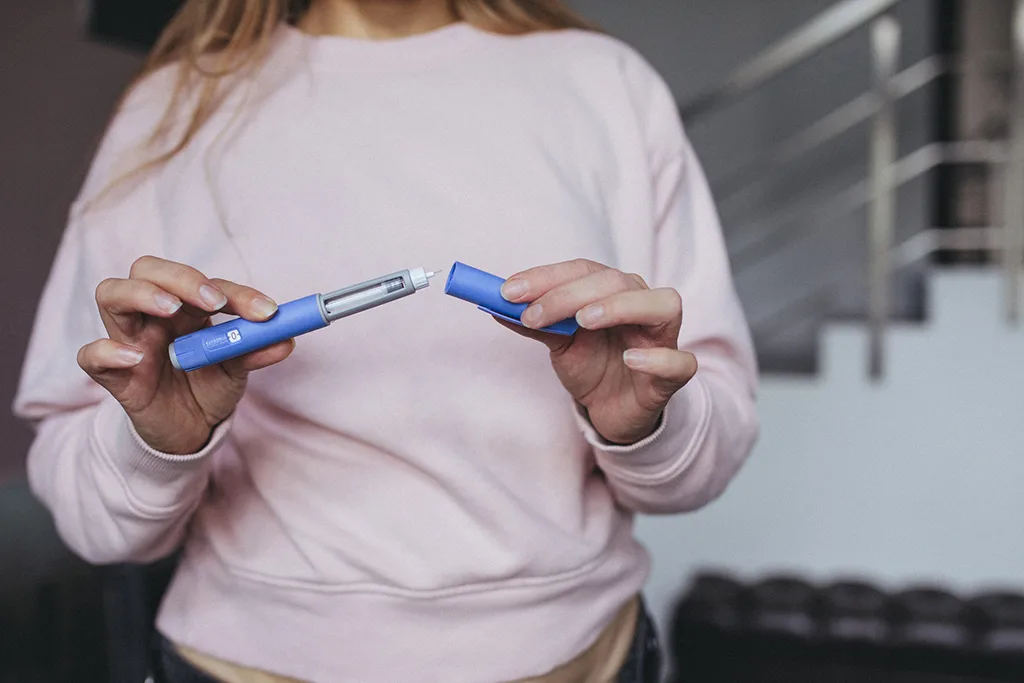
For millions, medications like Ozempic and Wegovy have been transformative. By mimicking the GLP-1 hormone, these drugs help regulate blood sugar and appetite. However, as their popularity grows, so does the need to understand their full range of effects—including those on sexual health.
The Study: A New Perspective
A study published in Obesity Pillars in March 2024 has sparked a conversation about an often-overlooked side effect: a potential decrease in sexual desire. While weight loss is generally associated with improved sexual function, the neurological impact of semaglutide remains a complex subject.
Precision tracking for your journey
Join thousands using Shotlee to accurately track GLP-1 medications and side effects.
📱 Get the Shotlee App
Track your GLP-1 medications, peptides, and health metrics on the go with our mobile app!
How GLP-1 Agonists Work
GLP-1 receptor agonists (GLP-1 RAs) work by binding to receptors in the brain and gut. They signal satiety, effectively 'quieting' the hunger centers. However, researchers suggest this same mechanism might interact with the 5-HT2C serotonin receptor, which is involved in modulating sexual desire.
The Brain-Body Disconnect
While your body might feel physically healthier due to weight loss—leading to better blood flow and increased confidence—the 'wanting' signal in the brain may be dampened. This creates a unique paradox where physical capability improves while mental drive may decrease.
Key Takeaways for Patients
- Complex Effects: The impact on libido is not uniform; it is a tug-of-war between improved physical health and potential neurological dampening.
- Consult Your Doctor: If you notice changes in your intimate life, speak with your healthcare provider.
- Monitor Your Well-being: Track your mood, energy levels, and sexual desire as you progress through your treatment.